

US Dollar Surges: Iran Conflict Sparks Critical Oil Volatility and Safe-Haven Rush
BitcoinWorld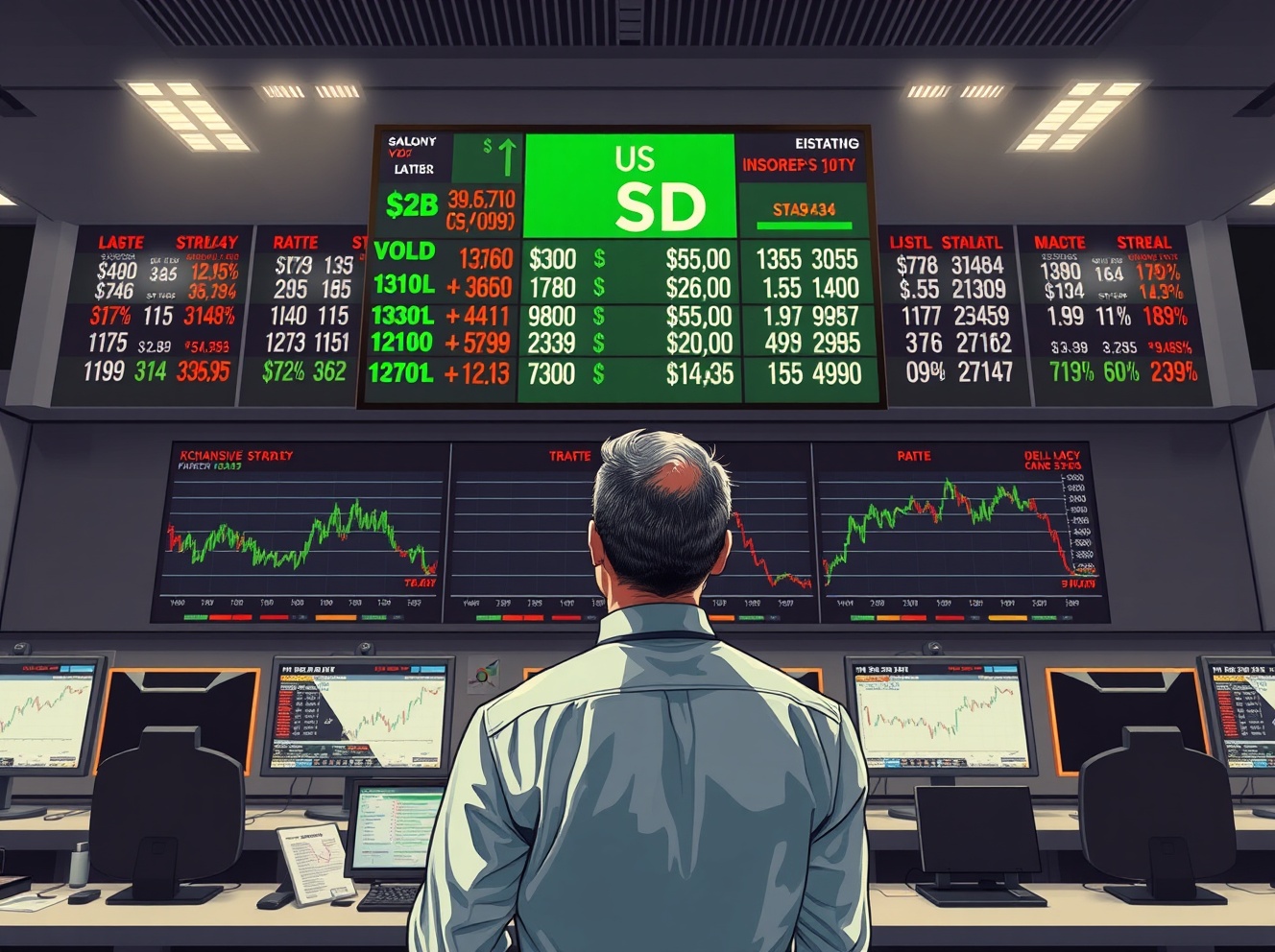
US Dollar Surges: Iran Conflict Sparks Critical Oil Volatility and Safe-Haven Rush
The US Dollar staged a significant rebound in global forex markets today as escalating tensions in the Middle East triggered sharp oil price volatility and renewed safe-haven demand among investors. Market participants rapidly adjusted positions following reports of military actions involving Iran, creating immediate ripple effects across currency pairs and commodity markets. Consequently, traders witnessed one of the most dramatic trading sessions this quarter, with the dollar index climbing steadily throughout the European and early North American sessions.
US Dollar Rebounds Amid Geopolitical Uncertainty
The dollar’s recovery represents a notable reversal from recent weakness. Market analysts immediately identified several contributing factors to this movement. First, escalating conflict in the Middle East traditionally boosts demand for perceived safe-haven assets. Second, oil price spikes directly impact currency valuations for both importing and exporting nations. Third, investors typically reduce exposure to riskier assets during geopolitical crises.
Forex trading volumes surged approximately 40% above the 30-day average during the initial reaction period. Major currency pairs experienced heightened volatility, particularly those tied to commodity exports. The dollar strengthened against most major counterparts except the Swiss Franc and Japanese Yen, which also benefited from safe-haven flows. Market sentiment shifted decisively toward risk aversion within hours of the initial news reports.
Historical Context of Conflict-Driven Market Movements
Historical data reveals consistent patterns during Middle East tensions. For instance, the 2019 attacks on Saudi oil facilities produced a 15% oil price spike and a 2.1% dollar index gain within 48 hours. Similarly, the 2020 U.S.-Iran escalation saw similar safe-haven flows. Current movements align with these established precedents, though today’s reaction appears more pronounced due to existing market positioning.
Oil Volatility Triggers Currency Market Reassessment
Brent crude futures experienced their most volatile session in three months, swinging within a $8 range. This oil price volatility immediately affected currency valuations through multiple channels. Oil-importing nations saw their currencies weaken on concerns about trade balances and inflation. Meanwhile, some oil exporters experienced mixed currency reactions depending on their perceived stability.
The relationship between oil prices and currency values follows these established mechanisms:
- Trade Balance Effects: Higher oil prices worsen trade deficits for importers
- Inflation Expectations: Energy costs feed into broader price pressures
- Central Bank Reactions: Monetary policy expectations adjust to new inflation risks
- Terms of Trade: Relative price changes between exports and imports
Currency pairs most sensitive to oil movements showed particularly dramatic shifts. The Canadian dollar initially strengthened then retreated as risk aversion overwhelmed commodity support. The Norwegian krone followed a similar pattern, while petrocurrencies with higher geopolitical risk premiums underperformed significantly.
Safe-Haven Demand Reshapes Forex Flows
Safe-haven demand manifested across multiple asset classes simultaneously. Treasury yields fell as bond prices rose, gold climbed to one-month highs, and traditional haven currencies appreciated. The dollar’s status as the world’s primary reserve currency ensured it captured substantial flows despite recent concerns about U.S. fiscal policy.
Market participants executed several distinct strategies in response to the developing situation. Many institutional investors increased dollar holdings while reducing exposure to emerging market currencies. Carry trade unwinding added further dollar support as investors closed positions funded with cheap dollar borrowing. Meanwhile, options markets showed dramatically increased demand for protection against further volatility.
| Currency | Change vs USD | Primary Driver |
|---|---|---|
| Japanese Yen (JPY) | +0.8% | Safe-haven flows |
| Swiss Franc (CHF) | +0.6% | Safe-haven flows |
| Euro (EUR) | -1.2% | Energy import vulnerability |
| British Pound (GBP) | -0.9% | Risk aversion, oil exposure |
| Australian Dollar (AUD) | -1.5% | Commodity, risk sentiment |
Expert Analysis of Market Psychology
Financial strategists emphasize that crisis reactions reveal underlying market structures. “Today’s movements demonstrate how quickly narratives can shift,” noted a senior currency strategist at a major European bank. “The market was positioned for continued dollar weakness, but geopolitical events override technical factors. Consequently, we’re seeing forced repositioning across multiple asset classes.”
Risk management protocols activated automatically at many institutions. Value-at-Risk (VaR) limits triggered position reductions as volatility increased. Meanwhile, algorithmic trading systems responded to the volatility spike by reducing leverage and widening spreads. These technical factors amplified the fundamental moves throughout the trading session.
Broader Market Implications and Forward Outlook
The conflict’s duration and escalation potential will determine whether today’s movements represent a temporary adjustment or a sustained trend shift. Several factors will influence coming sessions. First, diplomatic developments could either calm or escalate tensions further. Second, oil inventory data will show how physical markets absorb the shock. Third, central bank communications may address the inflationary implications.
Forward-looking indicators already show changing expectations. Interest rate futures now price in slightly less aggressive monetary easing from the Federal Reserve. Inflation expectations measured by breakeven rates have edged higher. Currency volatility indices have jumped to levels last seen during March’s banking stress. These indicators suggest markets are preparing for prolonged uncertainty rather than a quick resolution.
Regional impacts vary significantly across different economies. European currencies face particular pressure due to heavy energy import dependence. Asian manufacturing exporters confront both higher input costs and potential supply chain disruptions. Meanwhile, Middle Eastern currencies remain under scrutiny for their geopolitical sensitivity. Each region’s specific vulnerabilities will continue to drive relative currency performance.
Conclusion
The US Dollar rebound following Middle East tensions demonstrates how geopolitical events rapidly reshape forex market dynamics. Oil price volatility and safe-haven demand combined to reverse recent dollar weakness, creating challenging conditions for currency traders. Market participants must now monitor both conflict developments and their economic consequences. Furthermore, today’s movements highlight the interconnected nature of modern financial markets, where geopolitical risks transmit quickly across borders and asset classes. The dollar’s recovery may continue if uncertainty persists, but much depends on diplomatic developments in coming days.
FAQs
Q1: Why does the US Dollar strengthen during geopolitical conflicts?
The dollar benefits from its status as the world’s primary reserve currency. During crises, investors seek assets perceived as stable and liquid. Additionally, global trade and finance predominantly use dollars, creating natural demand during risk aversion periods.
Q2: How does oil price volatility specifically affect currency values?
Oil price changes directly impact national trade balances. Importing nations face higher costs and potential currency outflows, while exporters receive more dollar revenue. These flows affect exchange rates through balance of payments mechanisms and inflation expectations.
Q3: What other assets typically see safe-haven demand during crises?
Beyond the dollar, investors traditionally seek U.S. Treasury bonds, Japanese yen, Swiss francs, and gold. These assets have historically preserved value during geopolitical stress. Their performance often correlates inversely with riskier assets like stocks and emerging market currencies.
Q4: How long do conflict-driven market movements typically last?
Duration depends on conflict escalation and economic impact. Initial reactions often last several days, but sustained trends require ongoing uncertainty. Markets typically distinguish between temporary disruptions and fundamental changes to economic outlooks when determining longer-term direction.
Q5: What should forex traders monitor following such events?
Traders should watch diplomatic developments, oil inventory data, central bank communications, and volatility indicators. Technical levels become less reliable during crisis periods, so fundamental analysis and risk management become particularly important for navigating uncertain conditions.
This post US Dollar Surges: Iran Conflict Sparks Critical Oil Volatility and Safe-Haven Rush first appeared on BitcoinWorld.


You May Also Like

How Mutuum Finance (MUTM) Builds Long-Term Value in Cheap Crypto Markets
Trump loyalist could stay in power without Congress thanks to sneaky 'loophole'




