

Crypto ATM Fraud Losses Skyrocket to $333M in US, Fueled by Alarming AI Deepfake Scams
BitcoinWorld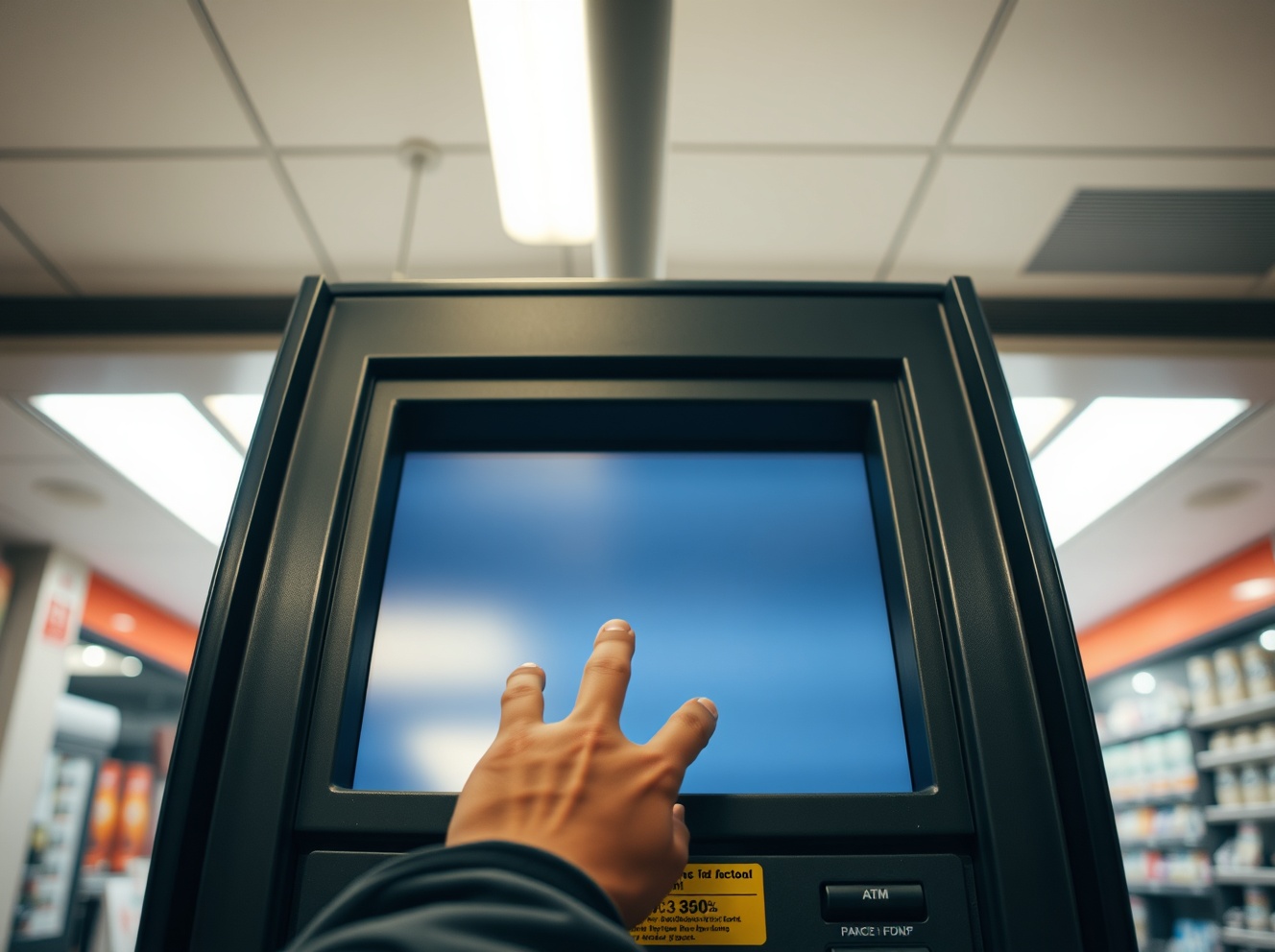
Crypto ATM Fraud Losses Skyrocket to $333M in US, Fueled by Alarming AI Deepfake Scams
Financial regulators and cybersecurity experts are sounding alarms after a new report revealed staggering losses from cryptocurrency ATM scams across the United States, with fraud totaling $333 million last year alone. This dramatic figure, reported by cybersecurity firm CertiK and covered by Cointelegraph, highlights a rapidly evolving threat landscape where criminal organizations increasingly exploit the very features that make crypto ATMs convenient: speed and relative anonymity. The analysis directly links the surge to sophisticated fraud groups now deploying artificial intelligence deepfake technology to bypass security measures and manipulate victims.
Crypto ATM Fraud Losses Expose Critical Security Gaps
The $333 million in reported losses marks a significant escalation in financial crimes targeting digital asset kiosks. These machines, often located in convenience stores, gas stations, and shopping malls, allow users to convert cash into cryptocurrencies like Bitcoin or Ethereum within minutes. Consequently, their fast transaction speeds present a major attraction for legitimate users and criminals alike. The CertiK report emphasizes that limited identity verification protocols at many kiosks create an easy avenue for theft. Unlike traditional bank transactions, which may involve multi-factor authentication and waiting periods, crypto ATM transactions can often be finalized in under five minutes with minimal oversight.
Furthermore, the pseudo-anonymous nature of blockchain transactions complicates recovery efforts for stolen funds. Once cryptocurrency leaves a victim’s wallet and moves through the decentralized ledger, tracing and retrieving it becomes exceptionally difficult for law enforcement. This technical reality emboldens fraudsters who operate with a perceived lower risk of getting caught. The convergence of quick cash conversion and difficult asset recovery has effectively turned some crypto ATMs into high-risk points for financial crime.
The Rising Threat of AI Deepfake Technology in Scams
Cybersecurity analysts point to a dangerous new trend propelling these losses: the adoption of AI-generated deepfakes by criminal networks. This technology uses artificial intelligence to create highly convincing fake audio or video recordings. Scammers employ these deepfakes to impersonate trusted figures, such as family members, tech support agents, or government officials, during real-time calls with victims. For instance, a fraudster might use a deepfake voice clone of a grandchild in distress to urgently request money via a crypto ATM. The emotional manipulation, combined with the perceived authenticity of the voice, pressures victims into making rapid, irreversible transactions.
Previously, such scams relied on text-based phishing or less convincing voice calls. However, the accessibility of AI tools has lowered the barrier for creating persuasive forgeries. A report from the Federal Trade Commission (FTC) in late 2024 noted a 150% year-over-year increase in complaints mentioning voice-cloning technology in fraud schemes. The integration of this technology into crypto ATM scams represents a natural and sinister evolution, exploiting both human psychology and technological infrastructure weaknesses.
Expert Analysis on the Mechanics of the Scam
Jane Kellerman, a former FBI financial crimes investigator and current cybersecurity consultant, explains the typical fraud workflow. “The scam often starts with a targeted phishing attempt or a data breach that gives criminals a victim’s basic information and phone number,” Kellerman states. “They then use AI software to synthesize a voice from short audio clips found online—perhaps from a social media video—of a relative. The victim receives a panicked call from what sounds like their loved one, claiming they need bail money or face an emergency. The scammer instructs them to withdraw cash and deposit it immediately into a specific crypto wallet via a nearby ATM, stressing that time is critical and that traditional wire transfers are too slow.”
This sense of urgency is crucial. It short-circuits the victim’s normal critical thinking and due diligence. The physical act of using a cash-based ATM also feels more tangible and less suspicious to some than an online transfer, even though the destination is a digital wallet controlled by criminals. The table below outlines the common steps in a modern crypto ATM deepfake scam:
| Step | Action by Fraudster | Exploited Vulnerability |
|---|---|---|
| 1. Reconnaissance | Gathers victim data (phone, family names) from social media or data leaks. | Personal data oversharing online. |
| 2. Deepfake Creation | Uses AI tools to clone a relative’s voice from online audio. | Availability of personal media online and accessible AI tech. |
| 3. Social Engineering Call | Makes urgent call using deepfake voice, creating a fabricated crisis. | Human emotional response and trust. |
| 4. Transaction Direction | Guides victim to a specific crypto ATM and provides a wallet QR code. | Speed and anonymity of crypto ATM transactions. |
| 5. Cash Conversion & Flight | Receives crypto, then uses mixers or exchanges to launder funds. | Irreversibility of blockchain transactions and cross-jurisdictional challenges. |
Regulatory and Industry Responses to Mounting Losses
In response to the escalating fraud, regulatory bodies and the cryptocurrency industry are beginning to take action. The Financial Crimes Enforcement Network (FinCEN) has classified certain crypto kiosk operators as Money Services Businesses (MSBs), subjecting them to Anti-Money Laundering (AML) and Know Your Customer (KYC) regulations. However, enforcement and compliance levels can vary significantly between operators and states. Some jurisdictions are now considering legislation to mandate stricter identity checks for transactions above a certain threshold, potentially slowing the process but adding a critical security layer.
Simultaneously, responsible crypto ATM operators are implementing voluntary safeguards. These measures include:
- Lower transaction limits for anonymous cash deposits.
- Enhanced on-screen warnings about common scams during the transaction flow.
- Extended transfer delays for first-time users or large amounts, allowing a brief cooling-off period.
- Integration with identity verification services that require a government ID scan for larger transactions.
Despite these efforts, a patchwork of state regulations and the competitive pressure to offer user-friendly services create challenges for uniform security standards. The industry faces a difficult balance between maintaining the accessibility that defines crypto ATMs and implementing protections robust enough to deter sophisticated fraud rings.
The Broader Impact on Crypto Adoption and Consumer Trust
The $333 million loss figure represents more than just stolen money; it signifies a growing threat to consumer trust in cryptocurrency infrastructure. For mainstream adoption to continue, potential users must feel confident that on-ramps like ATMs are secure. High-profile fraud cases generate negative media coverage and can deter newcomers who are already cautious about the volatility and complexity of digital assets. This erosion of trust poses a long-term risk to the entire ecosystem, potentially stifling innovation and legitimate use cases.
Moreover, these losses have real-world consequences for victims, who are often elderly or otherwise vulnerable individuals. The irreversible nature of cryptocurrency transactions means they rarely recover their funds. Victim advocacy groups report increased cases of severe financial and emotional distress linked to these scams, highlighting the human cost behind the statistical headline.
Conclusion
The revelation that US crypto ATM fraud losses hit $333 million last year serves as a critical wake-up call for regulators, industry operators, and consumers. This staggering sum underscores how advanced threats like AI deepfake technology are exploiting systemic vulnerabilities in fast, anonymous transaction systems. Addressing this crisis requires a coordinated multi-stakeholder approach: robust regulatory frameworks, proactive security measures by ATM operators, and widespread public education on recognizing social engineering tactics. As cryptocurrency continues to integrate into the financial mainstream, ensuring the security of its physical access points will be paramount to preventing further losses and safeguarding the future of digital asset adoption.
FAQs
Q1: What is a crypto ATM, and how does it work?
A crypto ATM, or Bitcoin ATM, is a physical kiosk that allows individuals to buy (and sometimes sell) cryptocurrencies using cash or a debit card. Users scan a wallet QR code, insert money, and the machine sends the equivalent cryptocurrency to their digital wallet, often within minutes.
Q2: How are AI deepfakes used in these scams?
Scammers use AI software to create realistic fake audio or video of a trusted person, like a family member. They then call the victim, using this deepfake to pretend there is an emergency requiring immediate cash, which they instruct the victim to send via a crypto ATM.
Q3: Why are crypto ATMs particularly vulnerable to this fraud?
They enable very fast conversion of cash to irreversible cryptocurrency with relatively low identity checks compared to banks. This speed and anonymity benefit users but also provide a perfect tool for fraudsters pressuring victims to act quickly.
Q4: What can I do to protect myself from a crypto ATM scam?
Be extremely skeptical of any urgent request for money, especially via cryptocurrency. Verify the person’s identity by calling them back on a known number. Never deposit money into a crypto wallet at someone else’s direction during a stressful call. Remember that legitimate entities will not demand payment via cash-to-crypto machines for emergencies.
Q5: Are there any regulations for crypto ATMs to prevent this?
In the US, crypto ATM operators are generally required to register as Money Services Businesses and comply with AML laws. However, specific identity verification requirements vary by state and operator, leading to inconsistent security levels across the network.
This post Crypto ATM Fraud Losses Skyrocket to $333M in US, Fueled by Alarming AI Deepfake Scams first appeared on BitcoinWorld.


You May Also Like

Litecoin (LTC) Price Prediction: Multi-Year Base Formation Revives Bullish Breakout Outlook Above $60

Iran’s army chief warns of ‘total destruction’ for ground invasion




