

Tinder’s Bold Gamble: IRL Events and Virtual Speed Dating Aim to Reinvigorate the Struggling Dating App
BitcoinWorld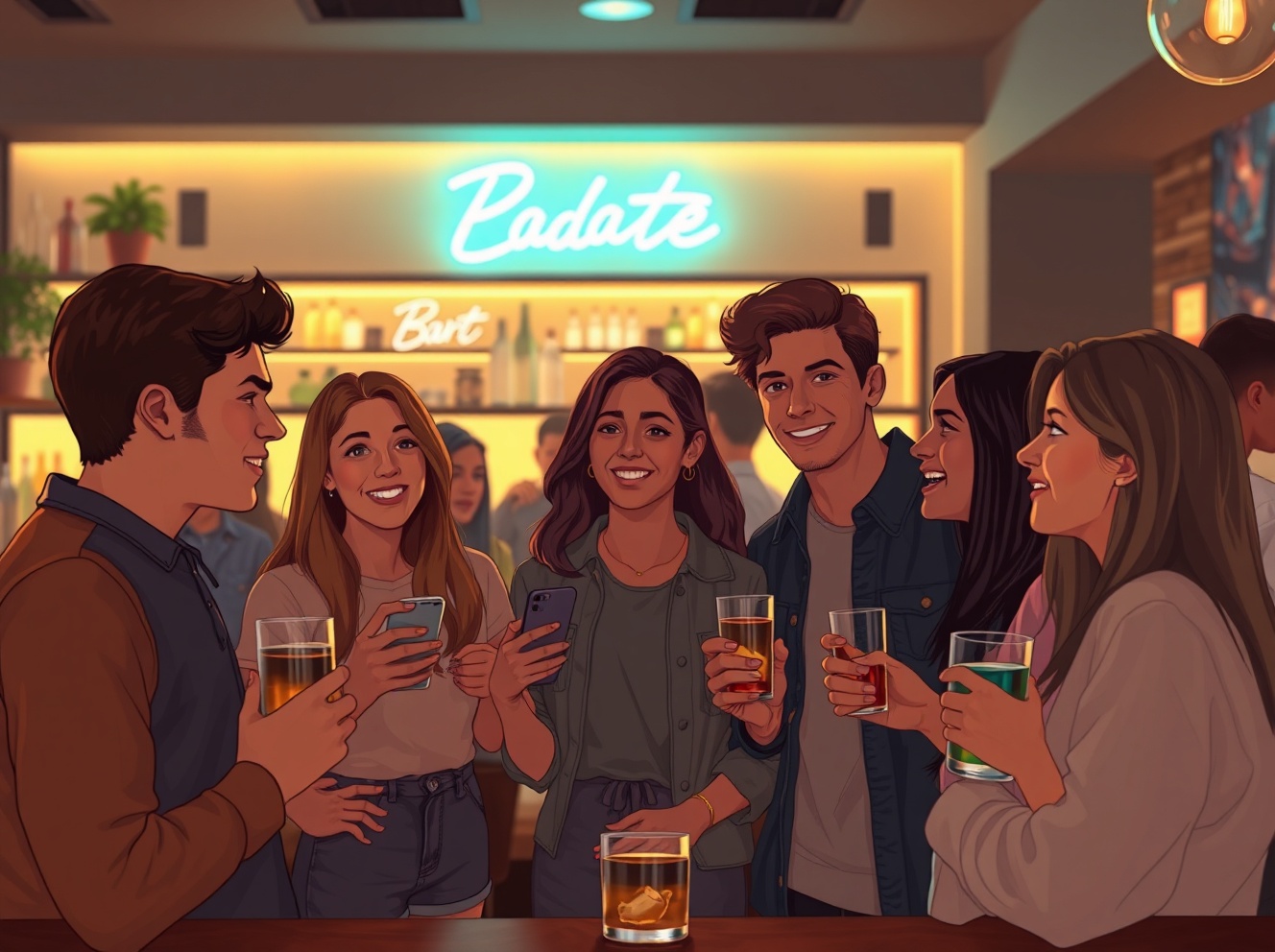
Tinder’s Bold Gamble: IRL Events and Virtual Speed Dating Aim to Reinvigorate the Struggling Dating App
In a strategic pivot reflecting broader industry shifts, Tinder unveiled a comprehensive suite of new features during its inaugural product keynote on June 9, 2025, in Boston, Massachusetts. The announcement, centered on fostering real-world connections and leveraging artificial intelligence, represents the dating giant’s most significant response yet to changing user behaviors and mounting competitive pressure.
Tinder’s Strategic Shift Towards IRL Events
Match Group’s $50 million product development investment, announced in August 2024, is now materializing through Tinder’s new “Events” tab. This feature, entering beta in Los Angeles in late May or early June, directly addresses a growing user sentiment: fatigue with endless digital swiping. The Events tab curates local activities like speakeasy nights, bowling, raves, and pottery classes, providing a structured, low-pressure environment for users to meet matches offline.
This move aligns with a clear generational trend. Data from multiple consumer behavior studies in early 2025 indicates that Gen Z users increasingly prioritize authentic, in-person experiences over purely digital interactions. Consequently, Tinder is not pioneering this space but rather responding to a market validated by smaller, niche apps.
- Breeze: Organizes curated group dates at local venues.
- 222: Requires users to match three times before unlocking chat, encouraging intentionality.
- Timeleft: Hosts dinner parties for strangers based on shared interests.
- Thursday: Activates only on Thursdays to encourage weekly IRL meetups.
Hillary Payne, Tinder’s Senior Vice President of Product, explained the rationale to Bitcoin World. The company aims to blend users’ social and dating lives, meeting them where they already congregate. Post-event, attendee profiles remain accessible in the app, enabling a digital “Missed Connections” feature for those who hesitated to approach someone in person.
The Resurgence of Structured Dating Formats
The reintroduction of speed dating, now in a virtual format, signals another adaptive strategy. Tinder’s pilot program in Los Angeles facilitates scheduled three-minute video chats, serving as an efficient “vibe check” before potential in-person meetings. Users with verified profile photos can extend promising conversations beyond the initial time limit.
This experiment arrives despite a noted decline in interest for video-based dating features post-pandemic. Tinder previously discontinued its “Face-to-Face” video chat tool, suggesting the success of this new iteration hinges on its structured, time-bound format reducing the awkwardness associated with open-ended video calls.
AI-Powered Personalization and Enhanced Safety
Artificial intelligence forms the technological backbone of Tinder’s 2025 overhaul. The “Chemistry” feature, now rolling out in the U.S. and Canada, uses AI to analyze user responses to prompts and, with explicit permission, photos from their camera roll to curate highly personalized daily matches. The goal is to reduce swipe fatigue by presenting fewer, more compatible profiles.
Concurrently, the new “Learning Mode” represents a significant algorithmic advancement. Historically, Tinder’s system required extensive user data from multiple swiping sessions to personalize effectively. The updated model can now infer preferences from the initial session, accelerating the path to relevant matches for both new and returning users.
Safety receives parallel AI enhancements. The “Does This Bother You?” tool now employs large language models (LLMs) for improved detection of harmful messages, auto-blurring disrespectful content. Similarly, “Are You Sure?” prompts are being refined using more nuanced machine learning to identify potentially harmful interactions earlier and with greater accuracy.
| Feature | Core Function | AI/ML Role |
|---|---|---|
| Chemistry | Personalized Daily Matches | Analyzes prompts & visual cues for compatibility |
| Learning Mode | Rapid Preference Learning | Infers user tastes from initial session data |
| Does This Bother You? | Harmful Message Detection | LLMs identify and blur offensive language |
| Are You Sure? | Pre-emptive Safety Prompt | ML models flag risky interaction patterns |
Visual Redesign and Niche Community Modes
Beyond core functionality, Tinder is undergoing its most substantial visual refresh in years. The update introduces an edge-to-edge profile photo display, a subtle blur effect for background elements, and a “Liquid Glass” aesthetic for interactive components. These changes aim to create a more modern, immersive user interface.
The company is also expanding its suite of specialized “Modes,” which function as temporary profile filters or enhancements. Following the launch of Double Date Mode and College Mode, two new options are on the horizon:
- Music Mode: Integrates up to 20 Spotify songs to auto-populate a user’s profile.
- Astrology Mode: Allows users to add birth details to display Sun, Moon, and Rising signs and check astrological compatibility.
These features cater to specific subcultures and interests, enabling users to signal shared passions and find matches within niche communities.
The Financial Imperative Behind the Pivot
Tinder’s sweeping changes occur against a complex financial backdrop. While Match Group reported a positive Q4 2025 earnings result with $878 million in revenue, the company has faced consecutive quarters of declining paying users. This trend places immense pressure on Tinder, Match Group’s flagship revenue driver, to re-engage its existing user base and attract younger, Gen Z daters who have shown a propensity to explore alternative platforms.
The investment in IRL features and AI is a direct attempt to reverse this trend. By offering more pathways to connection—both digital and physical—Tinder aims to increase daily active usage, improve user retention, and ultimately convert more free users into paying Tinder Plus, Gold, or Platinum subscribers. The company’s cautious outlook acknowledges the dual challenge of evolving user preferences and heightened market competition.
Conclusion
Tinder’s 2025 strategy marks a definitive evolution from a simple swipe-based discovery platform to a multifaceted connector facilitating both digital and in-real-life interactions. The launch of IRL events and virtual speed dating, powered by sophisticated AI personalization and safety tools, represents a calculated response to Gen Z’s demand for authenticity and reduced screen-time fatigue. While the financial motivation is clear, the success of this pivot hinges on whether these new features can genuinely foster the meaningful connections users seek, thereby restoring growth and securing Tinder’s position in the rapidly evolving landscape of social discovery and online dating.
FAQs
Q1: When will Tinder’s new Events feature be available?
The Events tab enters beta testing for users in Los Angeles in late May or early June 2025. Tinder has not announced a broader rollout timeline but will likely expand based on beta feedback and engagement metrics.
Q2: How does Tinder’s virtual speed dating work?
Users in Los Angeles can join scheduled three-minute video chats with potential matches. This requires a verified profile photo. The format is designed as a quick “vibe check,” and users can mutually agree to extend the conversation beyond the initial time limit.
Q3: What is the “Chemistry” feature and how does it use AI?
Chemistry is an AI-powered feature that learns user preferences through interactive questions and, with permission, analyzes photos from a user’s camera roll. It uses this data to curate a limited number of highly personalized daily matches to combat swipe fatigue.
Q4: Are Tinder’s new AI safety features active for all users?
Enhanced safety features like the AI-powered “Does This Bother You?” and refined “Are You Sure?” prompts are being rolled out globally throughout 2025 as part of the platform-wide update.
Q5: Why is Tinder investing so heavily in IRL events now?
Tinder is responding to clear market trends and user data showing a growing preference among younger daters for authentic, offline experiences. This shift, coupled with competitive pressure from niche IRL-focused apps and a need to re-engage its user base, has driven this strategic investment.
This post Tinder’s Bold Gamble: IRL Events and Virtual Speed Dating Aim to Reinvigorate the Struggling Dating App first appeared on BitcoinWorld.


You May Also Like
Hyperliquid ramps up Washington lobby as Wall Street applies regulatory pressure

Critical USDT0 Response to Drift Hack Exposes Stark Contrast in Stablecoin Security Protocols




