Strait of Hormuz Closure: Iran’s Mojtaba Khamenei Declares Strategic Chokepoint as Ultimate Pressure Tool
BitcoinWorld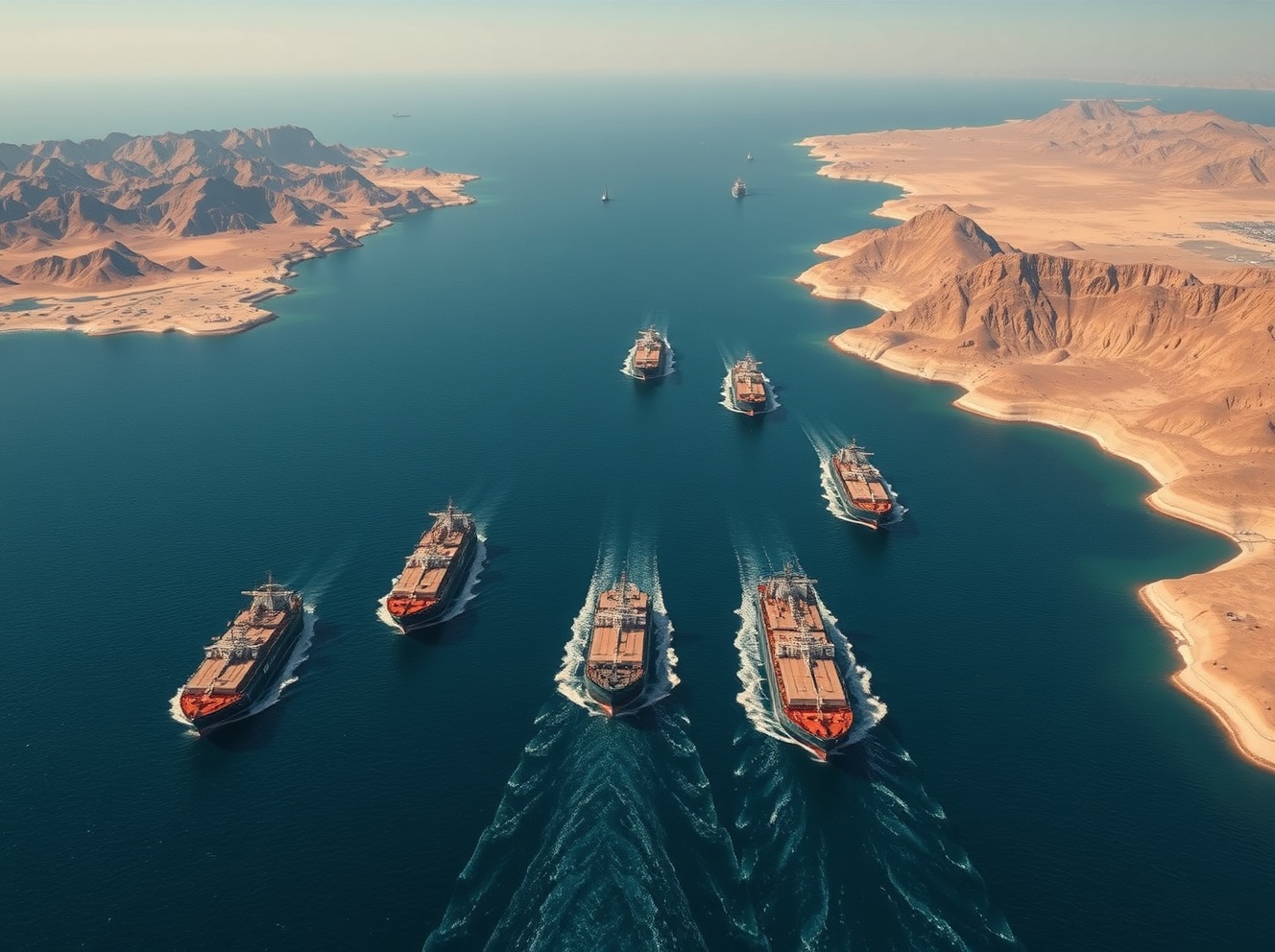
Strait of Hormuz Closure: Iran’s Mojtaba Khamenei Declares Strategic Chokepoint as Ultimate Pressure Tool
TEHRAN, Iran – January 15, 2025: Mojtaba Khamenei, influential Iranian political figure and son of Supreme Leader Ayatollah Ali Khamenei, has declared the strategic Strait of Hormuz must remain closed as a primary tool to pressure geopolitical adversaries. This statement represents a significant escalation in regional tensions and carries profound implications for global energy markets. The narrow waterway serves as the world’s most critical oil transit chokepoint, handling approximately 21 million barrels of oil daily. Consequently, this represents nearly 21% of global petroleum consumption and 30% of all seaborne traded oil.
Strait of Hormuz Closure as Geopolitical Leverage
Mojtaba Khamenei’s recent declaration builds upon decades of Iranian strategic positioning. The Islamic Revolutionary Guard Corps (IRGC) maintains substantial naval assets along the Persian Gulf coastline. Furthermore, Iran has repeatedly conducted military exercises demonstrating its capacity to disrupt shipping. Historical precedents include the 1980s Tanker War during the Iran-Iraq conflict. More recently, Tehran seized commercial vessels and allegedly attacked tankers in 2019. These actions consistently highlight the waterway’s vulnerability.
International relations experts analyze this statement within broader geopolitical contexts. Dr. Anahita Mohseni, Middle East security analyst at the Gulf Studies Institute, explains the strategic calculation. “Iran recognizes the Strait of Hormuz represents its most potent asymmetric advantage,” she states. “The global economy’s dependence on this passage gives Tehran disproportionate influence despite conventional military disadvantages.”
Military and Economic Dimensions of Closure
Actual closure would require sophisticated military operations. Iran possesses several capabilities including:
- Anti-ship missiles: Deployed along the coastline
- Naval mines: Could be rapidly deployed in narrow channels
- Fast attack craft: For harassment operations
- Submarine forces: For deterrence against naval intervention
The economic consequences would be immediate and severe. Global oil prices would spike dramatically. Energy analysts project potential increases of 50-100% within days. Additionally, shipping insurance rates would become prohibitive. Alternative routes would face severe capacity constraints. The following table illustrates key transit statistics:
| Metric | Volume | Global Share |
|---|---|---|
| Oil Transit Daily | 21 million barrels | 21% |
| LNG Transit Daily | 20% of global supply | Critical for Asia |
| Total Ship Traffic | 90+ vessels daily | N/A |
| Width at Narrowest | 21 nautical miles | Easily monitored |
Historical Context of Hormuz Tensions
The current statement follows escalating US-Iran tensions over nuclear negotiations. Sanctions have crippled Iran’s economy since 2018. Consequently, Tehran seeks leverage in ongoing diplomatic discussions. The Biden administration attempted to revive the JCPOA nuclear deal. However, negotiations stalled in 2023. Meanwhile, regional dynamics have shifted significantly. Saudi Arabia and Iran restored diplomatic relations in 2023. Nevertheless, fundamental security competition persists.
Iran’s leadership frequently references the strait during periods of heightened tension. Former President Mahmoud Ahmadinejad made similar threats in 2012. Additionally, military commanders regularly emphasize preparedness. IRGC Navy Commander Alireza Tangsiri stated in 2024, “We control the Strait of Hormuz completely.” These statements serve multiple purposes. They reassure domestic audiences of national strength. Simultaneously, they signal resolve to international opponents.
Global Energy Security Implications
Major energy consumers have developed contingency plans. The United States maintains the Fifth Fleet in Bahrain. This presence includes significant naval and air assets. Moreover, regional allies participate in coalition patrols. The International Maritime Security Construct (IMSC) formed after 2019 attacks. However, complete closure would overwhelm these defenses.
Alternative transportation routes exist but face limitations. The East-West Pipeline across Saudi Arabia carries 5 million barrels daily. Similarly, the Abu Dhabi Crude Oil Pipeline bypasses the strait. Nevertheless, these alternatives cannot compensate for complete closure. LNG transportation faces even fewer alternatives. Asian economies remain particularly vulnerable. Japan, South Korea, and China import most Middle Eastern oil through Hormuz.
Regional Power Dynamics and Strategic Calculations
Mojtaba Khamenei’s prominence adds significance to this statement. As the Supreme Leader’s son, he influences conservative political circles. However, he holds no official government position. This allows plausible deniability for the Iranian state. The statement likely reflects internal debates about strategic direction. Hardliners advocate more confrontational approaches. Conversely, pragmatists emphasize economic priorities.
Regional reactions have been measured but concerned. Gulf Cooperation Council (GCC) states issued a collective statement. They emphasized “freedom of navigation as fundamental international principle.” Meanwhile, the United States Department of Defense responded cautiously. Spokesperson Brigadier General Patrick Ryder stated, “We monitor all regional developments closely. The US remains committed to stability and freedom of navigation.”
Legal and Diplomatic Frameworks
International law provides conflicting interpretations. The United Nations Convention on the Law of the Sea (UNCLOS) guarantees transit passage. However, Iran has not ratified this convention. Instead, Tehran claims territorial waters extending further into the strait. This creates legal ambiguity during crises. Historical precedents include the 1988 US Navy engagement with Iranian forces. That conflict resulted from similar tensions over navigation rights.
Diplomatic channels remain active despite rhetorical escalation. European mediators continue shuttle diplomacy. Additionally, Oman maintains backchannel communications. These efforts seek to prevent miscalculation. The economic stakes justify extraordinary diplomatic investment. Global recession fears amplify concerns about oil market stability.
Technological and Market Adaptations
Energy markets have developed some resilience through diversification. US shale production provides substantial non-Middle Eastern supply. Similarly, renewable energy adoption reduces oil dependence gradually. However, transitional vulnerabilities persist. Global strategic petroleum reserves could buffer short-term disruptions. The International Energy Agency coordinates release mechanisms. Nevertheless, prolonged closure would exhaust these reserves within months.
Shipping technology offers limited solutions. Larger tankers cannot use alternative routes. The Strait of Malacca faces its own capacity constraints. Similarly, the Suez Canal represents another chokepoint. Therefore, the global shipping network contains multiple vulnerabilities. Insurance markets reflect these realities through premium structures.
Conclusion
Mojtaba Khamenei’s statement about Strait of Hormuz closure represents calculated geopolitical signaling rather than immediate operational intent. The declaration underscores Iran’s perception of the waterway as its ultimate strategic asset. Global energy security depends on this narrow passage’s continued openness. Consequently, international diplomacy must address underlying tensions. The economic costs of conflict would affect every national economy. Therefore, strategic patience and creative diplomacy remain essential. The Strait of Hormuz closure threat will persist as long as regional conflicts remain unresolved.
FAQs
Q1: Who is Mojtaba Khamenei and why does his statement matter?
Mojtaba Khamenei is the second son of Iran’s Supreme Leader Ayatollah Ali Khamenei. While holding no official government position, he influences conservative political circles and his statements often reflect hardline perspectives within the Iranian leadership, making them significant indicators of potential policy directions.
Q2: How realistic is complete closure of the Strait of Hormuz?
Complete permanent closure presents significant military challenges despite Iran’s capabilities. More likely scenarios involve temporary disruptions, selective harassment of shipping, or controlled escalation rather than complete, sustained blockage, which would invite substantial international military response.
Q3: What immediate effects would a Hormuz closure have on oil prices?
Energy analysts project immediate price spikes of 50-100% within days of any substantial disruption, with potentially higher increases if closure appears prolonged. The 1973 oil embargo caused prices to quadruple, and modern markets would react similarly given continued dependence.
Q4: Which countries would be most affected by Strait of Hormuz closure?
Asian economies including China, Japan, South Korea and India would face severe disruption as they import most Middle Eastern oil through Hormuz. European countries also depend significantly on Gulf oil, though they have somewhat more diversified supplies than Asian markets.
Q5: What military forces protect Strait of Hormuz shipping?
The US Fifth Fleet based in Bahrain leads coalition patrols, joined by vessels from the UK, France, and other IMSC members. Regional partners including Saudi Arabia and the UAE participate in coordinated security efforts, though complete protection against determined Iranian action remains challenging.
This post Strait of Hormuz Closure: Iran’s Mojtaba Khamenei Declares Strategic Chokepoint as Ultimate Pressure Tool first appeared on BitcoinWorld.


You May Also Like
Voters are done with 'reality TV' politicians: Analysis

$410 Million Liquidated From Crypto Market in 24 Hours as Volatility Spikes