

Democrats to Oversee DOJ Probe Into Binance, Reports Say
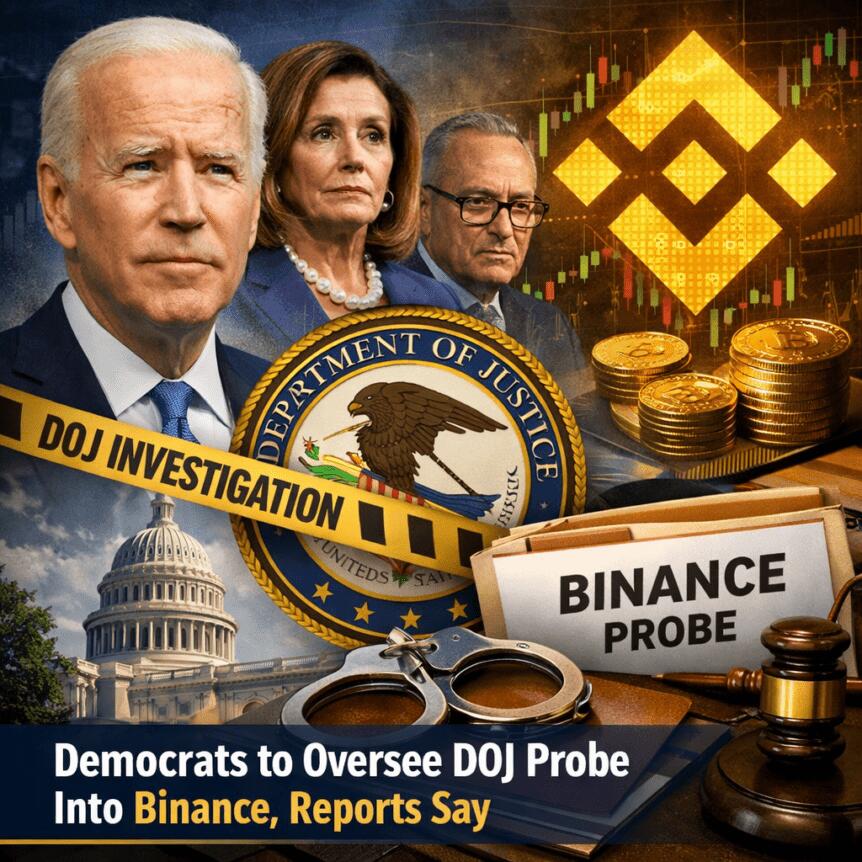
Democratic lawmakers are intensifying oversight as the Department of Justice weighs a probe into Binance’s handling of Iran-related sanctions. In a joint statement, Senators Chris Van Hollen, Elizabeth Warren and Ruben Gallego said they would oversee any DOJ inquiry to ensure the agency conducts a serious review and holds the exchange accountable for potential sanctions violations. The move follows a Wall Street Journal report that cited people familiar with the matter, indicating investigators are examining whether Iran-based entities used Binance to evade sanctions. The disclosure arrives amid broader questions about how crypto platforms enforce U.S. sanctions and how regulators scrutinize exchanges’ risk controls and compliance programs.
The WSJ report, published on a Wednesday, highlighted alleged gaps in verification and monitoring that could have allowed the movement of funds tied to sanctioned actors. In their response, the senators framed Binance as a firm with a documented tendency to place profits ahead of the law and warned that ongoing scrutiny could reveal new sanction-law breaches or reckless assistance to sanctioned networks tied to Iran.
Binance did not respond to a request for comment in this coverage window. A company spokesperson previously told Cointelegraph that the firm was “not aware of any investigations,” adding that Binance is “collaborating with regulators and law enforcement to investigate the facts.”
Last month, the legislators pressed other U.S. authorities—Treasury Secretary Janet Yellen’s successor and the U.S. Attorney General—to probe Binance over concerns about moving Iran-linked funds. The push underscores a concrete shift from high-profile rhetoric toward formal oversight and potential enforcement actions.
Key takeaways
- The Department of Justice is reportedly examining Binance for possible Iran sanctions evasion, per a Wall Street Journal report citing sources familiar with the matter.
- A bipartisan group of U.S. senators vowed to conduct oversight to ensure a serious DOJ investigation and accountability for any wrongdoing by the exchange.
- Binance has publicly stated it is not aware of investigations, while indicating it remains open to regulator and law-enforcement cooperation.
- Binance’s legal history looms over the current scrutiny, including a November 2023 settlement in which the firm pleaded guilty to AML and sanctions violations and agreed to a substantial fine and U.S. oversight.
- Associated twists include a defamation suit Binance filed against the Wall Street Journal over related reporting and past leadership actions by Changpeng Zhao, including a high-profile money-laundering case and a later pardon event.
Market context: The episode sits within a broader climate of tightening regulatory scrutiny over crypto exchanges, with sanctions enforcement and U.S. enforcement actions shaping how platforms implement compliance controls, monitor cross-border flows, and cooperate with authorities. The events also intersect with ongoing debates about how aggressively financial regulators should police crypto-related activities versus fostering innovation.
Why it matters
The unfolding developments are significant for investors, users and builders across the crypto landscape. For users, the episode reinforces the importance of robust know-your-customer and sanctions-screening processes on exchanges, especially those operating with global liquidity pools and complex counterparties. For the market, the alleged Iran-related activity intersects with sanctions enforcement risk—a factor that can influence liquidity, exchange flows and the perceived regulatory exposure of major platforms.
From a policy perspective, the bipartisan call for oversight signals a willingness in Congress to elevate sanction-compliance risk as a central governance issue for crypto businesses. Regulators’ willingness to scrutinize and potentially sanction exchanges for lax controls could accelerate investment in compliance tooling, internal controls, and audit regimes. For Binance, the situation underscores the reputational and legal headwinds that can follow high-stakes enforcement actions, even as the firm continues to court regulatory clarity and operational resilience under scrutiny.
What to watch next
- DOJ conclusions or disclosures stemming from any formal investigation into Binance’s sanctions compliance (dates pending).
- Statements or hearings from the Senate oversight group outlining findings, scope, or requested remedies related to Binance’s conduct.
- Any regulatory actions or consent orders resulting from broader sanctions-enforcement activities involving major crypto exchanges.
- Binance’s public responses or new compliance commitments in response to renewed inquiries and potential legal actions.
- Developments in related legal proceedings, including Binance’s defamation suit against the Wall Street Journal and any outcomes related to prior AML/sanctions settlements.
Sources & verification
- Joint statement by Senators Van Hollen, Warren and Gallego on DOJ investigation into Binance compliance with U.S. sanctions law.
- Wall Street Journal report detailing the DOJ’s potential probe into Iran’s use of Binance to evade sanctions.
- Binance’s public remarks to Cointelegraph about not being aware of investigations and willingness to cooperate with regulators.
- Binance’s defamation suit against the Wall Street Journal over reporting regarding Iran-sanctions-related financing.
Regulatory scrutiny and Binance’s Iran sanctions probe
Regulatory attention on Malta-based, global crypto trading platforms has intensified, and Binance’s case sits squarely at the intersection of sanctions enforcement and exchange governance. The sequence of events paints a picture of a landscape where regulators are elevating sanctions-compliance into a central risk category for platform operators. The Wall Street Journal’s reporting framed the DOJ inquiry as a potential line of inquiry into whether Binance enabled or facilitated transactions linked to Iran-linked entities in breach of U.S. sanctions regimes, including the long-standing restrictions designed to curb financing for designated groups and programs.
The senators’ response underscores the political dimension of the issue. By pledging to oversee the DOJ’s handling of the matter, they are signaling that oversight will extend beyond a single agency or incident, potentially prompting a broader review of Binance’s internal controls, transaction-monitoring capabilities, and cooperation with law enforcement. The public tension between scrutiny and corporate defense is a familiar rhythm in the crypto regulatory era: as investigations surface, exchanges lean on assurances of compliance and collaboration while lawmakers seek concrete accountability measures.
Binance’s public position has consistently emphasized cooperation with regulators and law enforcement, even as it navigates the fallout from earlier enforcement actions. The firm has faced substantial consequences in the past, including a November 2023 settlement that required a record penalty and ongoing oversight to resolve U.S. AML and sanctions concerns. The current inquiry adds another layer of uncertainty around the company’s ability to weather intensified enforcement pressures while maintaining global liquidity and user access. The defamation suit against the Wall Street Journal adds a legal counterpoint to the narrative, illustrating how market participants increasingly engage in strategic communications as investigations unfold.
Beyond Binance, the broader regulatory environment continues to evolve. The developments reflect ongoing efforts to tighten sanctions enforcement, improve compliance in cross-border crypto flows, and align exchange practices with U.S. national security objectives. For market participants, the emphasis on robust due diligence, transparent reporting, and rigorous transaction monitoring could reshape industry norms and drive investment in compliance-focused technologies and procedures. The balance between enabling legitimate crypto activity and enforcing sanctions remains delicate, with outcomes likely to influence how exchanges structure risk controls, governance, and regulatory engagement in the months ahead.
This article was originally published as Democrats to Oversee DOJ Probe Into Binance, Reports Say on Crypto Breaking News – your trusted source for crypto news, Bitcoin news, and blockchain updates.


You May Also Like

Public Companies Stacked 369,000 BTC in 12 Months, Signaling Deepening Institutional Adoption

The Chemistry of UV Resistance: How Titanium Dioxide Protects Against the California Sun




