

Strait of Hormuz Protection: White House Unveils Critical Maritime Security Coalition
BitcoinWorld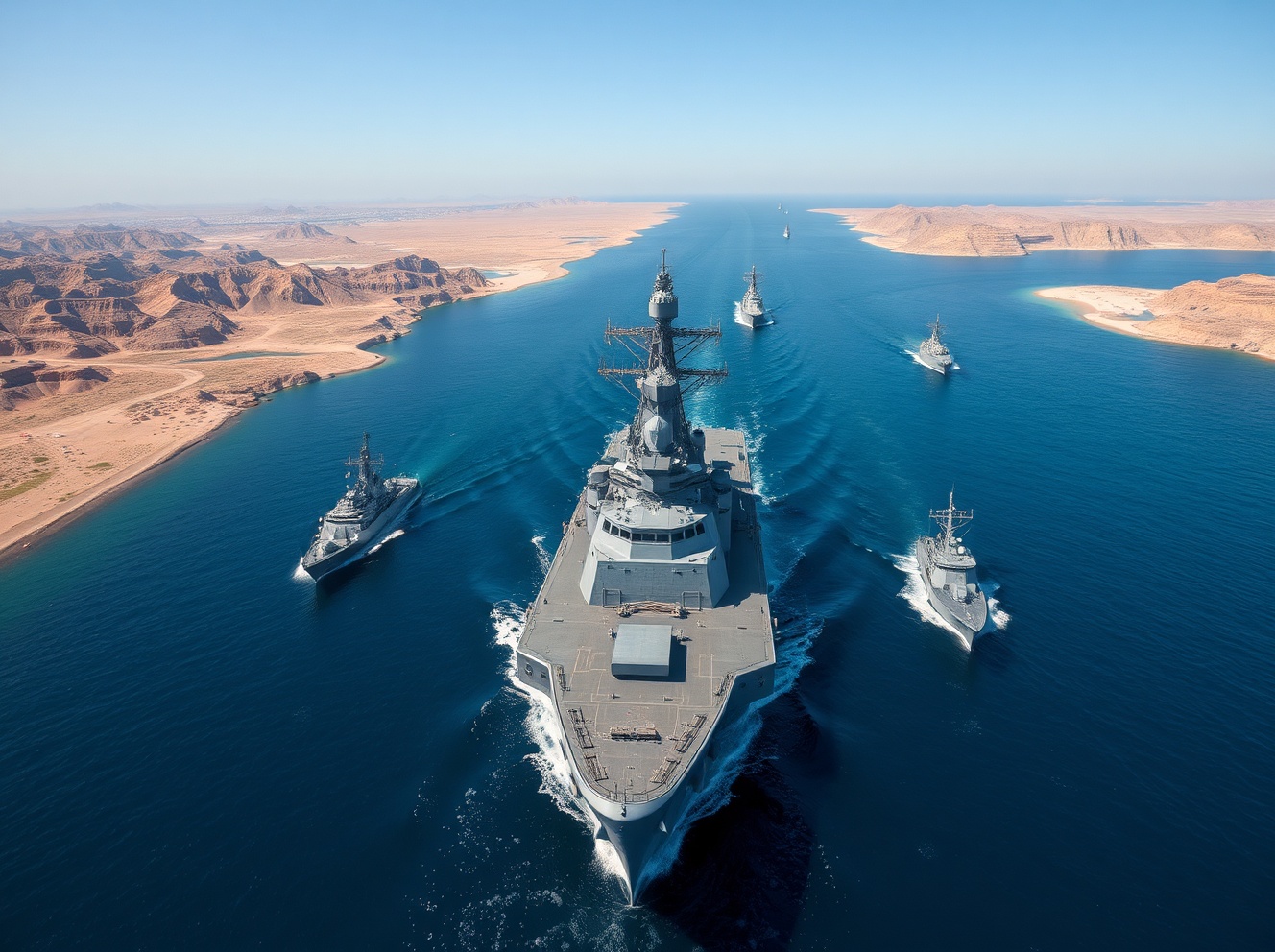
Strait of Hormuz Protection: White House Unveils Critical Maritime Security Coalition
WASHINGTON, D.C. – In a decisive move for global energy security, the White House is preparing to announce a multinational coalition specifically tasked with protecting the Strait of Hormuz, according to a report by The Wall Street Journal. This critical maritime chokepoint sees nearly one-fifth of the world’s oil supply transit its narrow waters. Consequently, the formation of this coalition represents a significant strategic response to persistent threats in the region. The initiative aims to ensure the free flow of commerce and deter potential disruptions.
The Strategic Imperative of the Strait of Hormuz
The Strait of Hormuz is arguably the world’s most important oil transit corridor. This narrow passage, only 21 nautical miles wide at its narrowest point, connects the Persian Gulf with the Gulf of Oman and the Arabian Sea. Every day, tankers carrying approximately 21 million barrels of oil pass through this waterway. This volume represents about 21% of global petroleum liquid consumption. Furthermore, over a quarter of the world’s liquefied natural gas (LNG) trade relies on this route. The strait’s geography makes shipping lanes within it unavoidable for vessels leaving key producers like Saudi Arabia, Iraq, the UAE, Kuwait, Qatar, and Iran.
Historically, the waterway has been a flashpoint for regional tensions. For instance, during the 1980s ‘Tanker War,’ both Iran and Iraq attacked commercial shipping. More recently, a series of incidents since 2019 have highlighted its vulnerability. These events include tanker seizures, suspected limpet mine attacks, and drone strikes. The U.S. Fifth Fleet, based in Bahrain, has long patrolled the area. However, the new coalition signals a more formalized and internationally shared burden for this persistent security challenge.
Anatomy of the New Security Coalition
The White House-led coalition, as reported, will operate under a framework of shared intelligence, coordinated patrols, and joint response protocols. While the full list of participating nations remains under discussion, the effort is expected to build upon existing partnerships. Key U.S. allies with naval assets in the region are likely participants. These nations potentially include the United Kingdom, France, and several Gulf Cooperation Council (GCC) states. The coalition’s mandate will focus explicitly on protecting commercial shipping. It will not be involved in broader enforcement of sanctions or other geopolitical objectives.
Expert Analysis on Coalition Dynamics
Maritime security analysts note that the success of such a coalition hinges on clear rules of engagement and political unity. “The operational challenge is not just presence, but credible deterrence,” explains Dr. Sarah Chen, a senior fellow at the Center for Maritime Strategy. “A coalition must demonstrate both the capability and the unanimous will to respond decisively to any aggression against neutral shipping. Fragmented command or ambiguous mandates could be exploited.” The table below outlines the core potential roles within the coalition structure:
| Potential Role | Primary Responsibility | Example Contributors |
|---|---|---|
| Command & Intelligence | Overall coordination, surveillance, and threat analysis | United States, United Kingdom |
| Surface Patrols | Day-to-day presence and escort operations | France, Italy, GCC Navies |
| Air Surveillance | Reconnaissance and monitoring of airspace | U.S. 5th Fleet Air Forces, partner nations |
| Logistics & Support | Fueling, maintenance, and port access | Bahrain, UAE, Oman |
Global Economic Impacts and Energy Market Stability
The announcement of this coalition carries immediate implications for global energy markets and insurance sectors. A sustained military presence dedicated to the strait’s security can reduce the perceived risk premium on oil shipments. This premium often inflates global oil prices during periods of heightened tension. Moreover, shipping insurance rates for vessels transiting the region could stabilize. The coalition’s work directly supports economic stability by safeguarding just-in-time supply chains that depend on predictable energy deliveries.
Major economies in Asia, which are the primary destinations for Hormuz oil, have a vested interest in the mission’s success. Countries like China, India, Japan, and South Korea import massive volumes via this route. Therefore, while they may not contribute militarily to a U.S.-led initiative, they are key stakeholders. Their diplomatic support and potential participation in alternative formats remain a point of observation. The coalition’s formation also underscores a broader shift. Global powers are moving toward more formalized structures to protect critical maritime infrastructure beyond traditional alliance boundaries.
Regional Reactions and Diplomatic Considerations
The coalition’s formation will undoubtedly draw varied reactions from regional powers. Iran, which borders the strait, has consistently stated it would never block the waterway. However, it also views foreign naval presence in the Gulf as a provocation. Iranian officials have previously proposed regional security dialogues that exclude extra-regional forces. The success of the U.S.-led effort may depend on tacit understandings or de-confliction channels to prevent miscalculations.
Conversely, Gulf Arab states, while historically reliant on U.S. security guarantees, have pursued more independent foreign policies recently. Their full-throated participation in the coalition is not automatic. These nations will weigh the benefits of enhanced security against potential diplomatic and economic repercussions from Iran. Ultimately, the coalition’s legitimacy and longevity may rely on its presentation as a defensive, internationally-sanctioned effort to protect a global commons, rather than an adversarial bloc.
Conclusion
The White House’s move to form a dedicated coalition for the Strait of Hormuz marks a pivotal moment in maritime security policy. It directly addresses a persistent vulnerability in the global energy supply chain with a collective defense approach. The mission’s complexity involves intricate diplomacy, military coordination, and economic stewardship. As details emerge, the world will watch to see if this coalition can provide the durable stability that this essential waterway requires. The protection of the Strait of Hormuz remains a fundamental interest for energy consumers and producers worldwide.
FAQs
Q1: Why is the Strait of Hormuz so important?
The Strait of Hormuz is a critical maritime chokepoint through which about 21% of the world’s seaborne oil trade passes daily. It is the only sea route for exports from major producers like Saudi Arabia, Iraq, and the UAE.
Q2: What will the new coalition actually do?
The coalition is expected to conduct coordinated naval patrols, share intelligence on threats, and establish joint response protocols to protect commercial shipping from attacks, seizures, or harassment in and around the strait.
Q3: Which countries are likely to join the U.S. in this coalition?
While not officially confirmed, likely participants include close U.S. allies with naval assets in the region, such as the United Kingdom and France, as well as regional partners like Bahrain and possibly other Gulf Arab states.
Q4: How does this differ from existing U.S. military presence in the region?
The U.S. Fifth Fleet already operates in the area. This coalition formalizes the mission, encourages burden-sharing, and provides a multinational framework, potentially making the patrols more sustainable and politically resilient.
Q5: How could this affect global oil prices?
A successful, visible coalition could reduce the “risk premium” on oil prices by lowering the perceived threat of supply disruption. More stable transit conditions typically lead to lower and less volatile prices.
This post Strait of Hormuz Protection: White House Unveils Critical Maritime Security Coalition first appeared on BitcoinWorld.


You May Also Like

CoreWeave (CRWV) Stock Surges 12% on $8.5B GPU-Backed Financing Deal — Here’s the Full Picture

Iran’s foreign minister targeted in assassination attempt, wife killed




