BitcoinWorld Groundbreaking DOGE ETF: Unconventional Structure Poised for Tomorrow’s Launch The cryptocurrency world is buzzing with anticipation! Whispers are circulating about a potential launch tomorrow for a DOGE ETF, and if these rumors hold true, it could mark a significant moment for the digital asset space. This isn’t just any ETF; it’s reportedly adopting an unconventional structure, setting it apart from its Bitcoin and Ether counterparts, creating a truly unique investment opportunity. What Makes This DOGE ETF So Unique? According to Bloomberg ETF analyst James Seyffart, the Rex-Osprey DOGE ETF is designed with a C-Corp structure. This is quite rare within the Exchange Traded Fund (ETF) industry, which typically favors different legal frameworks. But why opt for such an unusual setup? Unconventional Approach: Most crypto ETFs utilize grantor trust structures. A C-Corp operates more like a traditional company, offering a distinct legal and operational framework. Strategic Maneuver: Seyffart suggests this structure is a deliberate workaround. Its primary goal is to potentially secure faster approval from the U.S. Securities and Exchange Commission (SEC). Pros and Cons: While this model presents its own set of advantages and disadvantages, its use here highlights a proactive effort to navigate regulatory pathways more efficiently. This groundbreaking move could redefine how new crypto investment products are brought to market, showcasing innovation in the financial sector. Navigating the SEC: Why a C-Corp for the DOGE ETF? The SEC has historically been cautious with cryptocurrency products, especially those directly holding digital assets. The C-Corp structure, being a familiar corporate entity to the SEC, might offer a different lens for review. It could be seen as providing a more traditional regulatory wrapper around the underlying Dogecoin exposure. This strategic choice aims to streamline the approval process, potentially bypassing some of the common hurdles faced by previous crypto ETF applications. It’s a testament to the innovation driving the financialization of digital assets, seeking a smoother path to market entry. Potential Impact: What Could a DOGE ETF Mean for Dogecoin? The launch of a DOGE ETF could have several profound implications for Dogecoin and the broader crypto market. Institutional adoption is a key driver for market maturity, and an ETF provides a regulated, accessible avenue for traditional investors to participate. Consider these potential effects: Increased Accessibility: Mainstream investors can gain exposure to Dogecoin without directly holding the cryptocurrency, simplifying investment and custody concerns. Enhanced Legitimacy: SEC approval, even for an unconventional structure, lends significant credibility to Dogecoin as a legitimate asset class, fostering greater trust. Potential Price Action: Increased demand from institutional and retail investors could positively influence Dogecoin’s price, potentially leading to upward movement. Market Diversification: Offers a new option for investors looking to diversify their crypto portfolios beyond just Bitcoin and Ethereum, expanding investment horizons. This development could truly be a game-changer, pushing Dogecoin further into the mainstream financial landscape and attracting new capital. Are There Challenges and Risks for This Unconventional DOGE ETF? While the prospect of a DOGE ETF is exciting, it’s crucial to acknowledge the potential challenges and risks associated with such an unconventional structure and the volatile nature of cryptocurrencies. Some factors to consider include: Regulatory Scrutiny: Even with a C-Corp structure, the SEC’s final decision is not guaranteed and could face delays or additional requirements before launch. Tax Implications: C-Corp structures can have different tax treatments for investors compared to grantor trusts, which might need clear communication and understanding. Market Volatility: Dogecoin, like other cryptocurrencies, is subject to significant price swings. An ETF would reflect this volatility, impacting investor returns directly. Operational Complexities: Managing a C-Corp ETF with underlying crypto assets could introduce unique operational and administrative challenges that need robust solutions. Understanding these aspects is vital for any potential investor or market observer to make informed decisions. The Future of Crypto ETFs: A Precedent for Altcoins? If the Rex-Osprey DOGE ETF successfully launches with its C-Corp structure, it could set a powerful precedent for other altcoin ETFs. This innovative approach might become a blueprint for asset managers looking to bring a wider range of digital assets to traditional financial markets. This could open doors for investment products tracking other popular cryptocurrencies, further integrating the digital asset economy into global finance. It’s an exciting time for crypto enthusiasts and traditional investors alike, hinting at a more diverse investment landscape. In conclusion, the rumored launch of the Rex-Osprey DOGE ETF with its unconventional C-Corp structure represents a significant and potentially groundbreaking moment for the cryptocurrency market. This strategic move to expedite SEC approval highlights the innovative spirit within the digital asset space. While challenges remain, the potential for increased accessibility, legitimacy, and diversification for Dogecoin is immense. This development could pave the way for a new era of crypto investment products, offering traditional investors more avenues to engage with the dynamic world of digital currencies. To learn more about the latest crypto market trends, explore our article on key developments shaping Dogecoin institutional adoption. Frequently Asked Questions About the DOGE ETF What is a DOGE ETF?A DOGE ETF (Exchange Traded Fund) is an investment product that allows investors to gain exposure to the price movements of Dogecoin without directly owning the cryptocurrency. It trades on traditional stock exchanges, making it accessible to a wider range of investors. What is a C-Corp structure in an ETF?A C-Corp structure means the ETF is legally organized as a corporation, similar to a traditional company. This is unusual for ETFs, which often use grantor trust structures. It has its own tax and regulatory implications, often used strategically for specific purposes. Why is this structure considered “unconventional”?Most cryptocurrency ETFs (like spot Bitcoin ETFs) use grantor trust structures, where the fund directly holds the underlying asset. A C-Corp structure is rare in the ETF world, making the Rex-Osprey DOGE ETF‘s approach unique and strategic. How might this impact Dogecoin’s price?If approved, a DOGE ETF could significantly increase demand for Dogecoin by opening it up to institutional and traditional retail investors. This increased demand could potentially lead to a positive impact on Dogecoin’s market price. What are the main risks for investors in this DOGE ETF?Key risks include the inherent volatility of Dogecoin, potential regulatory changes, and specific tax implications associated with the C-Corp structure. Investors should also consider the general risks of investing in any ETF. Could this pave the way for other altcoin ETFs?Yes, if this unconventional DOGE ETF successfully navigates the SEC approval process, it could establish a precedent. This might encourage other asset managers to explore similar C-Corp structures for ETFs tracking other altcoins, expanding the range of crypto investment products. The potential launch of a groundbreaking DOGE ETF is a story that impacts every corner of the crypto world. Don’t keep this exciting news to yourself! Share this article with your friends, family, and fellow crypto enthusiasts on social media to spark a conversation about the future of digital asset investing. Your insights and discussions help drive the crypto community forward! This post Groundbreaking DOGE ETF: Unconventional Structure Poised for Tomorrow’s Launch first appeared on BitcoinWorld and is written by Editorial TeamBitcoinWorld Groundbreaking DOGE ETF: Unconventional Structure Poised for Tomorrow’s Launch The cryptocurrency world is buzzing with anticipation! Whispers are circulating about a potential launch tomorrow for a DOGE ETF, and if these rumors hold true, it could mark a significant moment for the digital asset space. This isn’t just any ETF; it’s reportedly adopting an unconventional structure, setting it apart from its Bitcoin and Ether counterparts, creating a truly unique investment opportunity. What Makes This DOGE ETF So Unique? According to Bloomberg ETF analyst James Seyffart, the Rex-Osprey DOGE ETF is designed with a C-Corp structure. This is quite rare within the Exchange Traded Fund (ETF) industry, which typically favors different legal frameworks. But why opt for such an unusual setup? Unconventional Approach: Most crypto ETFs utilize grantor trust structures. A C-Corp operates more like a traditional company, offering a distinct legal and operational framework. Strategic Maneuver: Seyffart suggests this structure is a deliberate workaround. Its primary goal is to potentially secure faster approval from the U.S. Securities and Exchange Commission (SEC). Pros and Cons: While this model presents its own set of advantages and disadvantages, its use here highlights a proactive effort to navigate regulatory pathways more efficiently. This groundbreaking move could redefine how new crypto investment products are brought to market, showcasing innovation in the financial sector. Navigating the SEC: Why a C-Corp for the DOGE ETF? The SEC has historically been cautious with cryptocurrency products, especially those directly holding digital assets. The C-Corp structure, being a familiar corporate entity to the SEC, might offer a different lens for review. It could be seen as providing a more traditional regulatory wrapper around the underlying Dogecoin exposure. This strategic choice aims to streamline the approval process, potentially bypassing some of the common hurdles faced by previous crypto ETF applications. It’s a testament to the innovation driving the financialization of digital assets, seeking a smoother path to market entry. Potential Impact: What Could a DOGE ETF Mean for Dogecoin? The launch of a DOGE ETF could have several profound implications for Dogecoin and the broader crypto market. Institutional adoption is a key driver for market maturity, and an ETF provides a regulated, accessible avenue for traditional investors to participate. Consider these potential effects: Increased Accessibility: Mainstream investors can gain exposure to Dogecoin without directly holding the cryptocurrency, simplifying investment and custody concerns. Enhanced Legitimacy: SEC approval, even for an unconventional structure, lends significant credibility to Dogecoin as a legitimate asset class, fostering greater trust. Potential Price Action: Increased demand from institutional and retail investors could positively influence Dogecoin’s price, potentially leading to upward movement. Market Diversification: Offers a new option for investors looking to diversify their crypto portfolios beyond just Bitcoin and Ethereum, expanding investment horizons. This development could truly be a game-changer, pushing Dogecoin further into the mainstream financial landscape and attracting new capital. Are There Challenges and Risks for This Unconventional DOGE ETF? While the prospect of a DOGE ETF is exciting, it’s crucial to acknowledge the potential challenges and risks associated with such an unconventional structure and the volatile nature of cryptocurrencies. Some factors to consider include: Regulatory Scrutiny: Even with a C-Corp structure, the SEC’s final decision is not guaranteed and could face delays or additional requirements before launch. Tax Implications: C-Corp structures can have different tax treatments for investors compared to grantor trusts, which might need clear communication and understanding. Market Volatility: Dogecoin, like other cryptocurrencies, is subject to significant price swings. An ETF would reflect this volatility, impacting investor returns directly. Operational Complexities: Managing a C-Corp ETF with underlying crypto assets could introduce unique operational and administrative challenges that need robust solutions. Understanding these aspects is vital for any potential investor or market observer to make informed decisions. The Future of Crypto ETFs: A Precedent for Altcoins? If the Rex-Osprey DOGE ETF successfully launches with its C-Corp structure, it could set a powerful precedent for other altcoin ETFs. This innovative approach might become a blueprint for asset managers looking to bring a wider range of digital assets to traditional financial markets. This could open doors for investment products tracking other popular cryptocurrencies, further integrating the digital asset economy into global finance. It’s an exciting time for crypto enthusiasts and traditional investors alike, hinting at a more diverse investment landscape. In conclusion, the rumored launch of the Rex-Osprey DOGE ETF with its unconventional C-Corp structure represents a significant and potentially groundbreaking moment for the cryptocurrency market. This strategic move to expedite SEC approval highlights the innovative spirit within the digital asset space. While challenges remain, the potential for increased accessibility, legitimacy, and diversification for Dogecoin is immense. This development could pave the way for a new era of crypto investment products, offering traditional investors more avenues to engage with the dynamic world of digital currencies. To learn more about the latest crypto market trends, explore our article on key developments shaping Dogecoin institutional adoption. Frequently Asked Questions About the DOGE ETF What is a DOGE ETF?A DOGE ETF (Exchange Traded Fund) is an investment product that allows investors to gain exposure to the price movements of Dogecoin without directly owning the cryptocurrency. It trades on traditional stock exchanges, making it accessible to a wider range of investors. What is a C-Corp structure in an ETF?A C-Corp structure means the ETF is legally organized as a corporation, similar to a traditional company. This is unusual for ETFs, which often use grantor trust structures. It has its own tax and regulatory implications, often used strategically for specific purposes. Why is this structure considered “unconventional”?Most cryptocurrency ETFs (like spot Bitcoin ETFs) use grantor trust structures, where the fund directly holds the underlying asset. A C-Corp structure is rare in the ETF world, making the Rex-Osprey DOGE ETF‘s approach unique and strategic. How might this impact Dogecoin’s price?If approved, a DOGE ETF could significantly increase demand for Dogecoin by opening it up to institutional and traditional retail investors. This increased demand could potentially lead to a positive impact on Dogecoin’s market price. What are the main risks for investors in this DOGE ETF?Key risks include the inherent volatility of Dogecoin, potential regulatory changes, and specific tax implications associated with the C-Corp structure. Investors should also consider the general risks of investing in any ETF. Could this pave the way for other altcoin ETFs?Yes, if this unconventional DOGE ETF successfully navigates the SEC approval process, it could establish a precedent. This might encourage other asset managers to explore similar C-Corp structures for ETFs tracking other altcoins, expanding the range of crypto investment products. The potential launch of a groundbreaking DOGE ETF is a story that impacts every corner of the crypto world. Don’t keep this exciting news to yourself! Share this article with your friends, family, and fellow crypto enthusiasts on social media to spark a conversation about the future of digital asset investing. Your insights and discussions help drive the crypto community forward! This post Groundbreaking DOGE ETF: Unconventional Structure Poised for Tomorrow’s Launch first appeared on BitcoinWorld and is written by Editorial Team

Groundbreaking DOGE ETF: Unconventional Structure Poised for Tomorrow’s Launch

BitcoinWorld
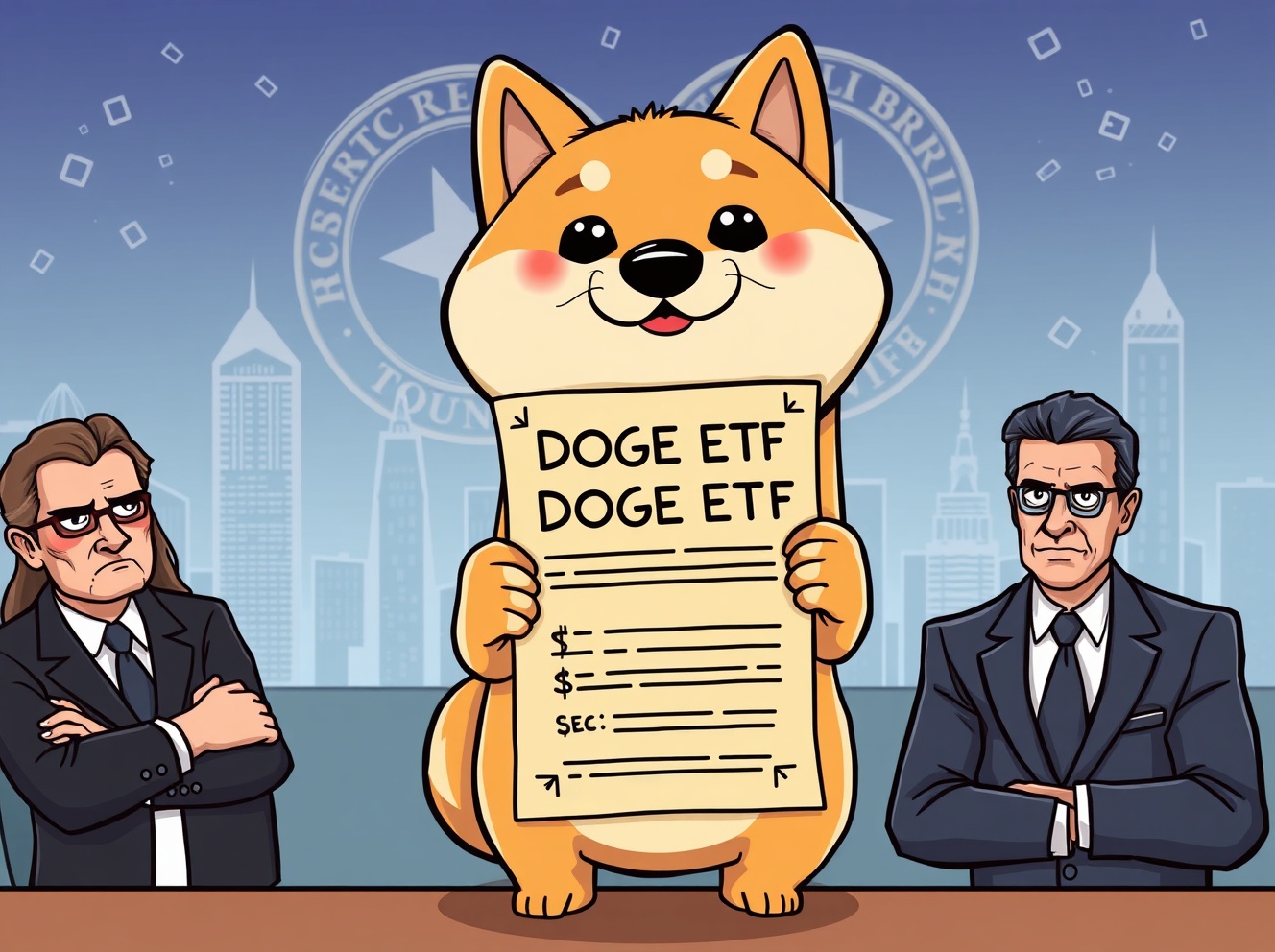
Groundbreaking DOGE ETF: Unconventional Structure Poised for Tomorrow’s Launch

The cryptocurrency world is buzzing with anticipation! Whispers are circulating about a potential launch tomorrow for a DOGE ETF, and if these rumors hold true, it could mark a significant moment for the digital asset space. This isn’t just any ETF; it’s reportedly adopting an unconventional structure, setting it apart from its Bitcoin and Ether counterparts, creating a truly unique investment opportunity.

What Makes This DOGE ETF So Unique?

According to Bloomberg ETF analyst James Seyffart, the Rex-Osprey DOGE ETF is designed with a C-Corp structure. This is quite rare within the Exchange Traded Fund (ETF) industry, which typically favors different legal frameworks. But why opt for such an unusual setup?

  • Unconventional Approach: Most crypto ETFs utilize grantor trust structures. A C-Corp operates more like a traditional company, offering a distinct legal and operational framework.
  • Strategic Maneuver: Seyffart suggests this structure is a deliberate workaround. Its primary goal is to potentially secure faster approval from the U.S. Securities and Exchange Commission (SEC).
  • Pros and Cons: While this model presents its own set of advantages and disadvantages, its use here highlights a proactive effort to navigate regulatory pathways more efficiently.

This groundbreaking move could redefine how new crypto investment products are brought to market, showcasing innovation in the financial sector.

The SEC has historically been cautious with cryptocurrency products, especially those directly holding digital assets. The C-Corp structure, being a familiar corporate entity to the SEC, might offer a different lens for review. It could be seen as providing a more traditional regulatory wrapper around the underlying Dogecoin exposure.

This strategic choice aims to streamline the approval process, potentially bypassing some of the common hurdles faced by previous crypto ETF applications. It’s a testament to the innovation driving the financialization of digital assets, seeking a smoother path to market entry.

Potential Impact: What Could a DOGE ETF Mean for Dogecoin?

The launch of a DOGE ETF could have several profound implications for Dogecoin and the broader crypto market. Institutional adoption is a key driver for market maturity, and an ETF provides a regulated, accessible avenue for traditional investors to participate.

Consider these potential effects:

  • Increased Accessibility: Mainstream investors can gain exposure to Dogecoin without directly holding the cryptocurrency, simplifying investment and custody concerns.
  • Enhanced Legitimacy: SEC approval, even for an unconventional structure, lends significant credibility to Dogecoin as a legitimate asset class, fostering greater trust.
  • Potential Price Action: Increased demand from institutional and retail investors could positively influence Dogecoin’s price, potentially leading to upward movement.
  • Market Diversification: Offers a new option for investors looking to diversify their crypto portfolios beyond just Bitcoin and Ethereum, expanding investment horizons.

This development could truly be a game-changer, pushing Dogecoin further into the mainstream financial landscape and attracting new capital.

Are There Challenges and Risks for This Unconventional DOGE ETF?

While the prospect of a DOGE ETF is exciting, it’s crucial to acknowledge the potential challenges and risks associated with such an unconventional structure and the volatile nature of cryptocurrencies.

Some factors to consider include:

  • Regulatory Scrutiny: Even with a C-Corp structure, the SEC’s final decision is not guaranteed and could face delays or additional requirements before launch.
  • Tax Implications: C-Corp structures can have different tax treatments for investors compared to grantor trusts, which might need clear communication and understanding.
  • Market Volatility: Dogecoin, like other cryptocurrencies, is subject to significant price swings. An ETF would reflect this volatility, impacting investor returns directly.
  • Operational Complexities: Managing a C-Corp ETF with underlying crypto assets could introduce unique operational and administrative challenges that need robust solutions.

Understanding these aspects is vital for any potential investor or market observer to make informed decisions.

The Future of Crypto ETFs: A Precedent for Altcoins?

If the Rex-Osprey DOGE ETF successfully launches with its C-Corp structure, it could set a powerful precedent for other altcoin ETFs. This innovative approach might become a blueprint for asset managers looking to bring a wider range of digital assets to traditional financial markets.

This could open doors for investment products tracking other popular cryptocurrencies, further integrating the digital asset economy into global finance. It’s an exciting time for crypto enthusiasts and traditional investors alike, hinting at a more diverse investment landscape.

In conclusion, the rumored launch of the Rex-Osprey DOGE ETF with its unconventional C-Corp structure represents a significant and potentially groundbreaking moment for the cryptocurrency market. This strategic move to expedite SEC approval highlights the innovative spirit within the digital asset space. While challenges remain, the potential for increased accessibility, legitimacy, and diversification for Dogecoin is immense. This development could pave the way for a new era of crypto investment products, offering traditional investors more avenues to engage with the dynamic world of digital currencies.

To learn more about the latest crypto market trends, explore our article on key developments shaping Dogecoin institutional adoption.

Frequently Asked Questions About the DOGE ETF

  • What is a DOGE ETF?
    A DOGE ETF (Exchange Traded Fund) is an investment product that allows investors to gain exposure to the price movements of Dogecoin without directly owning the cryptocurrency. It trades on traditional stock exchanges, making it accessible to a wider range of investors.
  • What is a C-Corp structure in an ETF?
    A C-Corp structure means the ETF is legally organized as a corporation, similar to a traditional company. This is unusual for ETFs, which often use grantor trust structures. It has its own tax and regulatory implications, often used strategically for specific purposes.
  • Why is this structure considered “unconventional”?
    Most cryptocurrency ETFs (like spot Bitcoin ETFs) use grantor trust structures, where the fund directly holds the underlying asset. A C-Corp structure is rare in the ETF world, making the Rex-Osprey DOGE ETF‘s approach unique and strategic.
  • How might this impact Dogecoin’s price?
    If approved, a DOGE ETF could significantly increase demand for Dogecoin by opening it up to institutional and traditional retail investors. This increased demand could potentially lead to a positive impact on Dogecoin’s market price.
  • What are the main risks for investors in this DOGE ETF?
    Key risks include the inherent volatility of Dogecoin, potential regulatory changes, and specific tax implications associated with the C-Corp structure. Investors should also consider the general risks of investing in any ETF.
  • Could this pave the way for other altcoin ETFs?
    Yes, if this unconventional DOGE ETF successfully navigates the SEC approval process, it could establish a precedent. This might encourage other asset managers to explore similar C-Corp structures for ETFs tracking other altcoins, expanding the range of crypto investment products.

The potential launch of a groundbreaking DOGE ETF is a story that impacts every corner of the crypto world. Don’t keep this exciting news to yourself! Share this article with your friends, family, and fellow crypto enthusiasts on social media to spark a conversation about the future of digital asset investing. Your insights and discussions help drive the crypto community forward!

This post Groundbreaking DOGE ETF: Unconventional Structure Poised for Tomorrow’s Launch first appeared on BitcoinWorld and is written by Editorial Team

Market Opportunity
Chainbase Logo
Chainbase Price(C)
$0.07962
$0.07962$0.07962
-0.33%
USD
Chainbase (C) Live Price Chart
Disclaimer: The articles reposted on this site are sourced from public platforms and are provided for informational purposes only. They do not necessarily reflect the views of MEXC. All rights remain with the original authors. If you believe any content infringes on third-party rights, please contact [email protected] for removal. MEXC makes no guarantees regarding the accuracy, completeness, or timeliness of the content and is not responsible for any actions taken based on the information provided. The content does not constitute financial, legal, or other professional advice, nor should it be considered a recommendation or endorsement by MEXC.

You May Also Like

Google's AP2 protocol has been released. Does encrypted AI still have a chance?

Google's AP2 protocol has been released. Does encrypted AI still have a chance?

Following the MCP and A2A protocols, the AI Agent market has seen another blockbuster arrival: the Agent Payments Protocol (AP2), developed by Google. This will clearly further enhance AI Agents' autonomous multi-tasking capabilities, but the unfortunate reality is that it has little to do with web3AI. Let's take a closer look: What problem does AP2 solve? Simply put, the MCP protocol is like a universal hook, enabling AI agents to connect to various external tools and data sources; A2A is a team collaboration communication protocol that allows multiple AI agents to cooperate with each other to complete complex tasks; AP2 completes the last piece of the puzzle - payment capability. In other words, MCP opens up connectivity, A2A promotes collaboration efficiency, and AP2 achieves value exchange. The arrival of AP2 truly injects "soul" into the autonomous collaboration and task execution of Multi-Agents. Imagine AI Agents connecting Qunar, Meituan, and Didi to complete the booking of flights, hotels, and car rentals, but then getting stuck at the point of "self-payment." What's the point of all that multitasking? So, remember this: AP2 is an extension of MCP+A2A, solving the last mile problem of AI Agent automated execution. What are the technical highlights of AP2? The core innovation of AP2 is the Mandates mechanism, which is divided into real-time authorization mode and delegated authorization mode. Real-time authorization is easy to understand. The AI Agent finds the product and shows it to you. The operation can only be performed after the user signs. Delegated authorization requires the user to set rules in advance, such as only buying the iPhone 17 when the price drops to 5,000. The AI Agent monitors the trigger conditions and executes automatically. The implementation logic is cryptographically signed using Verifiable Credentials (VCs). Users can set complex commission conditions, including price ranges, time limits, and payment method priorities, forming a tamper-proof digital contract. Once signed, the AI Agent executes according to the conditions, with VCs ensuring auditability and security at every step. Of particular note is the "A2A x402" extension, a technical component developed by Google specifically for crypto payments, developed in collaboration with Coinbase and the Ethereum Foundation. This extension enables AI Agents to seamlessly process stablecoins, ETH, and other blockchain assets, supporting native payment scenarios within the Web3 ecosystem. What kind of imagination space can AP2 bring? After analyzing the technical principles, do you think that's it? Yes, in fact, the AP2 is boring when it is disassembled alone. Its real charm lies in connecting and opening up the "MCP+A2A+AP2" technology stack, completely opening up the complete link of AI Agent's autonomous analysis+execution+payment. From now on, AI Agents can open up many application scenarios. For example, AI Agents for stock investment and financial management can help us monitor the market 24/7 and conduct independent transactions. Enterprise procurement AI Agents can automatically replenish and renew without human intervention. AP2's complementary payment capabilities will further expand the penetration of the Agent-to-Agent economy into more scenarios. Google obviously understands that after the technical framework is established, the ecological implementation must be relied upon, so it has brought in more than 60 partners to develop it, almost covering the entire payment and business ecosystem. Interestingly, it also involves major Crypto players such as Ethereum, Coinbase, MetaMask, and Sui. Combined with the current trend of currency and stock integration, the imagination space has been doubled. Is web3 AI really dead? Not entirely. Google's AP2 looks complete, but it only achieves technical compatibility with Crypto payments. It can only be regarded as an extension of the traditional authorization framework and belongs to the category of automated execution. There is a "paradigm" difference between it and the autonomous asset management pursued by pure Crypto native solutions. The Crypto-native solutions under exploration are taking the "decentralized custody + on-chain verification" route, including AI Agent autonomous asset management, AI Agent autonomous transactions (DeFAI), AI Agent digital identity and on-chain reputation system (ERC-8004...), AI Agent on-chain governance DAO framework, AI Agent NPC and digital avatars, and many other interesting and fun directions. Ultimately, once users get used to AI Agent payments in traditional fields, their acceptance of AI Agents autonomously owning digital assets will also increase. And for those scenarios that AP2 cannot reach, such as anonymous transactions, censorship-resistant payments, and decentralized asset management, there will always be a time for crypto-native solutions to show their strength? The two are more likely to be complementary rather than competitive, but to be honest, the key technological advancements behind AI Agents currently all come from web2AI, and web3AI still needs to keep up the good work!
Share
PANews2025/09/18 07:00
GitHub Copilot Gets Smarter With Context Engineering Techniques

GitHub Copilot Gets Smarter With Context Engineering Techniques

The post GitHub Copilot Gets Smarter With Context Engineering Techniques appeared on BitcoinEthereumNews.com. Peter Zhang Jan 12, 2026 23:03 GitHub reveals
Share
BitcoinEthereumNews2026/01/13 09:29
GBP trades firmly against US Dollar

GBP trades firmly against US Dollar

The post GBP trades firmly against US Dollar appeared on BitcoinEthereumNews.com. Pound Sterling trades firmly against US Dollar ahead of Fed’s policy outcome The Pound Sterling (GBP) clings to Tuesday’s gains near 1.3640 against the US Dollar (USD) during the European trading session on Wednesday. The GBP/USD pair holds onto gains as the US Dollar remains on the back foot amid firm expectations that the Federal Reserve (Fed) will cut interest rates in the monetary policy announcement at 18:00 GMT. At the time of writing, the US Dollar Index (DXY), which tracks the Greenback’s value against six major currencies, holds onto losses near a fresh two-month low of 96.60 posted on Tuesday. Read more… UK inflation unchanged at 3.8%, Pound shrugs The British pound is unchanged on Wednesday, trading at 1.3645 in the European session. Today’s inflation report was a dour reminder that UK inflation remains entrenched. CPI for August was unchanged at 3.8% y/y, matching the consensus and its highest level since January 2024. Airfares decreased but this was offset by food and petrol prices. Monthly, CPI rose 0.3%, up from 0.1% in July and matching the consensus. Core CPI, which excludes volatile items such as food and energy, eased to 3.6% from 3.8%. Monthly, core CPI ticked up to 0.3% from 0.2%. The inflation report comes just a day before the Bank of England announces its rate decision. Inflation is almost double the BoE’s target of 2% and today’s release likely means that the BoE will not reduce rates before 2026. Read more… Source: https://www.fxstreet.com/news/pound-sterling-price-news-and-forecast-gbp-trades-firmly-against-us-dollar-ahead-of-feds-policy-outcome-202509171209
Share
BitcoinEthereumNews2025/09/18 01:50