Israel Vows Retaliation: Critical Analysis of Iran’s Attacks on US Embassy in Iraq
BitcoinWorld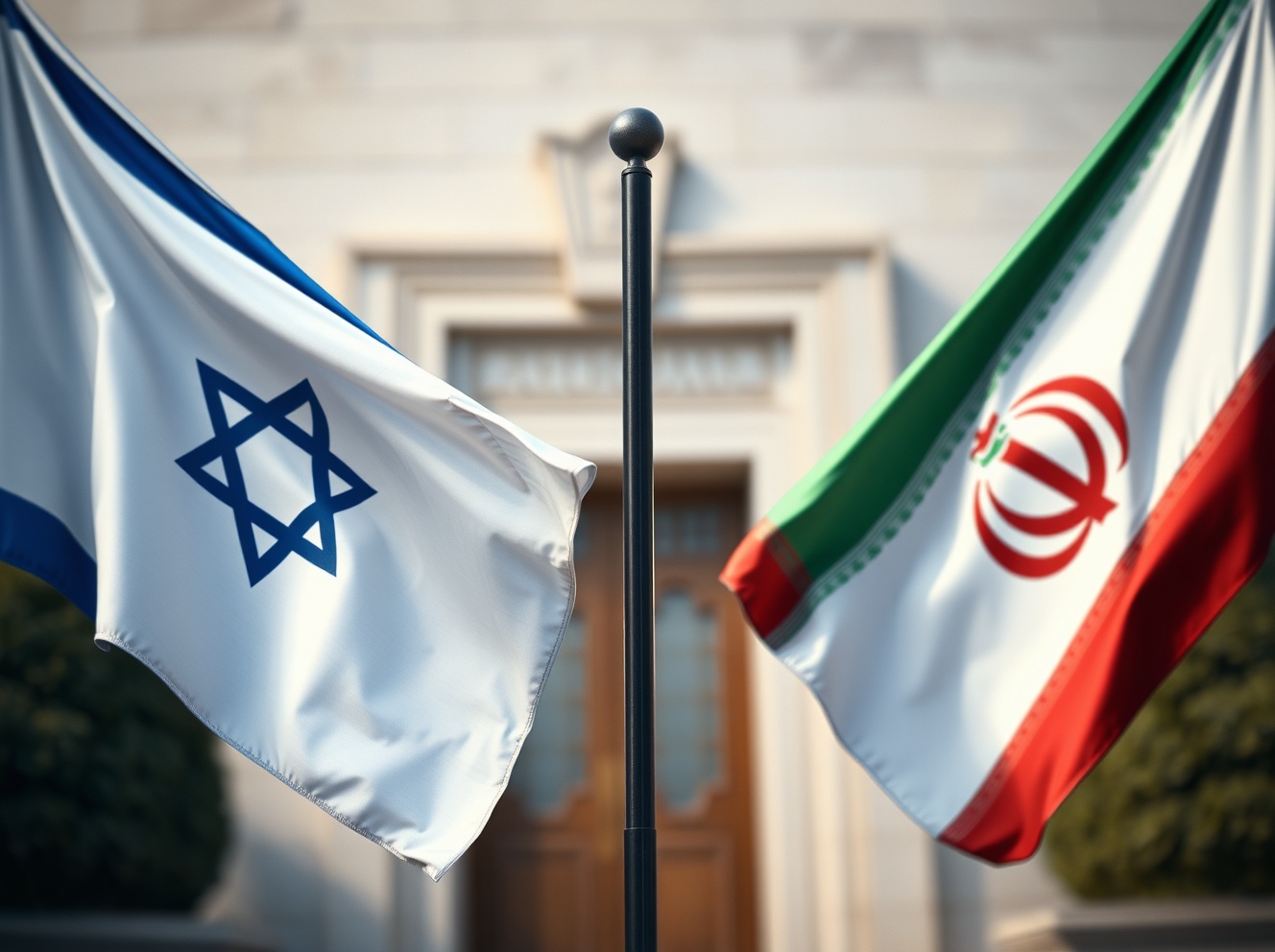
Israel Vows Retaliation: Critical Analysis of Iran’s Attacks on US Embassy in Iraq
In a significant escalation of regional tensions, Israel has publicly vowed retaliation against Iran following attacks targeting the United States embassy in Iraq, marking a dangerous new phase in Middle Eastern geopolitics that threatens to destabilize an already volatile security landscape. This development, confirmed by multiple government sources in Jerusalem and Washington, represents a direct challenge to regional stability protocols and could trigger broader conflict across multiple fronts. The situation demands careful examination of historical context, current military postures, and potential diplomatic pathways forward.
Israel’s Retaliation Vow Against Iran Attacks
The Israeli government issued its retaliation warning through official channels following what security analysts describe as a coordinated series of attacks against American diplomatic facilities in Iraq. According to verified reports from regional security monitors, these incidents involved multiple projectile launches targeting the heavily fortified U.S. embassy compound in Baghdad’s Green Zone. While initial damage assessments remain classified, the symbolic significance of attacking American diplomatic territory while provoking Israeli response creates a complex triangular confrontation.
Regional security experts note this represents a strategic escalation in Iran’s proxy warfare tactics. Historically, Iranian-backed militias have operated with calculated ambiguity regarding direct responsibility. However, recent intelligence assessments suggest a shift toward more overt operations designed to test international response thresholds. The Israeli declaration of intended retaliation breaks from previous patterns of covert response, signaling a potential shift toward more public accountability measures.
Military and Intelligence Assessment
Defense analysts highlight several critical factors in this evolving situation. First, the geographic positioning creates operational challenges. Israel would need to project power across multiple sovereign territories to reach Iranian assets, complicating any direct military response. Second, the timing coincides with ongoing nuclear negotiations, suggesting possible linkage between diplomatic and military pressure campaigns. Third, regional allies including Saudi Arabia and the United Arab Emirates maintain complex relationships with both parties, creating diplomatic cross-pressures.
The table below outlines key recent incidents in the escalation timeline:
| Date | Incident | Location | Attribution |
|---|---|---|---|
| Early March 2025 | Rocket attack near embassy perimeter | Baghdad Green Zone | Iran-backed militia |
| Mid-March 2025 | Drone interception over embassy | Baghdad International Zone | Unclaimed but Iranian design |
| Late March 2025 | Multiple rocket barrage | US Embassy compound | Kataib Hezbollah claim |
Regional Security Implications and Responses
The United States maintains approximately 2,500 troops in Iraq primarily in advisory capacities, but recent attacks have prompted enhanced defensive postures. Pentagon officials confirm the deployment of additional air defense systems around diplomatic facilities following the latest incidents. Meanwhile, regional partners including Jordan and Kuwait have increased border security measures anticipating potential spillover effects from any Israeli-Iranian confrontation.
Several critical implications emerge from this escalation:
- Diplomatic Channels Strained: Backchannel communications between Israeli and Iranian officials have reportedly ceased entirely
- Energy Market Volatility: Oil prices have shown increased sensitivity to regional tensions
- Alliance Dynamics: Gulf Cooperation Council members face difficult balancing acts between security partnerships
- Humanitarian Concerns: Civilian populations in conflict zones face heightened risks
International responses have followed predictable patterns with key variations. The United Nations Security Council convened an emergency session but produced no consensus statement due to veto-wielding members’ divergent positions. European Union foreign policy chiefs issued calls for restraint while announcing enhanced diplomatic engagement with all parties. Regional organizations including the Arab League expressed concern about broader conflict while carefully avoiding direct blame assignment.
Historical Context and Pattern Analysis
This confrontation follows established patterns in Israeli-Iranian shadow conflict while introducing new escalation risks. Since 2018, there have been at least 17 confirmed Israeli strikes against Iranian targets in Syria according to conflict monitoring groups. Iran has responded through proxy forces while avoiding direct military engagement. The current situation differs significantly because attacks target American rather than Israeli assets, yet provoke Israeli retaliation vows, creating a triangular dynamic with different escalation calculations.
Security analysts identify three possible Israeli response scenarios based on historical precedents:
- Covert Operations: Cyber attacks or targeted strikes against Iranian military infrastructure
- Proxy Engagement: Support for opposition groups within Iran or against Iranian proxies
- Diplomatic Pressure: International campaigns to isolate Iran economically and politically
Economic and Global Market Impacts
Financial markets have responded cautiously to the escalating tensions. Brent crude futures initially rose 3.2% following Israel’s retaliation announcement before settling at more moderate increases. Regional stock markets including Tel Aviv and Dubai showed modest declines while safe-haven assets like gold and U.S. Treasury securities experienced increased demand. Shipping insurance premiums for vessels transiting the Strait of Hormuz have increased approximately 15% according to maritime industry sources.
The global economic implications extend beyond immediate market reactions. Approximately 20% of world oil production transits through Persian Gulf waterways that could be disrupted by broader conflict. Major trade routes connecting Asia to Europe via the Suez Canal face potential interruption. International businesses with regional operations have activated contingency plans while monitoring developments closely. Multinational corporations particularly in energy, shipping, and defense sectors face complex risk management decisions.
Expert Analysis and Strategic Forecasting
Former diplomatic and military officials offer varied assessments of likely outcomes. Some emphasize historical patterns suggesting controlled escalation rather than full-scale conflict. Others point to changing regional dynamics including normalization agreements between Israel and Arab states as potentially altering traditional response calculations. All experts agree the situation requires careful management to prevent miscalculation that could trigger unintended broader conflict.
Key variables influencing future developments include:
- United States diplomatic engagement intensity and direction
- Internal Iranian political dynamics ahead of scheduled elections
- Israeli domestic political considerations and coalition stability
- Russian and Chinese positioning regarding regional security
- European capacity for mediation and confidence-building measures
Conclusion
Israel’s vow of retaliation against Iran for attacks on the U.S. embassy in Iraq represents a significant escalation in Middle Eastern tensions with potential global implications. The situation combines longstanding regional rivalries with new strategic dynamics including changing alliance structures and evolving military capabilities. While diplomatic channels remain theoretically open, the public nature of threats and responses reduces flexibility for behind-the-scenes de-escalation. Regional stability now depends on careful crisis management by all parties, supported by international partners committed to preventing broader conflict. The coming weeks will test whether existing conflict containment mechanisms can withstand these heightened pressures or whether new approaches to regional security architecture become necessary.
FAQs
Q1: What specifically triggered Israel’s retaliation vow against Iran?
The immediate trigger was a series of attacks against the United States embassy compound in Baghdad’s Green Zone that regional intelligence agencies attribute to Iranian-backed militia groups. Israel views these attacks as part of broader Iranian aggression requiring direct response.
Q2: How might Israel practically retaliate against Iran given the geographical distance?
Military analysts suggest several possible methods including cyber operations against Iranian infrastructure, covert actions by intelligence services, strikes against Iranian assets in neighboring countries like Syria, or support for opposition groups within Iran. Direct military confrontation remains less likely due to logistical challenges.
Q3: What is the United States’ position regarding Israel’s retaliation plans?
Official U.S. statements emphasize the right to self-defense while urging restraint and diplomatic solutions. Behind closed doors, American officials are reportedly engaged in intensive consultations with Israeli counterparts to coordinate responses and prevent uncontrolled escalation.
Q4: How are other Middle Eastern countries responding to this escalation?
Regional responses vary significantly. Gulf Arab states publicly call for de-escalation while privately expressing concern about Iranian expansionism. Turkey has offered mediation services. Jordan and Egypt emphasize border security and conflict containment. Most regional governments prefer diplomatic solutions to military confrontation.
Q5: What historical precedents exist for this type of escalation between Israel and Iran?
The closest historical parallel is the 2018-2020 period when Israel conducted numerous strikes against Iranian targets in Syria following similar proxy attacks. However, the current situation differs because attacks target American rather than Israeli assets directly, creating a more complex triangular dynamic with different escalation risks and response calculations.
This post Israel Vows Retaliation: Critical Analysis of Iran’s Attacks on US Embassy in Iraq first appeared on BitcoinWorld.


You May Also Like

Tiger Woods won’t captain 2027 Ryder Cup team, golf future remains uncertain

Upbit To Temporarily Halt ATOM Deposits And Withdrawals For Cosmos Network Upgrade