

Coinbase Seed Phrase Request Sparks Outrage: Security Experts Warn of Critical Vulnerability
BitcoinWorld
Coinbase Seed Phrase Request Sparks Outrage: Security Experts Warn of Critical Vulnerability
San Francisco, March 2025 – Coinbase, one of the world’s largest cryptocurrency exchanges, now faces mounting criticism following reports that its platform asked users to directly input their seed phrases. This security practice, widely condemned by blockchain experts, represents a fundamental breach of cryptocurrency safety protocols. The incident occurred during the integration of Coinbase Commerce into Coinbase Business, raising serious questions about the exchange’s security awareness.
Coinbase Seed Phrase Incident Details and Immediate Reactions
According to a report from BeInCrypto, users encountered prompts requesting their seed phrases during asset recovery processes on Commerce pages. Cos, founder of the prominent blockchain security firm SlowMist, confirmed receiving user reports about this alarming practice. He characterized the request as demonstrating an “unbelievable lack of security awareness” from a major industry player. Furthermore, on-chain investigator ZachXBT issued a stark warning about the potential consequences. He emphasized that official pages making such requests could enable hackers to steal user funds through sophisticated social engineering attacks. Coinbase has maintained silence despite multiple requests for comment regarding this security controversy.
Understanding Seed Phrase Security Fundamentals
Seed phrases, also known as recovery phrases or mnemonic phrases, represent the cryptographic foundation of cryptocurrency wallets. These typically consist of 12 to 24 randomly generated words that provide complete control over digital assets. The security community universally agrees that users should never share their seed phrases with anyone under any circumstances. Legitimate services never request these phrases through web forms or customer support channels. Instead, proper security protocols involve hardware wallet integration or carefully controlled recovery processes that keep seed phrases completely offline. This fundamental principle forms the bedrock of cryptocurrency security education worldwide.
Expert Analysis of the Security Implications
Blockchain security professionals express deep concern about this incident’s broader implications. When a trusted platform like Coinbase appears to violate basic security principles, it potentially normalizes dangerous behavior among less experienced users. Security experts note that phishing attacks frequently mimic legitimate services to harvest seed phrases. Therefore, official requests for this information create confusion and undermine years of security education efforts. The cryptocurrency industry has worked diligently to establish clear security boundaries since its inception. Major breaches often trace back to compromised seed phrases rather than sophisticated technical attacks.
Historical Context of Cryptocurrency Security Breaches
The cryptocurrency industry possesses a lengthy history of security incidents related to seed phrase mismanagement. According to blockchain analytics firms, approximately $3.8 billion in cryptocurrency was stolen through various attacks in 2024 alone. Social engineering schemes accounted for a significant portion of these losses. The table below illustrates recent major security incidents involving seed phrase compromises:
| Year | Platform/Incident | Estimated Loss | Attack Method |
|---|---|---|---|
| 2023 | Multiple Wallet Drainers | $1.2B | Seed phrase phishing |
| 2024 | Cross-Platform Social Engineering | $850M | Fake support requests |
| 2024 | Hardware Wallet Interception | $320M | Physical seed compromise |
These incidents demonstrate the critical importance of maintaining strict seed phrase security protocols. Industry leaders typically implement multiple security layers to protect user assets. These measures include:
- Multi-signature wallets requiring multiple approvals for transactions
- Hardware security modules for enterprise-grade protection
- Time-delayed withdrawals providing cancellation windows
- Biometric verification adding physical authentication layers
- Geographic restrictions preventing unauthorized access attempts
The Business Integration Context and User Impact
The seed phrase request occurred specifically during the integration of Coinbase Commerce into Coinbase Business. This service integration aims to provide merchants with streamlined cryptocurrency payment processing solutions. Business users typically manage larger cryptocurrency volumes than individual investors. Consequently, security lapses in business-facing products potentially expose more significant assets to risk. The integration process between different platform components often creates security vulnerabilities if not properly implemented. Technology transitions require meticulous security planning to prevent exploitation opportunities. Enterprise cryptocurrency adoption depends heavily on demonstrated security reliability from service providers.
Regulatory and Compliance Considerations
Financial regulators worldwide increasingly focus on cryptocurrency exchange security practices. The Securities and Exchange Commission and other regulatory bodies emphasize consumer protection in digital asset markets. Security incidents involving major exchanges often trigger regulatory scrutiny and potential enforcement actions. Furthermore, compliance frameworks like the Travel Rule require exchanges to implement robust security measures. These standards help prevent illicit financial activities through cryptocurrency networks. Industry analysts suggest that security missteps could influence ongoing regulatory discussions about exchange oversight and consumer protection standards.
Industry Response and Security Recommendations
The cryptocurrency security community consistently advocates for several fundamental practices to protect digital assets. These recommendations apply equally to individual users and business entities managing cryptocurrency holdings. First, users should store seed phrases completely offline using physical mediums like metal plates or specialized paper. Second, they must verify all communication channels through multiple authentication methods. Third, implementing hardware wallets provides essential separation between internet-connected devices and private keys. Fourth, regular security audits help identify potential vulnerabilities before exploitation occurs. Finally, continuous education about evolving threat landscapes remains crucial for all cryptocurrency participants.
Conclusion
The Coinbase seed phrase incident highlights ongoing security challenges within the cryptocurrency industry. While technological advancements continue to enhance blockchain security, human factors and procedural gaps persist as significant vulnerabilities. This situation underscores the importance of maintaining rigorous security standards across all platform interactions. The cryptocurrency community will monitor Coinbase’s response and any implemented security improvements following this incident. Ultimately, user trust depends on consistent demonstration of security competence from industry leaders. The seed phrase security principle remains non-negotiable for protecting digital assets in an increasingly interconnected financial landscape.
FAQs
Q1: What exactly is a seed phrase in cryptocurrency?
A seed phrase is a series of 12 to 24 randomly generated words that provides complete control over a cryptocurrency wallet and all associated assets. It serves as the ultimate backup and recovery mechanism.
Q2: Why is sharing a seed phrase considered dangerous?
Anyone with access to your seed phrase can completely control your cryptocurrency funds without any additional authentication. Legitimate services never ask for this information through web forms or support channels.
Q3: How should I properly store my seed phrase?
Store your seed phrase completely offline using physical mediums like specialized metal plates or high-quality paper. Keep multiple copies in secure, separate locations protected from environmental damage and unauthorized access.
Q4: What should I do if a platform asks for my seed phrase?
Immediately cease interaction and verify the request through official communication channels. Legitimate platforms never require seed phrases for normal operations, customer support, or account recovery through online forms.
Q5: How does this incident affect Coinbase’s overall security reputation?
Security experts express concern about basic security awareness gaps at major exchanges. While Coinbase has generally maintained a strong security reputation, incidents like this potentially undermine user confidence and require transparent resolution.
This post Coinbase Seed Phrase Request Sparks Outrage: Security Experts Warn of Critical Vulnerability first appeared on BitcoinWorld.


You May Also Like
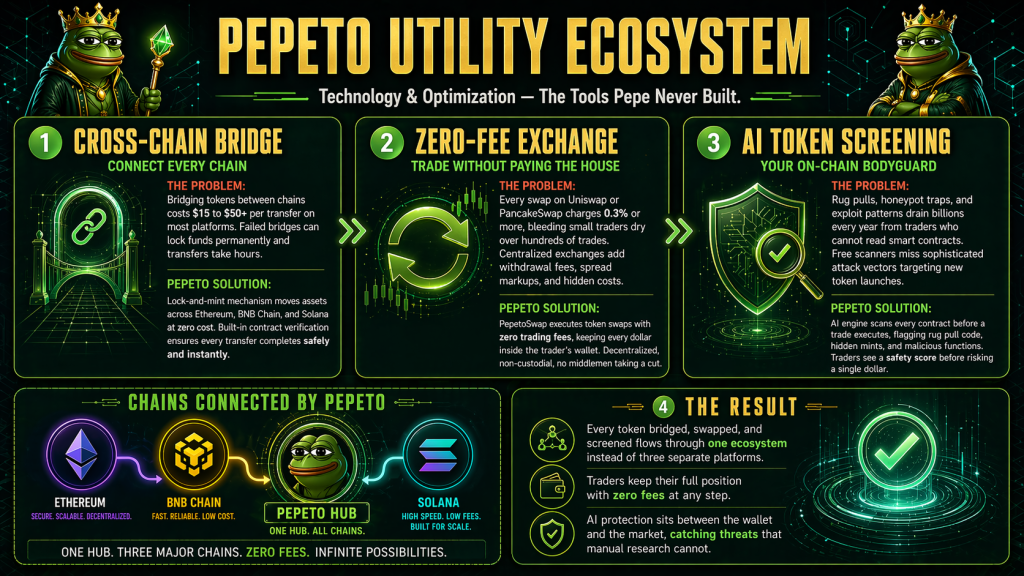
Which Are the Top 3 Cryptos to Buy Now as Solana Lands Mastercard and Pepeto Presale Nears Sold-Out Close
Ondas (ONDS) Stock Soars After Revenue Explodes Over 1,000% in Q1 2026




