

DoorDash Tasks App Revolutionizes AI Training with Groundbreaking Gig Economy Data Collection
BitcoinWorld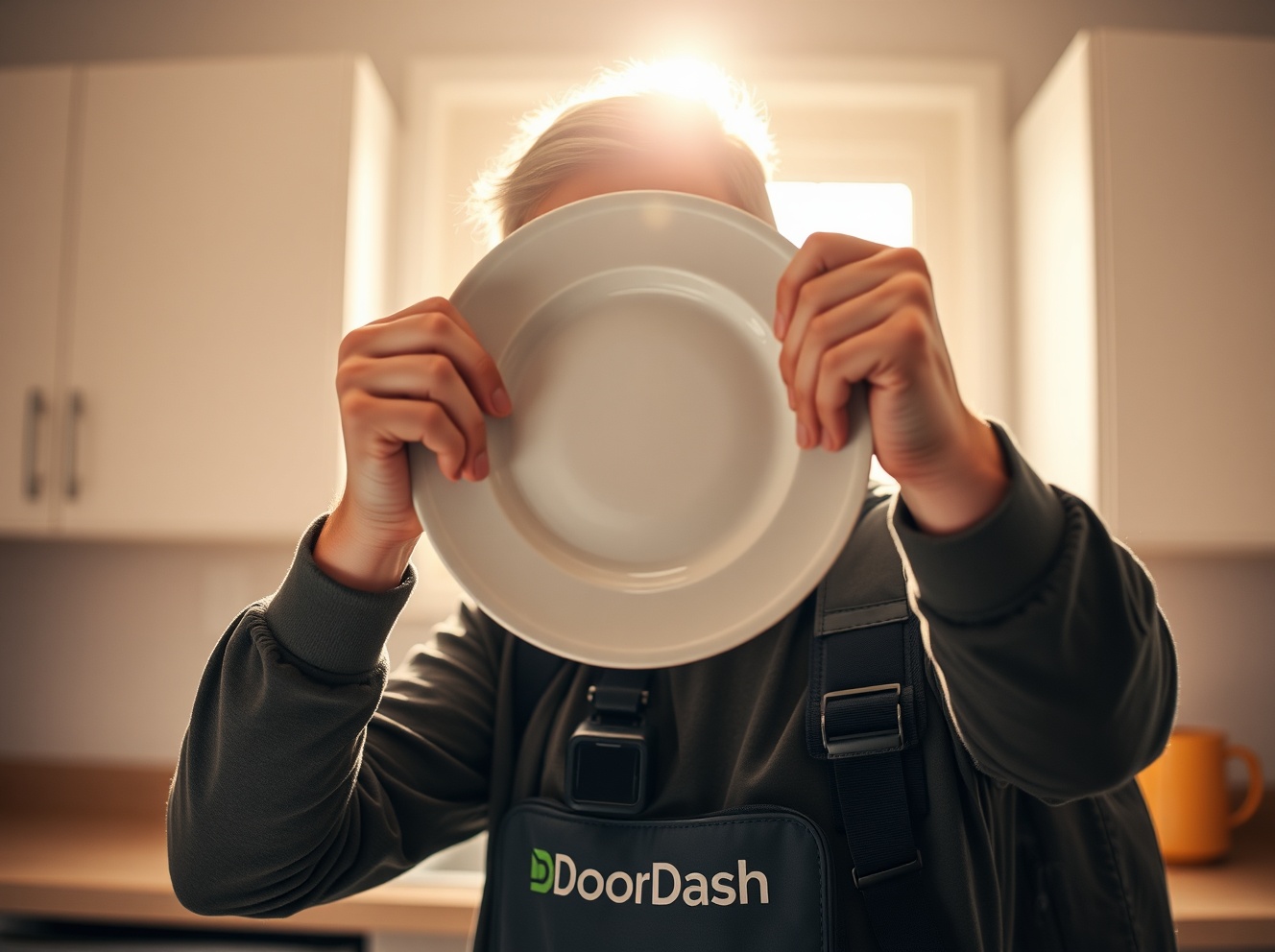
DoorDash Tasks App Revolutionizes AI Training with Groundbreaking Gig Economy Data Collection
DoorDash has launched a groundbreaking new platform that transforms delivery couriers into data collectors for artificial intelligence systems, creating what industry experts call “the largest distributed data collection network in the gig economy.” The company announced its standalone “Tasks” app on Thursday, June 9, 2025, marking a significant expansion beyond food delivery into the lucrative AI training data market. This innovative approach leverages DoorDash’s existing network of over 8 million couriers across the United States to gather real-world visual and audio data for machine learning models. The move represents a strategic pivot for the delivery giant as it seeks new revenue streams while providing additional earning opportunities for its workforce. Industry analysts immediately recognized the potential impact on both the AI development landscape and the evolving nature of gig work.
DoorDash Tasks App Transforms Couriers into AI Data Collectors
The DoorDash Tasks app represents a fundamental shift in how companies gather training data for artificial intelligence systems. Traditionally, AI companies have relied on specialized data collection firms, crowdsourced platforms, or in-house teams to gather the millions of images, videos, and audio samples needed to train machine learning models. DoorDash’s innovation lies in leveraging its existing distributed workforce to perform these collection tasks during their regular delivery work or as standalone assignments. The company pays couriers based on the complexity and effort required for each task, with payment amounts displayed upfront before couriers accept assignments. This transparent approach addresses common concerns about gig worker compensation while ensuring data quality through proper incentivization.
According to DoorDash’s official announcement, the data collected through the Tasks app will help “AI and robotic systems understand the physical world” more accurately. The company specifically mentioned that the original audio and video footage submitted by workers will evaluate both DoorDash’s in-house AI models and those developed by its partners across multiple sectors. These sectors include retail, insurance, hospitality, and technology companies seeking real-world training data. The platform’s launch comes at a critical moment in AI development, as companies increasingly recognize the limitations of synthetic data and the superior value of authentic, diverse real-world examples.
The Mechanics of AI Data Collection Through Tasks
DoorDash has designed the Tasks app with specific data collection protocols that ensure high-quality inputs for AI training. One prominent example involves couriers wearing body cameras to film themselves washing at least five dishes. The detailed instructions require holding each clean dish in frame for several seconds before moving to the next item. This specific protocol serves multiple purposes for AI training. First, it provides visual data about hand movements and object manipulation. Second, it creates reference footage for robotic systems learning domestic tasks. Third, it generates labeled data showing clean versus dirty states of common household items.
Other task categories include:
- Linguistic Data Collection: Recording themselves speaking in various languages and dialects
- Visual Documentation: Capturing photos of restaurant dishes for menu verification
- Location Mapping: Photographing building entrances and drop-off points
- Procedural Tasks: Completing specific actions like closing Waymo self-driving car doors
Each task follows strict guidelines to ensure consistency across thousands of data points. This consistency proves crucial for creating reliable training datasets that machine learning algorithms can process effectively. DoorDash has implemented quality control measures, though specific details about validation processes remain proprietary. The company’s experience managing millions of deliveries provides a foundation for coordinating this new type of distributed work.
Gig Economy Expansion into AI Development Ecosystem
DoorDash’s entry into AI training data collection represents a natural evolution for gig economy platforms seeking diversification. The company follows Uber’s late-2024 announcement about allowing drivers to earn extra income by completing small jobs, including uploading photos to train AI models. This parallel development suggests a broader industry trend where platform companies leverage their distributed workforces for data-related tasks beyond their core services. The strategic move addresses several challenges facing gig economy companies, including regulatory pressures, worker retention issues, and market saturation in core service areas.
Ethan Beatty, General Manager of DoorDash Tasks, explained the strategic rationale in the company’s blog post. “The goal of Tasks is to help more businesses understand what’s happening on the ground and gather new insights,” Beatty stated. “There are more than 8 million Dashers who can reach almost anywhere in the U.S. and who want to earn flexibly beyond delivery. That’s a powerful capability to digitize the physical world.” This statement highlights DoorDash’s recognition of its unique position in the market. The company’s couriers already navigate diverse environments daily, making them ideal candidates for collecting geographically and demographically varied data.
The economic implications are significant for both DoorDash and its couriers. For the company, the Tasks app creates a new revenue stream with potentially higher margins than food delivery. For couriers, it offers additional earning opportunities during slow delivery periods or as standalone work. Early reports suggest task payments range from $2 to $25 depending on complexity, with most tasks requiring 5 to 15 minutes to complete. This compensation structure could significantly impact courier earnings, particularly in markets with lower delivery demand.
Market Context and Competitive Landscape
The AI training data market has experienced explosive growth since 2023, with estimates projecting it to reach $8.5 billion by 2026 according to recent industry reports. Traditional data collection methods have struggled to keep pace with the insatiable demand from AI companies developing increasingly sophisticated models. DoorDash’s entry disrupts this market by offering scale, geographic diversity, and real-world authenticity that specialized data firms cannot easily match. The company’s existing infrastructure for managing distributed work gives it immediate operational advantages.
Several factors differentiate DoorDash’s approach from existing data collection platforms:
| Factor | Traditional Data Platforms | DoorDash Tasks App |
|---|---|---|
| Workforce Scale | Thousands of contributors | Millions of potential contributors |
| Geographic Coverage | Limited to specific regions | Nationwide coverage |
| Data Authenticity | Often staged or synthetic | Genuine real-world contexts |
| Collection Speed | Weeks to months for datasets | Potentially days for urgent needs |
| Cost Structure | Higher per-data-point costs | Leverages existing infrastructure |
This competitive positioning could significantly impact smaller data collection firms that lack DoorDash’s scale and existing worker networks. However, it also opens new possibilities for AI companies needing diverse, high-quality training data quickly. The platform’s initial focus on visual and audio data suggests future expansion into other data types as the technology and market demand evolve.
Technical Implementation and Data Quality Considerations
DoorDash has developed sophisticated technical infrastructure to support the Tasks app while maintaining data quality standards essential for AI training. The company’s engineering team faced significant challenges in creating a system that could handle diverse data types, ensure consistency across submissions, and protect privacy while gathering real-world footage. The solution involves multiple layers of verification, automated quality checks, and human review for complex tasks. This multi-tiered approach balances scalability with reliability, addressing common concerns about crowdsourced data quality.
The technical architecture reportedly includes:
- Automated Validation: Basic checks for video length, resolution, and audio quality
- Context Verification: Confirming tasks were completed in appropriate environments
- Privacy Protection: Automated blurring of faces and license plates in submitted footage
- Metadata Tagging: Comprehensive labeling of time, location, and task parameters
- Storage Infrastructure: Secure cloud storage with encryption for sensitive data
Privacy considerations represent a particularly important aspect of the platform’s design. DoorDash must balance the need for authentic data with ethical obligations to protect individuals who might appear incidentally in submitted footage. The company has implemented automated blurring technology similar to that used by mapping services, though specific technical details remain confidential. Legal experts note that DoorDash likely requires couriers to obtain necessary permissions when filming in private spaces, though public space filming falls under different legal frameworks.
Worker Experience and Economic Impact
Early feedback from couriers participating in the Tasks app pilot program reveals mixed but generally positive reactions. Many appreciate the additional earning opportunities, particularly during traditionally slow periods in the delivery schedule. The ability to complete tasks while waiting for delivery requests or during breaks makes efficient use of previously unproductive time. However, some couriers have expressed concerns about the compensation rates for more complex tasks, suggesting that payment doesn’t always reflect the time and effort required.
The economic impact extends beyond individual earnings. By creating this new category of gig work, DoorDash potentially influences wage expectations across the platform economy. If successful, the Tasks model could pressure other companies to offer similar diversified earning opportunities. This development comes amid ongoing debates about gig worker classification and benefits, adding complexity to an already contentious regulatory landscape. Labor advocates will likely scrutinize how DoorDash structures these new work arrangements and whether they provide fair compensation relative to the value of the data being collected.
Strategic Partnerships and Future Expansion Plans
DoorDash has already established several strategic partnerships that leverage the Tasks platform’s capabilities. The most prominent collaboration involves Waymo, where DoorDash couriers receive payment for closing doors on self-driving delivery vehicles. This partnership serves multiple purposes: it provides valuable data about human interaction with autonomous systems, solves a practical problem for driverless deliveries, and demonstrates the platform’s versatility. Other partnerships span retail chains needing updated product imagery, insurance companies requiring property condition documentation, and hospitality businesses seeking authentic photos of their facilities.
The company’s expansion plans are ambitious but carefully staged. Initial rollout excludes California, New York City, Seattle, and Colorado—markets with particularly complex gig worker regulations. This phased approach allows DoorDash to refine its operations and compliance frameworks before entering more challenging regulatory environments. Future expansion will include additional task types, potentially involving sensor data collection, environmental monitoring, or more specialized AI training requirements. International expansion represents another likely direction, though currency exchange, local regulations, and cultural considerations will influence the timing and specifics.
Industry analysts identify several potential growth areas for the Tasks platform:
- Specialized Industry Applications: Healthcare, agriculture, and manufacturing data collection
- Real-time Data Services: Live footage or sensor data for monitoring applications
- Quality Assurance: Verification of retail displays, restaurant conditions, or service standards
- Research Partnerships: Academic collaborations requiring diverse real-world data
- Government Contracts: Municipal data collection for urban planning or infrastructure projects
These expansion possibilities demonstrate the platform’s potential to evolve beyond its initial AI training focus into a broader distributed data collection service. The underlying infrastructure—managing millions of workers, processing diverse data types, ensuring quality and compliance—provides a foundation that could support numerous applications beyond the current scope.
Conclusion
The DoorDash Tasks app represents a transformative development at the intersection of the gig economy and artificial intelligence. By leveraging its existing network of millions of couriers, DoorDash has created a powerful platform for collecting real-world training data at unprecedented scale and diversity. This innovative approach addresses critical needs in AI development while creating new earning opportunities for gig workers. The platform’s success will depend on multiple factors including data quality, worker compensation fairness, privacy protections, and regulatory compliance. As the Tasks app expands to more markets and task types, it could fundamentally change how companies gather training data for machine learning systems. The initiative also signals broader trends in platform economy diversification and the evolving nature of distributed work in an increasingly AI-driven world. The DoorDash Tasks app may well become a model for how technology companies leverage their existing resources to participate in the next phase of artificial intelligence development.
FAQs
Q1: How does the DoorDash Tasks app work for delivery couriers?
Couriers can download the standalone Tasks app or access tasks through the main Dasher app. They browse available tasks showing upfront payment amounts, accept assignments that fit their schedule, complete the specified data collection activities (like recording video or taking photos), submit the materials through the app, and receive payment through their existing DoorDash earnings system.
Q2: What types of AI training data does the Tasks app collect?
The platform currently focuses on visual and audio data including video footage of everyday activities, photographs of objects and environments, recordings of spoken language in various dialects, and documentation of specific procedures. This data helps train computer vision systems, natural language processing models, robotics platforms, and other AI applications.
Q3: How much can couriers earn through the Tasks app?
Payment varies by task complexity and effort required, ranging from approximately $2 for simple photo tasks to $25 for more involved video recordings. Most tasks require 5-15 minutes to complete. Earnings supplement regular delivery income and can be completed during slow periods or as standalone work.
Q4: What privacy protections are in place for people who appear in submitted footage?
DoorDash implements automated blurring technology to obscure faces and license plates in submitted videos and photos. The company also provides guidelines to couriers about appropriate filming locations and permissions. Data usage is limited to AI training purposes under strict agreements with partner companies.
Q5: How does DoorDash ensure the quality of data collected through the Tasks app?
The company uses automated validation for basic quality metrics, contextual verification systems, and human review for complex tasks. Specific protocols for each task type ensure consistency across submissions. DoorDash’s experience managing millions of deliveries provides infrastructure for quality control at scale.
Q6: When will the Tasks app be available in all locations?
DoorDash has launched in select U.S. markets initially, excluding California, New York City, Seattle, and Colorado due to regulatory considerations. The company plans gradual expansion to additional states and potentially international markets based on operational experience and regulatory developments.
This post DoorDash Tasks App Revolutionizes AI Training with Groundbreaking Gig Economy Data Collection first appeared on BitcoinWorld.


You May Also Like

Australian Dollar Dips as US Retail Sales Data Meets Forecasts, Dampening Rate Cut Hopes

Web3 Gaming Has a Visibility Problem, Not a Funding Problem




