

Figma (FIG) Stock; Declines Amid Threat From Google’s Free AI Tool ‘Stitch’
TLDRs;
- Figma stock dropped sharply after Google introduced Stitch, a free AI tool capable of generating full design workflows from prompts.
- Stitch’s zero-cost model and advanced features have raised concerns about pricing pressure and user migration away from paid platforms.
- Google’s broader ecosystem strategy suggests design tools may become integrated features rather than standalone products in the future.
- Despite strong capabilities, Stitch still requires human oversight, but its rapid development could intensify competition across the design software industry.
Shares of Figma extended their recent downturn after Google unveiled a new artificial intelligence-powered design platform, intensifying concerns about rising competition in the digital product design space. The stock fell roughly 12% across two trading sessions, deepening its year-to-date losses to around 35% and reflecting broader pressure across software equities.
Figma, Inc., FIG
AI Tool Sparks Market Reaction
The catalyst behind the latest selloff is Google’s introduction of “Stitch,” a generative AI tool designed to create user interface layouts from simple text prompts. The tool, currently in beta and offered at no cost, represents a significant step forward in automating parts of the design workflow that were previously handled manually within platforms like Figma.
Stitch goes beyond basic prototyping. It can convert rough sketches into structured digital screens, map out complete user journeys, and even export production-ready HTML and CSS code. Additionally, the platform integrates voice-enabled feedback, allowing users to receive real-time critiques and suggestions while iterating on designs.
This level of functionality, especially at a free price point, has raised alarms among investors who see the potential for disruption across the design software market.
Free Pricing Raises Competitive Pressure
One of the most striking aspects of Stitch is its pricing model. Unlike its predecessor, Galileo AI, acquired by Google in 2025 and previously offered as a paid service, Stitch now includes a free tier with generous usage limits. Users can generate hundreds of designs monthly without incurring costs, a move that could significantly lower the barrier to entry for individuals and businesses.
For Figma, which operates on a subscription-based model, this presents a strategic challenge. If Google chooses to monetize Stitch later, it could still benefit from early user adoption and ecosystem lock-in. In the meantime, the free offering may pressure competitors to rethink pricing strategies or accelerate their own AI integrations.
Ecosystem Expansion Strategy Emerges
Beyond the product itself, analysts are paying close attention to Google’s broader ambitions. Stitch is not being developed in isolation; it appears to be part of a larger effort to integrate design capabilities into Google’s existing enterprise ecosystem.
Planned enhancements include deeper connections with development tools, collaborative platforms, and productivity suites. Such integrations could allow users to move seamlessly from design to deployment without relying on standalone applications. This shift signals a potential transformation of design software, from dedicated tools into embedded features within larger platforms.
For Figma, which built its reputation as a collaborative, cloud-native design leader, the risk lies in being absorbed into a broader competitive landscape dominated by tech giants with expansive ecosystems.
Figma’s Position and Industry Context
Despite the recent stock decline, Figma remains a major player in digital design. The company went public in mid-2025 and has continued to invest in generative AI capabilities, including partnerships that integrate advanced models into its platform.
However, the competitive environment has grown more intense. A previously proposed $20 billion acquisition by Adobe was ultimately abandoned due to regulatory challenges, leaving Figma to navigate the market independently at a time when consolidation and platform expansion are accelerating.
The post Figma (FIG) Stock; Declines Amid Threat From Google’s Free AI Tool ‘Stitch’ appeared first on CoinCentral.


You May Also Like
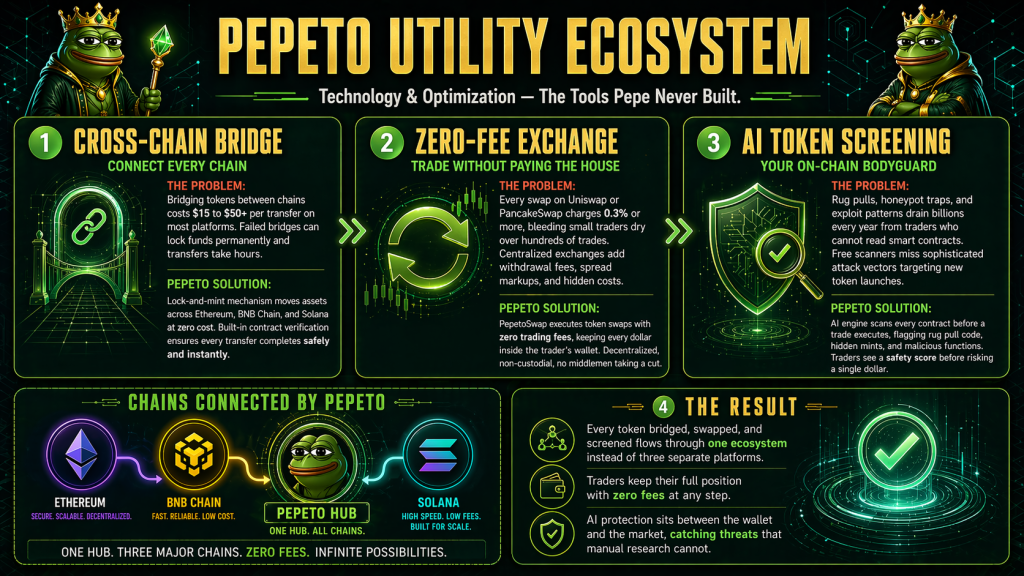
Which Are the Top 3 Cryptos to Buy Now as Solana Lands Mastercard and Pepeto Presale Nears Sold-Out Close
Ondas (ONDS) Stock Soars After Revenue Explodes Over 1,000% in Q1 2026




