

Pi Network Enters a New Era: From Mining Coin to Asset Economy Powerhouse in Crypto and Web3
A pivotal shift appears to be underway within the Pi Network ecosystem, as new developments suggest the platform is transitioning from a mining-centric model into a broader asset-driven economy. This evolution is generating significant attention across the Crypto and Web3 landscape, with many observers describing it as a defining moment for the network’s future.
The narrative, amplified by @Kosasihg8, frames the current phase as a turning point in which Pi Coin is no longer viewed solely as a mined digital token, but as a functional asset powering a growing economic system.
This shift reflects a broader maturation process. In its early stages, Pi Network focused on user acquisition through mobile mining, allowing individuals to participate in Crypto without the need for expensive hardware or technical expertise. This approach helped the platform build a large global user base, positioning it as one of the most accessible entry points into blockchain technology.
However, as the network expands, the limitations of a purely mining-based model become more apparent. Long-term sustainability requires more than user growth. It demands real utility, active participation, and a functioning economic framework.
Recent developments indicate that Pi Network is moving in that direction. The introduction of a launchpad, ongoing enhancements to the network engine, and discussions surrounding a future decentralized exchange are all signals of an ecosystem in transition.
The concept of a launchpad is particularly significant. Within the Crypto industry, launchpads serve as platforms for introducing new projects and enabling early-stage participation. By integrating such a feature, Pi Network is creating opportunities for developers to build and deploy applications within its ecosystem.
This development has the potential to drive demand for Pi Coin. As new projects emerge, developers may require Pi as a resource for accessing services, funding initiatives, or interacting with the network. This dynamic transforms Pi Coin from a passive holding into an active component of economic activity.
The reference to an upgraded engine, described in community discussions as version 20.2, suggests that the network’s technical infrastructure is also evolving to support these new capabilities. Enhancements at this level are critical for ensuring that the system can handle increased complexity and scale effectively.
A more advanced engine enables faster processing, improved efficiency, and the ability to support a wider range of applications. These factors are essential for building a competitive platform within the rapidly evolving Web3 ecosystem.
Another key element of this transition is the anticipated introduction of a decentralized exchange, or DEX. Such a platform would allow users to trade assets directly within the Pi Network environment, without relying on centralized intermediaries.
The integration of a DEX could significantly enhance liquidity and accessibility. By providing a native trading mechanism, the network would enable users to engage more actively with their assets, further reinforcing the role of Pi Coin within the ecosystem.
Taken together, these developments point to the emergence of a more comprehensive and interconnected platform. The shift from a “miners’ coin” to an “assets coin” is not merely a change in terminology. It represents a fundamental redefinition of how value is created and exchanged within the network.
For users, this transition introduces new opportunities as well as new responsibilities. Participating in an asset-driven economy requires a deeper understanding of the system, including how to manage resources, evaluate opportunities, and navigate potential risks.
The growing complexity of the ecosystem also highlights the importance of education and awareness. As new features are introduced, users must be equipped with the knowledge needed to engage effectively.
At the same time, the success of this transformation will depend heavily on developer participation. A vibrant ecosystem requires a steady flow of innovative applications and services. By attracting developers, Pi Network can expand its functionality and create a more diverse range of use cases.
This dynamic creates a feedback loop. As more applications are built, the demand for Pi Coin increases, which in turn attracts more participants and developers. This cycle is a key driver of growth in successful blockchain ecosystems.
However, the transition is not without challenges. Building a sustainable token economy requires careful planning and execution. Issues such as scalability, security, and governance must be addressed to ensure long-term viability.
Competition within the Crypto space is also a significant factor. Established platforms already offer advanced features and large developer communities. For Pi Network to succeed, it must differentiate itself while delivering reliable and effective solutions.
One of its primary advantages remains its accessibility. By enabling participation through mobile devices, the network has lowered the barriers to entry for millions of users. Leveraging this user base effectively will be crucial in driving adoption of new features.
The emphasis on real utility is particularly important. In the early stages of many Crypto projects, value is often driven by speculation. Over time, however, sustainable growth depends on the development of practical applications that provide tangible benefits to users.
 |
| Source: Xpost |
The current phase of Pi Network’s evolution suggests a shift toward this model. By focusing on infrastructure, applications, and economic activity, the platform is laying the groundwork for a more mature ecosystem.
The broader implications for Web3 are also noteworthy. As decentralized technologies continue to evolve, the integration of multiple functionalities within a single platform is becoming increasingly common. Users are seeking seamless experiences that combine accessibility, utility, and efficiency.
Pi Network’s approach aligns with this trend. By integrating mining, asset management, application development, and potentially trading within a unified ecosystem, it aims to create a comprehensive environment for digital interaction.
The notion of “massive demand” emerging from these developments reflects the expectations of the community. While such outcomes are not guaranteed, the introduction of new features often acts as a catalyst for increased engagement.
For investors and participants, this moment represents a period of both opportunity and uncertainty. The potential for growth is significant, but it is accompanied by the inherent risks of an evolving system.
As the network continues to develop, transparency and communication will be key. Clear updates and guidance can help users navigate the transition and build confidence in the platform.
Looking ahead, the trajectory of Pi Network will depend on its ability to execute its vision effectively. The shift toward an asset-driven economy is a complex process that requires coordination across multiple dimensions, including technology, community, and governance.
If successful, this transformation could position Pi Network as a significant player within the Crypto and Web3 landscape. By combining accessibility with advanced functionality, it has the potential to bridge the gap between early adoption and mainstream use.
Ultimately, the current moment can be seen as a turning point. The foundations laid during the network’s growth phase are now being tested and expanded. The focus is shifting from accumulation to utilization, from participation to productivity.
For the global community of users, developers, and observers, the question is no longer whether Pi Network will evolve, but how far this evolution will go in shaping the future of decentralized economies.
hokanews – Not Just Crypto News. It’s Crypto Culture.
Writer @Victoria
Victoria Hale is a pioneering force in the Pi Network and a passionate blockchain enthusiast. With firsthand experience in shaping and understanding the Pi ecosystem, Victoria has a unique talent for breaking down complex developments in Pi Network into engaging and easy-to-understand stories. She highlights the latest innovations, growth strategies, and emerging opportunities within the Pi community, bringing readers closer to the heart of the evolving crypto revolution. From new features to user trend analysis, Victoria ensures every story is not only informative but also inspiring for Pi Network enthusiasts everywhere.
Disclaimer:
The articles on HOKANEWS are here to keep you updated on the latest buzz in crypto, tech, and beyond—but they’re not financial advice. We’re sharing info, trends, and insights, not telling you to buy, sell, or invest. Always do your own homework before making any money moves.
HOKANEWS isn’t responsible for any losses, gains, or chaos that might happen if you act on what you read here. Investment decisions should come from your own research—and, ideally, guidance from a qualified financial advisor. Remember: crypto and tech move fast, info changes in a blink, and while we aim for accuracy, we can’t promise it’s 100% complete or up-to-date.
Stay curious, stay safe, and enjoy the ride!


You May Also Like
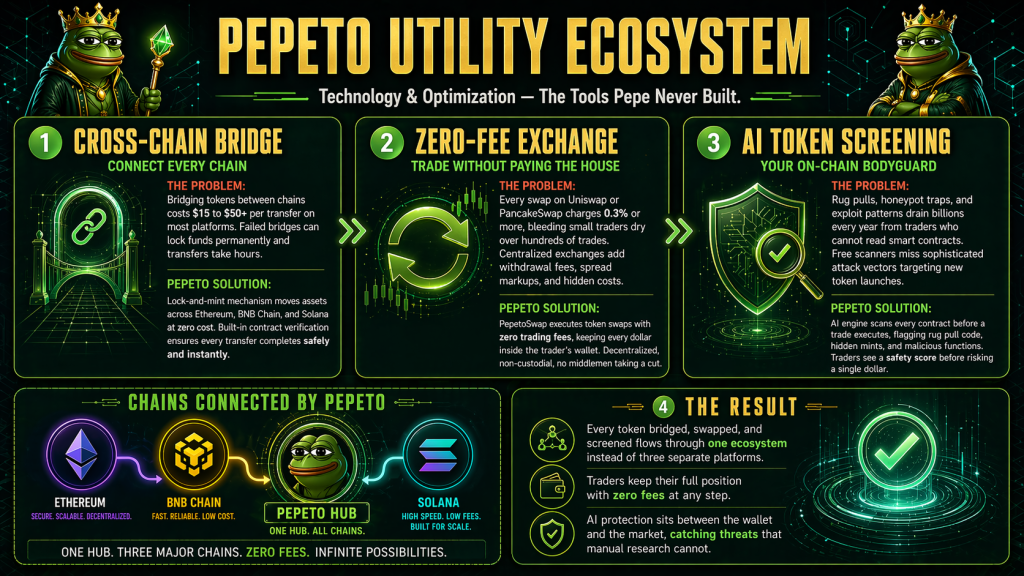
Which Are the Top 3 Cryptos to Buy Now as Solana Lands Mastercard and Pepeto Presale Nears Sold-Out Close

Ondas (ONDS) Stock Soars After Revenue Explodes Over 1,000% in Q1 2026




