Highlights: Bank of England faces criticism over strict stablecoin limits tougher than US and, EU. Industry leaders warn that enforcement would be costly, risky, and harm UK competitiveness. The debate continues as stablecoins already enable fast, low-cost payments worldwide. The Bank of England (BoE) faces criticism from crypto and payment groups over its plan to restrict stablecoin holdings. If implemented, the measures would put the UK’s rules ahead of both the US and EU in terms of strictness. Proposed Stablecoin Caps Previously, the BoE outlined a proposal to introduce limits on how much systemic stablecoins can be held. These tokens are either already in circulation or are expected to become widely used within the UK payments system. Under the proposed framework, individuals would face a cap of between £10,000 and £20,000 ($12,500–$25,000). For businesses, the restriction would set a maximum allowance of £10 million ($12.5 million).  Officials maintain these caps are designed to shield the banking sector from large-scale outflows of deposits and reduce threats to financial stability, such as sudden shortages of credit available to households and businesses. We've invented global, borderless money that lets Finance scale at the speed of technology. But the Bank of England wants to send all the benefits of this to zero by capping the amount of stablecoins an individual can hold at 20k. pic.twitter.com/5XcDaOkwZ6 — Happy (@happysubstack) September 15, 2025 Industry Voices Oppose BoE Stablecoin Limits A Monday report from the Financial Times noted that several industry groups pushed back against the proposal. They warned it would be costly, complicated to enforce, and could risk putting the UK behind competing markets. Tom Duff Gordon, Coinbase’s vice president of international policy, argued the restrictions would harm both local savers and the strength of the pound. He emphasized that none of the world’s major financial jurisdictions have found it necessary to introduce similar caps.  Simon Jennings, the executive director of the UK Cryptoasset Business Council (UKCBC), told the Financial Times that “limits simply don’t work in practice.” He further explained that token issuers cannot track who is holding their coins at any moment. This means enforcement would require a new system that is both costly and complex. “Stablecoin issuers don’t have sight of who holds their tokens at any given time, so enforcing caps would require a costly, complex new system, such as digital IDs or constant co-ordination between wallets,” Jennings added. He compared it to tracking physical cash ownership, but with millions spent attempting to do so. Riccardo Tordera-Ricchi, who leads policy at The Payments Association, dismissed the idea completely. He noted that, unlike cash, bank deposits, or electronic money, there is little justification for setting strict limits on stablecoin ownership. In his view, the approach moves in the wrong direction and could create unnecessary problems. He said that instead of helping, the plan might harm progress, as stablecoins are already proving useful for quick and affordable payments worldwide. Global Stablecoin Market The global stablecoin market continues to grow, reaching a total capitalization of $302 billion, according to CoinMarketCap. Coinbase has forecast that this figure could expand significantly, reaching as much as $1.2 trillion by 2028. In July, lawmakers in the United States introduced the GENIUS Act, legislation designed to establish a clear regulatory structure for stablecoins and formally integrate them into the wider financial system. BREAKING: COINBASE PREDICTS THE STABLECOIN MARKET CAP WILL REACH $1.2 TRILLION BY 2028! pic.twitter.com/jViUUsxVvA — Coinvo (@ByCoinvo) August 23, 2025 eToro Platform Best Crypto Exchange Over 90 top cryptos to trade Regulated by top-tier entities User-friendly trading app 30+ million users 9.9 Visit eToro eToro is a multi-asset investment platform. The value of your investments may go up or down. Your capital is at risk. Don’t invest unless you’re prepared to lose all the money you invest. This is a high-risk investment, and you should not expect to be protected if something goes wrong. Highlights: Bank of England faces criticism over strict stablecoin limits tougher than US and, EU. Industry leaders warn that enforcement would be costly, risky, and harm UK competitiveness. The debate continues as stablecoins already enable fast, low-cost payments worldwide. The Bank of England (BoE) faces criticism from crypto and payment groups over its plan to restrict stablecoin holdings. If implemented, the measures would put the UK’s rules ahead of both the US and EU in terms of strictness. Proposed Stablecoin Caps Previously, the BoE outlined a proposal to introduce limits on how much systemic stablecoins can be held. These tokens are either already in circulation or are expected to become widely used within the UK payments system. Under the proposed framework, individuals would face a cap of between £10,000 and £20,000 ($12,500–$25,000). For businesses, the restriction would set a maximum allowance of £10 million ($12.5 million).  Officials maintain these caps are designed to shield the banking sector from large-scale outflows of deposits and reduce threats to financial stability, such as sudden shortages of credit available to households and businesses. We've invented global, borderless money that lets Finance scale at the speed of technology. But the Bank of England wants to send all the benefits of this to zero by capping the amount of stablecoins an individual can hold at 20k. pic.twitter.com/5XcDaOkwZ6 — Happy (@happysubstack) September 15, 2025 Industry Voices Oppose BoE Stablecoin Limits A Monday report from the Financial Times noted that several industry groups pushed back against the proposal. They warned it would be costly, complicated to enforce, and could risk putting the UK behind competing markets. Tom Duff Gordon, Coinbase’s vice president of international policy, argued the restrictions would harm both local savers and the strength of the pound. He emphasized that none of the world’s major financial jurisdictions have found it necessary to introduce similar caps.  Simon Jennings, the executive director of the UK Cryptoasset Business Council (UKCBC), told the Financial Times that “limits simply don’t work in practice.” He further explained that token issuers cannot track who is holding their coins at any moment. This means enforcement would require a new system that is both costly and complex. “Stablecoin issuers don’t have sight of who holds their tokens at any given time, so enforcing caps would require a costly, complex new system, such as digital IDs or constant co-ordination between wallets,” Jennings added. He compared it to tracking physical cash ownership, but with millions spent attempting to do so. Riccardo Tordera-Ricchi, who leads policy at The Payments Association, dismissed the idea completely. He noted that, unlike cash, bank deposits, or electronic money, there is little justification for setting strict limits on stablecoin ownership. In his view, the approach moves in the wrong direction and could create unnecessary problems. He said that instead of helping, the plan might harm progress, as stablecoins are already proving useful for quick and affordable payments worldwide. Global Stablecoin Market The global stablecoin market continues to grow, reaching a total capitalization of $302 billion, according to CoinMarketCap. Coinbase has forecast that this figure could expand significantly, reaching as much as $1.2 trillion by 2028. In July, lawmakers in the United States introduced the GENIUS Act, legislation designed to establish a clear regulatory structure for stablecoins and formally integrate them into the wider financial system. BREAKING: COINBASE PREDICTS THE STABLECOIN MARKET CAP WILL REACH $1.2 TRILLION BY 2028! pic.twitter.com/jViUUsxVvA — Coinvo (@ByCoinvo) August 23, 2025 eToro Platform Best Crypto Exchange Over 90 top cryptos to trade Regulated by top-tier entities User-friendly trading app 30+ million users 9.9 Visit eToro eToro is a multi-asset investment platform. The value of your investments may go up or down. Your capital is at risk. Don’t invest unless you’re prepared to lose all the money you invest. This is a high-risk investment, and you should not expect to be protected if something goes wrong.

UK Crypto Groups Slam Bank of England’s Proposed Stablecoin Caps
2025/09/15 23:28
3 min read
For feedback or concerns regarding this content, please contact us at [email protected]

Highlights:

  • Bank of England faces criticism over strict stablecoin limits tougher than US and, EU.
  • Industry leaders warn that enforcement would be costly, risky, and harm UK competitiveness.
  • The debate continues as stablecoins already enable fast, low-cost payments worldwide.

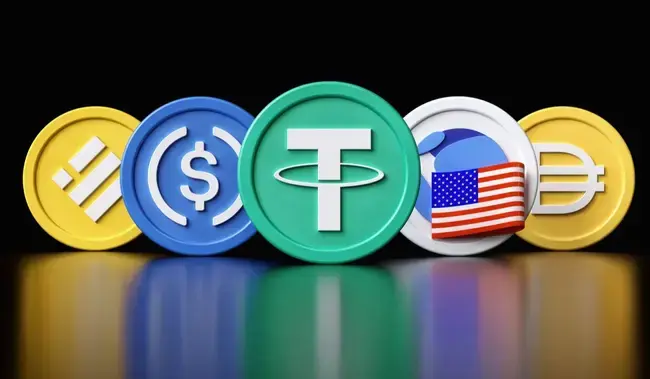
The Bank of England (BoE) faces criticism from crypto and payment groups over its plan to restrict stablecoin holdings. If implemented, the measures would put the UK’s rules ahead of both the US and EU in terms of strictness.

Proposed Stablecoin Caps

Previously, the BoE outlined a proposal to introduce limits on how much systemic stablecoins can be held. These tokens are either already in circulation or are expected to become widely used within the UK payments system. Under the proposed framework, individuals would face a cap of between £10,000 and £20,000 ($12,500–$25,000). For businesses, the restriction would set a maximum allowance of £10 million ($12.5 million). 

Officials maintain these caps are designed to shield the banking sector from large-scale outflows of deposits and reduce threats to financial stability, such as sudden shortages of credit available to households and businesses.

Industry Voices Oppose BoE Stablecoin Limits

A Monday report from the Financial Times noted that several industry groups pushed back against the proposal. They warned it would be costly, complicated to enforce, and could risk putting the UK behind competing markets. Tom Duff Gordon, Coinbase’s vice president of international policy, argued the restrictions would harm both local savers and the strength of the pound. He emphasized that none of the world’s major financial jurisdictions have found it necessary to introduce similar caps. 

Simon Jennings, the executive director of the UK Cryptoasset Business Council (UKCBC), told the Financial Times that “limits simply don’t work in practice.” He further explained that token issuers cannot track who is holding their coins at any moment. This means enforcement would require a new system that is both costly and complex. “Stablecoin issuers don’t have sight of who holds their tokens at any given time, so enforcing caps would require a costly, complex new system, such as digital IDs or constant co-ordination between wallets,” Jennings added. He compared it to tracking physical cash ownership, but with millions spent attempting to do so.

Riccardo Tordera-Ricchi, who leads policy at The Payments Association, dismissed the idea completely. He noted that, unlike cash, bank deposits, or electronic money, there is little justification for setting strict limits on stablecoin ownership. In his view, the approach moves in the wrong direction and could create unnecessary problems. He said that instead of helping, the plan might harm progress, as stablecoins are already proving useful for quick and affordable payments worldwide.

Global Stablecoin Market

The global stablecoin market continues to grow, reaching a total capitalization of $302 billion, according to CoinMarketCap. Coinbase has forecast that this figure could expand significantly, reaching as much as $1.2 trillion by 2028. In July, lawmakers in the United States introduced the GENIUS Act, legislation designed to establish a clear regulatory structure for stablecoins and formally integrate them into the wider financial system.

eToro Platform

Best Crypto Exchange

  • Over 90 top cryptos to trade
  • Regulated by top-tier entities
  • User-friendly trading app
  • 30+ million users
9.9

5 Stars

Visit eToro

eToro is a multi-asset investment platform. The value of your investments may go up or down. Your capital is at risk. Don’t invest unless you’re prepared to lose all the money you invest. This is a high-risk investment, and you should not expect to be protected if something goes wrong.

Market Opportunity
Threshold Logo
Threshold Price(T)
$0.006755
$0.006755$0.006755
-2.24%
USD
Threshold (T) Live Price Chart
Disclaimer: The articles reposted on this site are sourced from public platforms and are provided for informational purposes only. They do not necessarily reflect the views of MEXC. All rights remain with the original authors. If you believe any content infringes on third-party rights, please contact [email protected] for removal. MEXC makes no guarantees regarding the accuracy, completeness, or timeliness of the content and is not responsible for any actions taken based on the information provided. The content does not constitute financial, legal, or other professional advice, nor should it be considered a recommendation or endorsement by MEXC.
