

Crypto Trading Regulations: Fidelity Demands Urgent SEC Clarity for Market Stability
BitcoinWorld
Crypto Trading Regulations: Fidelity Demands Urgent SEC Clarity for Market Stability
WASHINGTON, D.C. – March 2025: Financial giant Fidelity has issued a compelling call to the U.S. Securities and Exchange Commission, demanding urgent clarification on crypto trading regulations that could reshape America’s digital asset landscape. The asset management firm specifically urges regulators to establish a comprehensive framework enabling broker-dealers to handle cryptocurrencies through Alternative Trading Systems. This development represents a critical juncture in the ongoing evolution of digital asset regulation.
Crypto Trading Regulations Face Critical Crossroads
Fidelity’s formal communication to the SEC arrives during a period of significant regulatory uncertainty for digital assets. The firm emphasizes that current regulations require substantial revision to accommodate both centralized and decentralized trading platforms. According to industry analysts, this regulatory gap creates operational challenges for traditional financial institutions seeking to enter the cryptocurrency space. Furthermore, the existing framework fails to address the unique characteristics of security tokens issued by third parties.
The financial services company argues that Alternative Trading Systems could provide a regulated pathway for cryptocurrency transactions. These systems, already established in traditional securities markets, offer a potential model for digital asset trading. However, implementing this approach requires clear regulatory guidance from federal authorities. Industry observers note that without such direction, institutional participation in cryptocurrency markets remains constrained.
Regulatory Framework Evolution for Digital Assets
The SEC has gradually developed its approach to cryptocurrency regulation over several years. Initially, the commission focused primarily on initial coin offerings and securities law violations. More recently, attention has shifted toward trading platforms and market structure. This evolution reflects the growing maturity of digital asset markets and increasing institutional interest. Fidelity’s intervention signals that major financial players now seek definitive regulatory parameters.
Historical Context and Regulatory Timeline
Cryptocurrency regulation in the United States has followed a complex trajectory since Bitcoin’s emergence in 2009. Key milestones include:
- 2013: FinCEN issues first guidance on virtual currency regulation
- 2017: SEC establishes that some tokens qualify as securities
- 2020: OCC allows national banks to hold cryptocurrency
- 2023: Multiple enforcement actions against crypto exchanges
- 2024: Congressional hearings on comprehensive crypto legislation
This historical context demonstrates the gradual but inconsistent development of digital asset regulation. Fidelity’s current request represents the latest chapter in this ongoing regulatory narrative. The firm specifically highlights the need for consistency across different trading environments.
Alternative Trading Systems as Regulatory Solution
Alternative Trading Systems provide a potential regulatory bridge between traditional finance and cryptocurrency markets. These systems, regulated under SEC Rule 3a1-1(a) of the Exchange Act, already facilitate securities trading outside traditional exchanges. Expanding their scope to include digital assets could offer several advantages. First, ATS platforms operate under existing regulatory frameworks familiar to broker-dealers. Second, they provide transparency and oversight mechanisms that address regulatory concerns. Third, they could integrate cryptocurrency trading with traditional financial infrastructure.
Fidelity emphasizes that this approach requires specific adaptations for digital assets. Security tokens, in particular, present unique challenges for existing reporting requirements. The firm notes that decentralized platforms operate fundamentally differently from centralized exchanges. Consequently, applying traditional regulatory models proves increasingly difficult. This technological divergence creates the regulatory gap that Fidelity seeks to address through its SEC communication.
Comparative Analysis: Centralized vs. Decentralized Systems
| Feature | Centralized Trading Systems | Decentralized Trading Systems |
|---|---|---|
| Control Structure | Single entity management | Distributed network control |
| Regulatory Compliance | Traditional models applicable | Requires new frameworks |
| Reporting Obligations | Clear entity responsibility | Distributed responsibility challenges |
| Market Surveillance | Established monitoring systems | Emerging surveillance capabilities |
This comparative analysis illustrates why Fidelity argues for regulatory differentiation between system types. The firm maintains that one-size-fits-all approaches cannot effectively govern both centralized and decentralized platforms. Instead, regulators must develop tailored frameworks that address each system’s unique characteristics.
Industry Impact and Market Implications
Clear crypto trading regulations would significantly impact financial markets and institutional participation. Currently, many traditional financial institutions hesitate to engage with digital assets due to regulatory uncertainty. A comprehensive framework could change this dynamic substantially. Institutional capital might flow more freely into cryptocurrency markets with established regulatory parameters. This development could increase market liquidity and stability while reducing volatility.
Market analysts observe that regulatory clarity often precedes institutional adoption in emerging financial sectors. The commodities market followed a similar pattern decades earlier. Initially viewed as speculative and unregulated, commodities gained legitimacy through structured regulatory frameworks. Digital assets may follow a comparable trajectory if regulators establish clear guidelines. Fidelity’s position reflects this historical pattern and its potential application to cryptocurrency markets.
Expert Perspectives on Regulatory Development
Financial regulation experts emphasize several key considerations for cryptocurrency framework development. First, regulations must balance innovation protection with investor safeguards. Second, frameworks should accommodate technological evolution without requiring constant revision. Third, international coordination becomes increasingly important for global digital asset markets. These considerations inform Fidelity’s approach to its regulatory recommendations.
Industry observers note that regulatory development typically follows market maturation. As cryptocurrency markets grow and stabilize, regulatory frameworks naturally evolve to address emerging needs. Fidelity’s intervention accelerates this process by providing specific recommendations based on practical experience. The firm’s substantial market presence lends credibility to its regulatory suggestions.
Technological Considerations for Regulatory Design
Modern cryptocurrency regulation must account for rapidly evolving technology. Blockchain networks, smart contracts, and decentralized protocols present unique regulatory challenges. Traditional reporting requirements assume centralized control and clear organizational structures. Decentralized systems distribute these elements across networks, complicating regulatory application. Fidelity specifically highlights this technological-regulatory disconnect in its SEC communication.
The asset manager suggests that regulators consider technology-neutral approaches where possible. Such approaches focus on economic functions rather than specific technological implementations. This methodology could provide regulatory flexibility while maintaining essential safeguards. Additionally, regulators might develop graduated frameworks that apply different requirements based on system characteristics. These technological considerations form a crucial component of comprehensive regulatory design.
Conclusion
Fidelity’s call for clarified crypto trading regulations represents a significant development in digital asset market evolution. The firm’s specific focus on Alternative Trading Systems and regulatory differentiation between centralized and decentralized platforms provides practical guidance for regulators. As cryptocurrency markets continue maturing, regulatory frameworks must evolve accordingly. Clear guidelines could facilitate greater institutional participation while maintaining essential investor protections. The SEC’s response to Fidelity’s recommendations will likely shape cryptocurrency regulation for years to come, potentially determining how traditional finance integrates with digital asset markets.
FAQs
Q1: What specific regulatory changes does Fidelity recommend for cryptocurrency trading?
Fidelity recommends establishing a comprehensive regulatory framework allowing broker-dealers to handle cryptocurrencies through Alternative Trading Systems. The firm also calls for clear rules governing security tokens and differentiated approaches for centralized versus decentralized trading platforms.
Q2: How would Alternative Trading Systems change cryptocurrency market structure?
Alternative Trading Systems would provide a regulated pathway for institutional cryptocurrency trading, potentially increasing market participation from traditional financial institutions. These systems could enhance transparency and oversight while integrating digital assets with existing financial infrastructure.
Q3: Why does Fidelity emphasize the difference between centralized and decentralized systems?
Centralized and decentralized trading systems operate fundamentally differently, particularly regarding control structures and reporting capabilities. Traditional regulatory models designed for centralized entities prove difficult to apply effectively to decentralized platforms, creating regulatory gaps.
Q4: What impact might clearer regulations have on cryptocurrency market stability?
Clear regulatory frameworks could increase institutional participation, potentially enhancing market liquidity and reducing volatility. Regulatory certainty often precedes institutional adoption in emerging financial sectors, as demonstrated historically in commodities and other alternative assets.
Q5: How does Fidelity’s position fit within broader cryptocurrency regulatory developments?
Fidelity’s recommendations represent the latest development in ongoing regulatory evolution for digital assets. The firm’s substantial market presence and practical experience lend credibility to its suggestions, potentially accelerating regulatory framework development for cryptocurrency trading.
This post Crypto Trading Regulations: Fidelity Demands Urgent SEC Clarity for Market Stability first appeared on BitcoinWorld.


You May Also Like
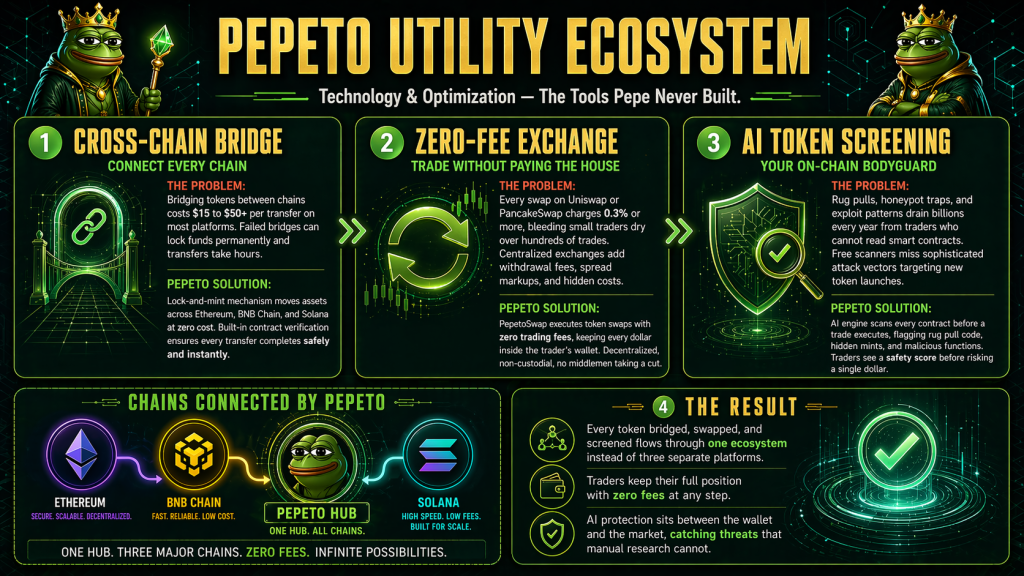
Which Are the Top 3 Cryptos to Buy Now as Solana Lands Mastercard and Pepeto Presale Nears Sold-Out Close
Ondas (ONDS) Stock Soars After Revenue Explodes Over 1,000% in Q1 2026




