

Gold Price Plummets to Near $4,450 as Soaring Inflation Fears and Hawkish Rate Hike Prospects Crush Demand
BitcoinWorld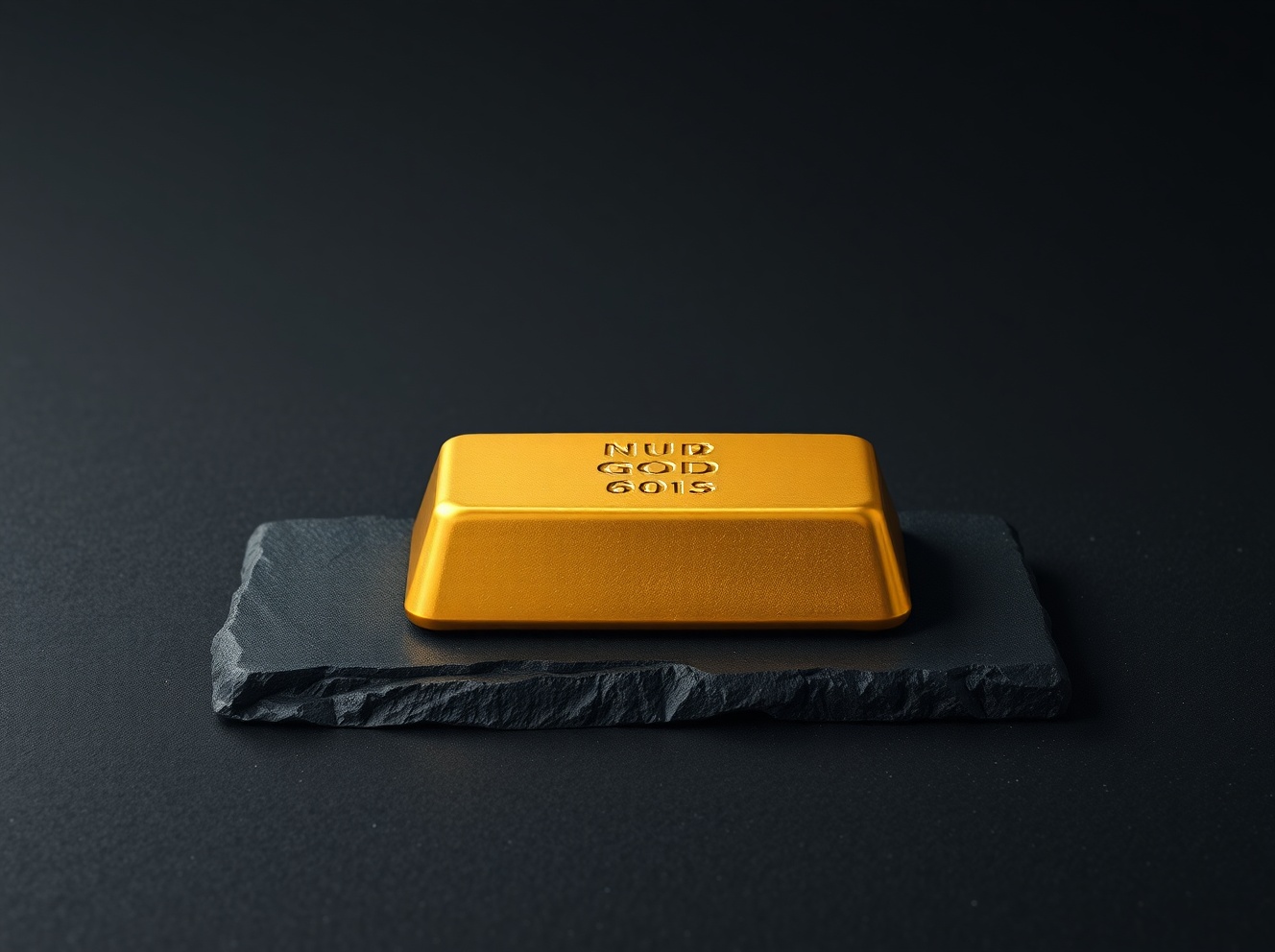
Gold Price Plummets to Near $4,450 as Soaring Inflation Fears and Hawkish Rate Hike Prospects Crush Demand
LONDON, March 15, 2025 – The spot price of gold has plunged to a critical support level near $4,450 per ounce, marking one of its most significant weekly declines this year. Consequently, this sharp drop reflects mounting investor anxiety over persistent inflationary pressures and the increasingly hawkish stance of major central banks. Therefore, market participants are rapidly reassessing the traditional safe-haven asset’s appeal in a high-interest-rate environment.
Gold Price Collapse Driven by Macroeconomic Headwinds
The recent sell-off in gold is not an isolated event. Instead, it represents a clear reaction to a confluence of powerful global economic forces. Primarily, stronger-than-expected inflation data from major economies has solidified market expectations for further monetary policy tightening. For instance, the U.S. Federal Reserve, the European Central Bank, and the Bank of England have all signaled their unwavering commitment to combating inflation, even at the risk of slowing economic growth. This prospect of higher interest rates directly undermines gold’s attractiveness. Why? Because gold offers no yield. When interest rates rise, the opportunity cost of holding non-yielding assets like gold increases significantly. Investors then often rotate into interest-bearing assets like government bonds.
Analyzing the Demand Destruction
Market analysts point to a clear shift in investment flows. Data from major exchange-traded funds (ETFs) tracking gold shows consistent outflows over the past month. Simultaneously, futures market positioning indicates that speculative investors have built substantial short positions, betting on further price declines. This technical pressure exacerbates the fundamental bearish narrative. Furthermore, physical demand from key markets like India and China has remained subdued, failing to provide a traditional price floor. The strength of the U.S. dollar, often inversely correlated with gold, has added another layer of downward pressure.
The Inflation Paradox and Historical Context
Historically, gold has been viewed as a hedge against inflation. However, the current scenario presents a paradox. While inflation remains elevated, the primary tool to combat it—aggressive interest rate hikes—is proving toxic for gold prices. This dynamic creates a complex environment for commodity traders. To illustrate the recent price action, consider the following weekly performance table:
| Week Ending | Gold Price (USD/oz) | Weekly Change | Key Driver |
|---|---|---|---|
| March 8, 2025 | $4,620 | -1.2% | Strong US Jobs Data |
| March 15, 2025 | $4,452 | -3.6% | Hot CPI Print & Fed Commentary |
The velocity of the decline highlights the market’s sensitivity to central bank communication. Recent speeches from Fed officials have consistently emphasized a data-dependent but resolutely hawkish posture. Markets are now pricing in a high probability of another 50-basis-point rate increase at the next policy meeting. This expectation continues to fuel the sell-off.
Expert Analysis on Market Sentiment and Future Trajectory
Financial experts are closely monitoring several key indicators to gauge the future path for gold. Dr. Anya Sharma, Chief Commodities Strategist at Global Markets Insight, notes, “The market is in a repricing phase. The narrative has shifted from ‘inflation hedge’ to ‘high cost of carry.’ Until there is clear evidence that central banks are nearing the end of their tightening cycles, or that inflation is decelerating faster than anticipated, gold will likely face headwinds.” This sentiment is echoed across trading desks. The critical technical level of $4,450 represents a major support zone from late 2024. A sustained break below this level could trigger further algorithmic selling and open the path toward $4,300.
However, some contrarian views exist. A few analysts highlight that extreme bearish positioning can sometimes set the stage for a sharp rebound if macroeconomic data unexpectedly softens. Potential catalysts for a reversal include:
- Softer Inflation A cooler-than-expected Consumer Price Index (CPI) report.
- Dovish Pivot Signals: Any hint from central banks that the pace of hikes may slow.
- Geopolitical Escalation: A sudden flare-up in global tensions reviving safe-haven bids.
Broader Impact on Related Assets and Portfolios
The gold price decline has a ripple effect across financial markets. Other precious metals like silver and platinum have also faced selling pressure, though their industrial demand components provide some offset. Mining company stocks, a leveraged play on the underlying metal, have significantly underperformed the spot price drop. For portfolio managers, this environment necessitates a review of asset allocation. The traditional 60/40 stock-bond portfolio, already challenged in recent years, now also sees its commodity hedge component underperforming. This situation forces a broader strategic rethink about diversification in a high-rate regime.
Conclusion
The gold price decline to near $4,450 is a direct consequence of the global fight against inflation. As central banks prioritize rate hikes to restore price stability, the opportunity cost of holding gold rises, suppressing demand. The market’s focus will remain intensely fixed on incoming inflation data and central bank rhetoric. While the near-term trend appears bearish, the long-term role of gold as a portfolio diversifier and store of value remains a topic of active debate among investors navigating this unprecedented economic cycle.
FAQs
Q1: Why does the gold price fall when interest rates rise?
Gold pays no interest or dividends. When interest rates increase, yield-bearing assets like bonds become more attractive by comparison, leading investors to sell gold and move capital elsewhere, increasing its opportunity cost.
Q2: Isn’t gold supposed to be a hedge against inflation?
Yes, historically it has been. However, in periods where central banks respond to high inflation with aggressive interest rate hikes, the negative impact of higher rates on gold’s appeal can outweigh its inflation-hedging properties in the short term.
Q3: What is the main driver of the current gold price drop?
The primary driver is the market’s expectation of more aggressive monetary policy tightening (interest rate hikes) from major central banks, particularly the U.S. Federal Reserve, in response to persistent inflation data.
Q4: What price level are traders watching next for gold?
Traders are closely watching the $4,450 level as critical support. A sustained break below this could target the next major support zone around $4,300. Conversely, a rebound above $4,600 could signal a shift in short-term sentiment.
Q5: How does a strong U.S. dollar affect the gold price?
Gold is globally priced in U.S. dollars. A stronger dollar makes gold more expensive for buyers using other currencies, which can dampen international demand and put downward pressure on the dollar-denominated price.
This post Gold Price Plummets to Near $4,450 as Soaring Inflation Fears and Hawkish Rate Hike Prospects Crush Demand first appeared on BitcoinWorld.


You May Also Like

Prediction markets get CFTC relief as legal battles widen
Metaplanet Stock: How a 24% Bitcoin Drop Erased Strong Operating Gains




