

Trump Iran Negotiations: President Reveals Potential Breakthrough in Stalled Diplomacy
BitcoinWorld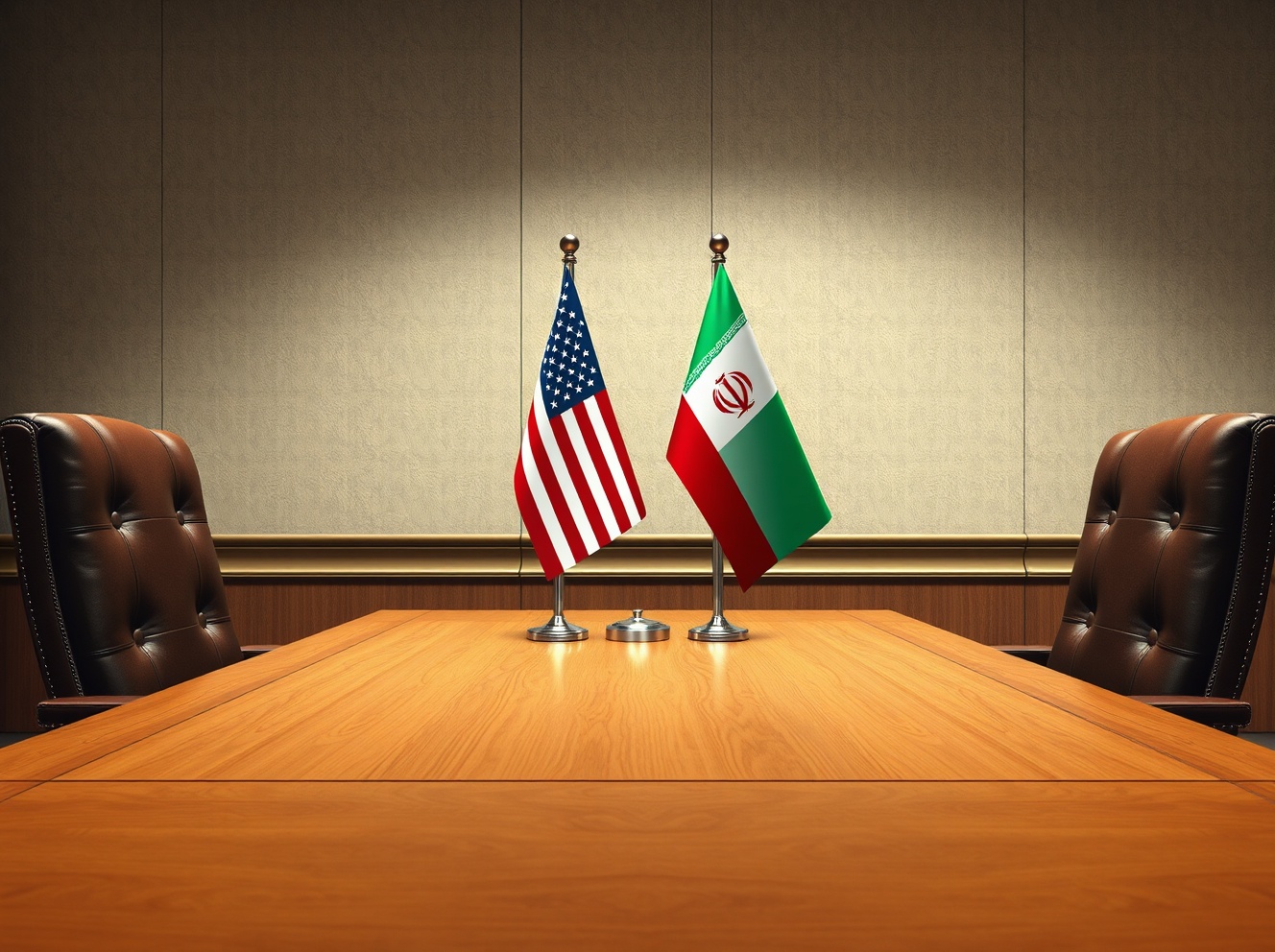
Trump Iran Negotiations: President Reveals Potential Breakthrough in Stalled Diplomacy
WASHINGTON, D.C. — In a statement that could signal a potential shift in a long-stalled diplomatic process, U.S. President Donald Trump asserted that negotiations with the Islamic Republic of Iran could be possible within a remarkably short timeframe. Speaking during a Fox News interview, the President specifically mentioned a window of “five days or sooner,” injecting a new sense of immediacy into the complex U.S.-Iran relationship. This declaration arrives, however, against a backdrop of contradictory statements from Iranian officials, who have consistently denied any recent direct contact. Consequently, the international community now watches closely to see if these Trump Iran negotiations will materialize or represent another chapter in the protracted saga of miscommunication between the two nations.
Analyzing the Trump Iran Negotiations Claim
President Trump’s comments, made directly to a national television audience, presented a notably optimistic timeline. He stated, “negotiations with Iran could be possible within five days or sooner.” Furthermore, he directly addressed conflicting narratives by adding that he did not know what Iranian media was reporting. To bolster his claim, the President emphasized that “the most recent talks with Iran took place last night” and characterized the Iranian side as “eager to negotiate.” This direct assertion from the Oval Office carries significant weight and immediately raises questions about the channels and levels of any such discussions. Historically, backchannel communications have often preceded public announcements in sensitive diplomacy. Therefore, experts are scrutinizing whether this statement reflects established backchannel progress or serves as a public overture to initiate contact.
The Contradictory Iranian Position
The President’s assertion stands in stark contrast to the official position repeatedly stated by Iranian authorities. In the days preceding Trump’s interview, multiple Iranian foreign ministry spokespersons and government-aligned media outlets explicitly denied any form of recent communication with the United States. Their statements clarified there was “no direct contact” and, significantly, “no communication through intermediaries.” This firm denial creates a fundamental disconnect. Analysts point to several possible explanations for this discrepancy. First, internal political dynamics within Iran’s complex governance structure may prevent public acknowledgment of talks. Second, Tehran may be employing a strategic ambiguity to strengthen its negotiating position. Finally, there remains the possibility that the two sides define “talks” or “contact” differently, perhaps referring to signals sent through third parties rather than formal meetings.
Historical Context and the Path to This Moment
To fully understand the gravity of these statements, one must consider the recent history of U.S.-Iran relations. The relationship reached a low point following the U.S. withdrawal from the Joint Comprehensive Plan of Action (JCPOA), commonly known as the Iran nuclear deal, in 2018. Subsequently, the U.S. reinstated severe economic sanctions under a “maximum pressure” campaign. Tensions escalated further with incidents in the Persian Gulf and the 2020 strike that killed Iranian General Qasem Soleimani. This history makes the prospect of imminent negotiations particularly significant. It suggests a potential departure from a prolonged period of escalation. The timeline of public statements is therefore critical. For instance, the conflicting narratives between Washington and Tehran have become a recurring theme, often reflecting the deep-seated mistrust that defines the bilateral relationship.
Potential Impacts and Global Implications
The potential resumption of dialogue carries profound implications for global geopolitics and regional stability. Key areas of impact include:
- Oil Markets: Any de-escalation could lead to increased stability in global oil supplies from the Persian Gulf, potentially affecting energy prices worldwide.
- Regional Security: Neighboring countries, including Israel, Saudi Arabia, and the Gulf states, would recalibrate their security policies based on the tone and substance of any talks.
- Non-Proliferation: The core issue of Iran’s nuclear program would inevitably be a central topic, influencing global non-proliferation efforts.
- Economic Sanctions: The future of the extensive U.S. sanctions regime, a primary tool of American policy, would hinge on negotiation outcomes.
The following table outlines the primary stated positions as of this reporting:
| Party | Stated Position on Contact | Stated Position on Negotiations |
|---|---|---|
| United States (President Trump) | Talks occurred “last night.” | Possible within “five days or sooner.” |
| Iran (Foreign Ministry Statements) | No direct or intermediary contact. | No formal position on immediate talks announced. |
Expert Analysis on Feasibility and Strategy
Foreign policy analysts and former diplomats offer a spectrum of interpretations regarding the five-day timeline. Some view it as a confident signal from the White House that channels are, in fact, open and productive. Others interpret it as a high-pressure tactic, designed to force Iran’s hand by publicly setting a short deadline and portraying them as eager. The mention of a specific, brief timeframe is unusual in statecraft and could be intended to cut through bureaucratic inertia. Furthermore, the choice of Fox News for the announcement may indicate a desire to communicate directly with a domestic political base about a potential foreign policy shift. Regardless of the intent, the statement has undeniably moved the issue to the forefront of international news, creating a new reference point for all subsequent diplomatic maneuvers.
Media’s Role in Shaping the Narrative
The President’s direct comment about being unaware of Iranian media reports highlights the critical role media narratives play in modern diplomacy. Both sides use media statements to send signals, shape domestic opinion, and influence international perceptions. The conflict between the Fox News interview and reports from Iranian state media like IRNA creates a “he said, they said” dynamic that complicates public understanding. This environment makes verifying claims exceptionally difficult for observers and underscores the importance of relying on actions—such as the scheduling of verifiable meetings or mutual confidence-building measures—over words alone. The coming days will be crucial in determining which narrative aligns with on-the-ground diplomatic reality.
Conclusion
President Trump’s announcement of potential Trump Iran negotiations within a five-day window has introduced a new and urgent variable into an already volatile geopolitical equation. While the claim is bold and specific, it remains unverified by the other party and contradicts recent Iranian denials. The path forward hinges on whether this statement precipitates tangible diplomatic engagement or becomes another point of contention. The international community will now monitor for concrete steps, such as the announcement of a meeting location or the confirmation of envoys. The outcome will significantly influence Middle Eastern stability, global energy markets, and the broader landscape of international diplomacy for the foreseeable future.
FAQs
Q1: What exactly did President Trump say about negotiations with Iran?
In a Fox News interview, President Trump stated that negotiations with Iran “could be possible within five days or sooner.” He added that the most recent talks happened “last night” and described the Iranian side as “eager to negotiate.”
Q2: How has Iran responded to Trump’s claim of recent talks?
Official Iranian sources, including foreign ministry spokespersons, have repeatedly denied any recent direct contact or communication through intermediaries with the United States, directly contradicting the President’s assertion.
Q3: Why is there such a big discrepancy between the U.S. and Iranian statements?
Possible reasons include the use of undisclosed backchannels, differing definitions of “contact,” internal political constraints within Iran that prevent public acknowledgment, or the employment of strategic ambiguity as a negotiating tactic by one or both sides.
Q4: What are the main obstacles to U.S.-Iran negotiations?
Key obstacles include deep mutual mistrust, the U.S. withdrawal from the 2015 nuclear deal (JCPOA), ongoing severe U.S. economic sanctions, Iran’s regional activities, and the status of its nuclear program.
Q5: What would be the global impact if negotiations actually began?
Successful negotiations could stabilize the Middle East, impact global oil prices, reshape regional alliances, and address international concerns about nuclear non-proliferation. Failure to begin talks would likely perpetuate the current cycle of tension and periodic escalation.
This post Trump Iran Negotiations: President Reveals Potential Breakthrough in Stalled Diplomacy first appeared on BitcoinWorld.


You May Also Like

XRP ETFs See Biggest Inflows Since January as Ripple Momentum Builds

Q2 Market Insights: Bitcoin regains dominance in risk-averse environment, ETFs remain critical to market structure




