Grayscale’s Head of Research: XRP Will Be Repriced Once This Happens in the U.S.
Regulatory clarity continues to shape expectations across the digital asset market, especially as institutional participants demand well-defined legal frameworks before committing capital at scale. In environments where classification remains ambiguous, assets often trade at a discount relative to their potential. As the regulatory landscape evolves, market participants increasingly position themselves ahead of potential structural shifts that could redefine asset valuations.
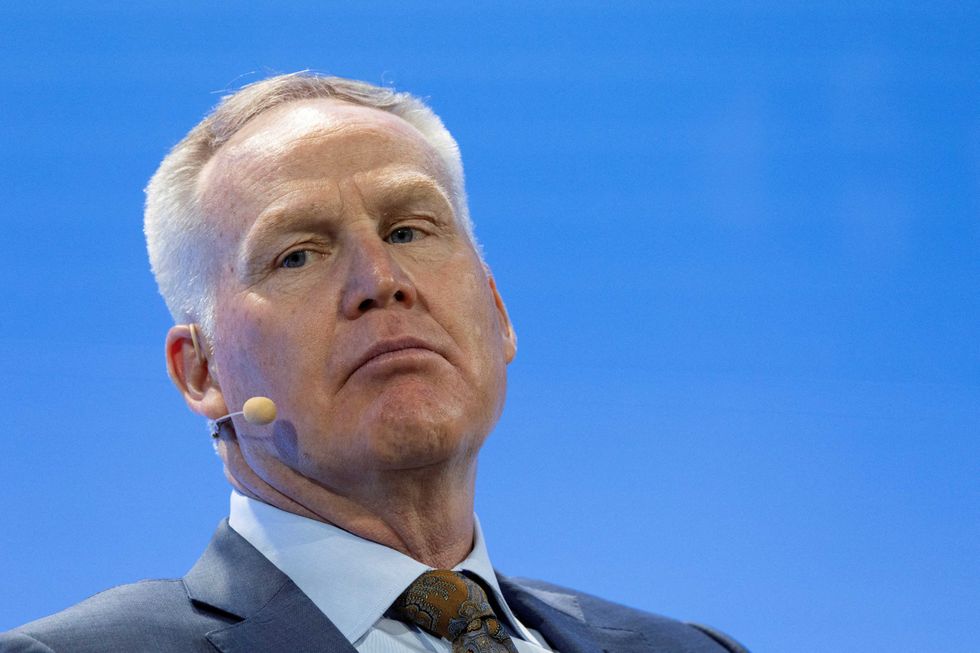
According to Crypto Dyl News, a recent podcast discussion featured Zach Pandl, who outlined how forthcoming U.S. legislation could influence the valuation of XRP. His remarks, shared during a March 2026 interview on the Paul Barron Podcast, focus on the anticipated impact of the Clarity Act on market structure and pricing dynamics.
Regulatory Classification Drives Market Confidence
Pandl emphasizes that clear classification under U.S. law represents a critical inflection point. The Clarity Act aims to define whether digital assets fall under securities, commodities, or alternative categories. This distinction directly affects how exchanges list assets, how custodians manage them, and how institutions evaluate compliance requirements.
When regulatory uncertainty persists, institutions limit exposure due to legal and operational risks. Once lawmakers establish clear guidelines, market participants gain confidence to allocate capital more freely. This shift often leads to revaluation, as assets transition from uncertain instruments to regulated financial products.
Institutional Participation Expands Demand
Pandl’s analysis highlights the role of institutional capital in driving repricing events. Asset managers, hedge funds, and corporate treasuries typically require regulatory certainty before integrating digital assets into portfolios or payment systems. Clear legislation removes friction points that previously restricted entry.
As access expands, demand can increase significantly. Institutions bring not only capital but also liquidity, market depth, and long-term holding strategies. These factors contribute to more stable and efficient markets, which can support higher valuation ranges over time.
XRP’s Position in a Post-Clarity Environment
XRP has already undergone extensive legal scrutiny in the United States, and market participants continue to assess its classification status. The introduction of comprehensive legislation would further clarify its position within the broader financial system.
Clear rules would influence how exchanges, custodians, and financial service providers integrate XRP into their offerings. This integration could expand its accessibility and improve its utility as a liquidity and settlement asset, particularly in cross-border transactions.
Repricing as a Structural Adjustment
Pandl’s perspective suggests that repricing may occur as a structural adjustment rather than a gradual trend. Markets often react quickly when uncertainty resolves, especially when that uncertainty has suppressed valuations over time.
If the Clarity Act becomes law, XRP could experience a reassessment driven by reduced regulatory risk and increased institutional participation. In that scenario, price movement would reflect not speculation alone, but a recalibration aligned with clearer legal definitions and broader market access.
Disclaimer: This content is meant to inform and should not be considered financial advice. The views expressed in this article may include the author’s personal opinions and do not represent Times Tabloid’s opinion. Readers are urged to do in-depth research before making any investment decisions. Any action taken by the reader is strictly at their own risk. Times Tabloid is not responsible for any financial losses.
Follow us on Twitter, Facebook, Telegram, and Google News
The post Grayscale’s Head of Research: XRP Will Be Repriced Once This Happens in the U.S. appeared first on Times Tabloid.
You May Also Like

Nvidia CEO Says AI Skills Beat Degrees in Hiring

Solana Price Prediction Needs a Year to Match What Pepeto Targets on Listing Day