

Dow Jones Futures Surge on Renewed Optimism for US-Iran Peace Proposal
BitcoinWorld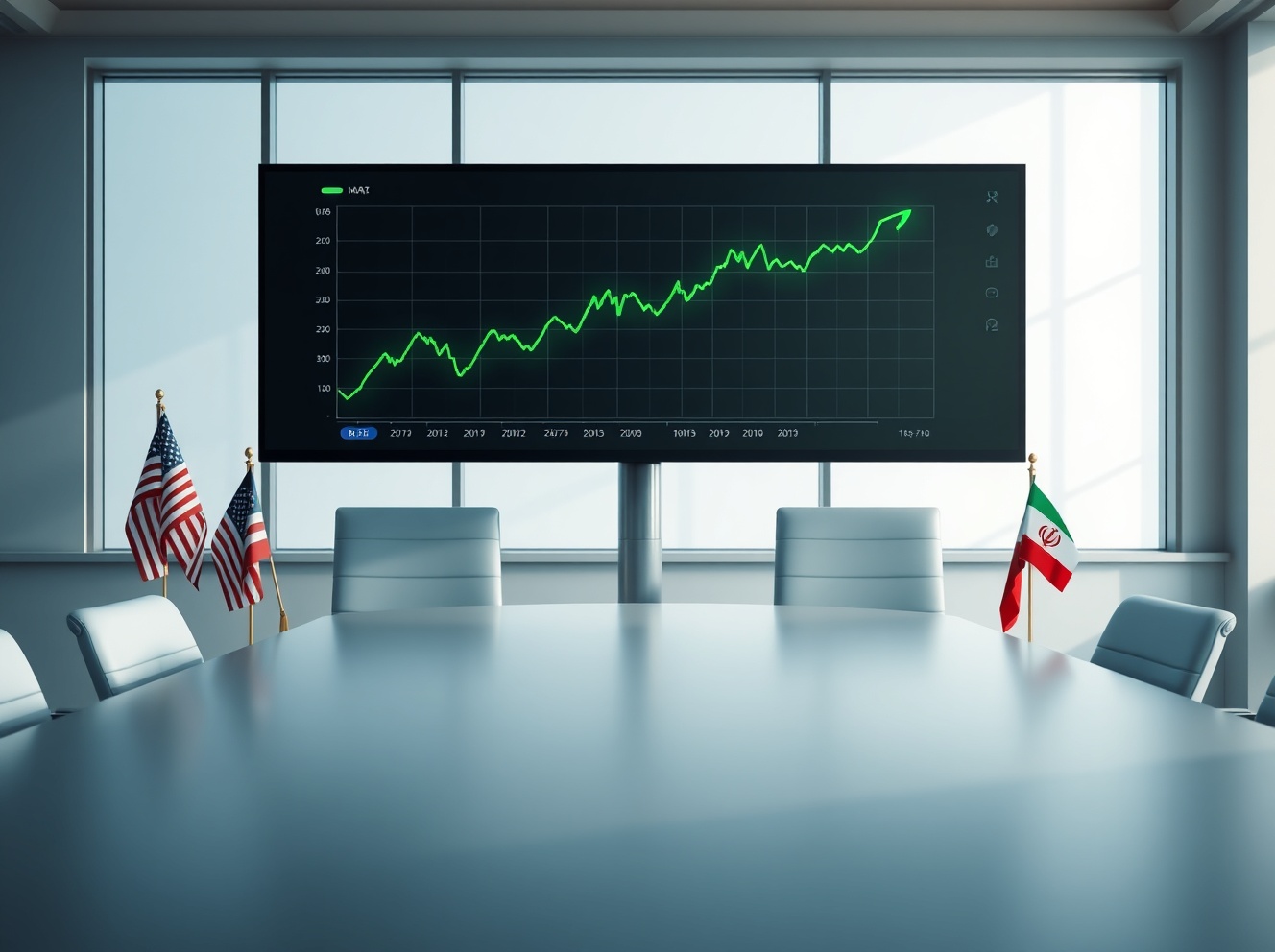
Dow Jones Futures Surge on Renewed Optimism for US-Iran Peace Proposal
NEW YORK – February 15, 2025: Dow Jones Industrial Average futures climbed significantly in pre-market trading today, signaling a robust opening for Wall Street. This notable surge stems directly from growing market optimism surrounding a newly proposed framework for peace talks between the United States and Iran. Consequently, investors are swiftly reassessing the geopolitical risk premium that has long weighed on global markets.
Dow Jones Futures React to Diplomatic Signals
Early trading data showed Dow Jones futures advancing by over 300 points. This positive movement follows a late-night announcement from diplomatic sources. Specifically, officials from neutral intermediary nations confirmed the circulation of a preliminary discussion document. Therefore, the market is interpreting this as the most substantive step toward de-escalation in years. Historically, tensions in the Strait of Hormuz, a critical oil chokepoint, have triggered immediate volatility. However, today’s price action suggests a decisive shift in trader sentiment toward a more stable outlook.
Market analysts point to several immediate factors. First, reduced fears of supply disruption are easing energy sector pressures. Second, defense and aerospace stocks, often buoyed by conflict, are seeing mixed reactions. Finally, broader industrial and technology shares are leading the gains. This pattern indicates a classic “risk-on” rotation, where capital flows from perceived safe havens into growth-oriented assets.
Anatomy of the US-Iran Peace Proposal
The reported proposal outlines a phased approach to diplomacy. According to summaries from European diplomatic correspondents, the framework includes distinct stages. Initial steps involve a mutual freeze on certain military posturing. Subsequently, talks would address the core issues of nuclear program limits and sanctions relief. Crucially, the proposal includes verification mechanisms supervised by the International Atomic Energy Agency (IAEA).
Previous negotiation attempts provide essential context. The 2015 Joint Comprehensive Plan of Action (JCPOA) collapsed after the US withdrawal in 2018. Since then, regional proxy conflicts and uranium enrichment activities have increased. The current proposal appears to build upon the JCPOA’s structure while attempting to address prior criticisms. It reportedly includes more robust provisions on ballistic missiles and regional activities.
Expert Analysis on Market Implications
“Financial markets are acting as a leading indicator of perceived geopolitical stability,” explains Dr. Anya Sharma, Chief Geopolitical Strategist at Global Macro Advisors. “The futures movement isn’t just about oil prices. It’s a comprehensive recalibration. Investors are pricing in lower long-term volatility, reduced insurance costs for shipping, and potentially freer trade corridors. This has positive implications for multinational corporate earnings forecasts for Q3 and Q4 of 2025.”
Data from the CBOE Volatility Index (VIX) supports this analysis. The so-called “fear index” dropped sharply in tandem with the futures rally. Furthermore, Treasury yields edged higher, signaling a move out of ultra-safe government bonds. This synchronized activity across asset classes confirms a macro-level shift in risk assessment.
Historical Context and Economic Impact
To understand the market’s vigorous response, one must examine the economic cost of US-Iran tensions. A 2024 study by the International Institute for Strategic Studies quantified the annual “geopolitical risk tax” on global GDP. The study estimated a drag of 0.3% to 0.7%, primarily through elevated energy costs and suppressed business investment in the broader Middle East region.
The potential economic impacts of a sustained detente are significant:
- Energy Markets: Stabilized oil prices below $80 per barrel could reduce global inflationary pressures.
- Trade Routes: Secure navigation through the Persian Gulf lowers logistics costs for Asian and European trade.
- Regional Markets: Neighboring Gulf Cooperation Council (GCC) stock exchanges also posted gains, anticipating a peace dividend.
- Defense Spending: Long-term budget assumptions may adjust if sustained military presence requirements diminish.
The following table contrasts key market metrics from the week prior to the news versus this morning’s reaction:
| Metric | Pre-News (Feb 14) | Post-News Reaction (Feb 15) | Change |
|---|---|---|---|
| Dow Jones Futures | 39,150 | 39,475 | +325 pts |
| Brent Crude (per barrel) | $84.50 | $81.20 | -$3.30 |
| US 10-Year Treasury Yield | 4.05% | 4.18% | +0.13% |
| VIX Index | 18.5 | 15.1 | -3.4 pts |
Skepticism and Key Challenges Ahead
Despite the optimistic market response, significant diplomatic hurdles remain. Regional allies of both nations have expressed cautious reactions. Furthermore, domestic political opposition in both Washington and Tehran could complicate formal adoption. Past agreements have faltered during the implementation phase, a risk markets may be underestimating in their initial enthusiasm.
Analysts warn that the road from a proposal to a ratified agreement is long. Verification protocols, the sequencing of sanctions relief, and the status of regional militias are all potential flashpoints. Consequently, the current market rally reflects hope rather than a guaranteed outcome. Traders will closely monitor statements from key officials in the coming days for confirmation or clarification.
The Role of Global Economic Conditions
The current global economic backdrop amplifies the market’s positive reaction. With central banks in a tentative easing cycle and growth concerns lingering, a reduction in a major geopolitical headwind is particularly welcome. It provides policymakers with more flexibility and could improve business confidence surveys. This synergy between geopolitics and macroeconomics explains the scale of the move in Dow Jones futures.
Conclusion
The rise in Dow Jones futures offers a clear, quantitative measure of the financial world’s response to the US-Iran peace proposal. It underscores how deeply geopolitical stability is woven into asset prices. While the path forward is fraught with challenges, the market’s initial verdict is one of cautious optimism. This shift reduces a persistent risk premium and could, if sustained, contribute to a more favorable environment for global economic growth in 2025. Investors will now watch for concrete diplomatic progress to validate today’s substantial pre-market gains.
FAQs
Q1: What exactly are Dow Jones futures?
Dow Jones futures are financial contracts that allow investors to buy or sell the Dow Jones Industrial Average at a predetermined price on a future date. They trade nearly 24 hours a day and are a key indicator of where traders believe the market will open when regular trading begins.
Q2: Why does a US-Iran peace proposal affect the stock market?
Geopolitical tension in the Middle East creates risk for global oil supplies, trade routes, and regional stability. This uncertainty forces investors to demand a higher “risk premium,” lowering asset valuations. A credible peace proposal reduces this perceived risk, leading to upward price adjustments.
Q3: Has the peace proposal been officially agreed upon?
No. Reports indicate a formal proposal has been circulated among relevant parties, marking a serious step toward negotiations. However, it is not a signed agreement. The market is reacting to the increased probability of a future deal.
Q4: Which market sectors benefit most from this news?
Sectors sensitive to energy costs and global trade typically benefit first. This includes transportation (airlines, shipping), manufacturing, and consumer discretionary. The energy sector may see mixed results due to potentially lower oil prices.
Q5: Could this market optimism reverse quickly?
Yes. Geopolitical news-driven rallies can be volatile. If diplomatic talks stall, face public rejection from key leaders, or if hostile incidents occur, the market could swiftly give back these gains. The situation remains fluid.
This post Dow Jones Futures Surge on Renewed Optimism for US-Iran Peace Proposal first appeared on BitcoinWorld.


You May Also Like

Gold Price Forecast: Stable at $4,700 as markets await news from Trump-Xi meeting




