BitcoinWorld Milkyway Layer 1 Shutdown: A Strategic Pivot Sends Assets Back to Native Blockchains In a significant development for the interoperable blockchainBitcoinWorld Milkyway Layer 1 Shutdown: A Strategic Pivot Sends Assets Back to Native Blockchains In a significant development for the interoperable blockchain

Milkyway Layer 1 Shutdown: A Strategic Pivot Sends Assets Back to Native Blockchains

2026/03/26 13:15
6 min read
For feedback or concerns regarding this content, please contact us at [email protected]

BitcoinWorld
BitcoinWorld
Milkyway Layer 1 Shutdown: A Strategic Pivot Sends Assets Back to Native Blockchains

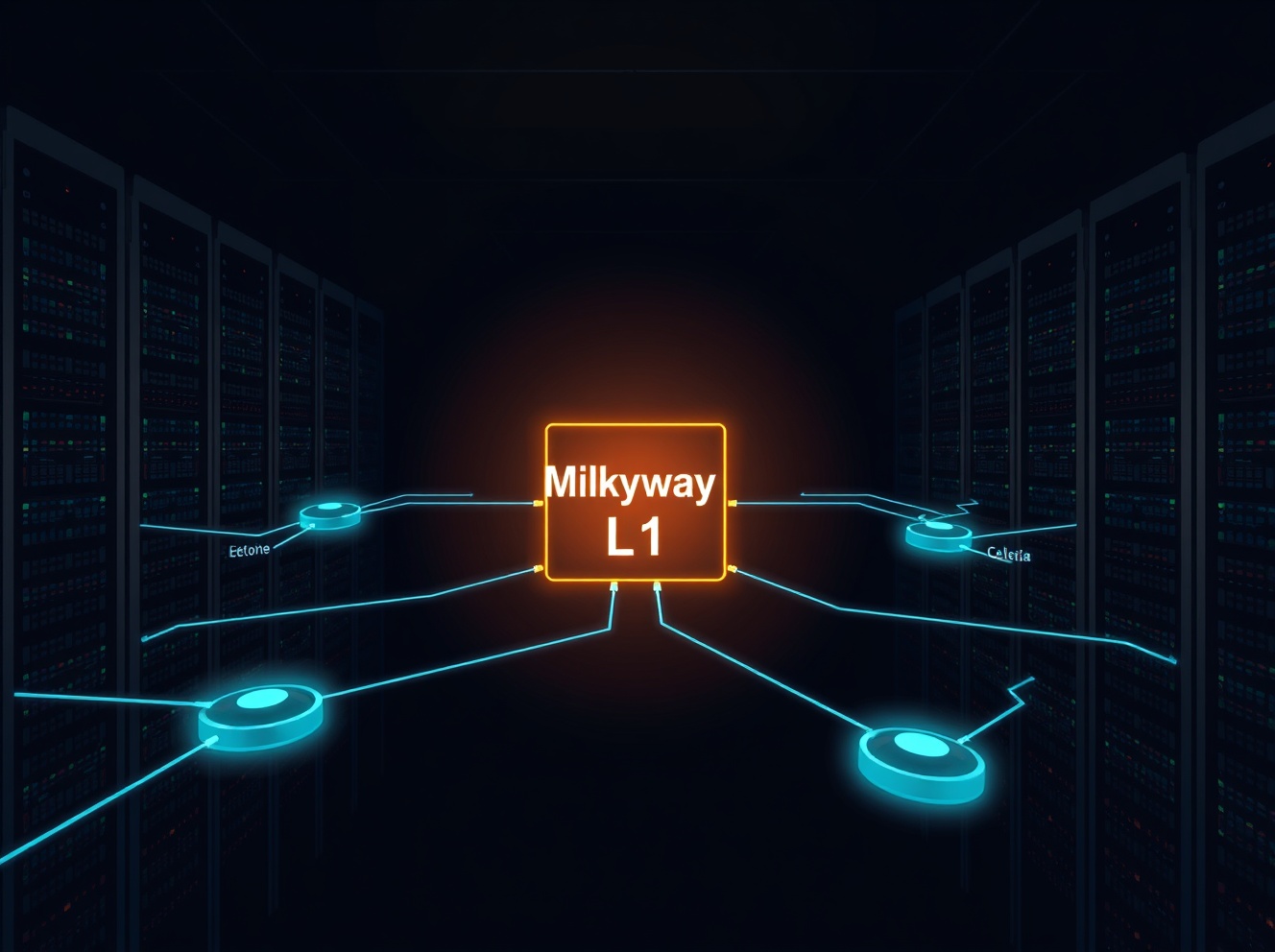
In a significant development for the interoperable blockchain sector, the Milkyway (MILK) project has officially announced the termination of its standalone Layer 1 blockchain operations. This decisive move, confirmed by the project’s core development team, follows a completed network update designed to safeguard user assets. Consequently, the platform has systematically returned all on-chain assets to their original, native blockchains. For users, this means assets like TIA are now directly accessible on the Celestia chain, marking the end of Milkyway’s role as an independent settlement layer.

Understanding the Milkyway Layer 1 Shutdown

The Milkyway shutdown represents a strategic recalibration within a competitive blockchain landscape. Initially launched to facilitate cross-chain asset movement and staking, the project’s Layer 1 served as a dedicated hub. However, maintaining a secure, decentralized, and competitive base layer requires immense resources. The team cited evolving technical roadmaps and a focus on core interoperability strengths as primary reasons for the consolidation. This process underscores a broader industry trend where projects streamline operations to enhance sustainability.

Furthermore, the shutdown was not abrupt. The development team executed a carefully orchestrated technical wind-down. This procedure involved a final network upgrade that initiated the asset return protocol. Importantly, this ensured all user funds remained secure and controllable throughout the transition. The team prioritized transparency, providing clear communication channels for user support during the migration period.

The Technical Process of Asset Repatriation

The core technical achievement lies in the asset repatriation mechanism. Milkyway’s architecture held wrapped or representative versions of assets from other chains. For instance, a user’s TIA on Milkyway was a bridged representation of the native Celestia asset. The final upgrade triggered a batch process that burned these wrapped tokens on the Milkyway chain. Simultaneously, it released the corresponding native tokens from custody on the source chain.

  • User Action: Notably, most users did not need to initiate transactions. The process was automated at the protocol level.
  • Verification: Users must simply check their wallets on the native chain (e.g., Celestia, Cosmos) to confirm asset receipt.
  • Finality: The Milkyway Layer 1 blockchain will eventually cease producing new blocks, finalizing all state.

This approach minimized friction and potential errors for the end-user. It also demonstrated a responsible shutdown framework that other projects may study. The alternative—requiring manual withdrawals under time pressure—often leads to lost funds.

Expert Analysis on Blockchain Sustainability

Industry analysts often highlight the resource intensity of Layer 1 operation. A blockchain requires constant security, node incentivization, developer tooling, and ecosystem marketing. For smaller projects, this can divert focus from their unique value proposition. “We are observing a maturation phase,” notes a blockchain infrastructure analyst from a major research firm. “Projects are making pragmatic choices to concentrate resources. A graceful exit that protects users is far more valuable to the ecosystem than a struggling chain.” This perspective frames the Milkyway shutdown not as a failure, but as a responsible strategic pivot.

Implications for the Broader Interoperability Ecosystem

The decision carries meaningful implications for the interconnected blockchain world. First, it reinforces the critical importance of reversible bridges and trustworthy custody solutions during cross-chain activities. Second, it may signal a shift towards application-specific chains (appchains) leveraging established Layer 1s for security, rather than building entirely new ones. Projects might now favor a rollup or sovereign chain model atop ecosystems like Cosmos or Polkadot.

Moreover, the event highlights user priorities. Security and asset sovereignty remain paramount. The successful, uneventful return of assets like TIA to Celestia strengthens trust in protocols that implement robust exit mechanisms. This could become a standard expectation for new cross-chain projects.

Key Timeline of Milkyway Layer 1 Operations
Phase Description User Impact
Launch & Operation Milkyway L1 functions as an independent hub for cross-chain assets. Users stake and transfer assets via the Milkyway chain.
Shutdown Announcement Project team announces plan to terminate L1 services. Users advised of upcoming changes and automated process.
Final Network Upgrade Protocol update deploys asset return smart contract logic. Automated repatriation begins; wrapped tokens are burned.
Asset Return Completion All eligible assets are released to native chains. Users find assets (e.g., TIA) in their native chain wallets.
Chain Finality Milkyway L1 stops producing blocks; network enters read-only state. Historical data remains queryable, but no new transactions.

Conclusion

The Milkyway Layer 1 shutdown illustrates a mature and user-centric approach to blockchain project evolution. By prioritizing asset security through an automated return process, the project has set a responsible precedent for protocol sunsetting. This event underscores the dynamic nature of cryptocurrency infrastructure, where strategic focus can shift to ensure long-term value and user protection. The seamless return of assets like TIA to the Celestia chain concludes this chapter, allowing users and developers to re-engage with the assets on their native networks without loss or complication.

FAQs

Q1: What does the Milkyway Layer 1 shutdown mean for my MILK tokens?
The announcement pertains to the Layer 1 blockchain service. The status and utility of the MILK token itself, which may exist on other chains or within other project modules, should be clarified by the official Milkyway project channels. Users must consult the latest project announcements for specific token guidance.

Q2: How do I access my TIA after the shutdown?
Your TIA has been automatically returned to the Celestia blockchain. You should access it using the same wallet address (that you controlled on Milkyway) within a Celestia-compatible wallet interface. No action was required on your part to trigger this transfer.

Q3: Was the asset return process secure?
According to the project’s technical documentation, the process used a protocol-level upgrade to automate the return. This method is generally considered secure as it removes the need for individual users to sign transactions on a sunsetting network, reducing phishing and error risks. The funds were released from cross-chain custody contracts on the native chains.

Q4: Can I still view my transaction history on the Milkyway chain?
Typically, after a chain halts, block explorers may remain in a read-only state for some time, allowing users to view historical transactions. However, this depends on the project maintaining those explorer services. For permanent records, users should have saved their transaction hashes and details prior to the shutdown.

Q5: Does this affect other projects built on Milkyway?
Yes, any decentralized applications (dApps) or services that relied exclusively on the Milkyway Layer 1 blockchain for execution or settlement will cease to function. Those projects would have needed to migrate their logic and state to an alternative chain prior to the shutdown, a process that should have been communicated by their respective teams.

This post Milkyway Layer 1 Shutdown: A Strategic Pivot Sends Assets Back to Native Blockchains first appeared on BitcoinWorld.


Market Opportunity
Ucan fix life in1day Logo
Ucan fix life in1day Price(1)
$0.0003737
$0.0003737$0.0003737
+0.89%
USD
Ucan fix life in1day (1) Live Price Chart
Disclaimer: The articles reposted on this site are sourced from public platforms and are provided for informational purposes only. They do not necessarily reflect the views of MEXC. All rights remain with the original authors. If you believe any content infringes on third-party rights, please contact [email protected] for removal. MEXC makes no guarantees regarding the accuracy, completeness, or timeliness of the content and is not responsible for any actions taken based on the information provided. The content does not constitute financial, legal, or other professional advice, nor should it be considered a recommendation or endorsement by MEXC.

You May Also Like

Nvidia shares fall 3%

Nvidia shares fall 3%

The post Nvidia shares fall 3% appeared on BitcoinEthereumNews.com. Home » AI » Nvidia shares fall 3% Chipmaker extends decline as investors continue to take profits from recent highs. Photo: Budrul Chukrut/SOPA Images/LightRocket via Getty Images Key Takeaways Nvidia’s stock decreased by 3% today. The decline extends Nvidia’s recent losing streak. Nvidia shares fell 3% today, extending the chipmaker’s recent decline. The stock dropped further during trading as the artificial intelligence chip leader continued its pullback from recent highs. Disclaimer Source: https://cryptobriefing.com/nvidia-shares-fall-2-8/
Share
BitcoinEthereumNews2025/09/18 03:13
Crypto Real Estate Hedge: Eric Trump Unlocks a Revolutionary Strategy

Crypto Real Estate Hedge: Eric Trump Unlocks a Revolutionary Strategy

BitcoinWorld Crypto Real Estate Hedge: Eric Trump Unlocks a Revolutionary Strategy In the dynamic world of finance, investors constantly seek innovative ways to safeguard and grow their wealth. Recently, Eric Trump, a prominent figure in real estate and business, made a notable statement that has captured significant attention: he believes a crypto real estate hedge is the perfect solution for protecting property assets. This perspective opens up a fascinating discussion about the evolving relationship between traditional investments and the burgeoning digital asset space. What Exactly is a Crypto Real Estate Hedge? When we talk about a crypto real estate hedge, we are referring to the strategy of using cryptocurrency investments to offset potential risks or volatility in a real estate portfolio. Think of it as diversifying your financial safety net. Historically, investors have used various assets like gold, bonds, or different market sectors to hedge against downturns in other areas. Cryptocurrency, with its unique characteristics, presents a fresh option for this strategy. Its often uncorrelated price movements relative to traditional markets can provide a valuable counterweight during economic shifts. This approach isn’t about replacing real estate, but rather enhancing its resilience through strategic digital asset allocation. Why Consider Crypto for Your Property Portfolio? The idea of integrating cryptocurrency into a real estate strategy might seem unconventional at first, but several compelling reasons support it: Diversification: Cryptocurrencies often operate independently of traditional financial markets. This lack of correlation can reduce overall portfolio risk, making it a strong diversification tool. Inflation Protection: Some cryptocurrencies, particularly Bitcoin, are seen by many as a hedge against inflation due to their finite supply. As fiat currencies lose purchasing power, a strong digital asset might retain or even increase in value. Liquidity: While real estate is a long-term, illiquid asset, cryptocurrencies offer high liquidity. You can convert them to cash relatively quickly, providing access to funds when needed. Accessibility: Digital assets are globally accessible, allowing investors to participate in a market that transcends geographical boundaries and traditional banking hours. Eric Trump’s endorsement underscores a growing recognition of these benefits among seasoned investors. He sees it as a forward-thinking move to secure wealth in an unpredictable economic climate. Navigating the Challenges of a Crypto Real Estate Hedge While the potential benefits are clear, adopting a crypto real estate hedge strategy is not without its challenges. The cryptocurrency market is known for its volatility, with prices often experiencing dramatic swings. This inherent risk requires a cautious and informed approach. Moreover, the regulatory landscape for cryptocurrencies is still evolving. Different countries and jurisdictions have varying rules, which can impact how digital assets are taxed and managed. Investors must also contend with the technical aspects of securely storing and managing their crypto holdings. Understanding wallet security, exchange reliability, and potential cyber threats is paramount. Therefore, thorough research and a clear understanding of your risk tolerance are essential before integrating crypto into your investment strategy. Actionable Insights for Property Investors For real estate investors considering a crypto real estate hedge, here are some actionable steps: Start Small: Begin with a modest allocation to cryptocurrencies that aligns with your overall investment goals and risk profile. You do not need to commit a large portion of your assets initially. Educate Yourself: Learn about different cryptocurrencies, blockchain technology, and market dynamics. Understanding the fundamentals is key to making informed decisions. Choose Wisely: Focus on established cryptocurrencies with strong fundamentals and a proven track record, such as Bitcoin or Ethereum, rather than highly speculative altcoins. Prioritize Security: Use reputable exchanges and secure storage solutions (like hardware wallets) for your digital assets. Two-factor authentication is a must. Consult Experts: Speak with financial advisors who understand both real estate and cryptocurrency markets. They can help tailor a strategy that suits your individual needs. This strategic integration can provide a robust layer of protection, especially during periods of economic uncertainty. It represents a modern approach to asset management, blending traditional stability with digital innovation. The Future of Asset Protection: A Compelling Summary Eric Trump’s statement about cryptocurrency being a perfect hedge for real estate assets highlights a significant shift in investment thinking. The concept of a crypto real estate hedge is gaining traction as investors seek resilient strategies in an increasingly interconnected and volatile global economy. While challenges exist, the potential for diversification, inflation protection, and enhanced liquidity makes cryptocurrency a compelling consideration for safeguarding and growing wealth. As the digital asset landscape matures, its role in traditional investment portfolios is likely to expand, offering innovative solutions for asset protection and growth. Embracing this forward-thinking approach could be a key differentiator for investors looking to future-proof their wealth. Frequently Asked Questions (FAQs) 1. What does ‘hedge’ mean in the context of a crypto real estate hedge? A hedge is an investment made to reduce the risk of adverse price movements in an asset. In this case, a crypto real estate hedge uses cryptocurrency to protect against potential declines or volatility in real estate values. 2. Is cryptocurrency a stable investment for hedging? Cryptocurrency is known for its volatility. However, its often uncorrelated price movements with traditional assets like real estate can make it an effective hedge, providing diversification even with its inherent risks. The key is strategic allocation and understanding. 3. Which cryptocurrencies are best for a real estate hedge? While any cryptocurrency could theoretically be used, investors typically consider larger, more established assets like Bitcoin (BTC) or Ethereum (ETH) due to their higher liquidity and broader adoption. These are generally considered less volatile than newer, smaller altcoins. 4. How much crypto should I allocate for a real estate hedge? The ideal allocation depends on your individual risk tolerance, overall portfolio size, and financial goals. Many financial advisors suggest starting with a small percentage, perhaps 1-5% of your total portfolio, and adjusting as you gain more understanding and comfort with the asset class. 5. What are the tax implications of using crypto as a hedge? Tax implications for cryptocurrency vary significantly by jurisdiction. Generally, capital gains from selling crypto are taxable, and some countries also tax crypto income or even certain transactions. It is crucial to consult with a tax professional familiar with cryptocurrency regulations in your region. Did you find this article insightful? Share it with your network and spark a conversation about the future of investment strategies! To learn more about the latest crypto market trends, explore our article on key developments shaping Bitcoin institutional adoption. This post Crypto Real Estate Hedge: Eric Trump Unlocks a Revolutionary Strategy first appeared on BitcoinWorld.
Share
Coinstats2025/09/18 01:30
Why Customers Are Choosing Digital Banks Over Traditional Banks

Why Customers Are Choosing Digital Banks Over Traditional Banks

A 2025 J.D. Power survey of 90,000 retail banking customers across 18 countries found that digital banks outperformed traditional banks on customer satisfaction
Share
Techbullion2026/03/26 17:58