

13 Best Things To Do In Da Nang, Vietnam (2026 Guide)
Vietnam’s central coast is hiding one of Southeast Asia’s most underrated cities…
And Da Nang is finally getting the attention it deserves. Think pristine beaches that stretch for kilometres, marble mountains with Buddhist shrines tucked inside, a fire-breathing dragon bridge, and a laid-back vibe that feels nothing like the hustle of Hanoi or Ho Chi Minh City.
Whether you’re planning a quick 3-day stopover or building it into a longer Vietnam trip, this guide covers everything you need: what Da Nang is famous for, the best things to do in Da Nang day and night, practical tips on weather, budget, and how to get to Hội An.
 Stay Up To Date:
– Hong Kong ATM Withdrawal Guide: Fees, Locations, Exchange Rates (2026)
– 33 Things to Do in Kyoto, Japan: Top Attractions, Food & Travel Tips
– Car Rental Tokyo Guide 2026: Top Providers, Prices & Tips for Tourists
 TL;DR: Da Nang at a Glance
| Highlights | Details |
|---|---|
| Best time to visit | February – May (dry season, cool mornings) |
| Months to avoid | September – November (typhoon season) |
| Best for | Beaches, culture, food, day trips |
| Is 3 days enough? | Yes — for highlights. 5 days if adding Hội An + Ba Na Hills |
| Getting there from HCM | Plane (1.5 hrs from ~S$40); Train (16 hrs, ~S$37); Bus (17–24 hrs, ~S$40–141) |
| Da Nang to Hội An | ~30 min by taxi or Grab (~S$8–12) |
| Budget (2 weeks Vietnam) | S$1,000 is doable on a budget; S$1,500–2,000 is comfortable |
| Currency | Vietnamese Dong (VND) |
| Top tip | Pay overseas with a YouTrip card — 0% foreign transaction fees |
 Table of Contents
- What Is Da Nang Famous For?
- Da Nang Weather & Best Time to Visit
- Is 3 Days Enough for Da Nang?
- How to Get from Ho Chi Minh to Da Nang
- Da Nang to Hội An: How to Get There
- 13 Best Things to Do in Da Nang
- Things To Do in Da Nang City Centre
- Things To Do in Da Nang At Night
- Things To Do in Da Nang With Kids
- Things To Do in Da Nang When Raining
- Is Da Nang Worth Visiting?
- Budget Guide: Is S$1,000 Enough for 2 Weeks in Vietnam?
- FAQs
What Is Da Nang Famous For?
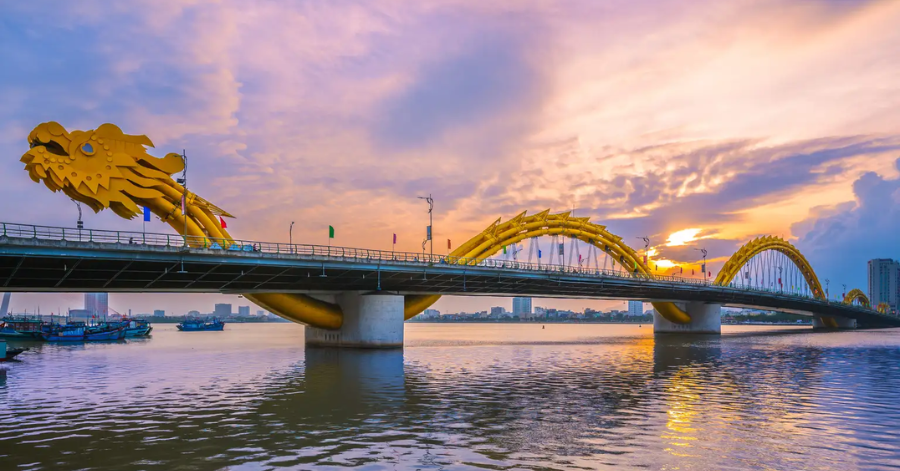
Image credits: Traveloka
Da Nang punches well above its weight for a mid-sized Vietnamese city. Here’s what it’s best known for:
- My Khe Beach: One of the most beautiful beaches in all of Vietnam, consistently ranking in global best-of lists
- Marble Mountains: Five limestone hills with ancient cave temples and sweeping city views
- Dragon Bridge: A 2,000ft dragon that breathes actual fire on weekend nights
- Ba Na Hills: A surreal mountaintop escape with a French village, amusement park, and the iconic Golden Bridge
- Hội An day trips: The UNESCO-listed Ancient Town is just 30 minutes away
- Fresh seafood: Widely considered some of the best and most affordable in Vietnam
- Affordability: Accommodation, food, and transport are significantly cheaper than Bangkok or Bali equivalents
Da Nang sits at the sweet spot between beach destination, cultural hub, and adventure base camp. It’s also one of the best-connected cities in Vietnam with a major international airport.
 Related Guide: Sapa Vietnam Travel Guide: Weather, Hanoi to Sapa, Best Things To Do
Da Nang Weather & Best Time to Visit
Da Nang has two distinct seasons — and the difference matters a lot when planning your trip.
| Season | Months | What to Expect |
|---|---|---|
 Dry season Dry season |
February – August | Sunny, warm, ideal beach weather. Temps 25–35°C |
 Wet/typhoon season Wet/typhoon season |
September – January | Heavy rain, occasional typhoons, rough seas |
Best months to visit Da Nang: February to May. You get warm weather, relatively low humidity, and the seas are calm — perfect for Cham Islands snorkelling and beach days. June to August is peak summer and gets very hot (up to 38°C) but remains popular.
Which month should you avoid in Da Nang? October and November are the riskiest months due to typhoon season. Da Nang sits directly in the path of tropical storms that roll in from the South China Sea. If you must travel during this period, build buffer days into your itinerary and have indoor backup plans ready.
Related Guide: SGD To VND: How To Get The Best Vietnamese Dong Rate
Is 3 Days Enough for Da Nang?
Yes — 3 days is a solid amount of time to cover Da Nang’s highlights without rushing. Here’s how to split it:
- Day 1 — Beach + City My Khe Beach in the morning → Han Market → Da Nang Cathedral → Dragon Bridge night show
- Day 2 — Nature + Culture Marble Mountains → Son Tra Peninsula → Dong Dinh Museum → Con Market for dinner
- Day 3 — Day Trip to Hội An Full day in Hội An Ancient Town → catch the sunset on the boat → return to Da Nang
If you want to add Ba Na Hills (a full-day commitment) or Cham Islands, extend to 4–5 days. Families with kids especially benefit from the extra day.
Related Guide: Vietnam Power Plug & Socket Guide: Types, Adapters & Travel Tips
How to Get from Ho Chi Minh to Da Nang
 By Plane (Quickest)
The fastest and most practical option. The flight is just 1.5 hours and tickets start from around S$40 on budget carriers(VietJet, Bamboo Airways) up to ~S$230 for full-service fares with check-in luggage. For families or those on a tight schedule, it’s by far the best option.
Direct flights from Singapore to Da Nang are also available daily but tend to be pricier than routing through Ho Chi Minh City.
 By Sleeper Bus (Cheapest)
The budget option for adventure travellers. Sleeper buses from Ho Chi Minh to Da Nang take 17–24 hours and cost roughly S$40–S$141 depending on tier. VIP buses are worth the slight premium — they’re more spacious and better for solo travellers or anyone prone to motion sickness on long hauls.
 By Train (Most Scenic)
The Reunification Express sleeper train from Ho Chi Minh to Da Nang takes around 16 hours and costs approximately S$37 per person. Prices are similar to the bus but the train ride is far more scenic and comfortable — you’re hugging the coastline for much of the journey. Great option for friend groups who want the experience, not just the destination.
Related Guide: Vietnam ATM Withdrawal Guide: Fees, Locations, Exchange Rates
Da Nang to Hội An: How to Get There
Hội An is one of the most popular day trips from Da Nang — and it’s remarkably easy to reach.
| Option | Duration | Cost (approx.) |
|---|---|---|
| Grab/taxi | ~30 min | S$8–12 one way |
| Private car hire | ~30 min | S$15–25 (can negotiate for return) |
| Local bus (Line 1) | ~1 hr | S$0.60 |
| Motorbike rental | ~40 min | S$8–12/day rental |
Best option for most travellers: Grab is the easiest — set price, no haggling, reliable. Book a return or arrange a pickup time so you’re not stranded in Hội An at night.
Related Guide: YouTrip’s Vietnam Food Guide
13 Best Things To Do In Da Nang
Here’s a full rundown of the best things to do in Da Nang — from iconic landmarks to off-the-beaten-track gems.
1. My Khe Beach
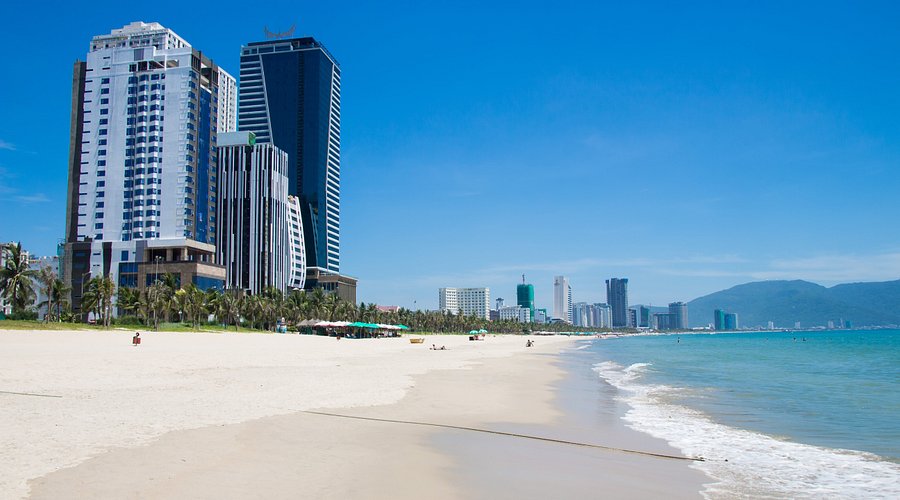
Image credits: Tripadvisor
Da Nang has some of the best beaches in Vietnam, and My Khe Beach is the one that keeps topping the lists. The beach stretches for about 10km with white sand, clear water, and a calm atmosphere that somehow manages to feel uncrowded even during peak season.
Come for sunrise (genuinely spectacular), stay for swimming and water sports. Surf board and jet ski rentals are available along the beachfront. The strip of restaurants and cafés nearby makes it easy to make a full day of it.
- Cost: Free
- Address: Vo Nguyen Giap Road, Da Nang
- Opening Hours: 24 hours
Related Guide: 21 Best Things To Do In Hanoi For 3D2N
2. Marble Mountains
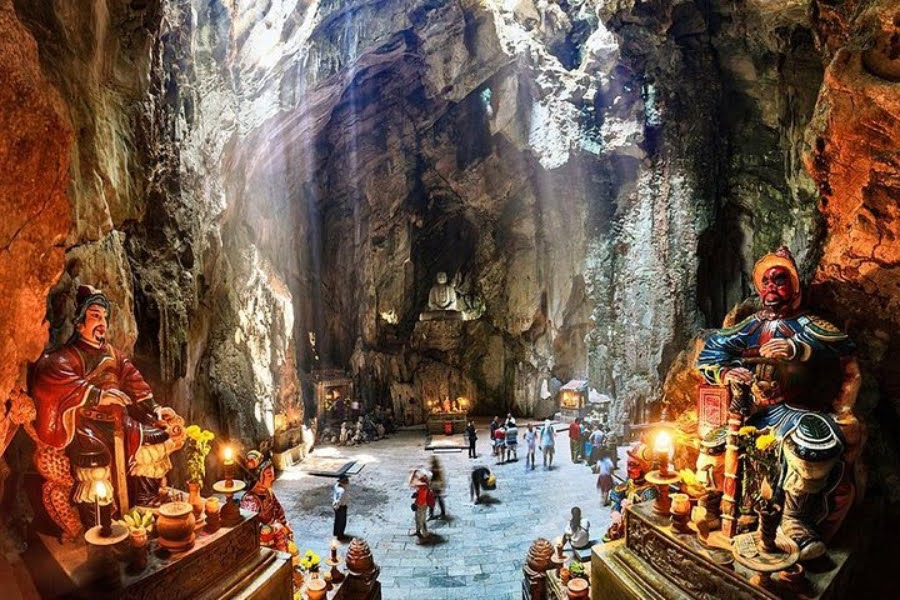
Image credits: TripAdvisor
One of the most atmospheric spots in Da Nang. The Marble Mountains are a cluster of five limestone and marble hills — each named after one of the five elements (metal, wood, water, fire, earth). Of the five, Thuy Son is the one open to tourists and it’s worth every minute.
Inside you’ll find caves, Buddhist grottoes, ancient shrines, and hidden temples carved directly into the rock. Take the elevator or climb the stairs to the summit for panoramic views of the city and the coastline.
- Price: 40,000 VND (~S$2.30)
- Address: Hoa Hai, Ngu Hanh Son, Da Nang 550000
- Opening Hours: 7 AM – 5:30 PM
Related Guide: YouTrip Exchange Rates: Everything You Need to Know
3. Dragon Bridge
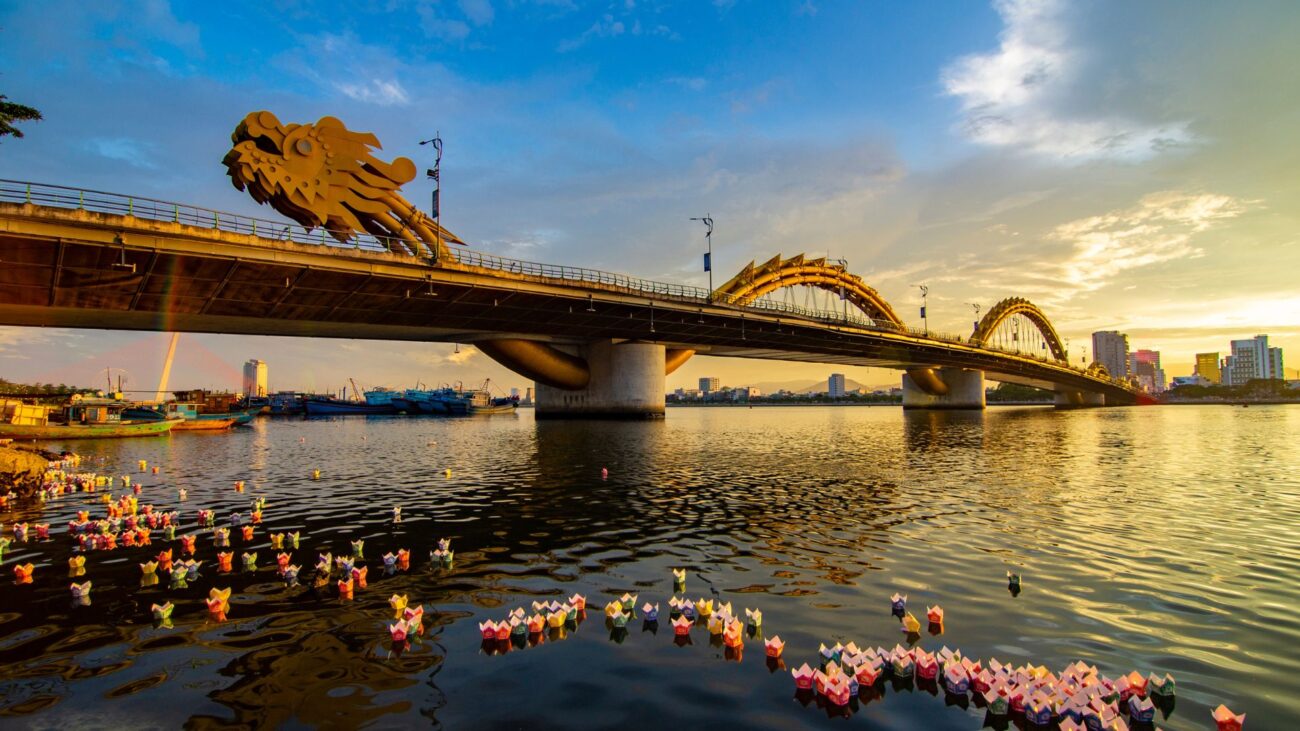
Image credits: KKday
The Dragon Bridge is Da Nang’s most recognisable landmark — a 2,000ft dragon sculpture that spans the Han River. During the week it’s a striking piece of modern architecture. On Saturday and Sunday nights at 9 PM, the dragon breathes fire and sprays water in a free show that draws crowds of locals and tourists alike.
Worth timing your weekend around. Grab a spot along the riverbank about 30 minutes early for the best view.
- Cost: Free
- Address: Nguyen Van Linh, Phuoc Ninh, Son Tra, Da Nang
- Light Show: 9 PM, Saturdays & Sundays
Related Guide: 25 Best Things To Do In Ho Chi Minh City
4. Ba Na Hills
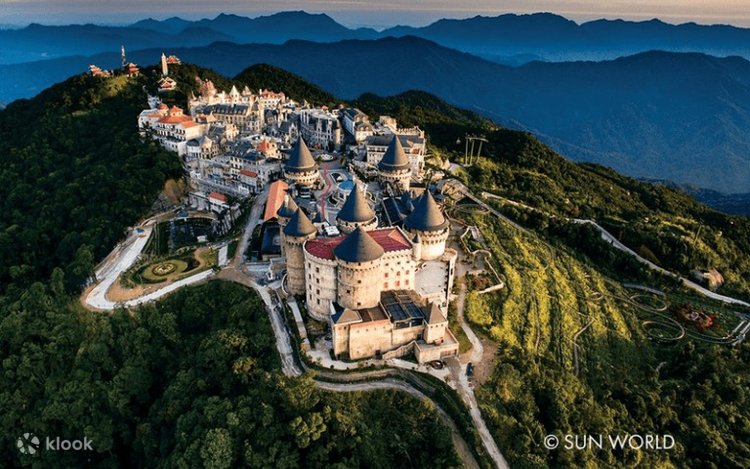
Image credits: Sun World on Klook
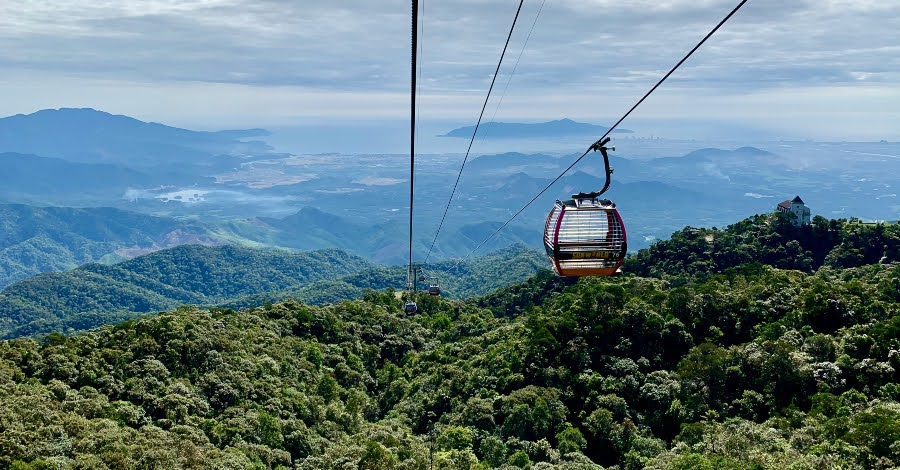
Hard to categorise, impossible to miss. Ba Na Hills is a mountaintop resort complex that feels like stepping into a fever dream — in the best way. The headline act is the Golden Bridge, a surreal walkway held up by two giant stone hands floating above the clouds. But there’s also a French colonial village, amusement park rides, cable car rides (one of the world’s longest), gardens, and restaurants.
Budget a full day. The cable car alone is an experience.
- Cost: ~900,000 VND (~S$50) adults · ~750,000 VND (~S$40) children
- Address: Thon An Son, Hoa Ninh, Hoa Vang, Da Nang
- Opening Hours: 7 AM – 10 PM
Related Guide: Best Hidden Cocktail Bars In Saigon
5. Hội An Ancient Town (Must-See)
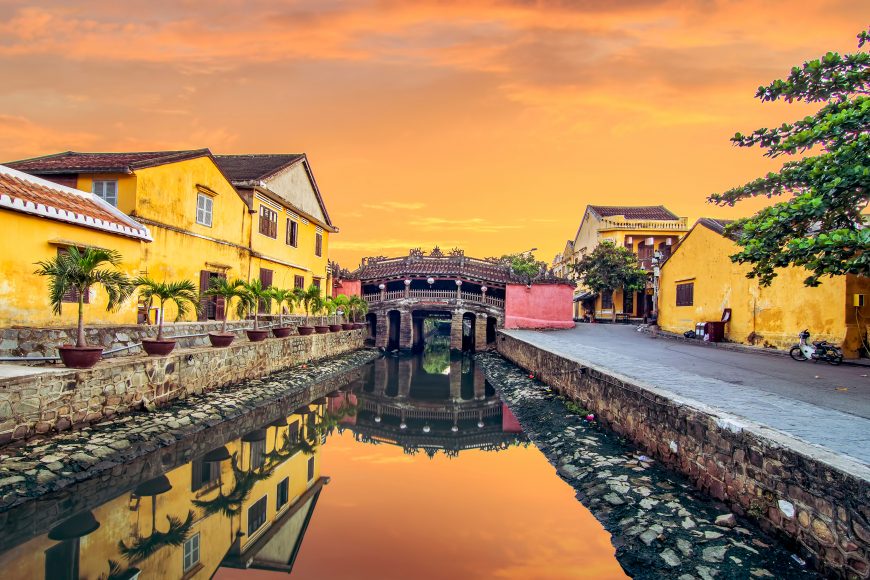
Image credits: Vietnam Tourism
Just 30 minutes from Da Nang and a completely different world. Hội An Ancient Town is a UNESCO World Heritage Site and one of the best-preserved trading ports in Southeast Asia. The old town is a maze of narrow streets, lantern-lit shophouses, tailor shops, and riverside cafés.
Key things to do in Hội An: visit the Japanese Covered Bridge, take a boat tour down the Thu Bon River, eat a bowl of Cao Lầu (a noodle dish unique to Hội An), and get custom clothes made by one of the town’s hundreds of tailors.
- Admission: 120,000 VND (~S$6.50)
- Address: Tran Phu, Minh An Ward, Hội An, Quang Nam
- Opening Hours: 24 hours (ticket office hours may vary)
Related Guide: YouTrip’s Weekend Guide To Hoi An
6. Cham Islands
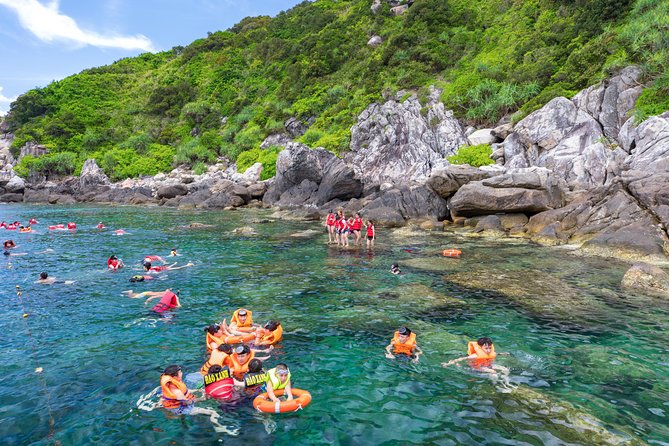
Image credits: KKday
30 minutes off the coast of Hội An, the Cham Islands are an archipelago of eight small islands with some of the clearest, most pristine water in Vietnam. The islands are part of a UNESCO Biosphere Reserve, which means the marine life and coral reefs here are genuinely well-protected.
Go snorkelling, try helmet diving (no certification needed), or simply find a quiet beach and decompress. Day trips are easy to book; overnight stays are available if you want to wake up to that view.
- Best booked via: Klook or local tour operators
- Address: Cham Island Harbour, Hội An
Related Guide: How to Get the Best Exchange Rate in Singapore
7. Son Tra Peninsula (Off-the-Beaten-Track)
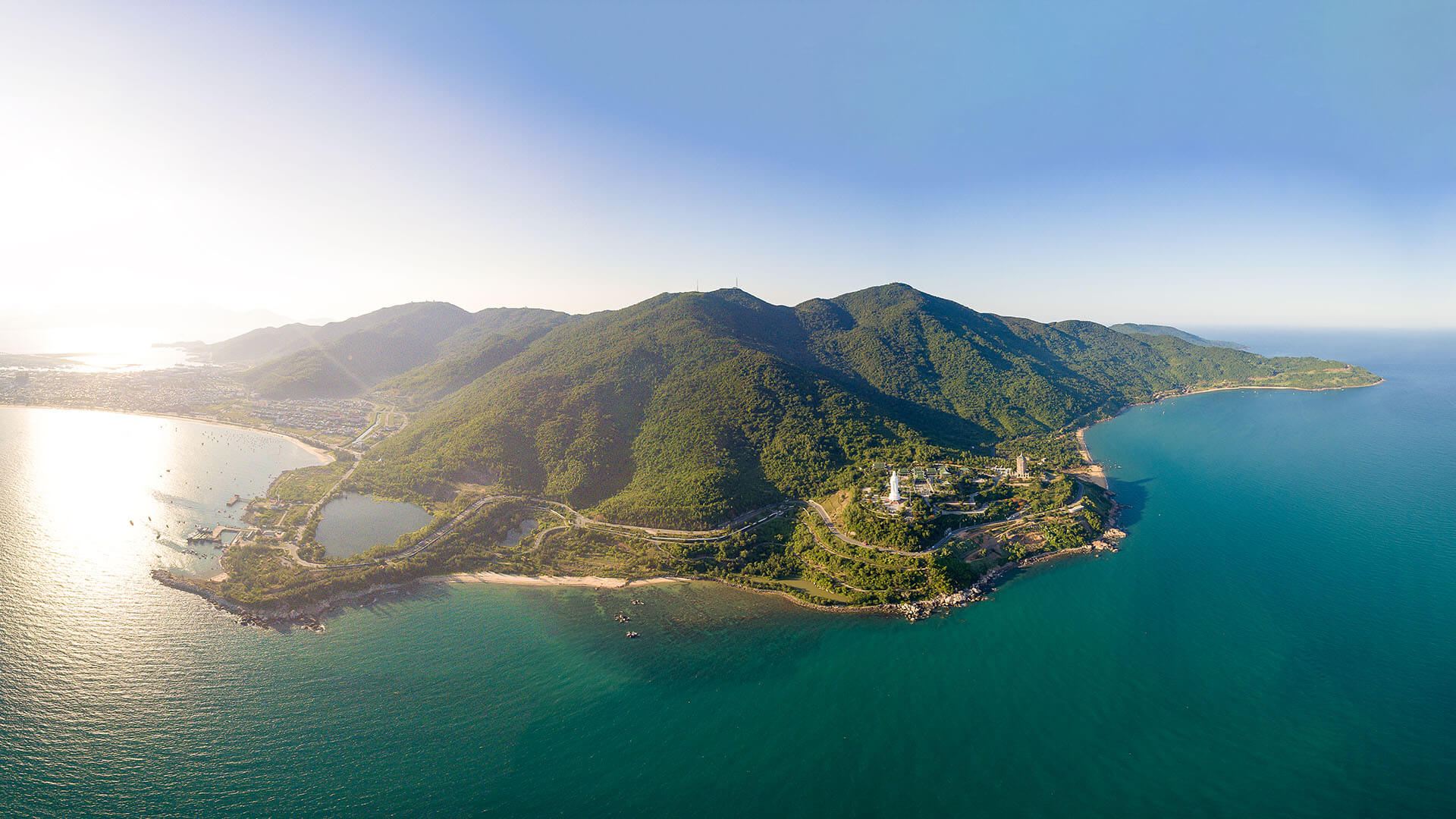
Image credits: Danangfantasticity.com
Da Nang’s natural reserve and one of its best-kept secrets. The Son Tra Peninsula is a forested headland rising out of the sea just north of the city, home to rare red-shanked douc langurs, wild boar, and dense jungle.
Hike the trails, look for wildlife, or stumble upon deserted coves that see almost no tourist traffic. The peninsula has deep historical roots too — it was used as a US military observation post during the Vietnam War and is sometimes called “Indochina’s Divine Eye.”
Go with a local guide, especially for the wildlife trails.
Address: Son Tra Peninsula Visitor Centre, 99 Vo Nguyen Giap Street, My An Ward, Da Nang
Related Guide: Best eSIM Singapore: Guide to Travel eSIMs, Cheap Options & Tips
8. Han Market
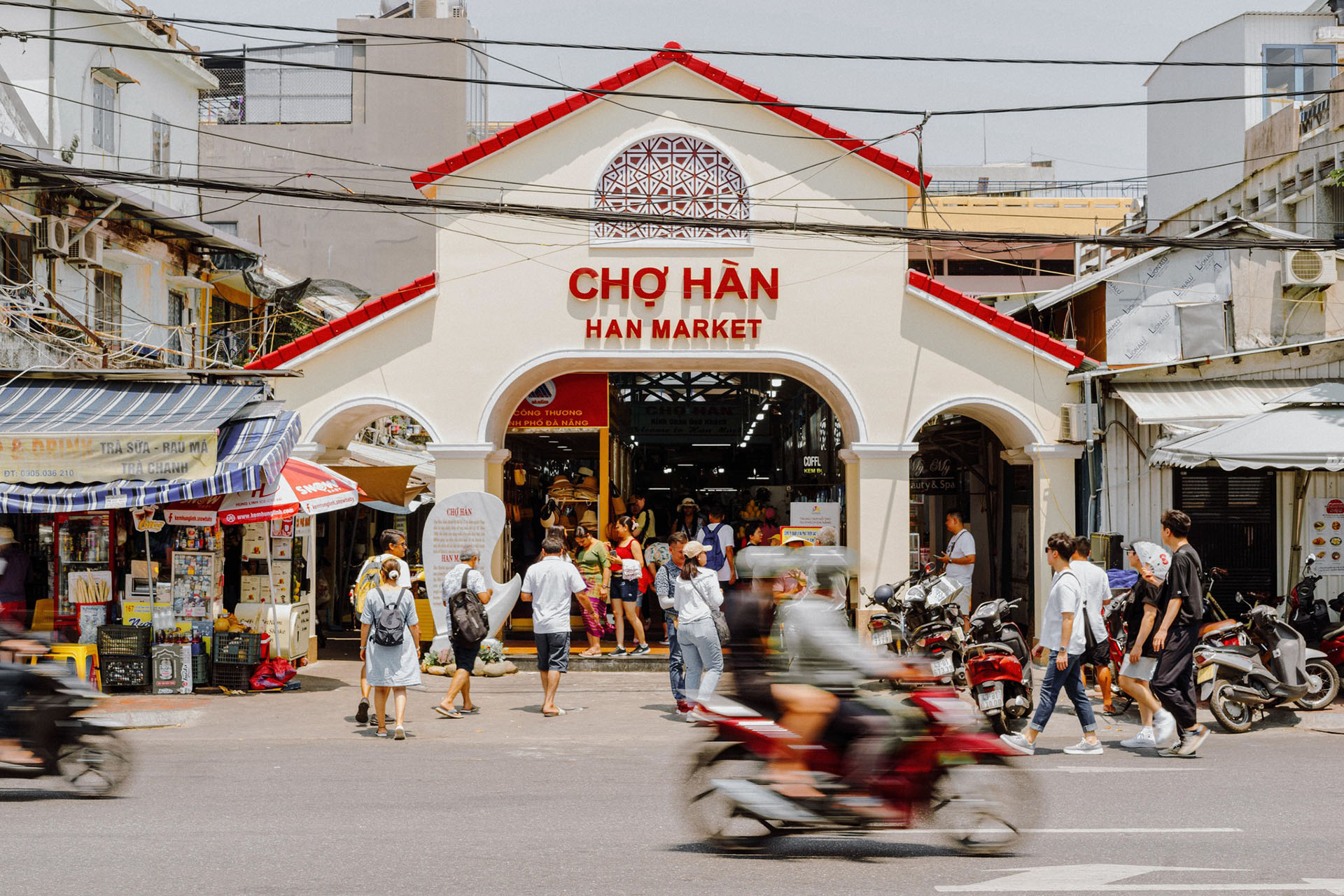
Image credits: Danangfantasticity.com
For a proper taste of local life, Han Market is the place. It’s a two-storey covered market in the heart of the city — fresh produce, seafood, dried goods, and local snacks on the ground floor; clothing, handicrafts, and souvenirs upstairs.
Prices aren’t fixed, so haggling is expected and normal. Ask around at a few stalls before committing. The banh mi and fresh spring rolls you’ll find here are significantly better than anything at a tourist restaurant.
- Opening Hours: 6 AM – 7 PM
- Address: 119 Tran Phu Street, Hai Chau District, Da Nang
Related Guide: Best Things To Do in Bangkok: The Complete Bangkok Travel Guide
9. Da Nang Cathedral
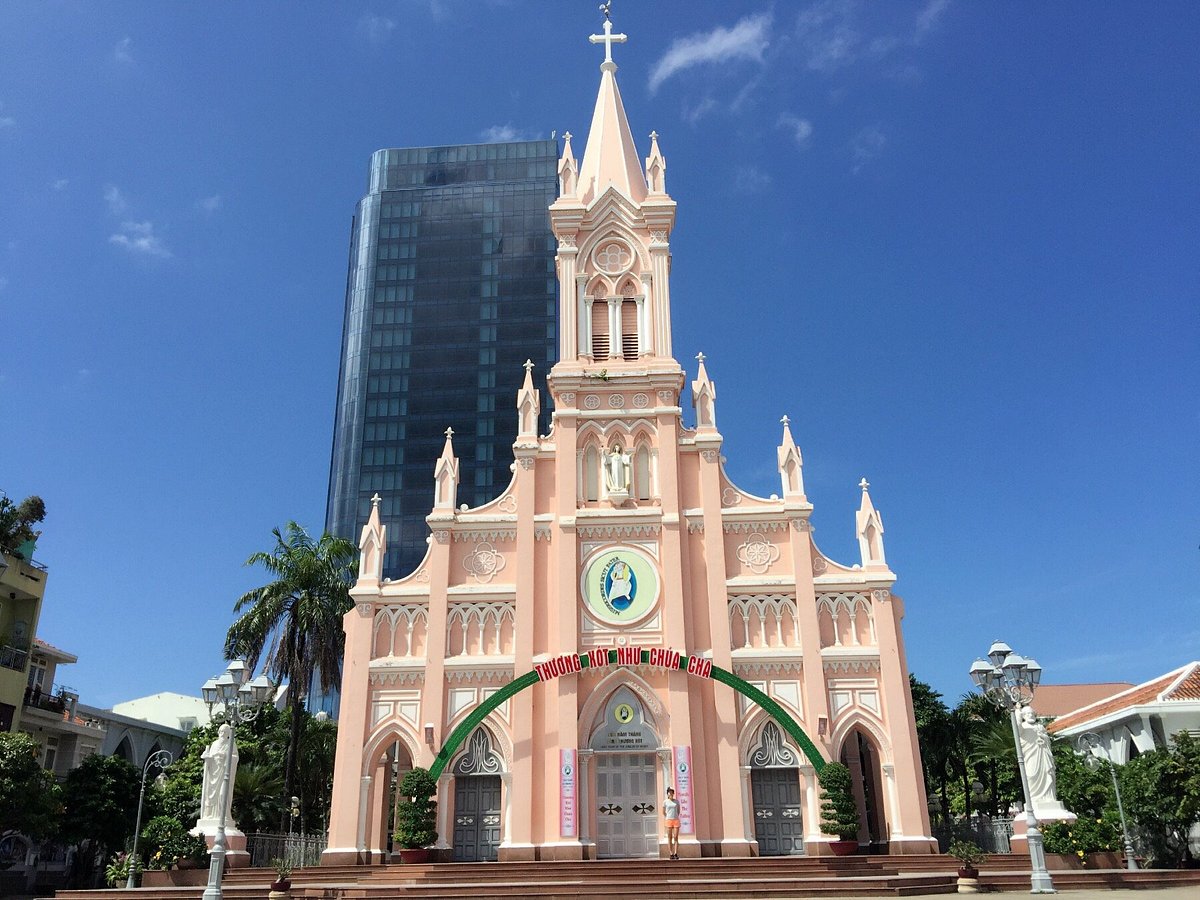
Image credits: Tripadvisor
Built in 1923 during the French colonial period, the Da Nang Cathedral is one of the city’s most photogenic buildings — a pale pink Gothic-style church that stands out dramatically against Da Nang’s modern skyline. Locals call it the “Rooster Church” because of the weathervane cockerel perched at the very top.
It’s an active place of worship, so visit respectfully. The exterior and surrounding streets are great for photos at golden hour.
- Opening Hours: 5 AM – 5:30 PM
- Address: 156 Tran Phu, Hai Chau District, Da Nang
Related Guide: 30 Best Things To Do in Sydney: Attractions, Beaches & Hidden Gems
10. Con Market
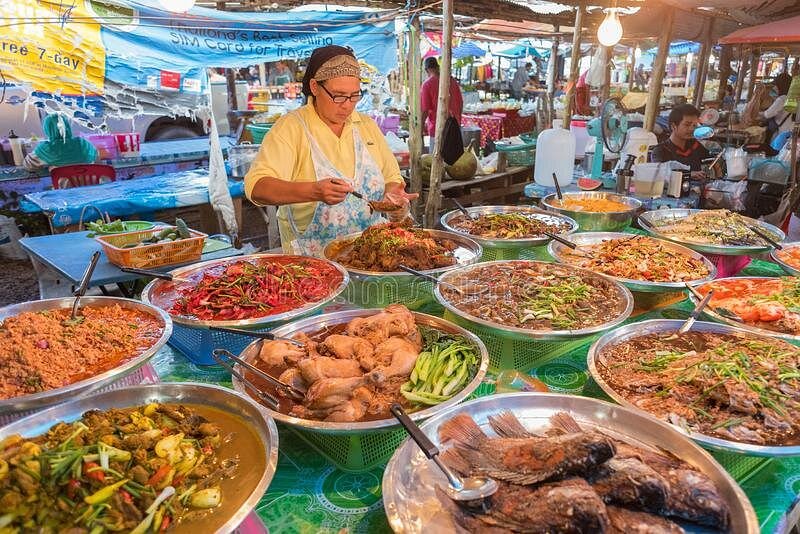
Image credits: Tripadvisor
Where the locals actually shop. Con Market is less polished than Han Market and all the better for it — this is a working market catering to Da Nang residents, not tourists. The food stalls here are exceptional.
Must-tries: Vietnamese thick noodle soup (Mì Quảng), avocado ice cream with jackfruit, water fern cake (Bánh Bèo), and grilled pork with vermicelli. Get there before 6 PM — stalls start shutting down well before closing time.
- Opening Hours: 7 AM – 7:30 PM
- Address: 90 Hung Vuong, Hai Chau 1, Da Nang
Related Guide: 35 Best Things To Do In Tokyo: Attractions, Food, Nightlife, Anime, Shopping
11. Nam O Beach (Off-the-Beaten-Track)
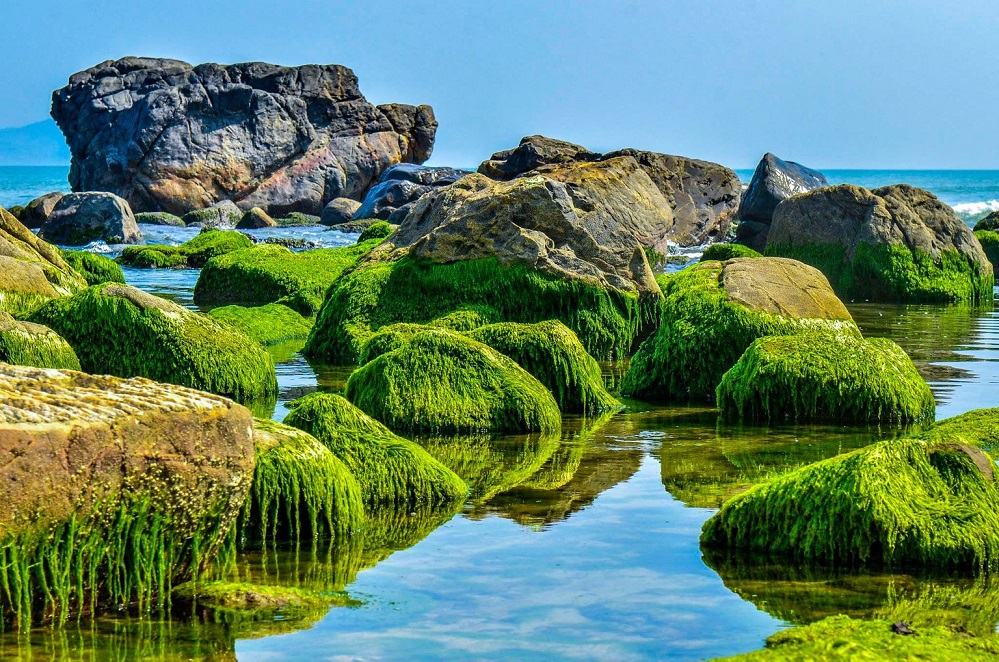
Image credits: VinWonders
If you want to get away from the tourist beach strip entirely, head to Nam O Beach and Reef at the northern edge of Da Nang. It’s a raw, unspoiled stretch of coast with mossy cliffs, coral reefs, and barely any crowds.
Come for fishing, snorkelling, and the kind of lazy beach afternoon that doesn’t involve a sunlounger rental or a cocktail menu. It genuinely feels like a different country from the manicured seafront near the city.
- Opening Hours: 24 hours
- Address: Nam O, Lien Chieu District, Da Nang
Related Guide: Singapore Public Holiday: Complete Guide to Maximising Your Annual Leave
12. Ho Hoa Trung Lake (Hidden Gem)
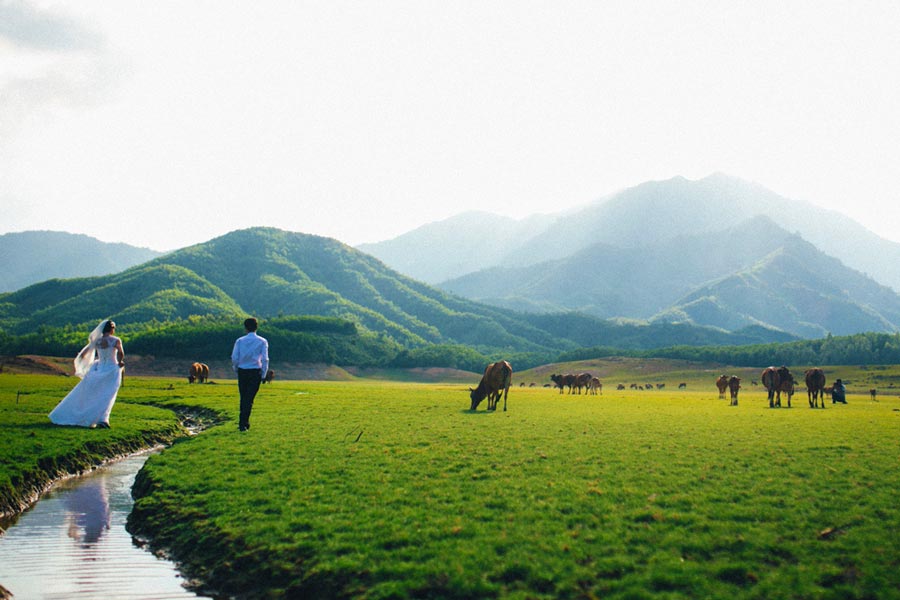
Image credits: VinWonders
A serene lake about 25km from the city centre, surrounded by rolling hills and paddy fields. Hoa Trung Lake is the kind of place you’d only know about if a local told you. Bring a picnic, rent a kayak, or just sit and do nothing for a few hours.
It’s also a popular photography spot — the reflections of the surrounding hills on a clear morning are genuinely stunning.
- Opening Hours: 24 hours
- Address: Hoa Lien, Hoa Vang, Da Nang
Related Guide: Melbourne Australia Travel Guide: Best Things to Do, Weather, Tips
13. Dong Dinh Museum (Hidden Gem)
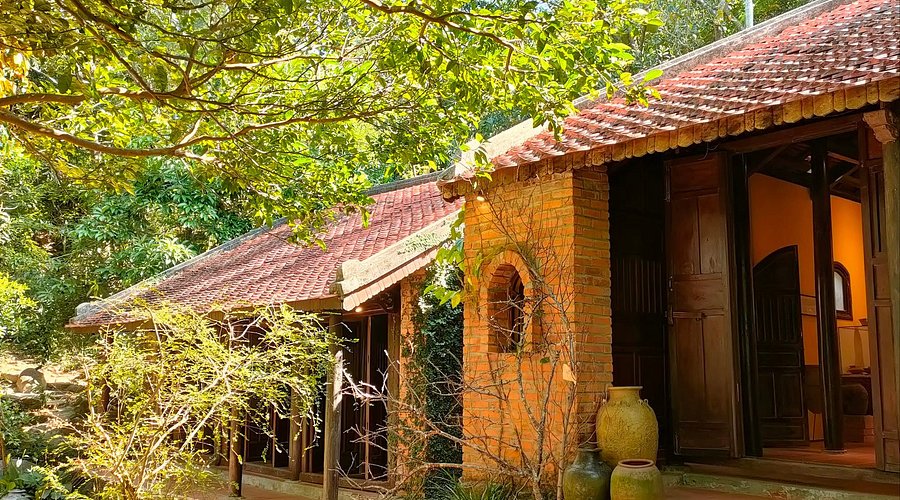
Image credits: Tripadvisor
Tucked inside the Son Tra Peninsula, the Dong Dinh Museum is a private museum built to look like a traditional Vietnamese wooden house. Inside, it holds over 2,500 years of Vietnamese cultural artefacts — ceramics, antiques, Cham sculptures, and folk art — all curated by the owner, a passionate collector.
It’s small but remarkable, and consistently overlooked by visitors who head straight to Ba Na Hills or the beach. If you appreciate history and craft, this one’s worth the detour.
- Admission: 30,000 VND (~S$1.60)
- Address: Hoang Sa, Tho Quang, Son Tra, Da Nang
- Opening Hours: 8 AM – 5 PM
Related Guide: Ultimate Shenzhen Travel Guide: Things to Do, Itineraries & Tips
Things To Do in Da Nang City Centre
If you’re based in the city centre and want walkable options:
- Han Market — local produce, food, souvenirs
- Da Nang Cathedral — pink Gothic church, great for photos
- Dragon Bridge — lit up every night, fire show on weekends
- Con Market — best street food in the city
- Han River Promenade — evening walk along the waterfront, lined with cafés
Related Guide:
Things To Do in Da Nang at Night
Da Nang has a surprisingly lively after-dark scene that doesn’t require a big budget:
- Dragon Bridge fire show — free, 9 PM on Saturday and Sunday
- Con Market night stalls — local food at its best
- My Khe Beach boardwalk — grab a cold drink and watch the waves
- An Thuong Night Market — local street food, crafts, live performances (open Thursday–Sunday evenings)
- Rooftop bars along Vo Nguyen Giap — beachfront cocktails with sea views
Related Guide:
Things To Do in Da Nang With Kids
Da Nang is genuinely family-friendly. Top picks:
- Ba Na Hills — amusement park rides, cable cars, and the Golden Bridge make for a full day of wonder
- My Khe Beach — calm, shallow water, clean sand, and watersports
- Cham Islands — snorkelling day trips that are beginner-friendly
- Marble Mountains — the caves and temples appeal to curious kids
- Son Tra Peninsula wildlife tour — spotting wild monkeys is always a hit
The flight from Singapore to Da Nang is just over 2 hours — making it one of the easier long-weekend destinations for families based in Singapore.
Related Guide:
Things To Do in Da Nang When Raining
If you’re caught in the wet season (or just an unexpected downpour), here are solid indoor and rain-friendly alternatives:
 Dong Dinh Museum — covered, fascinating, and rarely crowded
 Con Market or Han Market — covered markets are perfect rainy day hangouts
 Vietnamese coffee shop crawl — Da Nang has a thriving café culture; perfect for a slow rainy morning
 Da Nang Museum of Cham Sculpture — one of the world’s best collections of Cham art, fully indoors
 Vincom Plaza or Indochina Riverside Mall — modern malls with food courts, cinemas, and air-conditioning
Pro tip: If you’re travelling in shoulder season, the morning sun is often enough for a beach visit — rain tends to roll in during the afternoon.
Related Guide:
Is Da Nang Worth Visiting?
Short answer: absolutely yes.
Da Nang is one of those rare cities that offers almost everything — beaches, mountains, history, great food, nightlife, and easy access to one of Southeast Asia’s most beautiful ancient towns (Hội An). It’s significantly less crowded than Bangkok, more affordable than Bali, and easier to navigate than Hanoi.
What makes it particularly compelling for Singaporean travellers is the value. Flights are short, accommodation is cheap, food is incredible, and your SGD goes a long way. A well-planned 4–5 day trip here can feel like a proper holiday without needing to burn through your annual leave budget.
What not to miss in Da Nang:
- Dragon Bridge fire show (free)
- Marble Mountains (only S$2.30 entry)
- Ba Na Hills + Golden Bridge (splurge, but worth it)
- A Hội An day trip
- My Khe Beach at sunrise
Budget Guide: Is S$1,000 Enough for 2 Weeks in Vietnam?
Yes, S$1,000 is doable for 2 weeks in Vietnam — if you travel like a local.
| Expense | Budget per day (approx.) |
|---|---|
| Accommodation (hostel/guesthouse) | S$10–25/night |
| Meals (local food) | S$8–15/day |
| Transport (Grab/bus) | S$5–10/day |
| Activities | S$5–15/day |
| Daily total (budget) | ~S$30–65/day |
Over 14 days, that’s roughly S$420–910 — so S$1,000 is workable with a budget-conscious approach. Add flights (from ~S$150–250 return from Singapore) and you’re cutting it close.
For a comfortable trip with some splurges (Ba Na Hills, a nice dinner or two, private transfers), S$1,500–S$2,000 is a more realistic target.
The best way to stretch your budget in Vietnam: Pay with a multi-currency card like YouTrip — you get the real exchange rate with 0% foreign transaction fees, which adds up quickly on a 2-week trip.
Da Nang FAQs
Da Nang is best known for My Khe Beach (one of the best beaches in Vietnam), the Marble Mountains, the Dragon Bridge’s fire show, Ba Na Hills and the Golden Bridge, and its proximity to Hội An Ancient Town. It’s also celebrated for its incredibly fresh and affordable seafood.
October and November are the months to avoid if possible — Da Nang is in a typhoon corridor and these months see the heaviest rainfall and the highest risk of storms. The sea is rough, beaches are closed, and flooding can disrupt travel plans.
Yes, 3 days covers the main highlights comfortably: beaches, Marble Mountains, Dragon Bridge, and a day trip to Hội An. For a more relaxed pace or to add Ba Na Hills and Cham Islands, plan for 4–5 days.
The easiest way is by Grab (around 30 minutes, S$8–12 one way). You can also take the local Bus Line 1 for about S$0.60, though it takes closer to an hour. Private car hire is a good option if you’re going with a group.
Yes, without hesitation. Da Nang offers beaches, mountains, culture, night markets, and easy day trips to Hội An and Cham Islands — all at prices that are very kind to Singaporean budgets. It’s one of Southeast Asia’s best value-for-money destinations.
Most visitors stay along My Khe Beach or in the city centre near Han Market and Dragon Bridge. Beach-side accommodation is ideal if you’re there primarily for R&R; city-centre hotels put you closer to food markets, the cathedral, and the Dragon Bridge night shows.
It’s possible if you eat local, use public transport, and stay in hostels or budget guesthouses. A more comfortable budget is S$1,500–2,000 excluding flights.
Use a multi-currency card like YouTrip to avoid foreign transaction fees on every purchase.
Don’t leave without seeing the Dragon Bridge fire show (free, Saturdays and Sundays at 9 PM), visiting the Marble Mountains, spending a day in Hội An, and at least one proper beach morning at My Khe. Ba Na Hills is a splurge worth making if you can.
What Are You Waiting For?
Da Nang doesn’t try to be everything — it just happens to be. Beaches that rival anything in Southeast Asia, mountains with temples hidden inside, a UNESCO heritage town 30 minutes down the road, and a dragon that breathes fire on weekends. It’s the kind of city that surprises you, then keeps you coming back.
Whether you’ve got 3 days or a full week, Da Nang is worth every hour. Pack light, bring your appetite, and don’t forget your YouTrip card — your SGD stretches surprisingly far here.
Not a YouTrooper yet? Singapore’s go-to multi-currency wallet helps you save with great FX rates and zero fees. Skip the money changer and get a free YouTrip card + S$5 YouTrip credits with code <YTBLOG5>.
Then, head over to our YouTrip Perks page for exclusive offers and promotions — we promise you won’t regret it. Join our Telegram (@YouTripSG) and Community Group (@YouTripSquad) for travel tips, event invites, and more!
Safe travels!
Related Articles
Kyushu, Japan: Complete Travel Guide, Map, Weather, Itinerary
15 Best Things to Do in Chongqing: Top Attractions, Night Views, Food & Day Trips
The Ultimate Guide to Perth: Best Things to Do, Top Attractions & Local Travel Tips


The post 13 Best Things To Do In Da Nang, Vietnam (2026 Guide) appeared first on YouTrip Singapore.


You May Also Like

Alleged Huione Money Laundering Boss Extradited to China

How Cloudflare Is Positioning for the AI Era


