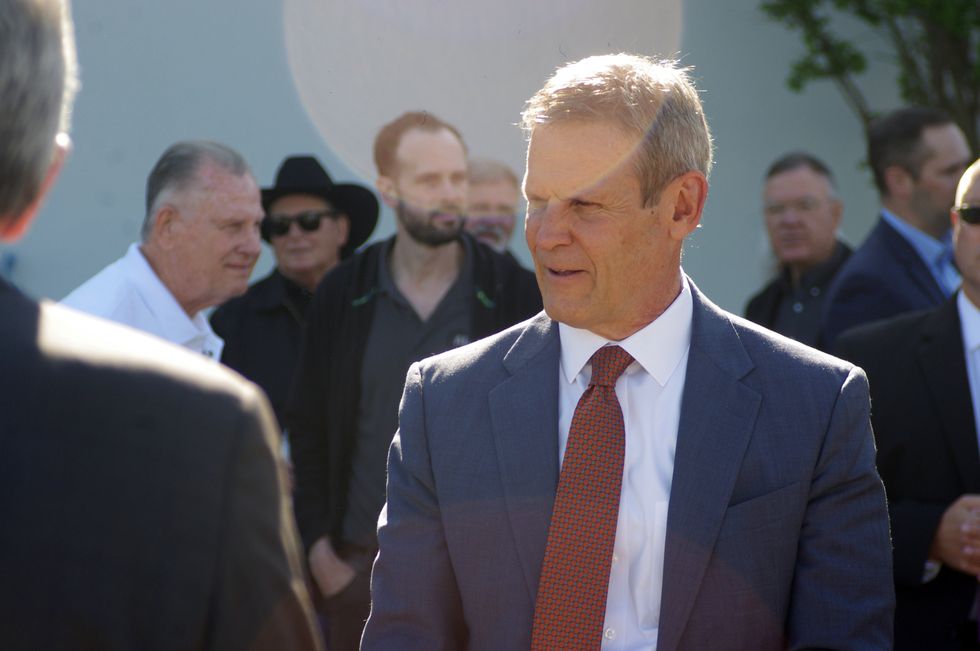
Ripple CEO Brad Garlinghouse said some of the world’s largest banks are considering issuing their own stablecoins, adding to signs of deeper institutional activity in digital assets. Brad made the remarks during a panel session at FII Priority Miami 2026, where he said stablecoins are moving beyond crypto-native use and into broader financial planning.
At the same time, XRP is trading near a critical level for its next directional move. That combination has placed attention on both Ripple’s role in stablecoin infrastructure and XRP’s near-term chart structure.
Banks Weigh Stablecoin Plans as Institutional Interest Builds
Ripple CEO Brad Garlinghouse said internal discussions are already taking place at major banking institutions around the launch of proprietary stablecoins. His comments point to a wider shift in how traditional finance is approaching blockchain-based payment tools. Rather than treating stablecoins as a niche product, banks now appear to be studying them as part of their long-term digital strategy.
Therefore, the market could become more crowded in the near term as more firms test new products. Even so, Brad indicated that this phase may not last forever. According to his remarks, the market could eventually narrow into a smaller group of providers focused on areas such as payments, custody, and cross-border settlement.
Ripple Pushes RLUSD Alongside a Compliance-Focused Strategy
As more institutions consider entering the stablecoin market, Ripple is positioning itself around regulatory alignment, audits, and transparency. The sector is moving toward stronger verification and oversight standards, which are necessary for broader adoption.
Ripple’s own stablecoin, RLUSD, remains part of that plan. The company is promoting RLUSD as a product that can work alongside XRP in settlement and liquidity flows. While XRP continues to serve as a bridge asset in Ripple’s ecosystem, RLUSD adds a dollar-based option that may appeal to institutions seeking lower volatility for payments and treasury activity.
Garlinghouse also said blockchain infrastructure may become less visible to end users over time. He compared the change to how internet technology became embedded in everyday systems without remaining the center of attention. In that setting, assets such as XRP and stablecoins like RLUSD could support financial operations in the background.
Also, recently, Ripple gained attention in Washington after U.S. Congressman Sam Liccardo cited it during a House hearing on payment system modernization. He questioned Federal Reserve officials on whether current infrastructure supports faster and lower-cost transactions.
XRP Price Holds a Sensitive Zone on the Weekly Chart
Meanwhile, in a recent XRP price prediction, an analyst noted the Ripple token is sitting at a sensitive level where the market may soon choose direction. EGRAG said holding the current zone could support a move higher, while failure could expose the asset to deeper support near $1.15.
The analyst based that view on a historical pattern involving a yellow line crossing above a red line on the weekly chart. According to the comparison, a similar signal appeared around previous cycle bottoms. In one case, the bottom formed 126 days after the cross, while in another, it formed around 42 days before the cross. Based on that history, the analyst said the signal may mark a bottoming zone rather than an exact low.
XRPUSD 1-Week Chart | Source: X
EGRAG CRYPTO said a weekly close above $1.80 would mark a reclamation of structure. However, a break and hold above $2.20 would strengthen the bullish case and point to stronger momentum. Until then, the chart remains in a confirmation phase, with traders watching whether XRP price can recover lost ground.
Source: https://coinpaper.com/15779/ripple-ceo-says-banks-are-considering-stablecoins-as-xrp-tests-critical-level