

Hong Kong Legislators Launch HK-Korea Web3 Policy Alliance for AI and Stablecoin Rules
Hong Kong Legislative Council member Ng Kit-chung and members of South Korea’s National Assembly have launched the Hong Kong-South Korea Web3 Policy Promotion Alliance, a cross-regional initiative targeting coordinated regulation of stablecoins, artificial intelligence, and blockchain infrastructure across both jurisdictions.
The alliance, announced on March 29, 2026, is described as the first non-governmental policy cooperation platform focused on Web3 matters to span two major Asian financial centers. Its stated mandate covers digital asset regulation, stablecoin mechanisms, AI development, and regulatory standards coordination, according to PANews.
Ng Kit-chung, also known as Johnny Ng, heads Hong Kong’s LegCo Subcommittee on Web3 and Virtual Asset Development and has consistently advocated for accelerating Web3 regulation across Asia. The specific South Korean National Assembly members who co-founded the alliance were not named in the initial announcement.
HK’s Stablecoin Framework Meets Korea’s Regulatory Deadlock
The alliance’s stablecoin focus arrives at a moment of stark contrast between the two jurisdictions. Hong Kong’s Stablecoins Ordinance took effect on August 1, 2025, establishing a licensing regime that requires any issuer of a fiat-referenced stablecoin to obtain approval from the Hong Kong Monetary Authority.
The HKMA received 36 stablecoin license applications by September 2025, with first approvals expected in early 2026. That pipeline makes Hong Kong one of the most advanced stablecoin licensing jurisdictions in Asia.
South Korea, by contrast, is stuck. The country’s Digital Asset Basic Act, which includes stablecoin oversight rules, stalled into 2026 over a dispute about who should be allowed to issue stablecoins. The Bank of Korea insists only banks with 51% ownership should issue them; the Financial Services Commission and the ruling party oppose that restriction.
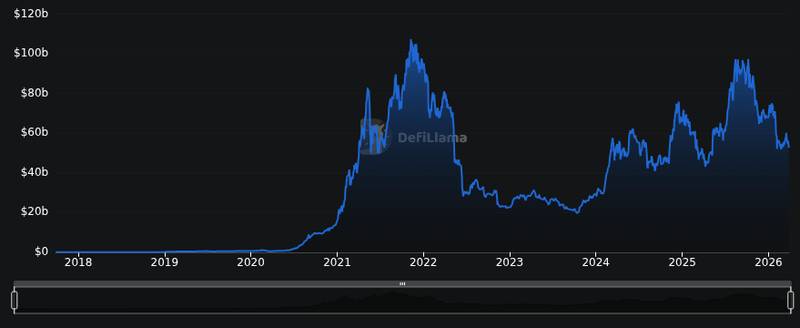 DefiLlama DeFi dashboard showing on-chain liquidity trends across major protocols.
That deadlock creates a concrete rationale for the alliance: Korea can study Hong Kong’s already-implemented licensing framework as a potential template, while Hong Kong gains a bilateral partnership that reinforces its positioning as Asia’s leading Web3 regulatory hub.
On AI, both jurisdictions are developing financial oversight frameworks. Hong Kong LegCo member Chan Chun-ying has emphasized the need for caution in developing stablecoins and virtual assets, and stressed the importance of better regulation of AI to ensure financial security across Hong Kong’s banking, securities, and insurance sectors. Whether the alliance’s AI mandate extends beyond financial services into broader governance remains unclear from the initial announcement.
Why Hong Kong and Korea Are Natural Partners in the Regulatory Race
Hong Kong relaunched its crypto licensing regime in 2023 under the VASP framework, positioning itself as Asia’s regulated digital asset hub. South Korea has one of the world’s highest crypto retail adoption rates, with exchanges like Upbit and Bithumb ranking among the largest globally by volume. Both markets face the same pressure: attracting Web3 investment while managing consumer protection.
The global regulatory landscape is accelerating that pressure. The EU’s MiCA framework is operational, and U.S. stablecoin legislation continues to advance, creating competitive urgency for Asian jurisdictions to develop comparable regimes. Singapore, Japan, and Dubai are all pursuing their own frameworks, a dynamic that mirrors the broader tension between pro-crypto rhetoric and actual regulatory follow-through.
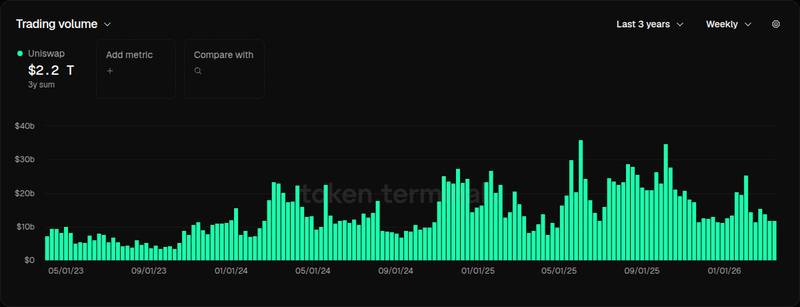 Token Terminal project-metrics panel illustrating the scale of protocol activity across the Web3 ecosystem.
While Hong Kong and Singapore have engaged in prior fintech regulatory dialogues, a formal Korea-focused policy channel is a new development. South Korea’s crypto capital gains tax has been delayed to 2027, leaving its broader digital asset regulatory posture in flux, a gap that may make cross-border policy coordination more attractive to Korean lawmakers.
The alliance launches during a period of significant market stress. The Crypto Fear & Greed Index sat at 9 out of 100 on March 29, deep in “Extreme Fear” territory. That backdrop underscores why regulatory clarity matters: stable policy frameworks can provide investor confidence in risk-off environments where market participants are already questioning exchange priorities.
No specific timeline for the alliance’s first deliverables, working group meetings, or joint policy publications has been announced. Whether this initiative produces concrete regulatory harmonization or remains a symbolic partnership will depend on what comes next, particularly as Hong Kong’s HKMA begins issuing its first stablecoin licenses and Korea’s legislative deadlock either resolves or deepens.
Disclaimer: This article is for informational purposes only and does not constitute financial or investment advice. Cryptocurrency and digital asset markets carry significant risk. Always do your own research before making decisions.
You May Also Like

USD/CHF Exchange Rate Surges Toward Critical 0.8000 Level as Dollar Dominance Intensifies

Grayscale Sees Digital Asset Treasuries Staging a Comeback After Surviving Harsh Market Reset – Featured Bitcoin News


