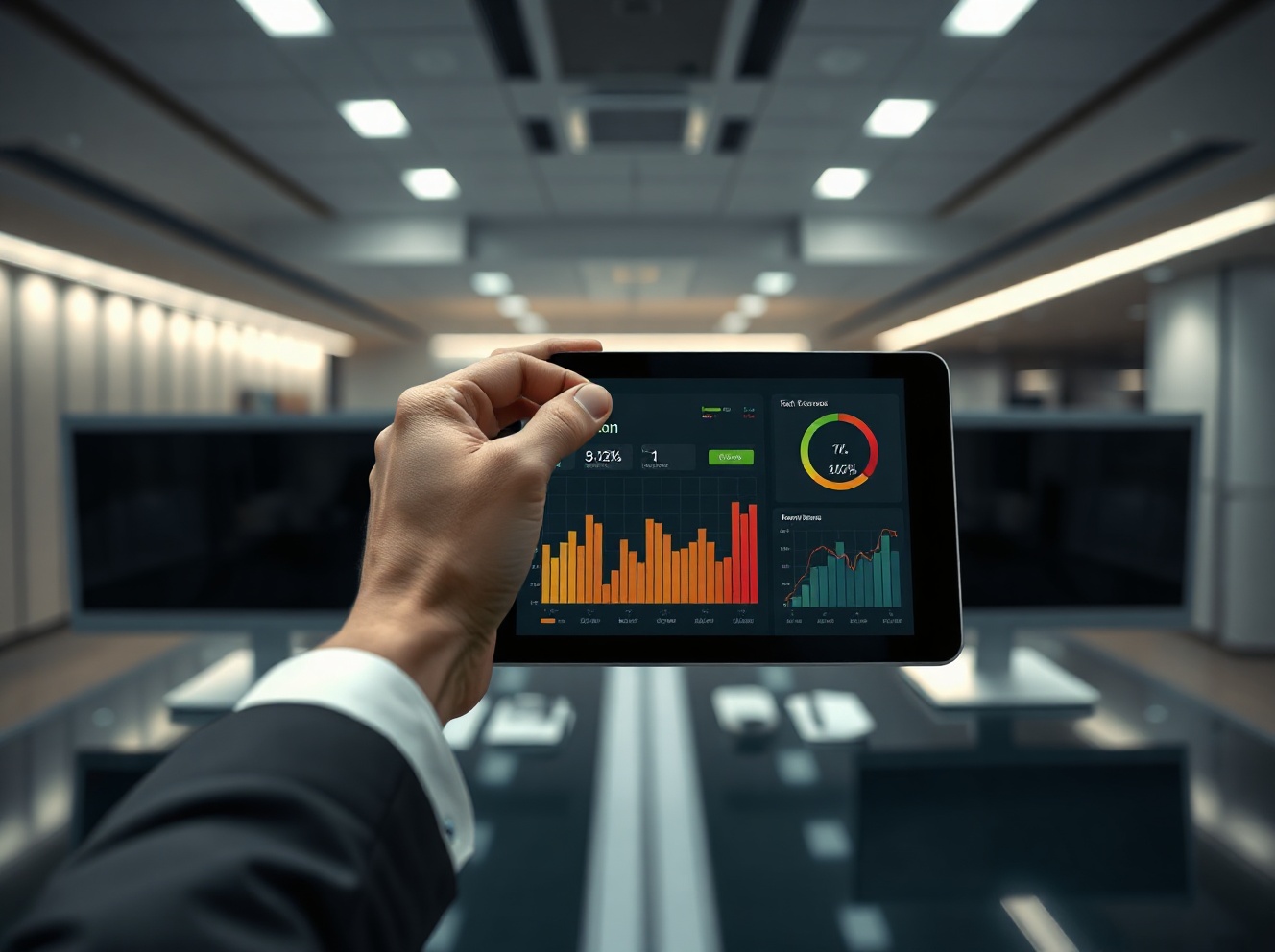
For a while, it really did look like we were heading toward more clarity.
The promise was always more clarity. Better data, smarter tools, systems that could finally make sense of the noise. And sure – a lot of that happened. But the uncertainty didn’t go anywhere. It just got faster.
Anyone who’s followed crypto for more than a few months already knows what that feels like. Bitcoin drops 15% on a Tuesday afternoon for no obvious reason. Some obscure altcoin doubles overnight, then loses it all before the week is out. And still – people keep coming back. Not in spite of the chaos, but almost because of it. The volatility stopped being a warning sign for a lot of people. It became the point.
That says something. Not just about markets, but about how attitudes toward risk have quietly shifted.
Crypto as a Cultural Shift, Not Just a Financial One
Bitcoin didn’t start out as a mainstream phenomenon. Early on it was mostly cypherpunks, hardcore libertarians, people who had serious beef with traditional finance and wanted something outside it. That crowd was small and pretty self-selecting.
That’s not the crowd anymore.
Coinbase, Binance, and a growing list of decentralised exchanges have put live markets on everyone’s phone. No opening bell. No closing time. No weekend off. The market is just… always there. And when something is always available, it changes how you relate to it – gradually, and not always in ways you consciously notice.
Retail participation has kept growing even through brutal bear markets, which tells you something important: people aren’t just chasing gains. A lot of them are drawn to the environment itself. The speed. The fact that on-chain data is public, that you’re not waiting for some analyst’s report – you can see what’s happening in real time, same as everyone else. That transparency feels different from traditional finance, even when the outcomes aren’t any more predictable.
That’s a fundamentally different relationship with markets than most people had a decade ago.
When Uncertainty Spreads Beyond Finance
What started in crypto has bled into other areas of digital life. The same psychological patterns – quick decisions, pattern recognition, handling fast-paced situations, now show up across a wide range of online platforms.
Gaming environments and digital entertainment platforms increasingly mirror these same dynamics. Platforms like NetBet, for example, operate in similarly outcome-driven environments where users make rapid decisions under uncertainty. The interfaces feel intuitive and frictionless which makes everything more accessible, but also leaves less room to pause and reflect.
That’s not inherently a bad thing. Some people develop sharper instincts. They learn to read signals faster, manage their reactions better, and become more comfortable sitting with ambiguity. These are genuinely useful skills in a world where waiting for perfect information is rarely an option.
But the risks are real too. Speed can slide into impulsiveness. Pattern recognition can become magical thinking. And confidence can quietly cross into overconfidence before you’ve noticed the shift.
Because the line between entertainment and habit can blur quickly, establishing personal limits and knowing where to find tools for responsible gambling is an important part of navigating these fast-paced environments safely.
More Data, Not More Certainty
There’s a paradox at the heart of these environments that’s worth sitting with.
The tools available today are extraordinary. On-chain analytics, sentiment trackers, real-time order books, technical indicators – anyone willing to learn can access a level of market insight that professional traders didn’t have twenty years ago. And yet, having more data doesn’t translate into more certainty. Markets remain unpredictable. Sentiment shifts without warning. Black swan events don’t announce themselves.
The European Securities and Markets Authority (ESMA) has repeatedly flagged the risks that come with retail participation in highly volatile instruments, particularly when platforms are designed to encourage frequent, fast-paced interaction. The concern isn’t that people engage – it’s that they do so without a realistic understanding of their own risk exposure.
That gap between available information and genuine understanding is where things get complicated.
A Different Kind of Financial Literacy
What all of this points to is a need for a different kind of literacy – not just understanding how markets work in theory, but developing a practical relationship with uncertainty itself.
That means knowing when to act and when to wait. Recognising the difference between a calculated decision and an impulsive one. Understanding that volatility isn’t the same as opportunity, even when it feels that way in the moment.
For crypto specifically, it also means engaging with the technology on its own terms – understanding what blockchain actually does, what decentralisation means in practice, and why the infrastructure matters beyond the price charts. The cultural shift happening here is real and significant, even when the hype around it is not.
In the end, the platforms have changed. The speed has changed. The accessibility has changed. But the fundamental challenge hasn’t: making decent decisions in conditions you can’t fully control, with information that’s never quite complete.
That was always the task. Digital life has just made it impossible to ignore.