Mitsubishi Taps JPMorgan Blockchain for Global Payments
Mitsubishi Corporation has moved to integrate blockchain-based infrastructure into its financial operations by adopting Kinexys, a distributed ledger network developed by JPMorgan Chase. The decision reflects a broader trend among multinational corporations seeking faster and more efficient payment systems to manage global cash flows.
The Kinexys platform is designed to enable near-instant transaction settlement while operating continuously, eliminating many of the constraints associated with traditional banking systems, such as time zone delays and intermediary dependencies. Mitsubishi’s adoption indicates that large enterprises are increasingly prioritizing real-time treasury capabilities and programmable financial tools to streamline operations.
Efficiency Gains Across Global Operations
Mitsubishi, which operates across diverse sectors including energy, logistics, and manufacturing, is expected to benefit from improved liquidity management across its international footprint. The company’s large-scale operations, including the production of over 883,000 vehicles in the previous year, underscore the importance of efficient capital movement.
By leveraging Kinexys, the firm aims to reduce friction in cross-border transactions and enhance the speed at which funds can be deployed between subsidiaries. This capability is particularly valuable for organizations managing complex supply chains and high transaction volumes across multiple regions.
JPMorgan has reported that the Kinexys network already processes approximately $7 billion in daily transactions and has exceeded $3 trillion in cumulative volume since its launch in 2020. The bank has indicated that it intends to scale daily processing capacity to $10 billion, signaling confidence in blockchain infrastructure as a foundational component of modern finance rather than a peripheral innovation.
Expanding Blockchain Use Cases Beyond Payments
In addition to payments, JPMorgan is advancing its blockchain strategy into asset tokenization through initiatives such as Kinexys Fund Flow. This platform focuses on digitizing traditionally illiquid asset classes, including private credit and real estate, where settlement inefficiencies have historically constrained market participation.
The move aligns with a broader industry shift toward tokenized financial instruments. Major asset managers such as BlackRock and Franklin Templeton have already introduced blockchain-based investment products, while Siemens has issued digital bonds using distributed ledger technology.
These developments suggest that blockchain is increasingly being applied to enhance liquidity, transparency, and operational efficiency across a wide range of financial assets.
Market Infrastructure Evolves Toward Tokenization
Financial market infrastructure providers are also exploring the integration of blockchain technology. Both Nasdaq and New York Stock Exchange are evaluating tokenized settlement systems, signaling a potential transformation in how securities are traded and cleared.
This shift reflects growing recognition that distributed ledger technology can streamline post-trade processes, reduce settlement times, and lower operational costs. As more institutions adopt these systems, the traditional boundaries between payments, trading, and asset management may become increasingly interconnected.
Changing Institutional Perspectives on Blockchain
The participation of established financial institutions highlights a notable shift in sentiment toward blockchain technology. Organizations that previously approached the sector with caution are now actively investing in its development and deployment. Even Jamie Dimon, who had earlier expressed skepticism toward cryptocurrencies, has supported the expansion of blockchain initiatives within JPMorgan.
This evolving perspective underscores a distinction between speculative digital assets and the underlying infrastructure that enables secure, transparent, and programmable financial transactions.
Toward an Integrated Financial Ecosystem
Blockchain adoption across traditional finance continues to accelerate as companies seek greater efficiency and flexibility in managing capital. Mitsubishi’s implementation of Kinexys illustrates how distributed ledger technology is becoming embedded within global financial systems.
As payment networks and tokenized asset platforms converge, the financial industry appears to be moving toward a more unified and programmable ecosystem. This transformation is expected to redefine how value is transferred, managed, and recorded, positioning blockchain as a core component of future financial infrastructure.
The post Mitsubishi Taps JPMorgan Blockchain for Global Payments appeared first on CoinTrust.
You May Also Like
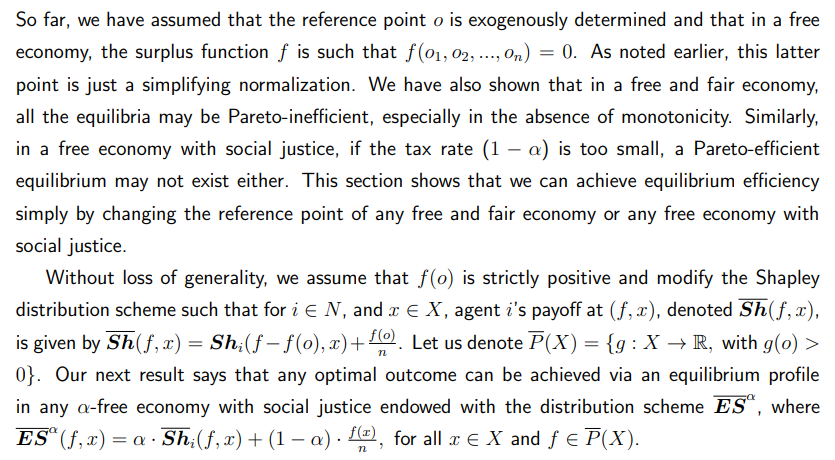
The Role of Reference Points in Achieving Equilibrium Efficiency in Fair and Socially Just Economies

Cryptos Signal Divergence Ahead of Fed Rate Decision