

Iran Shoots Down US-Israeli ‘Lucas’ Drone in Alarming Escalation, Total Now 147
BitcoinWorld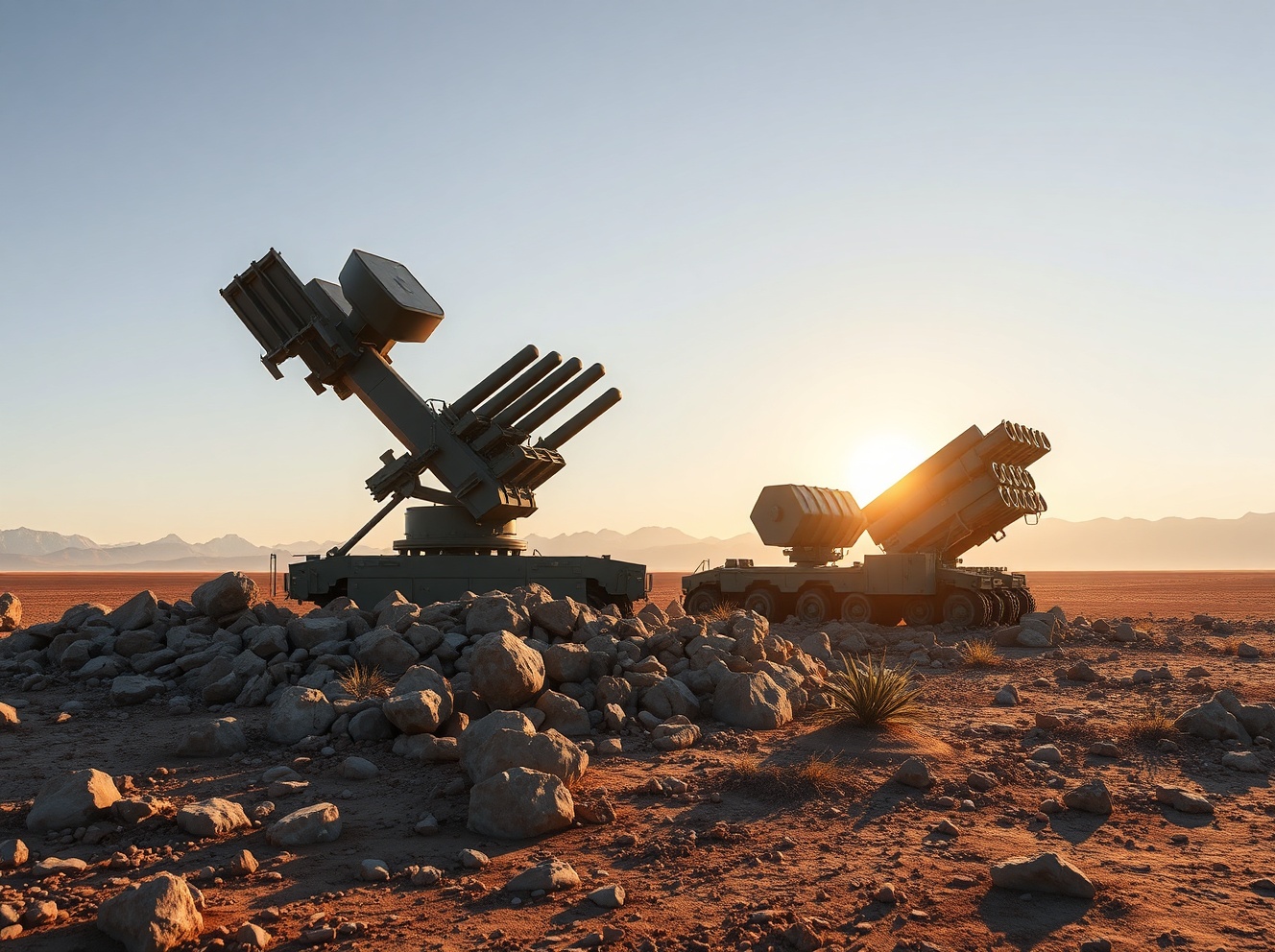
Iran Shoots Down US-Israeli ‘Lucas’ Drone in Alarming Escalation, Total Now 147
In a significant military development on March 31, Iranian air defense forces intercepted and destroyed a U.S.-Israeli unmanned aerial vehicle, identified as a ‘Lucas’ drone, over the Geshm area in southern Iran. This incident, reported by Iran’s Tasnim News Agency at 6:00 a.m. UTC, marks the 147th drone reportedly downed by Iranian forces, highlighting a persistent and escalating pattern of aerial incursions and defensive responses in the region.
Iran Downs Lucas Drone in Southern Skies
The Iranian Army’s Air Defense Unit confirmed the engagement near Geshm, a strategic coastal area close to the Strait of Hormuz. According to official statements, the unit detected the unmanned aircraft entering Iranian airspace and subsequently neutralized the threat. This action continues a documented trend of Iranian forces challenging unmanned aerial systems, often attributed to adversarial intelligence, surveillance, and reconnaissance missions.
Military analysts frequently track these incidents as indicators of regional tension. The reported tally of 147 downed drones spans several years and includes various models. For context, a comparative table of recently reported drone interceptions by Iran illustrates this activity:
| Year | Reported Drone Type | General Location |
|---|---|---|
| 2023 | Quadcopter (alleged ISR) | Western borders |
| 2024 | Fixed-wing UAV | Central Iran |
| 2025 (Mar 31) | ‘Lucas’ Drone | Geshm, Southern Iran |
Furthermore, the specific identification of the ‘Lucas’ drone is notable. Open-source intelligence communities suggest this nomenclature may refer to a specific model or project used for cross-border surveillance. The public acknowledgment by Iran serves a dual purpose: demonstrating defensive capability and issuing a diplomatic signal.
Context of Regional Aerial Incursions
The Strait of Hormuz, a vital global oil transit chokepoint, lies just south of Geshm. Consequently, this region remains a focal point for military and intelligence operations. Numerous nations monitor maritime traffic and regional activities here. Persistent reports of drone overflights contribute to an environment of constant low-level military friction.
International relations experts point to several key factors driving these incidents:
- Strategic Surveillance: The need to monitor Iran’s nuclear facilities and military deployments.
- Proxy Network Monitoring: Tracking Iran’s support for regional allied groups.
- Naval Traffic Security: Observing activity in and around the Strait of Hormuz.
Iran, for its part, has invested heavily in a layered air defense network. This system includes domestically produced platforms like the Khordad-3 and Bavar-373 systems, alongside legacy Russian technology. The consistent reporting of successful interceptions, whether fully accurate or partially for domestic consumption, aims to project strength and technological parity.
Military and Diplomatic Implications
Each reported downing carries immediate military and broader geopolitical weight. Militarily, it tests and proves Iranian defense protocols and hardware. It also provides potential intelligence gains through the analysis of wreckage. However, the greater impact often lies in the diplomatic realm.
Such events are rarely isolated. They typically occur within cycles of escalation involving other actions, such as maritime incidents or strikes on allied forces. The public announcement via Tasnim, a media outlet linked to Iran’s Islamic Revolutionary Guard Corps, is a calculated communication. It reassures a domestic audience of national security while warning external actors of continued costs for perceived violations of sovereignty.
Moreover, the specific attribution to a ‘U.S.-Israeli’ drone is politically charged. It directly links the incident to Iran’s primary adversaries, framing the action as a direct response to pressure from both nations. This narrative supports Iran’s position as a state resisting foreign intervention, a cornerstone of its foreign policy ideology.
Analysis of Iran’s Air Defense Claims
The figure of 147 downed drones invites scrutiny. Independent verification of each claim is challenging due to the clandestine nature of the operations involved. Some analysts suggest the number may encompass:
- Genuine interceptions of sophisticated intelligence drones.
- Engagements with smaller, commercial-grade drones used for smuggling or reconnaissance by non-state actors.
- Propagated claims for domestic morale and international deterrence.
Nevertheless, the accumulation of reports over time suggests a real and persistent campaign of aerial probing against Iran. The nation’s geography makes it susceptible to such overflights. In response, Iran has developed a dense radar network and rapid reaction forces. The Geshm incident likely involved these standard operating procedures: detection, identification, authorization, and engagement.
Technological evolution also plays a role. Drone technology has become more accessible and capable, leading to their proliferation in conflict zones. Simultaneously, air defense systems have adapted to counter smaller, slower, and lower-flying targets that traditional missile systems might miss. The recurring nature of these events confirms they are a staple of modern asymmetric conflict and espionage.
Conclusion
The downing of the U.S.-Israeli ‘Lucas’ drone near Geshm is more than a single military event. It represents the latest data point in a long-standing pattern of aerial confrontation surrounding Iran. This incident brings the official total to 147 drones claimed destroyed, underscoring the high-tempo nature of covert aerial operations in the Middle East. While the precise details of each engagement remain opaque, the consistent reporting highlights enduring tensions, advanced defense capabilities, and the ongoing use of unmanned systems in intelligence and power projection. The event reinforces the status of the region as a zone of continuous, undeclared technological conflict, with significant implications for regional stability and international relations.
FAQs
Q1: What is a ‘Lucas’ drone?
The ‘Lucas’ drone appears to be a label used by Iranian sources, likely referring to a specific model or type of unmanned aerial vehicle (UAV) used for intelligence, surveillance, and reconnaissance (ISR) missions. Its exact technical specifications are not publicly detailed in open sources, but the designation suggests it is a platform associated with U.S. and Israeli operations.
Q2: Why is the Geshm area significant?
Geshm is located in southern Iran near the Strait of Hormuz, one of the world’s most critical maritime chokepoints for global oil shipments. Its strategic location makes it a high-interest zone for monitoring naval traffic, military movements, and regional security, leading to heightened surveillance activity.
Q3: How does Iran track and shoot down these drones?
Iran employs a layered air defense network comprising radar systems for detection, command and control centers for identification and authorization, and a mix of surface-to-air missile systems (like the Khordad-3) and electronic warfare tools to engage and destroy incoming aerial threats.
Q4: Has the U.S. or Israel commented on this incident?
As of the initial reporting by Tasnim News Agency, there has been no immediate public confirmation or denial from U.S. or Israeli officials regarding this specific incident. Operations involving sensitive intelligence assets are typically not acknowledged by the involved nations.
Q5: What does the total of 147 downed drones indicate?
The cumulative figure, reported by Iranian authorities, indicates a prolonged and frequent pattern of alleged aerial incursions into Iranian airspace over several years. It reflects both persistent external surveillance efforts and Iran’s consistent policy of actively challenging such operations with its air defense forces.
Q6: Could this incident lead to a larger conflict?
While individually these incidents raise tensions, they have historically remained within a cycle of action and response without escalating into direct, open warfare. However, each event carries the risk of miscalculation, especially if a manned aircraft were involved or if an engagement occurred in internationally contested space.
This post Iran Shoots Down US-Israeli ‘Lucas’ Drone in Alarming Escalation, Total Now 147 first appeared on BitcoinWorld.
You May Also Like

UK Reform Party argues stablecoin limits stifle innovation

Metaplanet raises $1.4B to fuel BTC purchases and U.S. subsidiary launch


