👨🏿🚀TechCabal Daily – Uber money
Howdy.
Welcome to Q2 2026.
Thanks to everyone who wrote back and shared their Q2 predictions with us, especially Obinna. Fingers crossed. We look forward to what African tech has to offer this quarter. 
Let’s dive in.
- Uber to invest $293 million in SA
- GTCO exits trillion-naira club
- SA betting firms want banks to block foreign payments
- Advertising rules for Kenyan crypto firms
- World Wide Web 3
- Opportunities
Ride-hailing
Uber to invest $293 million in South African operations
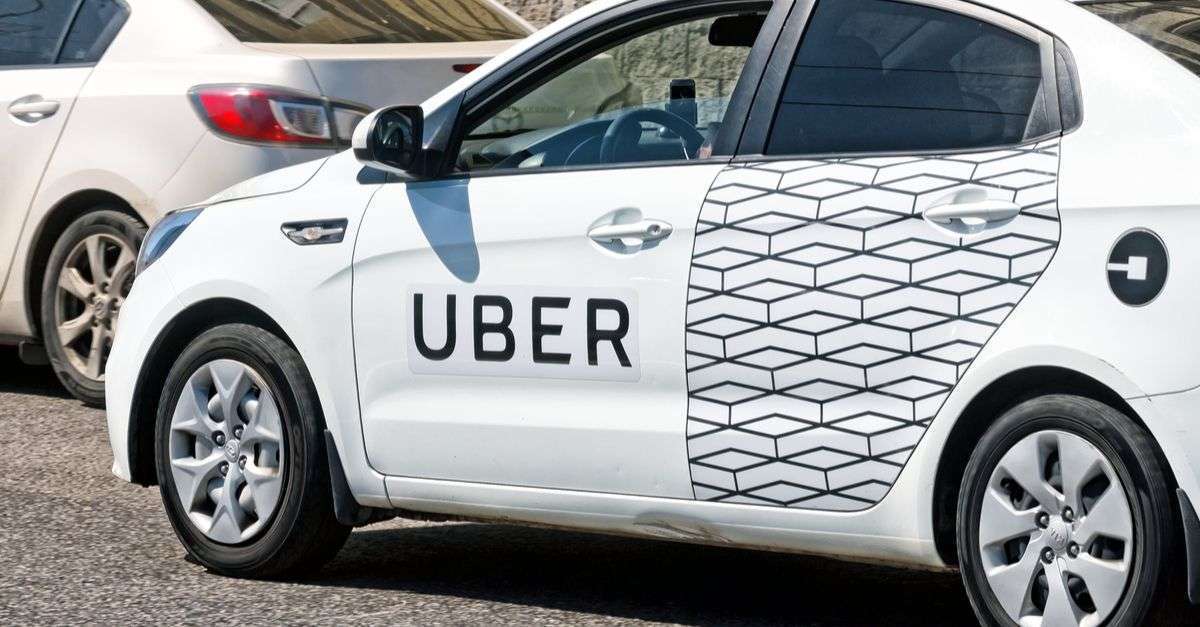 Image Source: TrendsKE
Ride-hailing platform Uber is making a big show of commitment in South Africa, while its legal footing in the country remains shaky. During a Tuesday conference, the company pledged to invest R5 billion ($293 million) in its South African business to scale operations within the country.
The capital injection will enable Uber to expand its electric vehicle (EV) fleet in South Africa, currently estimated to be around 70 today. The funding will go to EV charging infrastructure, merchant hardware, and campaign initiatives geared toward helping drivers earn money on the ride-hailing platform. Uber also plans to expand Uber Go Electric in South African townships and scale its food-delivery platform Uber Eats.
Uber’s licencing problem: Despite Uber’s plans for EV scale, the company is currently operating on the fringes of regulation. In September 2025, South Africa introduced a law that brought all ride-hailing platforms under local transportation oversight. Platforms like Uber, Bolt, and even local solutions like Wanatu were mandated to brand vehicles with their logos, install panic buttons for drivers and passengers, and geotag drivers for movement monitoring.
What makes this interesting: The deadline for compliance passed on March 11, and while Bolt and Wanatu have secured their licences, Uber hasn’t. Uber is actively lobbying the government for regulatory relief on e-hailing licencing, as the company has claimed that the current system is slow and risks holding back growth.
So what is Uber up to? While Uber has said that its cash splurge has nothing to do with sweet-talking South African regulators into a relief deal, the jury is still out. Yet, with fresh capital, Uber can hire more local talent, create jobs, and contribute to building South Africa’s growing EV economy.
Will this work? South Africa hasn’t shown any signs of softening its e-licencing rules, but for Uber, it’s not amiss to try anyway. It’s a good workaround plan, but ultimately, it might still have to chase the licence, especially as gig drivers on its competitor Bolt are now under government watch.
Fincra is now licenced in Canada.
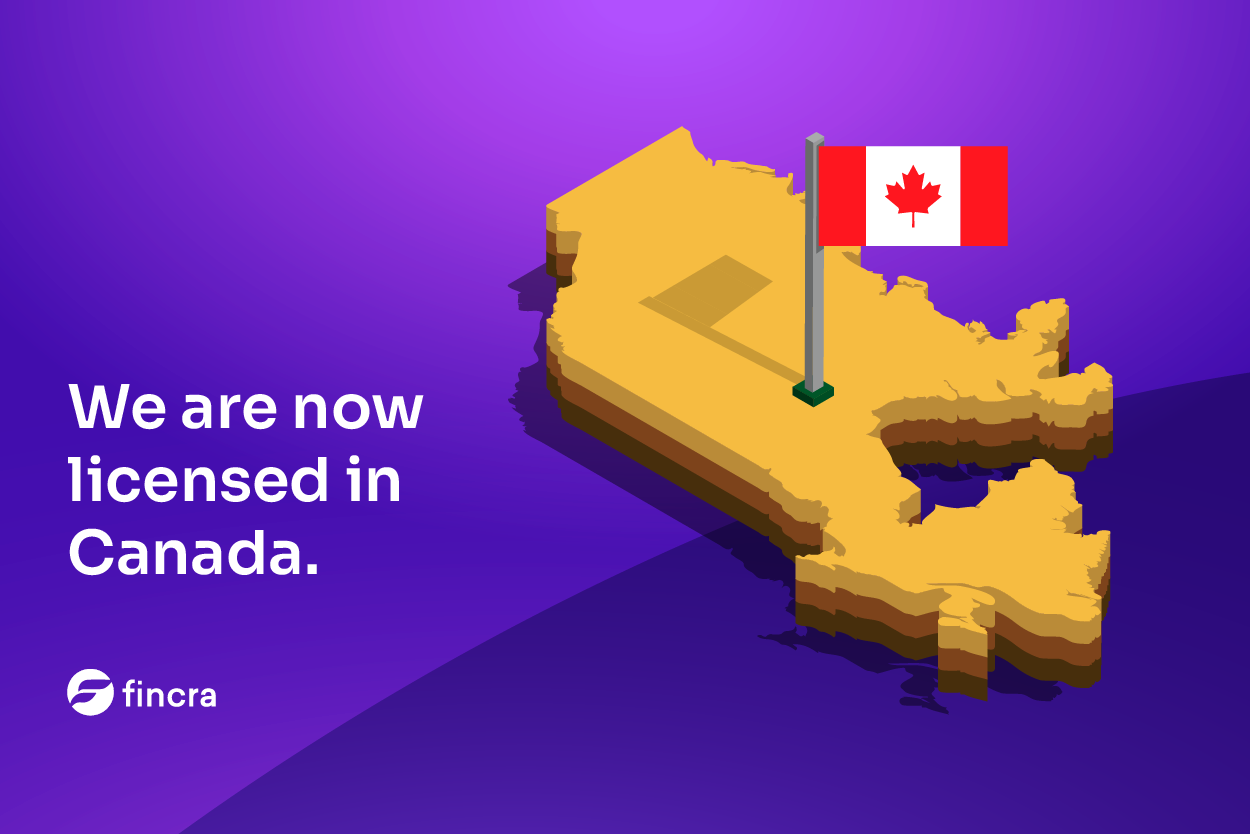
Fincra has secured a PSP licence in Canada, adding a regulated connection between Africa and one of the world’s most trusted financial systems. See what this means for your business.
Banking
Nigerian tier-1 bank GTCO lost its ‘trillion-naira’ profit status in 2025
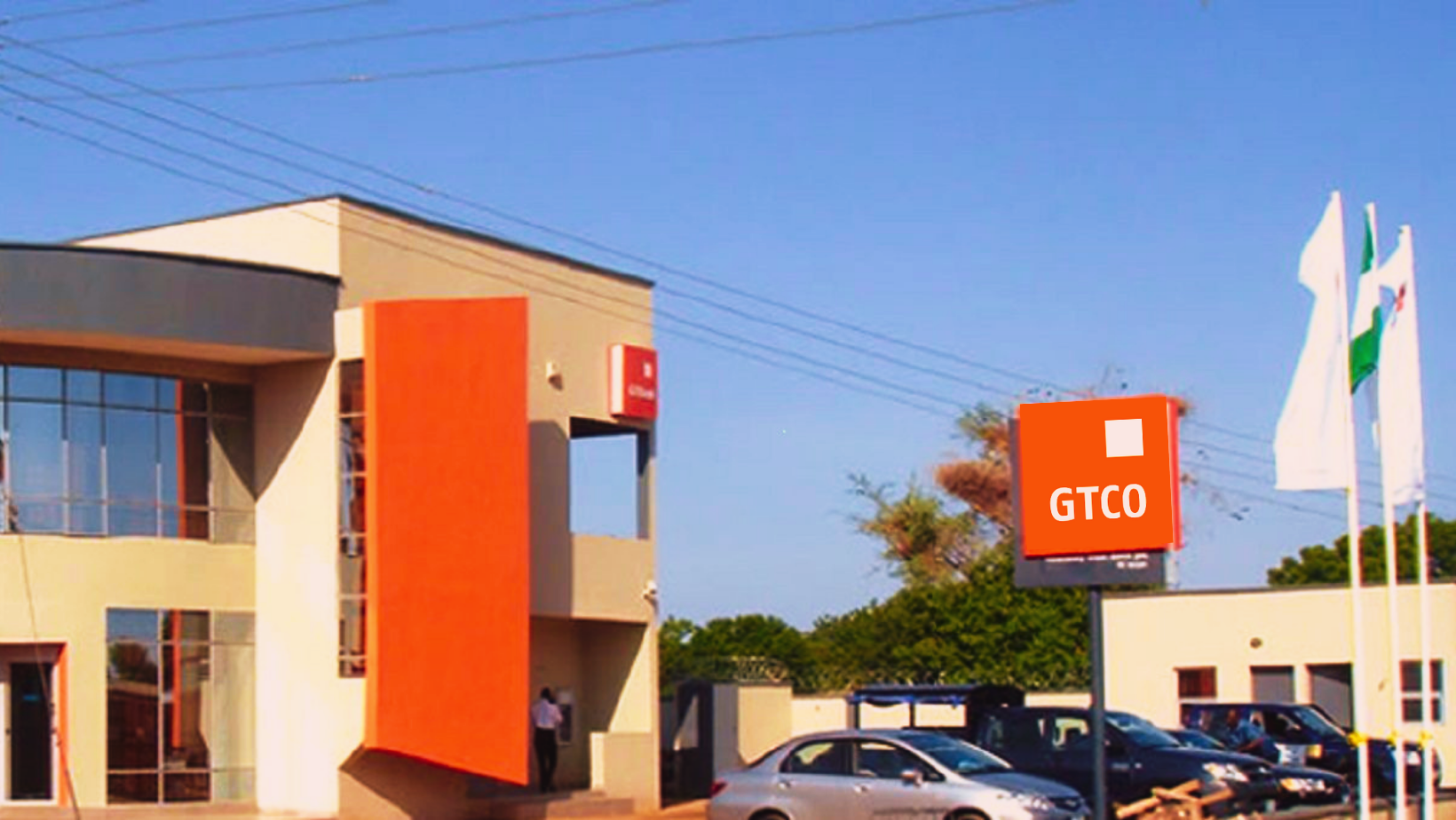 Image Source: GTCO
GTCO, a Nigerian tier-1 commercial bank, has reported about ₦1.23 trillion ($888.7 million) in pre-tax profit for 2025, down by 3% year-on-year. Post-tax profit fell about 15% to ₦866 billion ($625.7 million), despite gross earnings staying flat at around ₦2.2 trillion ($1.6 billion).
In plain language, the bank is still wildly profitable, but the foreign exchange (FX) revaluation gains that supercharged its 2024 numbers did not repeat at the same scale.
Strip it down to the basics, and three themes emerge. First, the core banking engine is still working: net interest income topped ₦200 billion ($144.5 million) to reach ₦1.26 trillion ($910.3 million) year-on-year, as GTCO earned more on loans and securities, helped by higher rates and loan repricing.
Second, the bank is paying more to keep the machine running. Its 2025 operating expenses—personnel expenses, depreciation and amortisation, and other costs—reached ₦475.4 billion ($343.2 million), climbing higher than the previous year.
Third, the taxman took a bigger bite. The group’s tax bill swelled from ₦248 billion ($180 million) to ₦365 billion ($249.3 million) in the latest reporting year. A higher overall tax charge meant that profit after tax fell much more sharply than profit before tax. Its earnings per share (EPS) also dropped from 35.44 kobo to 25.43 kobo.
Customer deposits and loans both expanded, signalling that GTCO is still growing its franchise rather than sitting on its hands after a blowout 2024. GTCO’s 2025 result points to the macro windfalls that flattered the bank to a trillion-naira profit in 2024, becoming the first Nigerian bank to do so. The real test now is whether the lender can keep compounding earnings from its core banking income.
Gaming
South African bookmakers want banks to block offshore gambling payments
 Local bookmakers in South Africa versus offshore online casinos. Image Source: Tenor
South Africa’s fight against online gambling is escalating, and this time, the target is the money spent on illegal offshore gambling platforms.
Licenced bookmakers—organisations that set odds—that are part of the South African Bookmakers Association (SABA), the trade association for online betting operators in the country, are calling on banks and payment providers within the country to block transactions to offshore gambling platforms. According to these operators, two-thirds of all online betting activity flows out of the country, costing the country over R50 billion ($2.9 billion) in revenue annually.
Online gambling without a local licence is illegal in South Africa, yet offshore platforms operate from jurisdictions like Curaçao or Malta.
These are jurisdictions that issue gambling licences, but those licences don’t apply in South Africa; yet, they actively target South African users through ads, easy sign-ups, localised apps, and frictionless payments.
Follow the money: Even if the platforms sit outside the country’s jurisdiction, the payments don’t. Every bet passes through local banks or payment providers, which, as SABA alludes, makes financial institutions enablers of an illegal system. Chasing these offshore companies to legally register in the country is a futile attempt when banks can simply cut off payment access. That’s SABA’s argument.
Yet, to pose an interesting theory, what happens if these offshore platforms pivot to cryptocurrency-based payments? It could make flows harder to capture.
Why this push now? Consumer protection is one reason. Users on these offshore platforms have no real protection, like guaranteed payouts, dispute channels, or legal claim to winnings. If a site refuses to pay out winnings, there’s no regulator to call.
It could also be about control: If regulators cut off offshore betting platforms, it could turn the attention of bettors to local platforms. Local bookmakers are losing ground to foreign ones. Yet, the poser: if the banks come through, would it really reduce offshore gambling, or will market forces find another way?
Cryptocurrency
Kenyan crypto companies must stick to advertising rules or pay fines
 Image Source: Imgflip.
Soon, using the words “crypto” or “virtual assets” in your digital and outdoor marketing campaigns could carry serious consequences if you fail to comply with Kenya’s proposed rules for advertising.
The draft virtual asset rules pull in almost every channel, including billboards and other outdoor ads, so crypto startups cannot put their brands on public infrastructure without regulatory approval.
Between the lines: The regulator did not make it clear whether ads for educational content are exempt, which means even crypto conferences, roadshows, and training events could be treated as promotions that need sign-off. From the optics, Kenya wants to run a tight ship around how operators publicise anything relating to crypto.
Kenya already forces at least one tech-enabled sector, betting platforms, to submit all ads for prior approval by the Betting Control and Licencing Board (BCLB) and the Kenya Film Classification Board (KFCB) before they run, including outdoor and digital campaigns. Digital lenders need the Central Bank of Kenya (CBK) approval to operate and launch new products, but their ads sit mainly under rules against false or misleading claims, not blanket pre-clearance of every campaign.
Ride-hailing and neobanks deal with licencing, disclosure, and general advertising standards, but there is no equivalent requirement that every billboard or social media ad be pre-approved in advance.
Crypto is being pushed closer to the gambling treatment, and the draft adds specific money stakes: up to KES 3 million ($23,000) in fines or jail time for misleading or unapproved ads.
According to the draft framework, virtual asset companies operating in Kenya could be mandated to remit a 0.05% fee on every trade from each counterparty to the appropriate regulatory authority. There’s also a 0.5% approval fee on token offerings and a KES 200,000 ($1,500) approval fee for stablecoin issuers.
Crucially, this is still a draft out for public consultation, so industry players have a narrow window to argue whether some provisions in the draft are too harsh or vague; in a few days, we will see how much of this tough stance survives industry pushback.
CRYPTO TRACKER
The World Wide Web3
Source:

|
Coin Name |
Current Value |
Day |
Month |
|---|---|---|---|
| Bitcoin | $68,218 |
+ 1.06% |
+ 2.14% |
| Ether | $2,109 |
+ 2.39% |
+ 6.13% |
| siren | $0.3296 |
– 80.73% |
+ 35.12% |
| Solana | $83.59 |
+ 0.32% |
– 0.97% |
* Data as of 06.00 AM WAT, April 1, 2026.
Opportunities
- Applications are open for ClimateLaunchpad, the world’s largest green business ideas competition run by Climate-KIC. The programme helps early-stage climate founders turn rough ideas into viable startups through training, mentorship, and pitch competitions. Entrepreneurs from around the world, including Africa, can apply for the 2026 cohort and compete for up to €10,000 in prize money and access to a global cleantech network. Apply here.
- Google for Startups: Africa, a three-month hybrid accelerator for growth-stage startups on the continent, is now accepting applications. The accelerator will provides equity-free support for the duration of the programme, mentorship, training, cloud credits, and access to Google’s AI products designed to bring the best of its programmes, products, people, and technology to communities across Africa. Apply here.
- Applications are open for the 2026 FINCA Ventures Prize Competition, which offers up to $100,000 in catalytic grant funding to early-stage African startups. The programme targets founders building tech-driven solutions in financial inclusion and sustainable agriculture and food systems, with additional technical support available for selected agri-focused startups through the CLIC Connector. Shortlisted applicants will be notified in June 2026. Apply by April 10.
- Madica has released Zero to Funded: A Founder’s Guide to Pre-Seed Fundraising in Africa, a 75-page, insight-led playbook designed for early-stage founders navigating their first raise. The guide features perspectives from investors and ecosystem leaders across the continent and covers everything from deciding whether to raise, to tackling common fundraising myths, and balancing local realities with global expectations. It also includes practical toolkits, templates, and checklists founders can use immediately. Download the free guide here to sharpen your fundraising strategy.
- The BackEnd: Kenyan AI startup bets on local dialects as proof gap remains
- Francophone Africa’s ‘Amazon moment’ is arriving. The conditions aren’t.
- Government steps in as fuel shock hits
- Art schools are being torn apart by AI
Written by: Emmanuel Nwosu and Opeyemi Kareem
Edited by: Emmanuel Nwosu
Want more of TechCabal?
Sign up for our insightful newsletters on the business and economy of tech in Africa.
- The Next Wave: futuristic analysis of the business of tech in Africa.
- Francophone Weekly by TechCabal: insider insights and analysis of Francophone’s tech ecosystem
P:S If you’re often missing TC Daily in your inbox, check your Promotions folder and move any edition of TC Daily from “Promotions” to your “Main” or “Primary” folder and TC Daily will always come to you.



You May Also Like
Trumps greeted with audible boos at Kennedy Center

How The Children’s Movie “Cars” Forewarns A Post-Human Era