By MoBitSo Money used to have weight. That’s right, it was metallic, cold, and heavy, stamped by kings and trusted merchants who placed more trust in the crown’s face than in the man beside him. Later, it also became paper, promises printed by governments and traded for goods, for labor, and in exchange for time. Then it comes with screens. It turns out that money becomes numbers. Invisible but one finds it everywhere. We would not touch our wealth simply sees it appear and vanish at glowing rectangles. It usually felt comforting, but something was lost deeply in translation-the sense of having ownership with what was actually ours. Then the phrase “ownership” becomes just a polite illusion, banks keep your money; governments watch your transactions, and corporations define your digital identity. There is access but no authority. There’s permission but no power. Then, very quietly, in 2009, a pseudonym signed a manifesto. The prophet was Satoshi Nakamoto, the prophet who released a few pages of code and a radical idea: a financial system that needs no kings, no banks, no middlemen. A world where truth would be verified not by institutions but by consensus. Bitcoin was then born not as a product but as a rebellion, a protest against the architecture of control. But mostly, they did not notice it. The charts, the speculative frenzy: they were hubbed about price on the greener pastures, treating Bitcoin as a stock or at least as a shortcut to get rich. But to those gawking scholars, Bitcoin revealed something altogether deeper-it was a philosophical machine disguised as money. It is not that bitcoin is made for making you rich; it is made for making you sovereign. To possess your wealth is to possess your will. To move it freely is to move your voice. To verify it yourself is to own your truth. Bitcoin didn’t just reinvent currency; it redefined what it means to be an individual in a digital world. However, in traditional economies, trust flows up. We trust banks to keep our savings safe, central authorities to ensure the fragility remaining intact, and governments and their codes to protect our rights. History is not short of recurring lessons reminding us about painful lessons that power once concentrated doesn’t remember whom it serves. And that flow is reversed by Bitcoin. It converts trust into verification, authority into protocol, and hierarchy into visibility. The blockchain doesn’t press for faith-it gives proof, each block a testament, each transaction a declaration that the truth can exist without permission. This is the silent revolution many still miss out on. Bitcoin is not just a monument or technological breakthrough but also one philosophical breakthrough. It embodies that very simple but dangerous thought: define how your freedom will be determined, not by the institution but by the individual. Holding your private keys is like holding a digital equivalent of Locke’s natural rights-liberty encoded, property encrypted, consent expressed as a cryptographic signature. Political philosophy becomes software in the form of Bitcoin. Thus, it’s like calling something money as too small to be narrowed down that way. It is not the next version of finance; it is the first version of digital selving. It registers a huge change in human organization; as much as the invention of written law or the printing press, tools that not only change what humans do but what they are. As we enter deeper into an era of surveillance capitalism, progammable currencies, and money, Bitcoin makes more and more sense; it is a mirror that reflects the tension between convenience and freedom, between the comfort of control and the courage of autonomy. What Bitcoin is doesn’t basically make it flawless. What is required is onus. What it punishes is forgetfulness. What it doesn’t provide is refunds and what isn’t acceptable is excuses. All that is precisely the philosophy: freedom with accountability, sovereignty with consequence. We are accustomed to systems that save us from our errors, but these also lock and limit themselves from our independence. Bitcoin invites us to grow up: to become stewards of our own digital lives. The future will become not who holds the networks but who holds the keys. Bitcoin Beyond Money: The Philosophy of Digital Sovereignty. was originally published in Coinmonks on Medium, where people are continuing the conversation by highlighting and responding to this storyBy MoBitSo Money used to have weight. That’s right, it was metallic, cold, and heavy, stamped by kings and trusted merchants who placed more trust in the crown’s face than in the man beside him. Later, it also became paper, promises printed by governments and traded for goods, for labor, and in exchange for time. Then it comes with screens. It turns out that money becomes numbers. Invisible but one finds it everywhere. We would not touch our wealth simply sees it appear and vanish at glowing rectangles. It usually felt comforting, but something was lost deeply in translation-the sense of having ownership with what was actually ours. Then the phrase “ownership” becomes just a polite illusion, banks keep your money; governments watch your transactions, and corporations define your digital identity. There is access but no authority. There’s permission but no power. Then, very quietly, in 2009, a pseudonym signed a manifesto. The prophet was Satoshi Nakamoto, the prophet who released a few pages of code and a radical idea: a financial system that needs no kings, no banks, no middlemen. A world where truth would be verified not by institutions but by consensus. Bitcoin was then born not as a product but as a rebellion, a protest against the architecture of control. But mostly, they did not notice it. The charts, the speculative frenzy: they were hubbed about price on the greener pastures, treating Bitcoin as a stock or at least as a shortcut to get rich. But to those gawking scholars, Bitcoin revealed something altogether deeper-it was a philosophical machine disguised as money. It is not that bitcoin is made for making you rich; it is made for making you sovereign. To possess your wealth is to possess your will. To move it freely is to move your voice. To verify it yourself is to own your truth. Bitcoin didn’t just reinvent currency; it redefined what it means to be an individual in a digital world. However, in traditional economies, trust flows up. We trust banks to keep our savings safe, central authorities to ensure the fragility remaining intact, and governments and their codes to protect our rights. History is not short of recurring lessons reminding us about painful lessons that power once concentrated doesn’t remember whom it serves. And that flow is reversed by Bitcoin. It converts trust into verification, authority into protocol, and hierarchy into visibility. The blockchain doesn’t press for faith-it gives proof, each block a testament, each transaction a declaration that the truth can exist without permission. This is the silent revolution many still miss out on. Bitcoin is not just a monument or technological breakthrough but also one philosophical breakthrough. It embodies that very simple but dangerous thought: define how your freedom will be determined, not by the institution but by the individual. Holding your private keys is like holding a digital equivalent of Locke’s natural rights-liberty encoded, property encrypted, consent expressed as a cryptographic signature. Political philosophy becomes software in the form of Bitcoin. Thus, it’s like calling something money as too small to be narrowed down that way. It is not the next version of finance; it is the first version of digital selving. It registers a huge change in human organization; as much as the invention of written law or the printing press, tools that not only change what humans do but what they are. As we enter deeper into an era of surveillance capitalism, progammable currencies, and money, Bitcoin makes more and more sense; it is a mirror that reflects the tension between convenience and freedom, between the comfort of control and the courage of autonomy. What Bitcoin is doesn’t basically make it flawless. What is required is onus. What it punishes is forgetfulness. What it doesn’t provide is refunds and what isn’t acceptable is excuses. All that is precisely the philosophy: freedom with accountability, sovereignty with consequence. We are accustomed to systems that save us from our errors, but these also lock and limit themselves from our independence. Bitcoin invites us to grow up: to become stewards of our own digital lives. The future will become not who holds the networks but who holds the keys. Bitcoin Beyond Money: The Philosophy of Digital Sovereignty. was originally published in Coinmonks on Medium, where people are continuing the conversation by highlighting and responding to this story

Bitcoin Beyond Money: The Philosophy of Digital Sovereignty.

2025/10/11 19:08
4 min read

By MoBitSo

Money used to have weight. That’s right, it was metallic, cold, and heavy, stamped by kings and trusted merchants who placed more trust in the crown’s face than in the man beside him. Later, it also became paper, promises printed by governments and traded for goods, for labor, and in exchange for time.

Then it comes with screens.

It turns out that money becomes numbers. Invisible but one finds it everywhere. We would not touch our wealth simply sees it appear and vanish at glowing rectangles. It usually felt comforting, but something was lost deeply in translation-the sense of having ownership with what was actually ours.

Then the phrase “ownership” becomes just a polite illusion, banks keep your money; governments watch your transactions, and corporations define your digital identity. There is access but no authority. There’s permission but no power.

Then, very quietly, in 2009, a pseudonym signed a manifesto. The prophet was Satoshi Nakamoto, the prophet who released a few pages of code and a radical idea: a financial system that needs no kings, no banks, no middlemen. A world where truth would be verified not by institutions but by consensus. Bitcoin was then born not as a product but as a rebellion, a protest against the architecture of control.

But mostly, they did not notice it.

The charts, the speculative frenzy: they were hubbed about price on the greener pastures, treating Bitcoin as a stock or at least as a shortcut to get rich. But to those gawking scholars, Bitcoin revealed something altogether deeper-it was a philosophical machine disguised as money.

It is not that bitcoin is made for making you rich; it is made for making you sovereign.

To possess your wealth is to possess your will. To move it freely is to move your voice. To verify it yourself is to own your truth. Bitcoin didn’t just reinvent currency; it redefined what it means to be an individual in a digital world.

However, in traditional economies, trust flows up. We trust banks to keep our savings safe, central authorities to ensure the fragility remaining intact, and governments and their codes to protect our rights. History is not short of recurring lessons reminding us about painful lessons that power once concentrated doesn’t remember whom it serves.

And that flow is reversed by Bitcoin.

It converts trust into verification, authority into protocol, and hierarchy into visibility. The blockchain doesn’t press for faith-it gives proof, each block a testament, each transaction a declaration that the truth can exist without permission.

This is the silent revolution many still miss out on.

Bitcoin is not just a monument or technological breakthrough but also one philosophical breakthrough. It embodies that very simple but dangerous thought: define how your freedom will be determined, not by the institution but by the individual.

Holding your private keys is like holding a digital equivalent of Locke’s natural rights-liberty encoded, property encrypted, consent expressed as a cryptographic signature. Political philosophy becomes software in the form of Bitcoin.

Thus, it’s like calling something money as too small to be narrowed down that way.

It is not the next version of finance; it is the first version of digital selving. It registers a huge change in human organization; as much as the invention of written law or the printing press, tools that not only change what humans do but what they are.

As we enter deeper into an era of surveillance capitalism, progammable currencies, and money, Bitcoin makes more and more sense; it is a mirror that reflects the tension between convenience and freedom, between the comfort of control and the courage of autonomy.

What Bitcoin is doesn’t basically make it flawless. What is required is onus. What it punishes is forgetfulness. What it doesn’t provide is refunds and what isn’t acceptable is excuses. All that is precisely the philosophy: freedom with accountability, sovereignty with consequence.

We are accustomed to systems that save us from our errors, but these also lock and limit themselves from our independence. Bitcoin invites us to grow up: to become stewards of our own digital lives.

The future will become not who holds the networks but who holds the keys.


Bitcoin Beyond Money: The Philosophy of Digital Sovereignty. was originally published in Coinmonks on Medium, where people are continuing the conversation by highlighting and responding to this story.

Disclaimer: The articles reposted on this site are sourced from public platforms and are provided for informational purposes only. They do not necessarily reflect the views of MEXC. All rights remain with the original authors. If you believe any content infringes on third-party rights, please contact [email protected] for removal. MEXC makes no guarantees regarding the accuracy, completeness, or timeliness of the content and is not responsible for any actions taken based on the information provided. The content does not constitute financial, legal, or other professional advice, nor should it be considered a recommendation or endorsement by MEXC.

You May Also Like

How to earn from cloud mining: IeByte’s upgraded auto-cloud mining platform unlocks genuine passive earnings

How to earn from cloud mining: IeByte’s upgraded auto-cloud mining platform unlocks genuine passive earnings

The post How to earn from cloud mining: IeByte’s upgraded auto-cloud mining platform unlocks genuine passive earnings appeared on BitcoinEthereumNews.com. contributor Posted: September 17, 2025 As digital assets continue to reshape global finance, cloud mining has become one of the most effective ways for investors to generate stable passive income. Addressing the growing demand for simplicity, security, and profitability, IeByte has officially upgraded its fully automated cloud mining platform, empowering both beginners and experienced investors to earn Bitcoin, Dogecoin, and other mainstream cryptocurrencies without the need for hardware or technical expertise. Why cloud mining in 2025? Traditional crypto mining requires expensive hardware, high electricity costs, and constant maintenance. In 2025, with blockchain networks becoming more competitive, these barriers have grown even higher. Cloud mining solves this by allowing users to lease professional mining power remotely, eliminating the upfront costs and complexity. IeByte stands at the forefront of this transformation, offering investors a transparent and seamless path to daily earnings. IeByte’s upgraded auto-cloud mining platform With its latest upgrade, IeByte introduces: Full Automation: Mining contracts can be activated in just one click, with all processes handled by IeByte’s servers. Enhanced Security: Bank-grade encryption, cold wallets, and real-time monitoring protect every transaction. Scalable Options: From starter packages to high-level investment contracts, investors can choose the plan that matches their goals. Global Reach: Already trusted by users in over 100 countries. Mining contracts for 2025 IeByte offers a wide range of contracts tailored for every investor level. From entry-level plans with daily returns to premium high-yield packages, the platform ensures maximum accessibility. Contract Type Duration Price Daily Reward Total Earnings (Principal + Profit) Starter Contract 1 Day $200 $6 $200 + $6 + $10 bonus Bronze Basic Contract 2 Days $500 $13.5 $500 + $27 Bronze Basic Contract 3 Days $1,200 $36 $1,200 + $108 Silver Advanced Contract 1 Day $5,000 $175 $5,000 + $175 Silver Advanced Contract 2 Days $8,000 $320 $8,000 + $640 Silver…
Share
BitcoinEthereumNews2025/09/17 23:48
b.well Connected Health Unveils bailey™, a Ready-to-Deploy White-Label Health AI Assistant
b.well Connected Health Unveils bailey™, a Ready-to-Deploy White-Label Health AI Assistant

bailey enables organizations to deploy a branded AI health assistant in their own apps in weeks, powered by b.well’s complete patient data platform BALTIMORE, Feb
Share
AI Journal2026/02/23 23:32
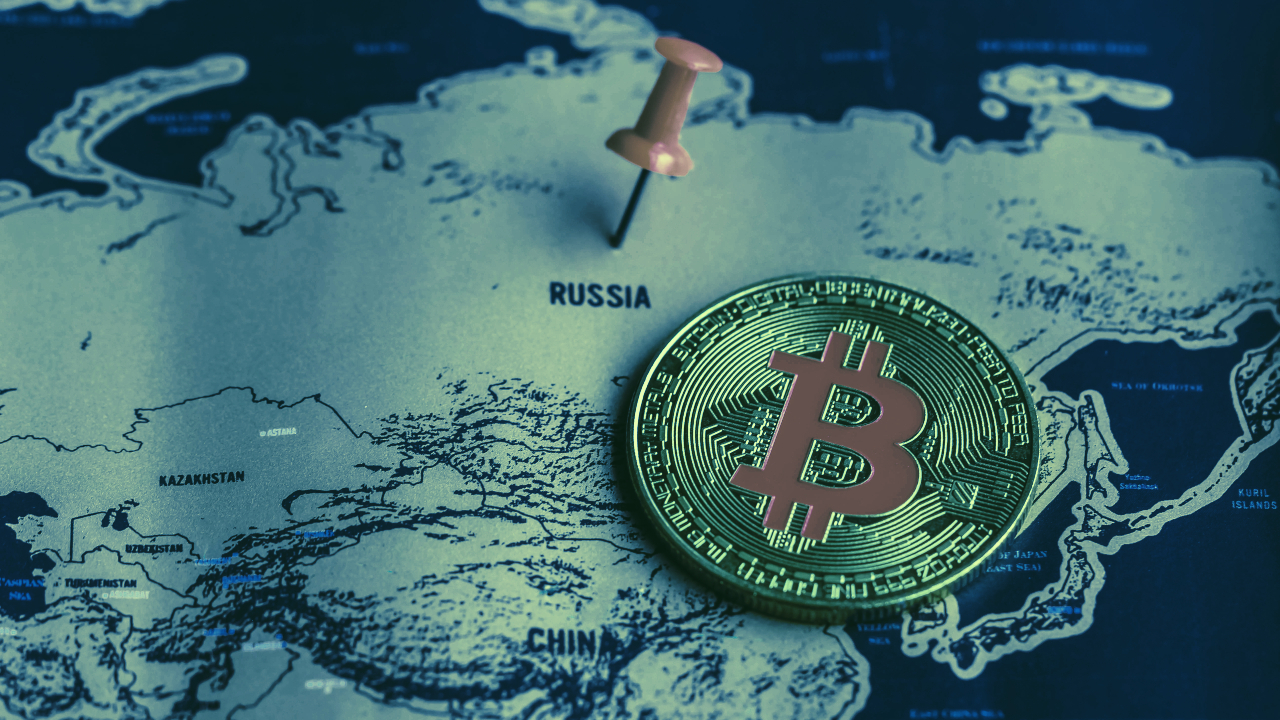
Russia’s Central Bank Prepares Crackdown on Crypto in New 2026–2028 Strategy

Russia’s Central Bank Prepares Crackdown on Crypto in New 2026–2028 Strategy

The Central Bank of Russia’s long-term strategy for 2026 to 2028 paints a picture of growing concern. The document, prepared […] The post Russia’s Central Bank Prepares Crackdown on Crypto in New 2026–2028 Strategy appeared first on Coindoo.
Share
Coindoo2025/09/18 02:30