TLDR: EU stablecoin firms may face dual licences under MiCA and PSD2 starting March 2026. CASPs could retreat from custody services if regulatory overlap is not addressed in time. PSD3 legislation may need targeted carve-outs to avoid stalling euro stablecoin growth. Regulatory duplication risks creating compliance bottlenecks for crypto businesses in Europe. The EU risks [...] The post EU Stablecoin Firms Could Face Double Licensing: Adoption at Risk? appeared first on Blockonomi.TLDR: EU stablecoin firms may face dual licences under MiCA and PSD2 starting March 2026. CASPs could retreat from custody services if regulatory overlap is not addressed in time. PSD3 legislation may need targeted carve-outs to avoid stalling euro stablecoin growth. Regulatory duplication risks creating compliance bottlenecks for crypto businesses in Europe. The EU risks [...] The post EU Stablecoin Firms Could Face Double Licensing: Adoption at Risk? appeared first on Blockonomi.

EU Stablecoin Firms Could Face Double Licensing: Adoption at Risk?

2025/10/31 18:56
3 min read

TLDR:

  • EU stablecoin firms may face dual licences under MiCA and PSD2 starting March 2026.
  • CASPs could retreat from custody services if regulatory overlap is not addressed in time.
  • PSD3 legislation may need targeted carve-outs to avoid stalling euro stablecoin growth.
  • Regulatory duplication risks creating compliance bottlenecks for crypto businesses in Europe.

The EU risks creating a major regulatory bottleneck for its stablecoin market just months before MiCA rules fully kick in. 

Crypto firms handling euro-backed stablecoins could face overlapping licensing obligations. This arises as MiCA and PSD2 frameworks remain misaligned. Experts warn the clash may slow adoption and push users toward unbacked crypto assets.

Patrick Hansen, a crypto policy analyst, highlighted the issue in a recent tweet, drawing attention to the urgent need for legislative fixes.

Europe’s digital currency ambitions may face a compliance hurdle. Currently, businesses using e-money tokens (EMTs) might require both a MiCA CASP licence and a PSD2 payment licence. This duplication could start in March 2026. 

Hansen said that dual licensing contradicts MiCA’s “one rulebook” promise and risks overcomplicating supervision. Firms could struggle to comply, adding legal and operational burdens.

MiCA and PSD2 Overlap Threatens Stablecoin Growth

The European Banking Authority (EBA) guidance points to regulatory duplication as a pressing problem. Firms may have to secure two licences for the same custody or transfer activity. 

Analysts warn this could deter CASPs from offering key stablecoin services. If the main distributors retreat, euro stablecoin adoption may stall. Hansen emphasized that this could unintentionally favor unbacked crypto assets over regulated options.

EU principles such as proportionality, legal clarity, and consistency are also at risk. Forcing dual licences adds unnecessary hurdles for both industry players and regulators.

 Policy documents, including the Commission’s red-tape agenda, call for streamlining rules rather than stacking them. Without intervention, this overlap could create confusion and slow growth. The market could face delays in rolling out euro-backed stablecoin services.

Proposed Fixes and Policy Recommendations

Experts suggest extending the CASP transition period to at least 2027. This would prevent a cliff-edge when dual licensing starts in March 2026. 

Hansen recommends that PSD3 legislation include carve-outs, such as treating first-party EMT transfers differently. Cross-references between MiCA and PSD2 could clarify which framework applies. This would preserve MiCA’s intent while avoiding regulatory duplication.

Industry stakeholders are watching developments closely. Crypto firms need clear guidance to continue offering custody and transfer services. EU policymakers must act fast to maintain competitiveness in the euro stablecoin space. 

Hansen warns that failure to address these overlaps could result in slower adoption and market uncertainty. The coming months will be critical for Europe’s digital finance plans.

The post EU Stablecoin Firms Could Face Double Licensing: Adoption at Risk? appeared first on Blockonomi.

Market Opportunity
Notcoin Logo
Notcoin Price(NOT)
$0.0003788
$0.0003788$0.0003788
+1.39%
USD
Notcoin (NOT) Live Price Chart
Disclaimer: The articles reposted on this site are sourced from public platforms and are provided for informational purposes only. They do not necessarily reflect the views of MEXC. All rights remain with the original authors. If you believe any content infringes on third-party rights, please contact [email protected] for removal. MEXC makes no guarantees regarding the accuracy, completeness, or timeliness of the content and is not responsible for any actions taken based on the information provided. The content does not constitute financial, legal, or other professional advice, nor should it be considered a recommendation or endorsement by MEXC.

You May Also Like

Thunderclap Review 2026: Is it the Best Social Media Service for Instant Gains?

Thunderclap Review 2026: Is it the Best Social Media Service for Instant Gains?

TLDR: Is Thunderclap legit? Yes, Thunderclap is a legitimate social media growth service designed to help users increase their followers, engagement, and overall
Share
AI Journal2026/02/20 21:10
The GENIUS Act Is Already Law. Banks Shouldn’t Try to Rewrite It Now
The GENIUS Act Is Already Law. Banks Shouldn’t Try to Rewrite It Now

The post The GENIUS Act Is Already Law. Banks Shouldn’t Try to Rewrite It Now appeared on BitcoinEthereumNews.com. Healthy competition drives innovation and better products for consumers; it is at the center of American economic leadership. Unfortunately, now that the bipartisan GENIUS Act has been signed into law, major legacy financial institutions seem to be having second thoughts about the innovations that stablecoins can bring to financial markets. Bank lobbying groups and public affairs teams have been peppering Congress with complaints about the law, urging members to reopen debate and introduce changes to the legislation that will ensure the stablecoin market doesn’t grow too quickly, protecting banks’ profits and stifling consumer choice. This reactionary response is both overblown and unnecessary. What legacy financial firms should do instead is embrace competition and offer exciting new products and services that consumers want, not try to kneecap emerging players through anti-innovation rules and regulations. The GENIUS Act was carefully designed with a thorough bipartisan process to strengthen consumer safeguards, ensure regulatory oversight, and preserve financial stability. Efforts to roll back its provisions are less about protecting families and more about protecting entrenched banking interests from the competition that helps ensure the U.S. banking system stays the strongest and most innovative in the world. Critics warn that allowing stablecoins to provide rewards could lead to massive deposit outflows from community banks, with figures as high as $6.6 trillion cited. But closer examination shows this fear is unfounded. A July 2025 analysis by consulting firm Charles River Associates found no statistically significant relationship between stablecoin adoption and community bank deposit outflows. In fact, the overwhelming majority of stablecoin reserves remain in the traditional financial system — either in commercial bank accounts or in short-term Treasuries — where they continue to support liquidity and credit in the broader U.S. economy. The dire estimates rely on unrealistic assumptions that every dollar of stablecoin issuance permanently…
Share
BitcoinEthereumNews2025/09/18 09:39
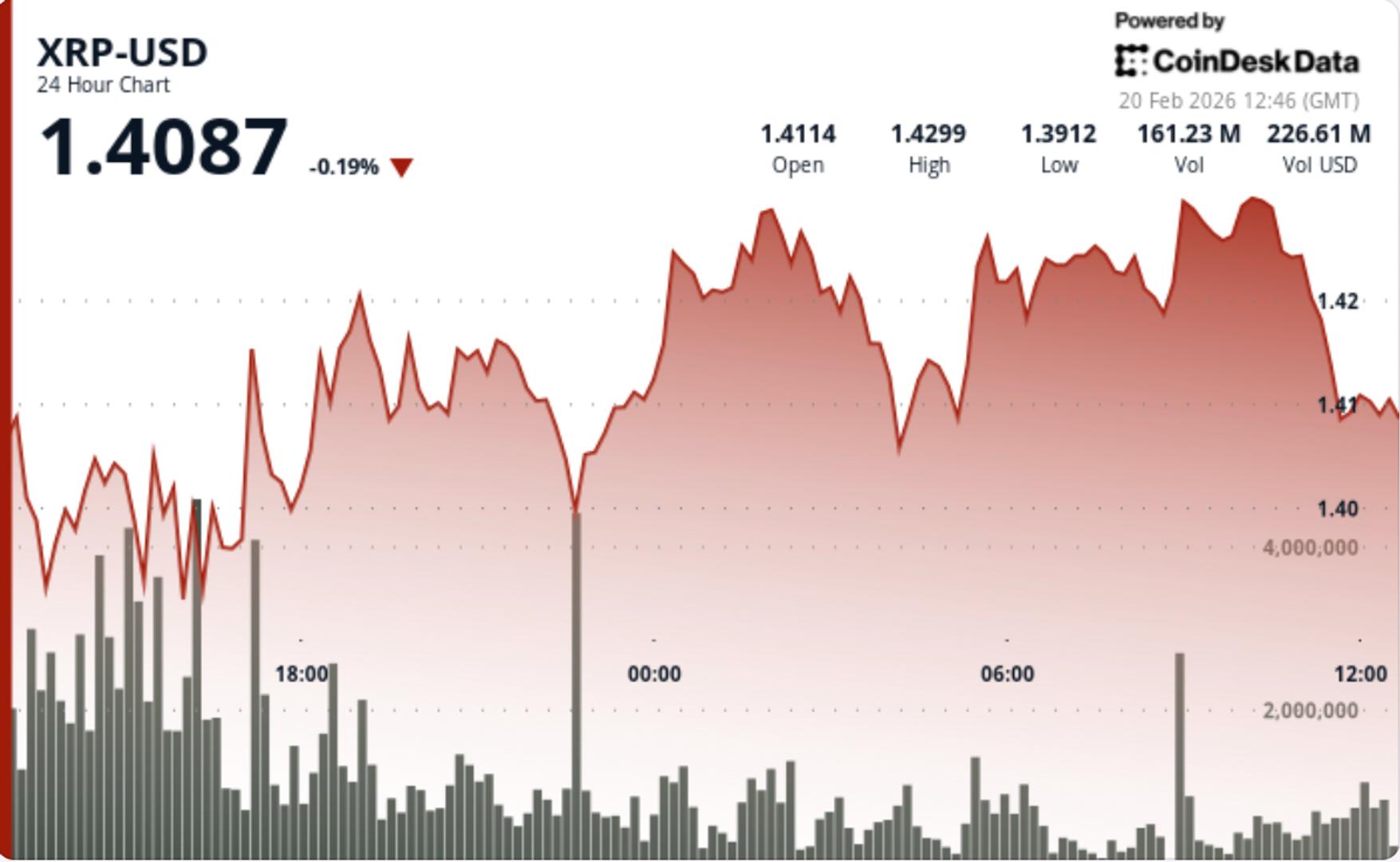
What next for XRP as volatility sinks to 2024 lows

What next for XRP as volatility sinks to 2024 lows

Markets Share Share this article
Copy linkX (Twitter)LinkedInFacebookEmail
What next for XRP as volatility sinks to 202
Share
Coindesk2026/02/20 21:08