Written by Seedco Since its launch in early 2024, Pump.fun has been the Solana ecosystem's most anticipated meme coin launch platform. Initially a low-barrier coin creation tool, it has grown over the past year and a half into a comprehensive platform integrating coin issuance, live streaming, and a creator capital market. In August 2025, Pump.fun continued to lead with cumulative revenue of US$800 million and a market share of over 70%. The platform did not stop at the label of "meme casino", but further consolidated its dominant position through a series of actions such as live streaming, CCMs (Creator Capital Market), and Ascend dynamic fee mechanism. Live broadcast: turning meme coins into social and entertainment Pump.fun attempted to add a live broadcast function in 2024, allowing creators to interact with the community while issuing coins. Initially, this model sparked controversy due to excessive attention-seeking behavior: some livestreamers drank excessively, set fires, and even abused animals. The platform urgently shut down livestreaming in November 2024 to reestablish its review mechanism. However, with its relaunch in 2025, livestreaming gradually returned to normal, becoming a key traffic driver for Pump.fun. Data shows that live streaming not only improves user stickiness, but also brings tangible benefits. Take the anchor Rasmr as an example. Before Ascend was launched, his daily income was only US$5.12, but the day after the new rate mechanism was launched, his income soared to US$2,290. Another creator, Jytol, said his average livestream audience was only four, but after going online, that number jumped to 15, and his income increased from $2.33 to $9.30. While not a huge amount, for the average creator, this growth rate far exceeds the profit models of traditional platforms like Twitch or Kick. The significance of livestreaming lies in the fact that it transforms the meme coin issuance process into a social and entertainment event. Users no longer simply purchase meme coins; they engage with creators in real time through livestreaming. As one livestreamer put it, "Pump.fun allows ordinary people to earn money livestreaming in small communities. I earn more than I could earn on Twitch in a whole year." CCMs: The Prototype of the Creator Capital Market Live streaming brings in traffic, but how do you convert that traffic into long-term value? Pump.fun’s answer is CCMs (Creator Capital Markets). Under the CCMs logic, each creator is not just a token issuer, but also an "investable target." Users can indirectly bet on the creator's reputation and influence through the tokens they issue. For example, Pump.fun’s Basedd House brings together a group of contracted streamers who serve as both content creators and token issuers. One of the creators, Goon, earned $9,400 in creator fees in three months. This effectively financializes "social capital": the stronger a creator's traffic and community engagement, the more valuable their token becomes. Compared to traditional meme coins, which rely solely on memes and short-term hype, CCMs provide an institutional framework for long-term bonding between creators and users, driving Pump.fun's transition to a creator economy platform. Ascend: System upgrade brought by dynamic fees In September 2025, Pump.fun launched Project Ascend, completely reshaping the platform's incentive structure. The core of this new model is a dynamic fee structure: creators receive a portion of the fees for each transaction, but this percentage decreases as the token's market capitalization increases. For a market capitalization between $88,000 and $300,000, creators can earn a transaction fee of up to 0.95%; As the market capitalization increases to $20 million, the fee rate drops to 0.05%, but by then trading volume has increased significantly. The effect is immediate: In the first 24 hours after Ascend launched, creators earned over $2.4 million, compared to just $198,000 the day before. Some creators have earned over $80,000 in a single day, a figure that was unimaginable in the past; The platform's overall fee revenue reached US$2.55 million on the launch day, surpassing the derivatives giant Hyperliquid at one point. As Dune analyst Adam Tehc puts it: “Creators are the core of the meme coin economy. Better incentives will give them a stronger position in this ecosystem.” User Experience: Minimal Design and Instant Gratification Beyond its various clever design mechanisms, Pump.fun's user experience is also the "soft power" that makes the platform so popular. On Pump.fun, anyone can create a meme coin in minutes simply by entering the token name and symbol and uploading an image. The platform’s bonding curve pricing mechanism replaces traditional order books and liquidity pools, meaning users don’t need to learn complex trading rules: When a user wants to purchase a token, they send funds (such as ETH or USDT) to the smart contract. The contract then calculates the price based on the current circulating supply using the Bonding Curve formula and mints new tokens for the user. Because the issuance of new tokens increases the total circulating supply, the next purchase price will be higher. Sell: When a user wants to sell tokens, they send them back to the smart contract for destruction. The contract then withdraws funds from the contract and returns them to the user based on the price corresponding to the circulating supply. Since the destruction of tokens reduces the total circulating supply, the next sale price will be lower. This clear and intuitive mechanism, together with the platform's real-time updated price curves and charts, brings strong immediate feedback. Data shows that since 2024, Pump.fun has attracted millions of users to try to issue coins, a considerable number of whom are exposed to blockchain applications for the first time. It is this minimalist UI and instant gratification that makes Pump.fun a natural incubator for meme culture. Conclusion: From "Paradise" to "Ecology" Pump.fun's leading position stems from its continuous evolution in multiple dimensions: In terms of data, it has established a moat with absolute revenue and market share; In terms of mechanism, Project Ascend transforms short-term speculation into a long-term creator ecosystem; In terms of experience, the minimalist process and instant feedback make it a natural place for memes to appear; KOLs and communities inject real communication and cohesive energy into it. All of this has made Pump.fun more than just a "speculation paradise" and a true creator economy platform. So no matter how the meme scene changes, your big brother will always be your big brother. In the next explosive cycle, it will still be the most important stage that cannot be ignored.Written by Seedco Since its launch in early 2024, Pump.fun has been the Solana ecosystem's most anticipated meme coin launch platform. Initially a low-barrier coin creation tool, it has grown over the past year and a half into a comprehensive platform integrating coin issuance, live streaming, and a creator capital market. In August 2025, Pump.fun continued to lead with cumulative revenue of US$800 million and a market share of over 70%. The platform did not stop at the label of "meme casino", but further consolidated its dominant position through a series of actions such as live streaming, CCMs (Creator Capital Market), and Ascend dynamic fee mechanism. Live broadcast: turning meme coins into social and entertainment Pump.fun attempted to add a live broadcast function in 2024, allowing creators to interact with the community while issuing coins. Initially, this model sparked controversy due to excessive attention-seeking behavior: some livestreamers drank excessively, set fires, and even abused animals. The platform urgently shut down livestreaming in November 2024 to reestablish its review mechanism. However, with its relaunch in 2025, livestreaming gradually returned to normal, becoming a key traffic driver for Pump.fun. Data shows that live streaming not only improves user stickiness, but also brings tangible benefits. Take the anchor Rasmr as an example. Before Ascend was launched, his daily income was only US$5.12, but the day after the new rate mechanism was launched, his income soared to US$2,290. Another creator, Jytol, said his average livestream audience was only four, but after going online, that number jumped to 15, and his income increased from $2.33 to $9.30. While not a huge amount, for the average creator, this growth rate far exceeds the profit models of traditional platforms like Twitch or Kick. The significance of livestreaming lies in the fact that it transforms the meme coin issuance process into a social and entertainment event. Users no longer simply purchase meme coins; they engage with creators in real time through livestreaming. As one livestreamer put it, "Pump.fun allows ordinary people to earn money livestreaming in small communities. I earn more than I could earn on Twitch in a whole year." CCMs: The Prototype of the Creator Capital Market Live streaming brings in traffic, but how do you convert that traffic into long-term value? Pump.fun’s answer is CCMs (Creator Capital Markets). Under the CCMs logic, each creator is not just a token issuer, but also an "investable target." Users can indirectly bet on the creator's reputation and influence through the tokens they issue. For example, Pump.fun’s Basedd House brings together a group of contracted streamers who serve as both content creators and token issuers. One of the creators, Goon, earned $9,400 in creator fees in three months. This effectively financializes "social capital": the stronger a creator's traffic and community engagement, the more valuable their token becomes. Compared to traditional meme coins, which rely solely on memes and short-term hype, CCMs provide an institutional framework for long-term bonding between creators and users, driving Pump.fun's transition to a creator economy platform. Ascend: System upgrade brought by dynamic fees In September 2025, Pump.fun launched Project Ascend, completely reshaping the platform's incentive structure. The core of this new model is a dynamic fee structure: creators receive a portion of the fees for each transaction, but this percentage decreases as the token's market capitalization increases. For a market capitalization between $88,000 and $300,000, creators can earn a transaction fee of up to 0.95%; As the market capitalization increases to $20 million, the fee rate drops to 0.05%, but by then trading volume has increased significantly. The effect is immediate: In the first 24 hours after Ascend launched, creators earned over $2.4 million, compared to just $198,000 the day before. Some creators have earned over $80,000 in a single day, a figure that was unimaginable in the past; The platform's overall fee revenue reached US$2.55 million on the launch day, surpassing the derivatives giant Hyperliquid at one point. As Dune analyst Adam Tehc puts it: “Creators are the core of the meme coin economy. Better incentives will give them a stronger position in this ecosystem.” User Experience: Minimal Design and Instant Gratification Beyond its various clever design mechanisms, Pump.fun's user experience is also the "soft power" that makes the platform so popular. On Pump.fun, anyone can create a meme coin in minutes simply by entering the token name and symbol and uploading an image. The platform’s bonding curve pricing mechanism replaces traditional order books and liquidity pools, meaning users don’t need to learn complex trading rules: When a user wants to purchase a token, they send funds (such as ETH or USDT) to the smart contract. The contract then calculates the price based on the current circulating supply using the Bonding Curve formula and mints new tokens for the user. Because the issuance of new tokens increases the total circulating supply, the next purchase price will be higher. Sell: When a user wants to sell tokens, they send them back to the smart contract for destruction. The contract then withdraws funds from the contract and returns them to the user based on the price corresponding to the circulating supply. Since the destruction of tokens reduces the total circulating supply, the next sale price will be lower. This clear and intuitive mechanism, together with the platform's real-time updated price curves and charts, brings strong immediate feedback. Data shows that since 2024, Pump.fun has attracted millions of users to try to issue coins, a considerable number of whom are exposed to blockchain applications for the first time. It is this minimalist UI and instant gratification that makes Pump.fun a natural incubator for meme culture. Conclusion: From "Paradise" to "Ecology" Pump.fun's leading position stems from its continuous evolution in multiple dimensions: In terms of data, it has established a moat with absolute revenue and market share; In terms of mechanism, Project Ascend transforms short-term speculation into a long-term creator ecosystem; In terms of experience, the minimalist process and instant feedback make it a natural place for memes to appear; KOLs and communities inject real communication and cohesive energy into it. All of this has made Pump.fun more than just a "speculation paradise" and a true creator economy platform. So no matter how the meme scene changes, your big brother will always be your big brother. In the next explosive cycle, it will still be the most important stage that cannot be ignored.

Meme is immortal, Pumpfun is immortal

2025/09/10 14:00
6 min read
For feedback or concerns regarding this content, please contact us at [email protected]

Written by Seedco

Since its launch in early 2024, Pump.fun has been the Solana ecosystem's most anticipated meme coin launch platform. Initially a low-barrier coin creation tool, it has grown over the past year and a half into a comprehensive platform integrating coin issuance, live streaming, and a creator capital market.

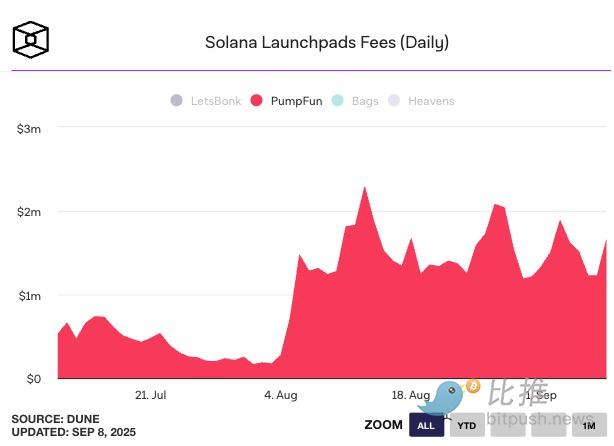
In August 2025, Pump.fun continued to lead with cumulative revenue of US$800 million and a market share of over 70%. The platform did not stop at the label of "meme casino", but further consolidated its dominant position through a series of actions such as live streaming, CCMs (Creator Capital Market), and Ascend dynamic fee mechanism.
Live broadcast: turning meme coins into social and entertainment

Pump.fun attempted to add a live broadcast function in 2024, allowing creators to interact with the community while issuing coins.

Initially, this model sparked controversy due to excessive attention-seeking behavior: some livestreamers drank excessively, set fires, and even abused animals. The platform urgently shut down livestreaming in November 2024 to reestablish its review mechanism. However, with its relaunch in 2025, livestreaming gradually returned to normal, becoming a key traffic driver for Pump.fun.

Data shows that live streaming not only improves user stickiness, but also brings tangible benefits.

Take the anchor Rasmr as an example. Before Ascend was launched, his daily income was only US$5.12, but the day after the new rate mechanism was launched, his income soared to US$2,290.
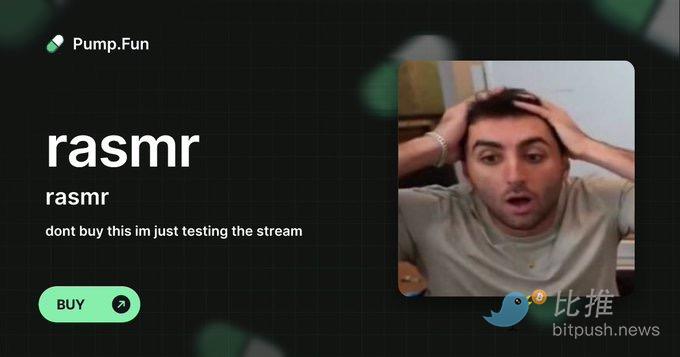
Another creator, Jytol, said his average livestream audience was only four, but after going online, that number jumped to 15, and his income increased from $2.33 to $9.30. While not a huge amount, for the average creator, this growth rate far exceeds the profit models of traditional platforms like Twitch or Kick.

The significance of livestreaming lies in the fact that it transforms the meme coin issuance process into a social and entertainment event. Users no longer simply purchase meme coins; they engage with creators in real time through livestreaming. As one livestreamer put it, "Pump.fun allows ordinary people to earn money livestreaming in small communities. I earn more than I could earn on Twitch in a whole year."

CCMs: The Prototype of the Creator Capital Market

Live streaming brings in traffic, but how do you convert that traffic into long-term value? Pump.fun’s answer is CCMs (Creator Capital Markets).

Under the CCMs logic, each creator is not just a token issuer, but also an "investable target." Users can indirectly bet on the creator's reputation and influence through the tokens they issue.

For example, Pump.fun’s Basedd House brings together a group of contracted streamers who serve as both content creators and token issuers. One of the creators, Goon, earned $9,400 in creator fees in three months.
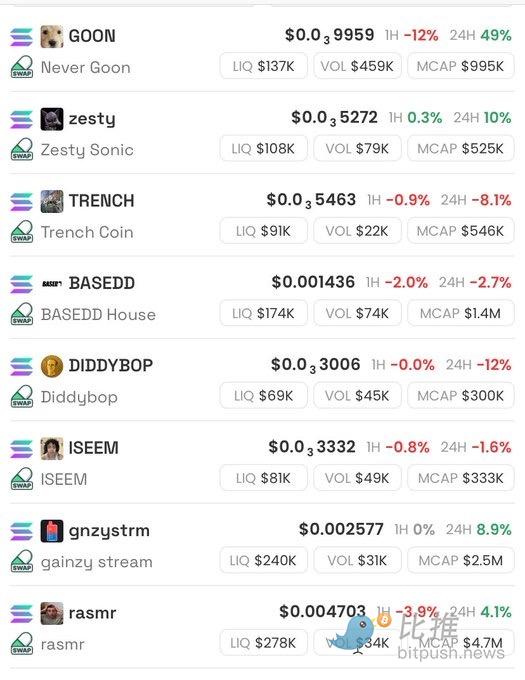
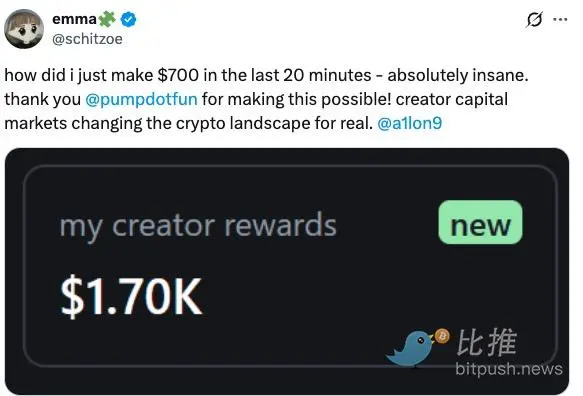
This effectively financializes "social capital": the stronger a creator's traffic and community engagement, the more valuable their token becomes. Compared to traditional meme coins, which rely solely on memes and short-term hype, CCMs provide an institutional framework for long-term bonding between creators and users, driving Pump.fun's transition to a creator economy platform.

Ascend: System upgrade brought by dynamic fees

In September 2025, Pump.fun launched Project Ascend, completely reshaping the platform's incentive structure. The core of this new model is a dynamic fee structure: creators receive a portion of the fees for each transaction, but this percentage decreases as the token's market capitalization increases.

  • For a market capitalization between $88,000 and $300,000, creators can earn a transaction fee of up to 0.95%;
  • As the market capitalization increases to $20 million, the fee rate drops to 0.05%, but by then trading volume has increased significantly.
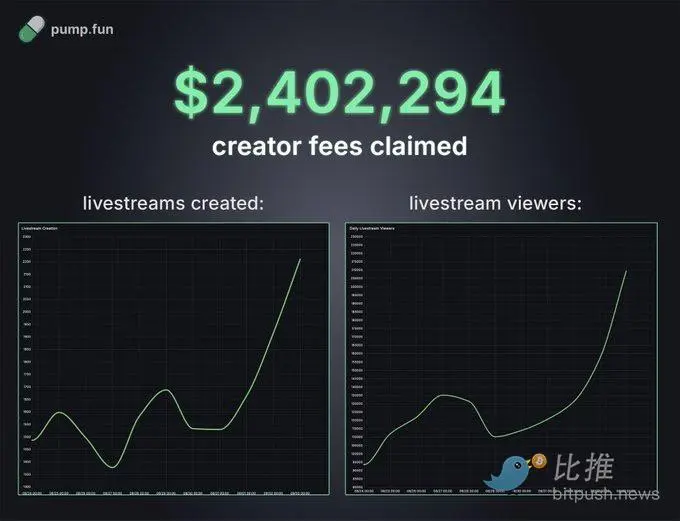
The effect is immediate:

  • In the first 24 hours after Ascend launched, creators earned over $2.4 million, compared to just $198,000 the day before.
  • Some creators have earned over $80,000 in a single day, a figure that was unimaginable in the past;
  • The platform's overall fee revenue reached US$2.55 million on the launch day, surpassing the derivatives giant Hyperliquid at one point.

As Dune analyst Adam Tehc puts it: “Creators are the core of the meme coin economy. Better incentives will give them a stronger position in this ecosystem.”

User Experience: Minimal Design and Instant Gratification

Beyond its various clever design mechanisms, Pump.fun's user experience is also the "soft power" that makes the platform so popular. On Pump.fun, anyone can create a meme coin in minutes simply by entering the token name and symbol and uploading an image.
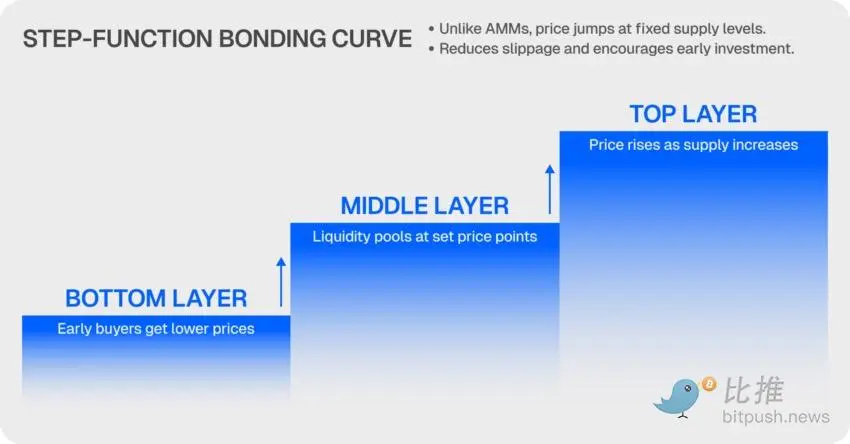
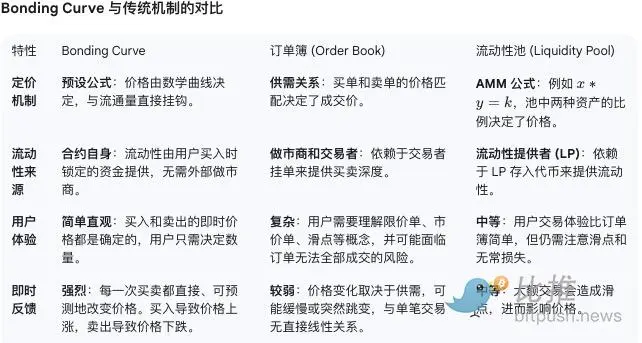
The platform’s bonding curve pricing mechanism replaces traditional order books and liquidity pools, meaning users don’t need to learn complex trading rules:

When a user wants to purchase a token, they send funds (such as ETH or USDT) to the smart contract. The contract then calculates the price based on the current circulating supply using the Bonding Curve formula and mints new tokens for the user. Because the issuance of new tokens increases the total circulating supply, the next purchase price will be higher.

Sell: When a user wants to sell tokens, they send them back to the smart contract for destruction. The contract then withdraws funds from the contract and returns them to the user based on the price corresponding to the circulating supply. Since the destruction of tokens reduces the total circulating supply, the next sale price will be lower.

This clear and intuitive mechanism, together with the platform's real-time updated price curves and charts, brings strong immediate feedback.
Data shows that since 2024, Pump.fun has attracted millions of users to try to issue coins, a considerable number of whom are exposed to blockchain applications for the first time. It is this minimalist UI and instant gratification that makes Pump.fun a natural incubator for meme culture.

Conclusion: From "Paradise" to "Ecology"

Pump.fun's leading position stems from its continuous evolution in multiple dimensions:

In terms of data, it has established a moat with absolute revenue and market share;

In terms of mechanism, Project Ascend transforms short-term speculation into a long-term creator ecosystem;

In terms of experience, the minimalist process and instant feedback make it a natural place for memes to appear;

KOLs and communities inject real communication and cohesive energy into it.

All of this has made Pump.fun more than just a "speculation paradise" and a true creator economy platform.

So no matter how the meme scene changes, your big brother will always be your big brother. In the next explosive cycle, it will still be the most important stage that cannot be ignored.

Market Opportunity
LETSTOP Logo
LETSTOP Price(STOP)
$0.01355
$0.01355$0.01355
+0.14%
USD
LETSTOP (STOP) Live Price Chart
Disclaimer: The articles reposted on this site are sourced from public platforms and are provided for informational purposes only. They do not necessarily reflect the views of MEXC. All rights remain with the original authors. If you believe any content infringes on third-party rights, please contact [email protected] for removal. MEXC makes no guarantees regarding the accuracy, completeness, or timeliness of the content and is not responsible for any actions taken based on the information provided. The content does not constitute financial, legal, or other professional advice, nor should it be considered a recommendation or endorsement by MEXC.
Tags:

You May Also Like

The Channel Factories We’ve Been Waiting For

The Channel Factories We’ve Been Waiting For

The post The Channel Factories We’ve Been Waiting For appeared on BitcoinEthereumNews.com. Visions of future technology are often prescient about the broad strokes while flubbing the details. The tablets in “2001: A Space Odyssey” do indeed look like iPads, but you never see the astronauts paying for subscriptions or wasting hours on Candy Crush.  Channel factories are one vision that arose early in the history of the Lightning Network to address some challenges that Lightning has faced from the beginning. Despite having grown to become Bitcoin’s most successful layer-2 scaling solution, with instant and low-fee payments, Lightning’s scale is limited by its reliance on payment channels. Although Lightning shifts most transactions off-chain, each payment channel still requires an on-chain transaction to open and (usually) another to close. As adoption grows, pressure on the blockchain grows with it. The need for a more scalable approach to managing channels is clear. Channel factories were supposed to meet this need, but where are they? In 2025, subnetworks are emerging that revive the impetus of channel factories with some new details that vastly increase their potential. They are natively interoperable with Lightning and achieve greater scale by allowing a group of participants to open a shared multisig UTXO and create multiple bilateral channels, which reduces the number of on-chain transactions and improves capital efficiency. Achieving greater scale by reducing complexity, Ark and Spark perform the same function as traditional channel factories with new designs and additional capabilities based on shared UTXOs.  Channel Factories 101 Channel factories have been around since the inception of Lightning. A factory is a multiparty contract where multiple users (not just two, as in a Dryja-Poon channel) cooperatively lock funds in a single multisig UTXO. They can open, close and update channels off-chain without updating the blockchain for each operation. Only when participants leave or the factory dissolves is an on-chain transaction…
Share
BitcoinEthereumNews2025/09/18 00:09
New Crypto Investors Are Backing Layer Brett Over Dogecoin After Topping The Meme Coin Charts This Month

New Crypto Investors Are Backing Layer Brett Over Dogecoin After Topping The Meme Coin Charts This Month

Climbing to the top of the meme coin charts takes more than a viral mascot or celebrity tweets. Hype may spark attention, but only momentum, utility, and adaptability keep it alive. That’s why the latest debate among crypto enthusiasts is catching attention. While Dogecoin remains a household name, a new player has entered the arena […] The post New Crypto Investors Are Backing Layer Brett Over Dogecoin After Topping The Meme Coin Charts This Month appeared first on Live Bitcoin News.
Share
LiveBitcoinNews2025/09/18 00:30
XRP Price Prediction 2026: Pepeto’s Presale Math Overshadows XRP and Solana as Wall Street Pushes $540 Million Into SOL ETFs

XRP Price Prediction 2026: Pepeto’s Presale Math Overshadows XRP and Solana as Wall Street Pushes $540 Million Into SOL ETFs

Goldman Sachs, Morgan Stanley, and Citadel collectively poured over $540 million into U.S. spot Solana ETFs in a single quarter. When the most conservative names
Share
Techbullion2026/03/16 05:37