BitcoinWorld South Korea Virtual Asset: Pivotal Task Force Unveils Future Crypto Regulation The cryptocurrency world is buzzing with significant news from East Asia. In a crucial move for the digital economy, South Korea’s ruling Democratic Party is set to launch a dedicated South Korea virtual asset task force. This initiative signals a serious commitment to developing comprehensive policies for the rapidly evolving crypto space, aiming to bring clarity and stability to the market. What is the South Korea Virtual Asset Task Force All About? This newly formed task force isn’t just a minor committee; it’s a significant step towards shaping the future of digital finance in the region. Its primary goal is to comprehensively discuss and formulate policy directions for virtual assets. This includes a wide array of topics, from the intricacies of stablecoins to the urgent need for overarching industry legislation. Money Today Broadcasting initially reported on these plans, highlighting the broad scope of the discussions. The task force aims to gather diverse perspectives and ensure that any new regulations are well-considered and robust. This collaborative approach is vital for creating legislation that is both effective and fair to all market participants. Navigating the Complexities of South Korea Virtual Asset Regulation The path to effective crypto regulation is rarely straightforward, and South Korea is no exception. Policy Committee Chairwoman Han Jeong-ae emphasized that setting a policy direction prematurely would be inappropriate. This highlights the careful and deliberate approach the party intends to take, acknowledging the nuanced nature of the digital asset landscape. One of the most debated topics on the agenda is stablecoins. These digital assets, pegged to stable currencies like the US dollar, present unique regulatory challenges. Lawmakers currently hold differing views on who should be permitted to issue them. For instance: Should only traditional financial institutions be allowed to issue stablecoins, leveraging their existing regulatory oversight? What role can innovative blockchain companies play, and what safeguards would be necessary for them? How can consumer protection be ensured against potential market volatility or issuer insolvency, while still fostering technological advancement? These are just some of the critical questions that need thorough discussion. The goal is to bring all these perspectives to the table, ensuring a balanced and inclusive debate that addresses both risks and opportunities within the South Korea virtual asset ecosystem. Why is This South Korea Virtual Asset Initiative So Important? The establishment of this task force carries immense weight for several reasons. Firstly, it signals a proactive stance from the government rather than a reactive one. By engaging in comprehensive discussions now, South Korea aims to avoid potential pitfalls and foster a healthy, regulated environment for virtual assets. Moreover, clear regulations can provide much-needed certainty for businesses and investors alike. A well-defined legal framework can: Boost Investor Confidence: Transparent rules reduce uncertainty, encouraging both domestic and international capital to flow into the market. Encourage Innovation: With clear guidelines, blockchain companies can innovate more freely, knowing the regulatory boundaries. Protect Consumers: Robust regulations are crucial for safeguarding individuals from scams, fraud, and market manipulation, enhancing trust in the digital asset space. Foster Financial Stability: Integrating virtual assets responsibly can prevent systemic risks to the broader financial system. Ultimately, a robust regulatory framework is essential for integrating virtual assets into the broader financial system responsibly and sustainably. What’s Next for South Korea’s Virtual Asset Landscape? While the exact timeline for the task force’s deliberations and subsequent policy recommendations remains to be seen, its formation is a clear indication of intent. Stakeholders from various sectors – technology, finance, and legal – will likely contribute to these discussions, ensuring a holistic approach. This multi-stakeholder engagement is key to developing well-rounded policies. The outcome could set a significant precedent, not just for South Korea, but potentially for other nations grappling with similar regulatory challenges. As the global digital economy continues to expand, countries that establish clear and forward-thinking policies for South Korea virtual asset will undoubtedly gain a competitive edge, attracting talent and investment. This proactive approach by the Democratic Party demonstrates a recognition of the growing importance of digital assets. It highlights a commitment to creating a regulatory environment that supports innovation while mitigating risks, ensuring South Korea remains a key player in the global crypto landscape. In conclusion, the launch of South Korea’s ruling party’s virtual asset task force marks a pivotal moment for the nation’s digital future. By committing to comprehensive discussions on stablecoins and broader industry legislation, South Korea is laying the groundwork for a more secure, innovative, and regulated virtual asset market. This proactive approach is essential for harnessing the full potential of cryptocurrencies while mitigating inherent risks, promising a brighter and more defined landscape for all participants in the South Korea virtual asset space. Frequently Asked Questions (FAQs) about South Korea Virtual Asset Regulation Q1: What is the main purpose of South Korea’s virtual asset task force? The primary purpose of the task force is to comprehensively discuss and formulate policy directions for virtual assets, including stablecoins and broader industry legislation, to bring clarity and stability to the market. Q2: Which specific virtual assets will the task force focus on? The task force will focus on a wide range of virtual assets, with a particular emphasis on stablecoins and the enactment of comprehensive industry legislation for the entire South Korea virtual asset market. Q3: Why is comprehensive legislation for virtual assets important? Comprehensive legislation is crucial because it provides regulatory certainty, boosts investor confidence, encourages innovation, protects consumers from scams, and helps integrate virtual assets responsibly into the broader financial system. Q4: What are some of the challenges the task force might face? Challenges include differing views among lawmakers on issues like stablecoin issuance, balancing innovation with consumer protection, and the complex nature of regulating a rapidly evolving global digital asset market. Q5: How will this initiative impact the broader South Korean financial market? This initiative is expected to foster a more stable and trustworthy environment for digital assets, potentially attracting more investment, encouraging domestic innovation, and ultimately integrating the South Korea virtual asset sector more smoothly with traditional finance. Q6: Who is leading this initiative within the Democratic Party? The initiative is being spearheaded by the Democratic Party’s Policy Committee, with Chairwoman Han Jeong-ae playing a key role in guiding the discussions and ensuring all perspectives are considered. Found this article insightful? Share it with your network on social media to spread awareness about South Korea’s proactive steps in virtual asset regulation! Your shares help keep the crypto community informed. To learn more about the latest crypto market trends, explore our article on key developments shaping virtual asset institutional adoption. This post South Korea Virtual Asset: Pivotal Task Force Unveils Future Crypto Regulation first appeared on BitcoinWorld and is written by Editorial TeamBitcoinWorld South Korea Virtual Asset: Pivotal Task Force Unveils Future Crypto Regulation The cryptocurrency world is buzzing with significant news from East Asia. In a crucial move for the digital economy, South Korea’s ruling Democratic Party is set to launch a dedicated South Korea virtual asset task force. This initiative signals a serious commitment to developing comprehensive policies for the rapidly evolving crypto space, aiming to bring clarity and stability to the market. What is the South Korea Virtual Asset Task Force All About? This newly formed task force isn’t just a minor committee; it’s a significant step towards shaping the future of digital finance in the region. Its primary goal is to comprehensively discuss and formulate policy directions for virtual assets. This includes a wide array of topics, from the intricacies of stablecoins to the urgent need for overarching industry legislation. Money Today Broadcasting initially reported on these plans, highlighting the broad scope of the discussions. The task force aims to gather diverse perspectives and ensure that any new regulations are well-considered and robust. This collaborative approach is vital for creating legislation that is both effective and fair to all market participants. Navigating the Complexities of South Korea Virtual Asset Regulation The path to effective crypto regulation is rarely straightforward, and South Korea is no exception. Policy Committee Chairwoman Han Jeong-ae emphasized that setting a policy direction prematurely would be inappropriate. This highlights the careful and deliberate approach the party intends to take, acknowledging the nuanced nature of the digital asset landscape. One of the most debated topics on the agenda is stablecoins. These digital assets, pegged to stable currencies like the US dollar, present unique regulatory challenges. Lawmakers currently hold differing views on who should be permitted to issue them. For instance: Should only traditional financial institutions be allowed to issue stablecoins, leveraging their existing regulatory oversight? What role can innovative blockchain companies play, and what safeguards would be necessary for them? How can consumer protection be ensured against potential market volatility or issuer insolvency, while still fostering technological advancement? These are just some of the critical questions that need thorough discussion. The goal is to bring all these perspectives to the table, ensuring a balanced and inclusive debate that addresses both risks and opportunities within the South Korea virtual asset ecosystem. Why is This South Korea Virtual Asset Initiative So Important? The establishment of this task force carries immense weight for several reasons. Firstly, it signals a proactive stance from the government rather than a reactive one. By engaging in comprehensive discussions now, South Korea aims to avoid potential pitfalls and foster a healthy, regulated environment for virtual assets. Moreover, clear regulations can provide much-needed certainty for businesses and investors alike. A well-defined legal framework can: Boost Investor Confidence: Transparent rules reduce uncertainty, encouraging both domestic and international capital to flow into the market. Encourage Innovation: With clear guidelines, blockchain companies can innovate more freely, knowing the regulatory boundaries. Protect Consumers: Robust regulations are crucial for safeguarding individuals from scams, fraud, and market manipulation, enhancing trust in the digital asset space. Foster Financial Stability: Integrating virtual assets responsibly can prevent systemic risks to the broader financial system. Ultimately, a robust regulatory framework is essential for integrating virtual assets into the broader financial system responsibly and sustainably. What’s Next for South Korea’s Virtual Asset Landscape? While the exact timeline for the task force’s deliberations and subsequent policy recommendations remains to be seen, its formation is a clear indication of intent. Stakeholders from various sectors – technology, finance, and legal – will likely contribute to these discussions, ensuring a holistic approach. This multi-stakeholder engagement is key to developing well-rounded policies. The outcome could set a significant precedent, not just for South Korea, but potentially for other nations grappling with similar regulatory challenges. As the global digital economy continues to expand, countries that establish clear and forward-thinking policies for South Korea virtual asset will undoubtedly gain a competitive edge, attracting talent and investment. This proactive approach by the Democratic Party demonstrates a recognition of the growing importance of digital assets. It highlights a commitment to creating a regulatory environment that supports innovation while mitigating risks, ensuring South Korea remains a key player in the global crypto landscape. In conclusion, the launch of South Korea’s ruling party’s virtual asset task force marks a pivotal moment for the nation’s digital future. By committing to comprehensive discussions on stablecoins and broader industry legislation, South Korea is laying the groundwork for a more secure, innovative, and regulated virtual asset market. This proactive approach is essential for harnessing the full potential of cryptocurrencies while mitigating inherent risks, promising a brighter and more defined landscape for all participants in the South Korea virtual asset space. Frequently Asked Questions (FAQs) about South Korea Virtual Asset Regulation Q1: What is the main purpose of South Korea’s virtual asset task force? The primary purpose of the task force is to comprehensively discuss and formulate policy directions for virtual assets, including stablecoins and broader industry legislation, to bring clarity and stability to the market. Q2: Which specific virtual assets will the task force focus on? The task force will focus on a wide range of virtual assets, with a particular emphasis on stablecoins and the enactment of comprehensive industry legislation for the entire South Korea virtual asset market. Q3: Why is comprehensive legislation for virtual assets important? Comprehensive legislation is crucial because it provides regulatory certainty, boosts investor confidence, encourages innovation, protects consumers from scams, and helps integrate virtual assets responsibly into the broader financial system. Q4: What are some of the challenges the task force might face? Challenges include differing views among lawmakers on issues like stablecoin issuance, balancing innovation with consumer protection, and the complex nature of regulating a rapidly evolving global digital asset market. Q5: How will this initiative impact the broader South Korean financial market? This initiative is expected to foster a more stable and trustworthy environment for digital assets, potentially attracting more investment, encouraging domestic innovation, and ultimately integrating the South Korea virtual asset sector more smoothly with traditional finance. Q6: Who is leading this initiative within the Democratic Party? The initiative is being spearheaded by the Democratic Party’s Policy Committee, with Chairwoman Han Jeong-ae playing a key role in guiding the discussions and ensuring all perspectives are considered. Found this article insightful? Share it with your network on social media to spread awareness about South Korea’s proactive steps in virtual asset regulation! Your shares help keep the crypto community informed. To learn more about the latest crypto market trends, explore our article on key developments shaping virtual asset institutional adoption. This post South Korea Virtual Asset: Pivotal Task Force Unveils Future Crypto Regulation first appeared on BitcoinWorld and is written by Editorial Team

South Korea Virtual Asset: Pivotal Task Force Unveils Future Crypto Regulation

2025/09/05 10:55
6 min read
For feedback or concerns regarding this content, please contact us at [email protected]

BitcoinWorld

South Korea Virtual Asset: Pivotal Task Force Unveils Future Crypto Regulation

The cryptocurrency world is buzzing with significant news from East Asia. In a crucial move for the digital economy, South Korea’s ruling Democratic Party is set to launch a dedicated South Korea virtual asset task force. This initiative signals a serious commitment to developing comprehensive policies for the rapidly evolving crypto space, aiming to bring clarity and stability to the market.

What is the South Korea Virtual Asset Task Force All About?

This newly formed task force isn’t just a minor committee; it’s a significant step towards shaping the future of digital finance in the region. Its primary goal is to comprehensively discuss and formulate policy directions for virtual assets. This includes a wide array of topics, from the intricacies of stablecoins to the urgent need for overarching industry legislation.

Money Today Broadcasting initially reported on these plans, highlighting the broad scope of the discussions. The task force aims to gather diverse perspectives and ensure that any new regulations are well-considered and robust. This collaborative approach is vital for creating legislation that is both effective and fair to all market participants.

Navigating the Complexities of South Korea Virtual Asset Regulation

The path to effective crypto regulation is rarely straightforward, and South Korea is no exception. Policy Committee Chairwoman Han Jeong-ae emphasized that setting a policy direction prematurely would be inappropriate. This highlights the careful and deliberate approach the party intends to take, acknowledging the nuanced nature of the digital asset landscape.

One of the most debated topics on the agenda is stablecoins. These digital assets, pegged to stable currencies like the US dollar, present unique regulatory challenges. Lawmakers currently hold differing views on who should be permitted to issue them. For instance:

  • Should only traditional financial institutions be allowed to issue stablecoins, leveraging their existing regulatory oversight?
  • What role can innovative blockchain companies play, and what safeguards would be necessary for them?
  • How can consumer protection be ensured against potential market volatility or issuer insolvency, while still fostering technological advancement?

These are just some of the critical questions that need thorough discussion. The goal is to bring all these perspectives to the table, ensuring a balanced and inclusive debate that addresses both risks and opportunities within the South Korea virtual asset ecosystem.

Why is This South Korea Virtual Asset Initiative So Important?

The establishment of this task force carries immense weight for several reasons. Firstly, it signals a proactive stance from the government rather than a reactive one. By engaging in comprehensive discussions now, South Korea aims to avoid potential pitfalls and foster a healthy, regulated environment for virtual assets.

Moreover, clear regulations can provide much-needed certainty for businesses and investors alike. A well-defined legal framework can:

  • Boost Investor Confidence: Transparent rules reduce uncertainty, encouraging both domestic and international capital to flow into the market.
  • Encourage Innovation: With clear guidelines, blockchain companies can innovate more freely, knowing the regulatory boundaries.
  • Protect Consumers: Robust regulations are crucial for safeguarding individuals from scams, fraud, and market manipulation, enhancing trust in the digital asset space.
  • Foster Financial Stability: Integrating virtual assets responsibly can prevent systemic risks to the broader financial system.

Ultimately, a robust regulatory framework is essential for integrating virtual assets into the broader financial system responsibly and sustainably.

What’s Next for South Korea’s Virtual Asset Landscape?

While the exact timeline for the task force’s deliberations and subsequent policy recommendations remains to be seen, its formation is a clear indication of intent. Stakeholders from various sectors – technology, finance, and legal – will likely contribute to these discussions, ensuring a holistic approach. This multi-stakeholder engagement is key to developing well-rounded policies.

The outcome could set a significant precedent, not just for South Korea, but potentially for other nations grappling with similar regulatory challenges. As the global digital economy continues to expand, countries that establish clear and forward-thinking policies for South Korea virtual asset will undoubtedly gain a competitive edge, attracting talent and investment.

This proactive approach by the Democratic Party demonstrates a recognition of the growing importance of digital assets. It highlights a commitment to creating a regulatory environment that supports innovation while mitigating risks, ensuring South Korea remains a key player in the global crypto landscape.

In conclusion, the launch of South Korea’s ruling party’s virtual asset task force marks a pivotal moment for the nation’s digital future. By committing to comprehensive discussions on stablecoins and broader industry legislation, South Korea is laying the groundwork for a more secure, innovative, and regulated virtual asset market. This proactive approach is essential for harnessing the full potential of cryptocurrencies while mitigating inherent risks, promising a brighter and more defined landscape for all participants in the South Korea virtual asset space.

Frequently Asked Questions (FAQs) about South Korea Virtual Asset Regulation

Q1: What is the main purpose of South Korea’s virtual asset task force?

The primary purpose of the task force is to comprehensively discuss and formulate policy directions for virtual assets, including stablecoins and broader industry legislation, to bring clarity and stability to the market.

Q2: Which specific virtual assets will the task force focus on?

The task force will focus on a wide range of virtual assets, with a particular emphasis on stablecoins and the enactment of comprehensive industry legislation for the entire South Korea virtual asset market.

Q3: Why is comprehensive legislation for virtual assets important?

Comprehensive legislation is crucial because it provides regulatory certainty, boosts investor confidence, encourages innovation, protects consumers from scams, and helps integrate virtual assets responsibly into the broader financial system.

Q4: What are some of the challenges the task force might face?

Challenges include differing views among lawmakers on issues like stablecoin issuance, balancing innovation with consumer protection, and the complex nature of regulating a rapidly evolving global digital asset market.

Q5: How will this initiative impact the broader South Korean financial market?

This initiative is expected to foster a more stable and trustworthy environment for digital assets, potentially attracting more investment, encouraging domestic innovation, and ultimately integrating the South Korea virtual asset sector more smoothly with traditional finance.

Q6: Who is leading this initiative within the Democratic Party?

The initiative is being spearheaded by the Democratic Party’s Policy Committee, with Chairwoman Han Jeong-ae playing a key role in guiding the discussions and ensuring all perspectives are considered.

Found this article insightful? Share it with your network on social media to spread awareness about South Korea’s proactive steps in virtual asset regulation! Your shares help keep the crypto community informed.

To learn more about the latest crypto market trends, explore our article on key developments shaping virtual asset institutional adoption.

This post South Korea Virtual Asset: Pivotal Task Force Unveils Future Crypto Regulation first appeared on BitcoinWorld and is written by Editorial Team

Disclaimer: The articles reposted on this site are sourced from public platforms and are provided for informational purposes only. They do not necessarily reflect the views of MEXC. All rights remain with the original authors. If you believe any content infringes on third-party rights, please contact [email protected] for removal. MEXC makes no guarantees regarding the accuracy, completeness, or timeliness of the content and is not responsible for any actions taken based on the information provided. The content does not constitute financial, legal, or other professional advice, nor should it be considered a recommendation or endorsement by MEXC.

You May Also Like

CME Group to launch options on XRP and SOL futures

CME Group to launch options on XRP and SOL futures

The post CME Group to launch options on XRP and SOL futures appeared on BitcoinEthereumNews.com. CME Group will offer options based on the derivative markets on Solana (SOL) and XRP. The new markets will open on October 13, after regulatory approval.  CME Group will expand its crypto products with options on the futures markets of Solana (SOL) and XRP. The futures market will start on October 13, after regulatory review and approval.  The options will allow the trading of MicroSol, XRP, and MicroXRP futures, with expiry dates available every business day, monthly, and quarterly. The new products will be added to the existing BTC and ETH options markets. ‘The launch of these options contracts builds on the significant growth and increasing liquidity we have seen across our suite of Solana and XRP futures,’ said Giovanni Vicioso, CME Group Global Head of Cryptocurrency Products. The options contracts will have two main sizes, tracking the futures contracts. The new market will be suitable for sophisticated institutional traders, as well as active individual traders. The addition of options markets singles out XRP and SOL as liquid enough to offer the potential to bet on a market direction.  The options on futures arrive a few months after the launch of SOL futures. Both SOL and XRP had peak volumes in August, though XRP activity has slowed down in September. XRP and SOL options to tap both institutions and active traders Crypto options are one of the indicators of market attitudes, with XRP and SOL receiving a new way to gauge sentiment. The contracts will be supported by the Cumberland team.  ‘As one of the biggest liquidity providers in the ecosystem, the Cumberland team is excited to support CME Group’s continued expansion of crypto offerings,’ said Roman Makarov, Head of Cumberland Options Trading at DRW. ‘The launch of options on Solana and XRP futures is the latest example of the…
Share
BitcoinEthereumNews2025/09/18 00:56
Health Insurers To Cover Covid Vaccines Despite RFK, Jr. Moves
Health Insurers To Cover Covid Vaccines Despite RFK, Jr. Moves

The post Health Insurers To Cover Covid Vaccines Despite RFK, Jr. Moves appeared on BitcoinEthereumNews.com. The nation’s biggest health insurance companies will continue to cover vaccinations – including those against Covid-19 and seasonal flu – previously recommended by a federal advisory committee, America’s Health Insurance Plans said Wednesday, Sept. 17, 2025. In this photo is a free flu and Covid-19 vaccine shots available sign, CVS, Queens, New York. (Photo by: Lindsey Nicholson/Universal Images Group via Getty Images) UCG/Universal Images Group via Getty Images The nation’s biggest health insurance companies will continue to cover vaccinations – including those against Covid-19 and seasonal flu – previously recommended by a federal advisory committee. The announcement by America’s Health Insurance Plans (AHIP), which includes CVS Health’s Aetna, Humana, Cigna, Centene and an array of Blue Cross and Blue Shield plans as members, comes ahead of the first meeting of the reconstituted Advisory Committee on Immunization Practices, which now has new members chosen by U.S. Health and Human Services Secretary Robert F. Kennedy Jr., a vaccine critic. “Health plans are committed to maintaining and ensuring affordable access to vaccines,” AHIP said in a statement Wednesday. “Health plan coverage decisions for immunizations are grounded in each plan’s ongoing, rigorous review of scientific and clinical evidence, and continual evaluation of multiple sources of data.” The move by AHIP is good news for millions of Americans at a time of year when they flock to drugstores, pharmacies, physician’s offices and outpatient clinics to get their seasonal flu and Covid shots. Kennedy’s changes to U.S. vaccine policy have created confusion across the country over whether certain vaccines long covered by insurance would continue to be. AHIP has now provided some clarity for millions of Americans. “Health plans will continue to cover all ACIP-recommended immunizations that were recommended as of September 1, 2025, including updated formulations of the COVID-19 and influenza vaccines, with no cost-sharing…
Share
BitcoinEthereumNews2025/09/18 03:11
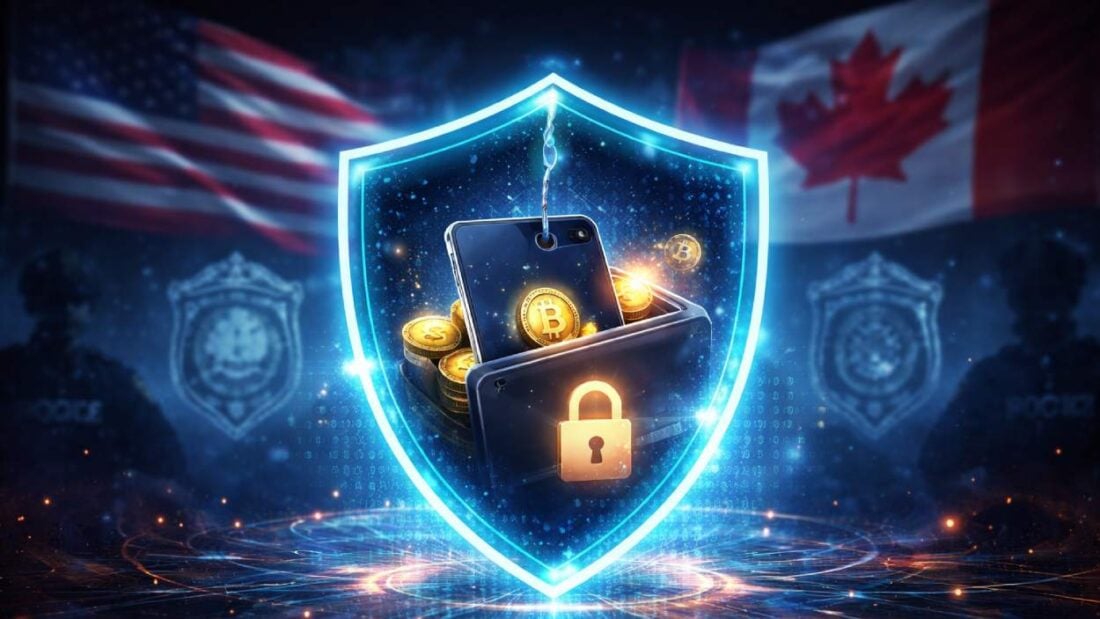
US, UK, Canada Launch Operation Atlantic to Tackle Crypto Scams

US, UK, Canada Launch Operation Atlantic to Tackle Crypto Scams

Law enforcement agencies from the United States, United Kingdom, and Canada have launched Operation Atlantic, a joint effort to combat rising crypto scams and protect
Share
Coinlaw2026/03/17 22:11