

SpacePay vs. Solana Pay vs. Lightning Network: Which One Actually Works in Stores?
Crypto was supposed to be the future of money, but when you walk into a store, how often do you see crypto as a payment option? Not very often, and that’s a real problem.
Several solutions have popped up over the years, trying to change that. Lightning Network came along to speed up Bitcoin payments. Solana Pay joined the game with fast, low-cost transactions. Now, SpacePay is entering the conversation with a fresh approach. It is in the presale and attracting industry leaders already.
All three promise to bring crypto into real-world payments. But the question is simple: Which one works where it matters most—in stores and for everyday use?
Let’s take a look at how they compare and why SpacePay might just be the one to watch, especially as SPY token adoption continues to grow.
1. Speed: Which One Is Fast Enough for the Checkout Line?
Speed is one of the first things people look at when it comes to crypto payments. Nobody wants to wait around while a transaction loads.
Lightning Network is fast but has its challenges. They include routing problems, slow channel setups, or failures. Solana Pay also performs well, thanks to Solana’s quick block times. Still, during busy periods, congestion can happen.
SpacePay keeps it simple. You just scan a QR code, and the transaction goes through instantly. It’s optimized specifically for physical stores and in-person use. All three are fast, but SpacePay is designed to feel smooth and instant, especially when someone is standing at the counter waiting to pay.
2. Fees: Who Pays and How Much?
Nobody likes surprise fees. So, how do these three compare when it comes to cost?
Lightning is cheap, but the fees can vary depending on how your payment gets routed. That means you don’t always know what to expect. Solana Pay is also inexpensive, often just a tiny fraction of a cent.
SpacePay takes a different route. It offers predictable, fixed transaction fees of 0.5% that both users and merchants can rely on. Merchants also earn SPY token rewards every time they process a payment, which helps offset the cost entirely.
3. Merchant Setup: Which One Is Easier to Accept?
Another big reason merchants avoid crypto is that the setup can feel overwhelming. If it’s too technical, they won’t bother.
Lightning requires merchants to set up nodes and manage liquidity. That’s not something your local bakery or clothing shop wants to deal with. Solana Pay is easier but still requires familiarity with the Solana ecosystem and crypto wallets.
SpacePay keeps it friendly. Merchants don’t need to know anything about crypto; they can use their traditional point-of-sale machines to process payments. The system can also convert crypto payments into fiat currencies instantly, so they won’t be affected by crypto volatility.
SpacePay also works with over 325 wallets and accepts a wide range of cryptocurrencies. That kind of accessibility makes onboarding a lot easier.
4. Real-World Use: Which One Is Actually Being Used in Stores?
This is where theory meets reality. Speed and tech are great, but are people using these systems in shops?
Lightning has gained some ground in places where Bitcoin is already popular, like El Salvador, or in small crypto cafes. However, overall usage is still niche. Solana Pay is more visible at Solana events or with digital-first brands, but not so much in everyday retail.
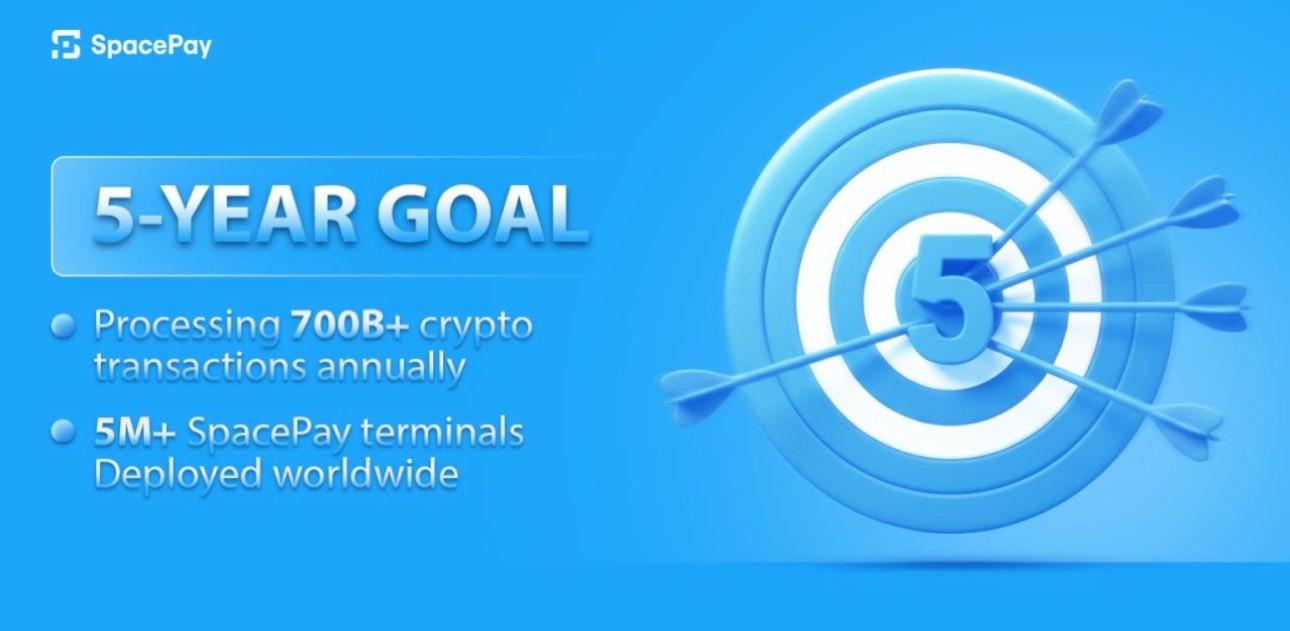
SpacePay is going all in on real-world adoption. It’s already working with merchants, rolling out user-friendly tools, and offering real incentives to bring more people into the ecosystem. Its whole design is focused on making crypto spending feel just like using a debit card, without friction.
5. Token Utility: What Role Does the Native Token Play?
Lightning doesn’t have its token. It uses Bitcoin, so there’s no added token utility in the system. Solana Pay uses SOL to pay for gas, but there’s not much else tied to the token in terms of rewards or deeper involvement.
SpacePay is powered entirely by the SPY token. It will be used for staking, fees, loyalty rewards, governance, and some payment processing. Holding SPY gives users real benefits, from earning passive income to gaining access to new features. As adoption grows, SPY becomes more valuable because it’s tied directly to network usage.
How to Buy SPY Crypto in the Ongoing Presale
If you believe crypto should work like cash, then SpacePay and the SPY token might be one of the smartest places to start.
The SPY token presale is a great way to join the community. Go to the official SpacePay website and connect your Web3 wallet. Make sure you have ETH, BNB, MATIC, AVAX, BASE, USDC, or USDT in your wallet. You can also use a card if you prefer.
Once your wallet is ready, select how much you want to buy, hit the buy button, and approve the transaction. Your SPY tokens will be claimable once the presale ends.
JOIN THE SPACEPAY (SPY) PRESALE NOW
Website | (X) Twitter | Telegram
The post SpacePay vs. Solana Pay vs. Lightning Network: Which One Actually Works in Stores? appeared first on 99Bitcoins.
You May Also Like

Unleashing A New Era Of Seller Empowerment

CME Group to launch Solana and XRP futures options in October
SEC flags Bitcoin miner hosting services as subject to securities laws
In a lawsuit, the SEC says some hosted Bitcoin mining services could trigger