BitcoinWorld Tokenization: BlackRock CEO Unveils the Future of Global Finance The financial world is buzzing with a groundbreaking concept that promises to redefine how we invest, trade, and interact with assets. BlackRock CEO Larry Fink recently put a spotlight on this transformative force: tokenization. He believes it’s not just a trend but potentially the most crucial development for the future of global finance. What Exactly is Tokenization and Why Does it Matter? Larry Fink’s vision, shared at Hong Kong FinTech Week 2025, paints a vivid picture. Imagine a world where all Exchange Traded Funds (ETFs), currently valued at a staggering $5.3 trillion, are transformed into digital tokens. This process, known as tokenization, involves converting rights to an asset into a digital token on a blockchain. Unlocking Liquidity: Tokenized assets can be bought and sold in smaller fractions, making high-value assets more accessible to a wider range of investors. 24/7 Trading: Unlike traditional markets with limited hours, tokenized assets can be traded around the clock, offering unprecedented flexibility. Reduced Costs: By eliminating intermediaries and streamlining processes, tokenization can significantly lower transaction fees and operational overheads. Fink suggests that in such a future, your digital wallet could hold virtual assets, stablecoins, or any currency, allowing you to seamlessly purchase bonds or stocks without traditional fees. This isn’t just an upgrade; it’s a fundamental shift in how we perceive and interact with financial assets. How Tokenization Could Revolutionize Your Investments Think about the current investment landscape. Buying a share of an ETF involves several steps and intermediaries, often with delays and associated costs. With tokenization, this could become as simple as a few taps on your phone, making the entire process more direct and efficient. Direct Ownership: Tokens represent direct ownership or fractional ownership of an underlying asset, simplifying the ownership structure. Enhanced Transparency: Blockchain technology provides an immutable record of ownership and transactions, increasing trust and reducing the potential for fraud. Faster Settlements: Transactions can settle in minutes, not days, freeing up capital more quickly and improving market efficiency. This paradigm shift isn’t limited to ETFs. Real estate, fine art, commodities, and even intellectual property could all benefit from the efficiencies and accessibility that tokenization brings. It democratizes access to assets previously reserved for institutional investors or the wealthy, opening up new investment opportunities for everyone. Navigating the Path to a Tokenized Future While the benefits of tokenization are compelling, its widespread adoption requires careful consideration and strategic development. Regulatory frameworks, in particular, need to evolve to accommodate these new digital assets, ensuring robust investor protection and overall market stability. Regulatory Clarity: Governments and financial bodies worldwide are actively working to establish clear and consistent guidelines for tokenized securities. Technological Infrastructure: Robust and secure blockchain platforms are essential to handle the immense scale and complexity of global finance. Interoperability: Different blockchain networks and existing traditional financial systems need to be able to communicate and integrate seamlessly. BlackRock, a titan in traditional finance, acknowledging the transformative power of tokenization signals a significant turning point. It suggests that major financial institutions are not just observing but actively envisioning and perhaps building this future. This move by BlackRock, led by Larry Fink, lends immense credibility to the concept of tokenization, pushing it further into the mainstream financial dialogue. Summary: The Inevitable Evolution of Finance Through Tokenization Larry Fink’s powerful endorsement of tokenization highlights its potential to reshape global finance fundamentally. From making investments more accessible and efficient to offering unprecedented transparency and liquidity, tokenization promises a future where financial interactions are faster, cheaper, and more inclusive. While challenges remain, the clear vision from a leader like Fink underscores that this digital transformation is not just a possibility, but an inevitable and exciting direction for the financial world. Frequently Asked Questions (FAQs) About Tokenization 1. What is tokenization in simple terms? Tokenization is the process of converting a real-world asset (like real estate, a stock, or even art) into a digital token on a blockchain. This digital token represents ownership or a share of that asset. 2. How does tokenization differ from traditional asset ownership? Unlike traditional ownership, where physical certificates or ledger entries prove ownership, tokenization uses a blockchain to create a secure, immutable, and easily transferable digital record. This often allows for fractional ownership and 24/7 trading. 3. What are the main benefits of tokenization for investors? Key benefits include increased liquidity (easier to buy/sell), fractional ownership (invest in smaller amounts), lower transaction costs, faster settlement times, and greater transparency through blockchain records. 4. Are there any risks associated with tokenization? Yes, risks include regulatory uncertainty, cybersecurity threats to digital wallets and platforms, potential market volatility, and the need for robust legal frameworks to protect token holders’ rights. 5. When can we expect widespread adoption of tokenization? Widespread adoption of tokenization is an ongoing process. While some assets are already tokenized, full integration into global financial systems will depend on further technological development, regulatory clarity, and institutional acceptance, which BlackRock’s interest significantly accelerates. If you found this insight into the future of finance fascinating, share this article with your network! Let’s spark a conversation about how tokenization could transform our financial world. To learn more about the latest crypto market trends, explore our article on key developments shaping digital assets institutional adoption. This post Tokenization: BlackRock CEO Unveils the Future of Global Finance first appeared on BitcoinWorld.BitcoinWorld Tokenization: BlackRock CEO Unveils the Future of Global Finance The financial world is buzzing with a groundbreaking concept that promises to redefine how we invest, trade, and interact with assets. BlackRock CEO Larry Fink recently put a spotlight on this transformative force: tokenization. He believes it’s not just a trend but potentially the most crucial development for the future of global finance. What Exactly is Tokenization and Why Does it Matter? Larry Fink’s vision, shared at Hong Kong FinTech Week 2025, paints a vivid picture. Imagine a world where all Exchange Traded Funds (ETFs), currently valued at a staggering $5.3 trillion, are transformed into digital tokens. This process, known as tokenization, involves converting rights to an asset into a digital token on a blockchain. Unlocking Liquidity: Tokenized assets can be bought and sold in smaller fractions, making high-value assets more accessible to a wider range of investors. 24/7 Trading: Unlike traditional markets with limited hours, tokenized assets can be traded around the clock, offering unprecedented flexibility. Reduced Costs: By eliminating intermediaries and streamlining processes, tokenization can significantly lower transaction fees and operational overheads. Fink suggests that in such a future, your digital wallet could hold virtual assets, stablecoins, or any currency, allowing you to seamlessly purchase bonds or stocks without traditional fees. This isn’t just an upgrade; it’s a fundamental shift in how we perceive and interact with financial assets. How Tokenization Could Revolutionize Your Investments Think about the current investment landscape. Buying a share of an ETF involves several steps and intermediaries, often with delays and associated costs. With tokenization, this could become as simple as a few taps on your phone, making the entire process more direct and efficient. Direct Ownership: Tokens represent direct ownership or fractional ownership of an underlying asset, simplifying the ownership structure. Enhanced Transparency: Blockchain technology provides an immutable record of ownership and transactions, increasing trust and reducing the potential for fraud. Faster Settlements: Transactions can settle in minutes, not days, freeing up capital more quickly and improving market efficiency. This paradigm shift isn’t limited to ETFs. Real estate, fine art, commodities, and even intellectual property could all benefit from the efficiencies and accessibility that tokenization brings. It democratizes access to assets previously reserved for institutional investors or the wealthy, opening up new investment opportunities for everyone. Navigating the Path to a Tokenized Future While the benefits of tokenization are compelling, its widespread adoption requires careful consideration and strategic development. Regulatory frameworks, in particular, need to evolve to accommodate these new digital assets, ensuring robust investor protection and overall market stability. Regulatory Clarity: Governments and financial bodies worldwide are actively working to establish clear and consistent guidelines for tokenized securities. Technological Infrastructure: Robust and secure blockchain platforms are essential to handle the immense scale and complexity of global finance. Interoperability: Different blockchain networks and existing traditional financial systems need to be able to communicate and integrate seamlessly. BlackRock, a titan in traditional finance, acknowledging the transformative power of tokenization signals a significant turning point. It suggests that major financial institutions are not just observing but actively envisioning and perhaps building this future. This move by BlackRock, led by Larry Fink, lends immense credibility to the concept of tokenization, pushing it further into the mainstream financial dialogue. Summary: The Inevitable Evolution of Finance Through Tokenization Larry Fink’s powerful endorsement of tokenization highlights its potential to reshape global finance fundamentally. From making investments more accessible and efficient to offering unprecedented transparency and liquidity, tokenization promises a future where financial interactions are faster, cheaper, and more inclusive. While challenges remain, the clear vision from a leader like Fink underscores that this digital transformation is not just a possibility, but an inevitable and exciting direction for the financial world. Frequently Asked Questions (FAQs) About Tokenization 1. What is tokenization in simple terms? Tokenization is the process of converting a real-world asset (like real estate, a stock, or even art) into a digital token on a blockchain. This digital token represents ownership or a share of that asset. 2. How does tokenization differ from traditional asset ownership? Unlike traditional ownership, where physical certificates or ledger entries prove ownership, tokenization uses a blockchain to create a secure, immutable, and easily transferable digital record. This often allows for fractional ownership and 24/7 trading. 3. What are the main benefits of tokenization for investors? Key benefits include increased liquidity (easier to buy/sell), fractional ownership (invest in smaller amounts), lower transaction costs, faster settlement times, and greater transparency through blockchain records. 4. Are there any risks associated with tokenization? Yes, risks include regulatory uncertainty, cybersecurity threats to digital wallets and platforms, potential market volatility, and the need for robust legal frameworks to protect token holders’ rights. 5. When can we expect widespread adoption of tokenization? Widespread adoption of tokenization is an ongoing process. While some assets are already tokenized, full integration into global financial systems will depend on further technological development, regulatory clarity, and institutional acceptance, which BlackRock’s interest significantly accelerates. If you found this insight into the future of finance fascinating, share this article with your network! Let’s spark a conversation about how tokenization could transform our financial world. To learn more about the latest crypto market trends, explore our article on key developments shaping digital assets institutional adoption. This post Tokenization: BlackRock CEO Unveils the Future of Global Finance first appeared on BitcoinWorld.

Tokenization: BlackRock CEO Unveils the Future of Global Finance

BitcoinWorld

Tokenization: BlackRock CEO Unveils the Future of Global Finance

The financial world is buzzing with a groundbreaking concept that promises to redefine how we invest, trade, and interact with assets. BlackRock CEO Larry Fink recently put a spotlight on this transformative force: tokenization. He believes it’s not just a trend but potentially the most crucial development for the future of global finance.

What Exactly is Tokenization and Why Does it Matter?

Larry Fink’s vision, shared at Hong Kong FinTech Week 2025, paints a vivid picture. Imagine a world where all Exchange Traded Funds (ETFs), currently valued at a staggering $5.3 trillion, are transformed into digital tokens. This process, known as tokenization, involves converting rights to an asset into a digital token on a blockchain.

  • Unlocking Liquidity: Tokenized assets can be bought and sold in smaller fractions, making high-value assets more accessible to a wider range of investors.
  • 24/7 Trading: Unlike traditional markets with limited hours, tokenized assets can be traded around the clock, offering unprecedented flexibility.
  • Reduced Costs: By eliminating intermediaries and streamlining processes, tokenization can significantly lower transaction fees and operational overheads.

Fink suggests that in such a future, your digital wallet could hold virtual assets, stablecoins, or any currency, allowing you to seamlessly purchase bonds or stocks without traditional fees. This isn’t just an upgrade; it’s a fundamental shift in how we perceive and interact with financial assets.

How Tokenization Could Revolutionize Your Investments

Think about the current investment landscape. Buying a share of an ETF involves several steps and intermediaries, often with delays and associated costs. With tokenization, this could become as simple as a few taps on your phone, making the entire process more direct and efficient.

  • Direct Ownership: Tokens represent direct ownership or fractional ownership of an underlying asset, simplifying the ownership structure.
  • Enhanced Transparency: Blockchain technology provides an immutable record of ownership and transactions, increasing trust and reducing the potential for fraud.
  • Faster Settlements: Transactions can settle in minutes, not days, freeing up capital more quickly and improving market efficiency.

This paradigm shift isn’t limited to ETFs. Real estate, fine art, commodities, and even intellectual property could all benefit from the efficiencies and accessibility that tokenization brings. It democratizes access to assets previously reserved for institutional investors or the wealthy, opening up new investment opportunities for everyone.

While the benefits of tokenization are compelling, its widespread adoption requires careful consideration and strategic development. Regulatory frameworks, in particular, need to evolve to accommodate these new digital assets, ensuring robust investor protection and overall market stability.

  • Regulatory Clarity: Governments and financial bodies worldwide are actively working to establish clear and consistent guidelines for tokenized securities.
  • Technological Infrastructure: Robust and secure blockchain platforms are essential to handle the immense scale and complexity of global finance.
  • Interoperability: Different blockchain networks and existing traditional financial systems need to be able to communicate and integrate seamlessly.

BlackRock, a titan in traditional finance, acknowledging the transformative power of tokenization signals a significant turning point. It suggests that major financial institutions are not just observing but actively envisioning and perhaps building this future. This move by BlackRock, led by Larry Fink, lends immense credibility to the concept of tokenization, pushing it further into the mainstream financial dialogue.

Summary: The Inevitable Evolution of Finance Through Tokenization

Larry Fink’s powerful endorsement of tokenization highlights its potential to reshape global finance fundamentally. From making investments more accessible and efficient to offering unprecedented transparency and liquidity, tokenization promises a future where financial interactions are faster, cheaper, and more inclusive. While challenges remain, the clear vision from a leader like Fink underscores that this digital transformation is not just a possibility, but an inevitable and exciting direction for the financial world.

Frequently Asked Questions (FAQs) About Tokenization

1. What is tokenization in simple terms?
Tokenization is the process of converting a real-world asset (like real estate, a stock, or even art) into a digital token on a blockchain. This digital token represents ownership or a share of that asset.

2. How does tokenization differ from traditional asset ownership?
Unlike traditional ownership, where physical certificates or ledger entries prove ownership, tokenization uses a blockchain to create a secure, immutable, and easily transferable digital record. This often allows for fractional ownership and 24/7 trading.

3. What are the main benefits of tokenization for investors?
Key benefits include increased liquidity (easier to buy/sell), fractional ownership (invest in smaller amounts), lower transaction costs, faster settlement times, and greater transparency through blockchain records.

4. Are there any risks associated with tokenization?
Yes, risks include regulatory uncertainty, cybersecurity threats to digital wallets and platforms, potential market volatility, and the need for robust legal frameworks to protect token holders’ rights.

5. When can we expect widespread adoption of tokenization?
Widespread adoption of tokenization is an ongoing process. While some assets are already tokenized, full integration into global financial systems will depend on further technological development, regulatory clarity, and institutional acceptance, which BlackRock’s interest significantly accelerates.

If you found this insight into the future of finance fascinating, share this article with your network! Let’s spark a conversation about how tokenization could transform our financial world.

To learn more about the latest crypto market trends, explore our article on key developments shaping digital assets institutional adoption.

This post Tokenization: BlackRock CEO Unveils the Future of Global Finance first appeared on BitcoinWorld.

Market Opportunity
FUTURECOIN Logo
FUTURECOIN Price(FUTURE)
$0,08303
$0,08303$0,08303
-33,28%
USD
FUTURECOIN (FUTURE) Live Price Chart
Disclaimer: The articles reposted on this site are sourced from public platforms and are provided for informational purposes only. They do not necessarily reflect the views of MEXC. All rights remain with the original authors. If you believe any content infringes on third-party rights, please contact [email protected] for removal. MEXC makes no guarantees regarding the accuracy, completeness, or timeliness of the content and is not responsible for any actions taken based on the information provided. The content does not constitute financial, legal, or other professional advice, nor should it be considered a recommendation or endorsement by MEXC.

You May Also Like

Franklin Templeton CEO Dismisses 50bps Rate Cut Ahead FOMC
Franklin Templeton CEO Dismisses 50bps Rate Cut Ahead FOMC

The post Franklin Templeton CEO Dismisses 50bps Rate Cut Ahead FOMC appeared on BitcoinEthereumNews.com. Franklin Templeton CEO Jenny Johnson has weighed in on whether the Federal Reserve should make a 25 basis points (bps) Fed rate cut or 50 bps cut. This comes ahead of the Fed decision today at today’s FOMC meeting, with the market pricing in a 25 bps cut. Bitcoin and the broader crypto market are currently trading flat ahead of the rate cut decision. Franklin Templeton CEO Weighs In On Potential FOMC Decision In a CNBC interview, Jenny Johnson said that she expects the Fed to make a 25 bps cut today instead of a 50 bps cut. She acknowledged the jobs data, which suggested that the labor market is weakening. However, she noted that this data is backward-looking, indicating that it doesn’t show the current state of the economy. She alluded to the wage growth, which she remarked is an indication of a robust labor market. She added that retail sales are up and that consumers are still spending, despite inflation being sticky at 3%, which makes a case for why the FOMC should opt against a 50-basis-point Fed rate cut. In line with this, the Franklin Templeton CEO said that she would go with a 25 bps rate cut if she were Jerome Powell. She remarked that the Fed still has the October and December FOMC meetings to make further cuts if the incoming data warrants it. Johnson also asserted that the data show a robust economy. However, she noted that there can’t be an argument for no Fed rate cut since Powell already signaled at Jackson Hole that they were likely to lower interest rates at this meeting due to concerns over a weakening labor market. Notably, her comment comes as experts argue for both sides on why the Fed should make a 25 bps cut or…
Share
BitcoinEthereumNews2025/09/18 00:36
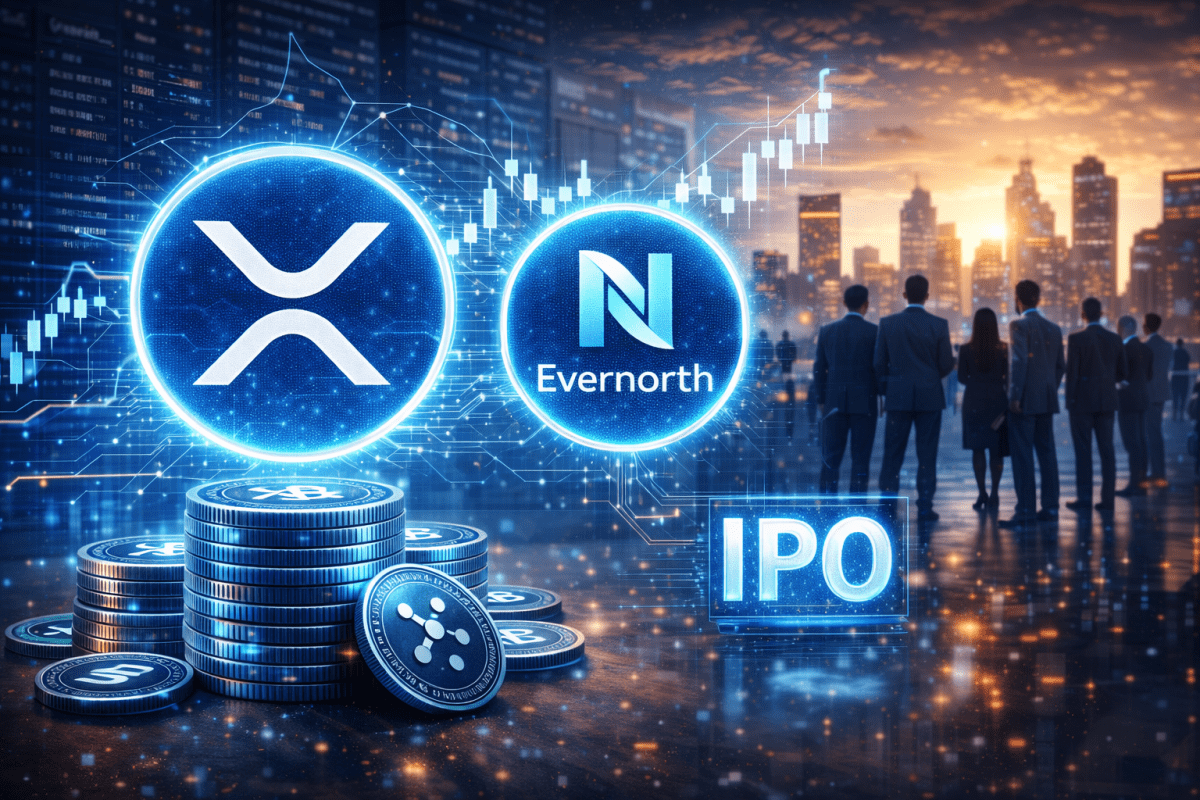
XRP Treasury Firm Evernorth Prepares Public Listing to Boost Institutional Exposure

XRP Treasury Firm Evernorth Prepares Public Listing to Boost Institutional Exposure

Evernorth is working toward a Q1 Nasdaq listing through a SPAC merger, giving XRP exposure to Wall Street investors. Funds raised will be used to back DeFi products
Share
Crypto News Flash2026/01/17 20:01
XRP Treasury Firm Evernorth Prepares Public Listing

XRP Treasury Firm Evernorth Prepares Public Listing

The post XRP Treasury Firm Evernorth Prepares Public Listing appeared on BitcoinEthereumNews.com. Kelvin is a crypto journalist/editor with over six years of experience
Share
BitcoinEthereumNews2026/01/17 20:13
