

U.S. government shutdown has halted SEC IPO processing, freezing major planned listings
The shutdown of the U.S. government on Wednesday has stopped the comeback of the IPO market just as it was gathering speed, according to Reuters. Deep fights between Congress and President Donald Trump over federal funding shut down large parts of government operations.
The Securities and Exchange Commission is now running only essential functions on a skeleton staff. That means no new IPO paperwork will be processed. High‑profile companies like actress Jennifer Garner’s organic baby food company, Once Upon a Farm, and electric aircraft maker Beta Technologies have been left waiting to go public.
The fall period had been building momentum after nearly three years of high interest rates and market volatility that froze new listings. By September 29, U.S. IPOs had raised $52.94 billion from 263 listings, the busiest year since 2021.
The largest offerings included LNG giant Venture Global, buy‑now‑pay‑later lender Klarna, and AI cloud firm CoreWeave. Investors had been pouring money into IPO‑linked funds, hoping for strong aftermarket gains. The shutdown has thrown that pipeline into uncertainty and created a backlog of deals.
SEC stops IPO work and delays Wall Street activity
The shutdown is now blocking banks from closing deals and exchanges from earning listing fees. A similar standstill happened during the longest U.S. government closure in history, a 35‑day stretch from December 2018 to January 2019 under Trump’s previous administration.
During that time, the IPO market nearly shut down completely. A few companies moved forward by locking in IPO prices weeks in advance, but most could not.
This current shutdown is expected to cause the same kind of disruptions. Filings will pile up. Investor demand will cool as pricing becomes harder to predict.
Although some analysts believe listings could bounce back once operations resume, for now, the IPO window is effectively closed. Strong demand and heavy inflows into IPO‑focused funds remain in the background, but the market cannot function without SEC approvals.
Education Department furlough deepens student loan delays
The shutdown is also worsening delays for student loan borrowers. Under Trump’s administration, hundreds of thousands of borrowers were already stuck in a backlog for affordable repayment plans or earned debt forgiveness. The federal closure could lengthen their wait even more.
In a September 28 memorandum, U.S. Department of Education Secretary Linda McMahon estimated that it would take half a day to complete shutdown activities at the agency and confirmed that 1,485 of 1,700 employees would be furloughed.
Those furloughs come on top of Trump’s March decision to cut nearly half of the Education Department staff, including many who handled applications in the Federal Student Aid office. These cuts have left more than one million borrowers trying to enroll in income‑driven repayment plans stuck in line.
Another 74,510 people are waiting for a determination on their Public Service Loan Forgiveness status. These repayment plans cap monthly bills at a percentage of income, and PSLF wipes out remaining debt for public servants after ten years of payments.
The shutdown risks making this crisis worse. Randi Weingarten, president of the American Federation of Teachers, said the AFT filed a class‑action complaint in September against the Trump administration and accused the Education Department of denying student loan borrowers the rights guaranteed to them by law. With staff furloughed and applications piling up, relief programs required by Congress remain out of reach for many.
Sharpen your strategy with mentorship + daily ideas - 30 days free access to our trading program
You May Also Like
Crypto execs met with US lawmakers to discuss Bitcoin reserve, market structure bills
Lawmakers in the US House of Representatives and Senate met with cryptocurrency industry leaders in three separate roundtable events this week. Members of the US Congress met with key figures in the cryptocurrency industry to discuss issues and potential laws related to the establishment of a strategic Bitcoin reserve and a market structure.On Tuesday, a group of lawmakers that included Alaska Representative Nick Begich and Ohio Senator Bernie Moreno met with Strategy co-founder Michael Saylor and others in a roundtable event regarding the BITCOIN Act, a bill to establish a strategic Bitcoin (BTC) reserve. The discussion was hosted by the advocacy organization Digital Chamber and its affiliates, the Digital Power Network and Bitcoin Treasury Council.“Legislators and the executives at yesterday’s roundtable agree, there is a need [for] a Strategic Bitcoin Reserve law to ensure its longevity for America’s financial future,” Hailey Miller, director of government affairs and public policy at Digital Power Network, told Cointelegraph. “Most attendees are looking for next steps, which may mean including the SBR within the broader policy frameworks already advancing.“Read more
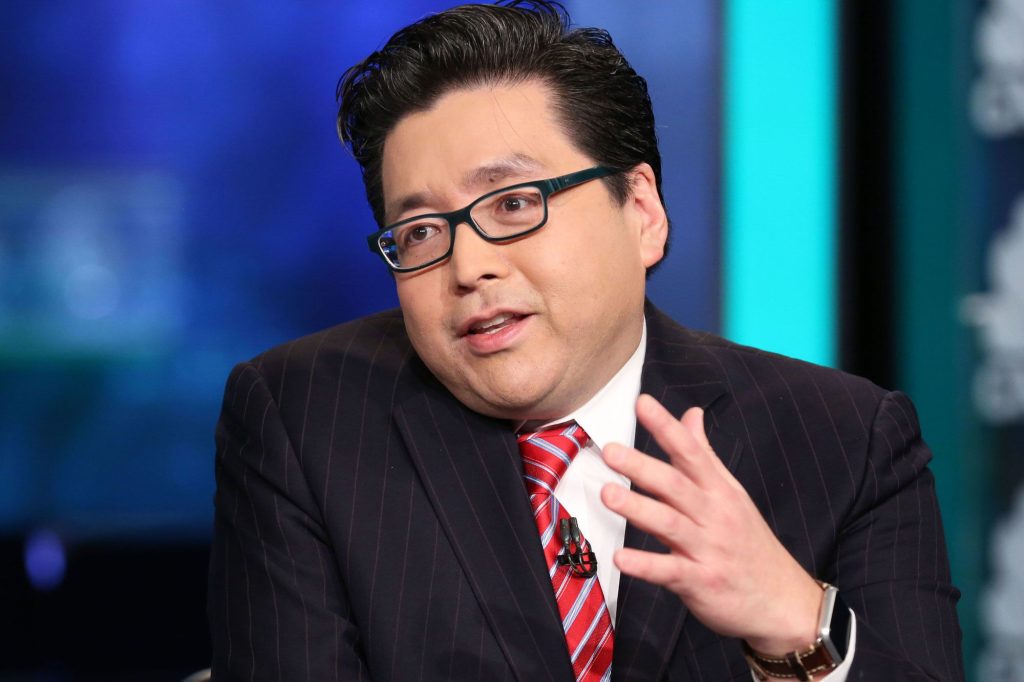
Tom Lee, 2026’yı “Ethereum Yılı” İlan Etti: Fiyat Tahminini Paylaştı!
