The UK Treasury has unveiled a comprehensive crackdown on crypto tax evasion, introducing £300 fines for individuals who refuse to share personal details with crypto service providers starting January 2026. According to a Daily Mail report, the new Crypto Asset Reporting Framework (CARF) will require holders of Bitcoin, Ethereum, Dogecoin, and other digital currencies to share their tax reference numbers with crypto platforms or face penalties. Treasury officials project the initiative will close loopholes in crypto taxation and generate up to £315 million in additional revenue by April 2030. Source: PA Archive (The Standard) Exchequer Secretary James Murray emphasized that the initiative is part of a broader strategy to eliminate tax avoidance, stating that the rules will ensure “ tax dodgers have nowhere to hide ” and the government will be able to fund essential public services through improved compliance. Both crypto users and service providers will face financial penalties for non-compliance, creating a dual-layer enforcement mechanism that holds both parties accountable for every transaction. New Compliance Framework Puts Pressure on Platforms and Users Crypto service providers operating in the UK will bear significant responsibility under the new framework, as they are required to collect and verify customer tax information before facilitating any transactions. Platforms that fail to obtain accurate tax reference numbers or provide complete transaction records to HM Revenue and Customs will face their own financial penalties, which are currently not disclosed. The reporting requirements extend beyond simple trading activities to encompass staking rewards, DeFi yield farming, NFT transactions, and any other crypto-related income generation. Non-compliant individuals face penalties of £300 per instance, while service providers risk separate fines for failing to maintain accurate records or provide the required information to tax authorities. Source: Daily Mail ( From left to right; Treasury Parliamentary Secretary Emma Reynolds, Exchequer Secretary to the Treasury James Murray, Chief Secretary to the Treasury Darren Jones, Chancellor of the Exchequer Rachel Reeves, Economic Secretary to the Treasury Tulip Siddiq, and Financial Secretary to the Treasury Spencer Livermore ) Murray also described the framework as part of a broader effort to ensure “everyone pays their fair share,” positioning the crackdown as essential for maintaining public funding for nurses, police, and other vital services. Service providers will need to adapt their onboarding processes and customer management systems to accommodate the new data collection requirements, potentially increasing operational costs that could be passed to users. Global Momentum Builds Around Crypto Tax Enforcement Britain’s move is part of a worldwide trend toward stricter cryptocurrency tax compliance, with multiple jurisdictions implementing similar reporting frameworks designed to capture previously hidden digital asset profits. The European Union’s DAC8 directive , which takes effect in 2026, will require crypto platforms across all member states to share customer transaction data with tax authorities, creating a continent-wide information exchange network. 🇪🇺 European Parliament Supports DAC8 Crypto Tax Rule by an Overwhelming Margin Lawmakers in the European Parliament have expressed support for the eighth iteration of the Directive on Administrative Cooperation (DAC8). #CryptoNews #EU https://t.co/pn02rJg4qM — Cryptonews.com (@cryptonews) September 14, 2023 Recent data from Denmark reveals the scale of the challenge facing tax authorities, with over 90% of crypto traders failing to report gains despite mandatory exchange reporting requirements implemented in 2019. Nordic countries appear particularly aggressive in their approach, with Norway estimating that roughly 88% of crypto traders omitted gains in 2023, while Denmark is now considering a 42% tax on unrealized cryptocurrency gains . Thailand has taken the opposite approach, offering a five-year personal income tax exemption on crypto capital gains for transactions conducted through licensed platforms, seeking to attract international investment and establish itself as a digital asset hub. As it stands now, some jurisdictions are tightening enforcement, while others compete for crypto capital through favorable tax treatment. These approaches, however, create both opportunities and challenges for crypto investors, who may increasingly start to consider tax implications when choosing where to trade or establish residency.The UK Treasury has unveiled a comprehensive crackdown on crypto tax evasion, introducing £300 fines for individuals who refuse to share personal details with crypto service providers starting January 2026. According to a Daily Mail report, the new Crypto Asset Reporting Framework (CARF) will require holders of Bitcoin, Ethereum, Dogecoin, and other digital currencies to share their tax reference numbers with crypto platforms or face penalties. Treasury officials project the initiative will close loopholes in crypto taxation and generate up to £315 million in additional revenue by April 2030. Source: PA Archive (The Standard) Exchequer Secretary James Murray emphasized that the initiative is part of a broader strategy to eliminate tax avoidance, stating that the rules will ensure “ tax dodgers have nowhere to hide ” and the government will be able to fund essential public services through improved compliance. Both crypto users and service providers will face financial penalties for non-compliance, creating a dual-layer enforcement mechanism that holds both parties accountable for every transaction. New Compliance Framework Puts Pressure on Platforms and Users Crypto service providers operating in the UK will bear significant responsibility under the new framework, as they are required to collect and verify customer tax information before facilitating any transactions. Platforms that fail to obtain accurate tax reference numbers or provide complete transaction records to HM Revenue and Customs will face their own financial penalties, which are currently not disclosed. The reporting requirements extend beyond simple trading activities to encompass staking rewards, DeFi yield farming, NFT transactions, and any other crypto-related income generation. Non-compliant individuals face penalties of £300 per instance, while service providers risk separate fines for failing to maintain accurate records or provide the required information to tax authorities. Source: Daily Mail ( From left to right; Treasury Parliamentary Secretary Emma Reynolds, Exchequer Secretary to the Treasury James Murray, Chief Secretary to the Treasury Darren Jones, Chancellor of the Exchequer Rachel Reeves, Economic Secretary to the Treasury Tulip Siddiq, and Financial Secretary to the Treasury Spencer Livermore ) Murray also described the framework as part of a broader effort to ensure “everyone pays their fair share,” positioning the crackdown as essential for maintaining public funding for nurses, police, and other vital services. Service providers will need to adapt their onboarding processes and customer management systems to accommodate the new data collection requirements, potentially increasing operational costs that could be passed to users. Global Momentum Builds Around Crypto Tax Enforcement Britain’s move is part of a worldwide trend toward stricter cryptocurrency tax compliance, with multiple jurisdictions implementing similar reporting frameworks designed to capture previously hidden digital asset profits. The European Union’s DAC8 directive , which takes effect in 2026, will require crypto platforms across all member states to share customer transaction data with tax authorities, creating a continent-wide information exchange network. 🇪🇺 European Parliament Supports DAC8 Crypto Tax Rule by an Overwhelming Margin Lawmakers in the European Parliament have expressed support for the eighth iteration of the Directive on Administrative Cooperation (DAC8). #CryptoNews #EU https://t.co/pn02rJg4qM — Cryptonews.com (@cryptonews) September 14, 2023 Recent data from Denmark reveals the scale of the challenge facing tax authorities, with over 90% of crypto traders failing to report gains despite mandatory exchange reporting requirements implemented in 2019. Nordic countries appear particularly aggressive in their approach, with Norway estimating that roughly 88% of crypto traders omitted gains in 2023, while Denmark is now considering a 42% tax on unrealized cryptocurrency gains . Thailand has taken the opposite approach, offering a five-year personal income tax exemption on crypto capital gains for transactions conducted through licensed platforms, seeking to attract international investment and establish itself as a digital asset hub. As it stands now, some jurisdictions are tightening enforcement, while others compete for crypto capital through favorable tax treatment. These approaches, however, create both opportunities and challenges for crypto investors, who may increasingly start to consider tax implications when choosing where to trade or establish residency.

UK Treasury Targets Crypto Tax Evaders with £300 Fines Starting January 2026

The UK Treasury has unveiled a comprehensive crackdown on crypto tax evasion, introducing £300 fines for individuals who refuse to share personal details with crypto service providers starting January 2026.

According to a Daily Mail report, the new Crypto Asset Reporting Framework (CARF) will require holders of Bitcoin, Ethereum, Dogecoin, and other digital currencies to share their tax reference numbers with crypto platforms or face penalties.

Treasury officials project the initiative will close loopholes in crypto taxation and generate up to £315 million in additional revenue by April 2030.
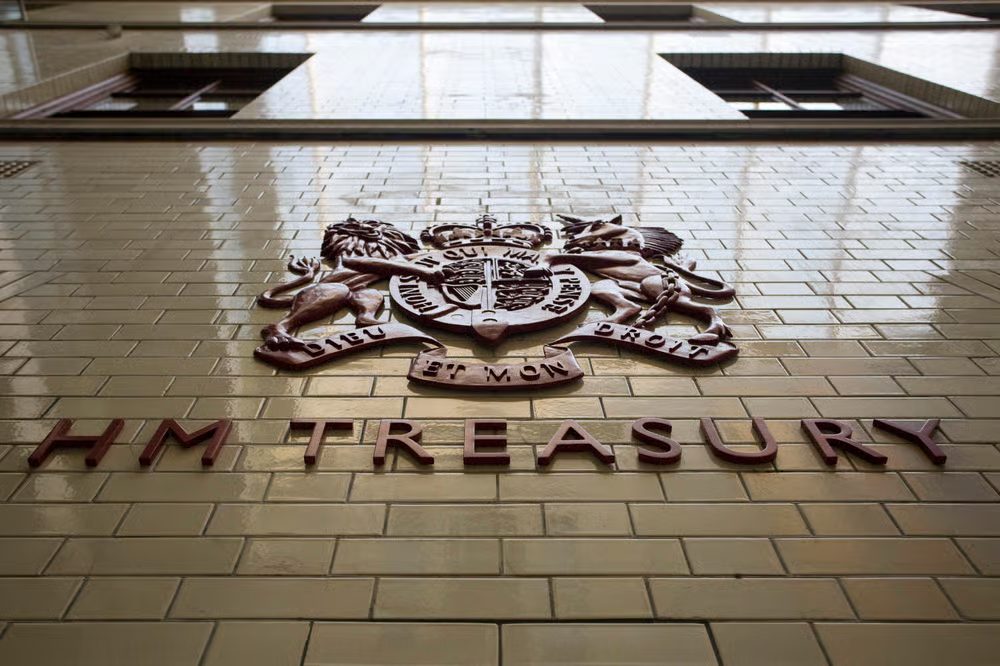
Source: PA Archive (The Standard)

Exchequer Secretary James Murray emphasized that the initiative is part of a broader strategy to eliminate tax avoidance, stating that the rules will ensure “tax dodgers have nowhere to hide” and the government will be able to fund essential public services through improved compliance.

Both crypto users and service providers will face financial penalties for non-compliance, creating a dual-layer enforcement mechanism that holds both parties accountable for every transaction.

New Compliance Framework Puts Pressure on Platforms and Users

Crypto service providers operating in the UK will bear significant responsibility under the new framework, as they are required to collect and verify customer tax information before facilitating any transactions.

Platforms that fail to obtain accurate tax reference numbers or provide complete transaction records to HM Revenue and Customs will face their own financial penalties, which are currently not disclosed.

The reporting requirements extend beyond simple trading activities to encompass staking rewards, DeFi yield farming, NFT transactions, and any other crypto-related income generation.

Non-compliant individuals face penalties of £300 per instance, while service providers risk separate fines for failing to maintain accurate records or provide the required information to tax authorities.

Source: Daily Mail (From left to right; Treasury Parliamentary Secretary Emma Reynolds, Exchequer Secretary to the Treasury James Murray, Chief Secretary to the Treasury Darren Jones, Chancellor of the Exchequer Rachel Reeves, Economic Secretary to the Treasury Tulip Siddiq, and Financial Secretary to the Treasury Spencer Livermore)

Murray also described the framework as part of a broader effort to ensure “everyone pays their fair share,” positioning the crackdown as essential for maintaining public funding for nurses, police, and other vital services.

Service providers will need to adapt their onboarding processes and customer management systems to accommodate the new data collection requirements, potentially increasing operational costs that could be passed to users.

Global Momentum Builds Around Crypto Tax Enforcement

Britain’s move is part of a worldwide trend toward stricter cryptocurrency tax compliance, with multiple jurisdictions implementing similar reporting frameworks designed to capture previously hidden digital asset profits.

The European Union’s DAC8 directive, which takes effect in 2026, will require crypto platforms across all member states to share customer transaction data with tax authorities, creating a continent-wide information exchange network.

Recent data from Denmark reveals the scale of the challenge facing tax authorities, with over 90% of crypto traders failing to report gains despite mandatory exchange reporting requirements implemented in 2019.

Nordic countries appear particularly aggressive in their approach, with Norway estimating that roughly 88% of crypto traders omitted gains in 2023, while Denmark is now considering a 42% tax on unrealized cryptocurrency gains.

Thailand has taken the opposite approach, offering a five-year personal income tax exemption on crypto capital gains for transactions conducted through licensed platforms, seeking to attract international investment and establish itself as a digital asset hub.

As it stands now, some jurisdictions are tightening enforcement, while others compete for crypto capital through favorable tax treatment.

These approaches, however, create both opportunities and challenges for crypto investors, who may increasingly start to consider tax implications when choosing where to trade or establish residency.

Market Opportunity
Threshold Logo
Threshold Price(T)
$0.008632
$0.008632$0.008632
-2.03%
USD
Threshold (T) Live Price Chart
Disclaimer: The articles reposted on this site are sourced from public platforms and are provided for informational purposes only. They do not necessarily reflect the views of MEXC. All rights remain with the original authors. If you believe any content infringes on third-party rights, please contact [email protected] for removal. MEXC makes no guarantees regarding the accuracy, completeness, or timeliness of the content and is not responsible for any actions taken based on the information provided. The content does not constitute financial, legal, or other professional advice, nor should it be considered a recommendation or endorsement by MEXC.

You May Also Like

Ethereum unveils roadmap focusing on scaling, interoperability, and security at Japan Dev Conference

Ethereum unveils roadmap focusing on scaling, interoperability, and security at Japan Dev Conference

The post Ethereum unveils roadmap focusing on scaling, interoperability, and security at Japan Dev Conference appeared on BitcoinEthereumNews.com. Key Takeaways Ethereum’s new roadmap was presented by Vitalik Buterin at the Japan Dev Conference. Short-term priorities include Layer 1 scaling and raising gas limits to enhance transaction throughput. Vitalik Buterin presented Ethereum’s development roadmap at the Japan Dev Conference today, outlining the blockchain platform’s priorities across multiple timeframes. The short-term goals focus on scaling solutions and increasing Layer 1 gas limits to improve transaction capacity. Mid-term objectives target enhanced cross-Layer 2 interoperability and faster network responsiveness to create a more seamless user experience across different scaling solutions. The long-term vision emphasizes building a secure, simple, quantum-resistant, and formally verified minimalist Ethereum network. This approach aims to future-proof the platform against emerging technological threats while maintaining its core functionality. The roadmap presentation comes as Ethereum continues to compete with other blockchain platforms for market share in the smart contract and decentralized application space. Source: https://cryptobriefing.com/ethereum-roadmap-scaling-interoperability-security-japan/
Share
BitcoinEthereumNews2025/09/18 00:25
Shocking OpenVPP Partnership Claim Draws Urgent Scrutiny

Shocking OpenVPP Partnership Claim Draws Urgent Scrutiny

The post Shocking OpenVPP Partnership Claim Draws Urgent Scrutiny appeared on BitcoinEthereumNews.com. The cryptocurrency world is buzzing with a recent controversy surrounding a bold OpenVPP partnership claim. This week, OpenVPP (OVPP) announced what it presented as a significant collaboration with the U.S. government in the innovative field of energy tokenization. However, this claim quickly drew the sharp eye of on-chain analyst ZachXBT, who highlighted a swift and official rebuttal that has sent ripples through the digital asset community. What Sparked the OpenVPP Partnership Claim Controversy? The core of the issue revolves around OpenVPP’s assertion of a U.S. government partnership. This kind of collaboration would typically be a monumental endorsement for any private cryptocurrency project, especially given the current regulatory climate. Such a partnership could signify a new era of mainstream adoption and legitimacy for energy tokenization initiatives. OpenVPP initially claimed cooperation with the U.S. government. This alleged partnership was said to be in the domain of energy tokenization. The announcement generated considerable interest and discussion online. ZachXBT, known for his diligent on-chain investigations, was quick to flag the development. He brought attention to the fact that U.S. Securities and Exchange Commission (SEC) Commissioner Hester Peirce had directly addressed the OpenVPP partnership claim. Her response, delivered within hours, was unequivocal and starkly contradicted OpenVPP’s narrative. How Did Regulatory Authorities Respond to the OpenVPP Partnership Claim? Commissioner Hester Peirce’s statement was a crucial turning point in this unfolding story. She clearly stated that the SEC, as an agency, does not engage in partnerships with private cryptocurrency projects. This response effectively dismantled the credibility of OpenVPP’s initial announcement regarding their supposed government collaboration. Peirce’s swift clarification underscores a fundamental principle of regulatory bodies: maintaining impartiality and avoiding endorsements of private entities. Her statement serves as a vital reminder to the crypto community about the official stance of government agencies concerning private ventures. Moreover, ZachXBT’s analysis…
Share
BitcoinEthereumNews2025/09/18 02:13
Gemini Exchange Launches BNB Trading and Custody Services

Gemini Exchange Launches BNB Trading and Custody Services

The post Gemini Exchange Launches BNB Trading and Custody Services appeared on BitcoinEthereumNews.com. TLDR: Gemini becomes latest major U.S. exchange to offer
Share
BitcoinEthereumNews2025/12/26 16:43