

Strait of Hormuz Closure: Iran’s Supreme Leader Mojtaba Khamenei Urges Sustained Pressure on Adversaries

BitcoinWorld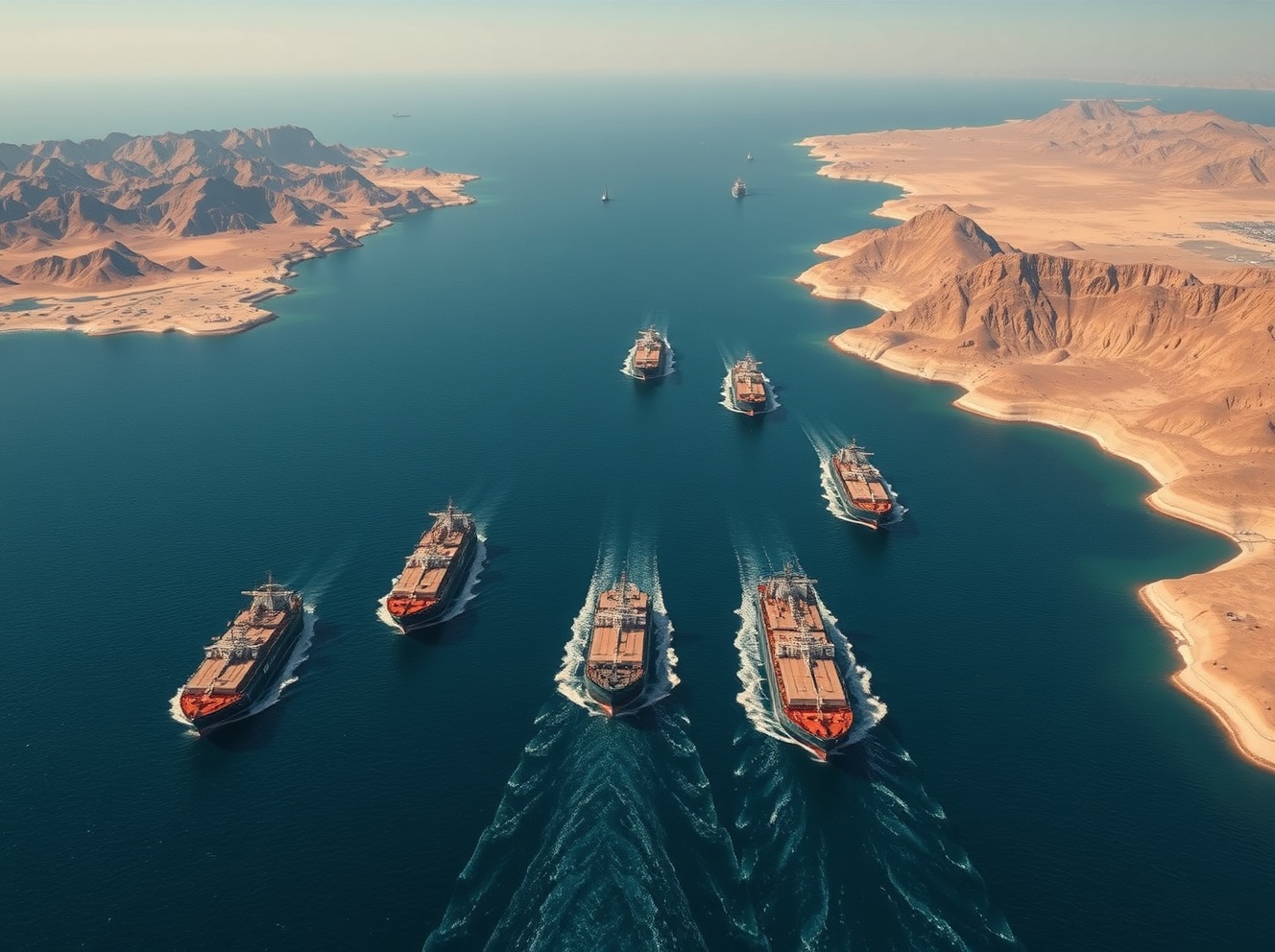
Strait of Hormuz Closure: Iran’s Supreme Leader Mojtaba Khamenei Urges Sustained Pressure on Adversaries
TEHRAN, Iran – December 2025: Iran’s Supreme Leader Mojtaba Khamenei has declared that maintaining the closure of the strategic Strait of Hormuz should continue as a method to pressure adversaries, according to recent statements analyzed by regional experts. This critical maritime passage, often described as the world’s most important oil transit chokepoint, handles approximately 21 million barrels of oil daily, representing about 21% of global petroleum consumption. Consequently, Khamenei’s position carries significant implications for international energy markets and geopolitical stability.
Strait of Hormuz Closure as Geopolitical Leverage
Iran has historically viewed control over the Strait of Hormuz as a strategic asset in regional confrontations. The narrow waterway, only 21 nautical miles wide at its narrowest point, connects the Persian Gulf with the Gulf of Oman and the Arabian Sea. Moreover, its shallow depth restricts tanker traffic to two shipping lanes, each just two miles wide. Therefore, any disruption creates immediate global consequences. For instance, during previous tensions, insurance premiums for vessels transiting the strait increased by 400% within weeks. Additionally, global oil prices typically spike by 15-25% during periods of heightened Strait of Hormuz instability.
Supreme Leader Khamenei’s recent statements align with Iran’s longstanding doctrine of asymmetric warfare. Specifically, Tehran leverages geographic advantages to counter conventional military disadvantages. Furthermore, this approach allows Iran to project power without direct confrontation. Regional analysts note that Iran maintains several military installations along the strait’s coastline, including:
- Anti-ship missile batteries with ranges covering the entire waterway
- Fast attack craft capable of swarm tactics against commercial shipping
- Coastal artillery positions overlooking key transit lanes
- Submarine bases supporting underwater denial operations
Historical Context of Strait of Hormuz Tensions
The current situation represents the latest chapter in a decades-long pattern of regional tension. Notably, during the 1980s Tanker War, both Iran and Iraq targeted commercial shipping. More recently, in 2019, Iran seized a British-flagged tanker and attacked several vessels. Subsequently, the United States established the International Maritime Security Construct to monitor the area. However, incidents have continued, including drone attacks on tankers and periodic seizures.
Economic Impacts and Global Response
A sustained Strait of Hormuz closure would trigger immediate economic repercussions. According to energy analysts, global oil prices could surge above $150 per barrel within days. Additionally, shipping costs would increase dramatically as vessels reroute around Africa’s Cape of Good Hope. This alternative route adds approximately 15 days to transit times and increases fuel consumption by 30%. Consequently, consumer goods prices worldwide would rise due to increased transportation costs.
Major economies have developed contingency plans for such scenarios. For example, the United States maintains the Strategic Petroleum Reserve with 714 million barrels. Similarly, China has built substantial oil storage capacity. Meanwhile, the International Energy Agency coordinates emergency releases among member countries. Nevertheless, experts agree that no preparation can fully mitigate the impact of a prolonged closure.
| Metric | Value | Global Share |
|---|---|---|
| Daily Oil Transit | 21 million barrels | 21% |
| LNG Transit | 74 million tons annually | 20% |
| Width at Narrowest | 21 nautical miles | N/A |
| Shipping Lanes | 2 miles wide each | N/A |
| Transit Time | 8-10 hours | N/A |
Regional Power Dynamics and Diplomatic Calculations
Iran’s position reflects complex regional relationships. Specifically, Gulf Cooperation Council members, particularly Saudi Arabia and the United Arab Emirates, have invested heavily in alternative pipelines. For instance, the East-West Pipeline bypasses the strait entirely. Similarly, the UAE operates the Habshan-Fujairah pipeline with 1.5 million barrel daily capacity. Nevertheless, most Gulf oil exports remain dependent on Hormuz transit.
International diplomatic efforts continue behind the scenes. European nations have attempted to revive the Joint Comprehensive Plan of Action nuclear agreement. Meanwhile, China maintains substantial energy imports through the strait and advocates for stability. Russian positioning remains ambiguous, as higher oil prices benefit Moscow’s economy despite potential disruption to Russian-Chinese energy cooperation.
Military Considerations and Escalation Risks
Military analysts identify several potential escalation scenarios. First, limited Iranian harassment of commercial shipping might prompt international naval patrols. Second, a more substantial closure attempt could trigger military responses. Third, miscalculation during tense encounters might spark broader conflict. The United States Fifth Fleet, based in Bahrain, maintains significant assets in the region. However, Iran’s asymmetric capabilities create complex defensive challenges.
Recent technological developments further complicate the situation. Iran has deployed increasingly sophisticated drones and missiles. Additionally, cyber capabilities threaten port operations and shipping logistics. Consequently, any conflict would likely involve multiple domains beyond traditional naval warfare.
Conclusion
Supreme Leader Mojtaba Khamenei’s advocacy for continuing the Strait of Hormuz closure represents a calculated geopolitical maneuver. This strategy leverages Iran’s geographic position to pressure adversaries despite economic costs to Tehran. The international community faces difficult choices between confrontation and accommodation. Ultimately, the strait’s strategic importance ensures that any disruption will have global consequences. Therefore, diplomatic solutions remain preferable to military escalation in this volatile region.
FAQs
Q1: Why is the Strait of Hormuz so strategically important?
The Strait of Hormuz serves as the only maritime passage from the Persian Gulf to the open ocean. It handles approximately 21 million barrels of oil daily, representing 21% of global petroleum consumption and 20% of liquefied natural gas trade.
Q2: What countries are most affected by potential closure?
Primary affected nations include Gulf oil exporters like Saudi Arabia, Iraq, UAE, Kuwait, and Qatar. Major importers including China, India, Japan, and South Korea would face immediate energy shortages and price spikes.
Q3: Has Iran closed the strait before?
Iran has threatened closure multiple times and conducted military exercises simulating closure. During the 1980s Iran-Iraq War, both nations attacked shipping in the “Tanker War,” but complete closure has not occurred in modern times.
Q4: What alternatives exist to Strait of Hormuz transit?
Alternatives include pipelines bypassing the strait, such as Saudi Arabia’s East-West Pipeline and the UAE’s Habshan-Fujairah pipeline. Shipping can also reroute around Africa’s Cape of Good Hope, adding significant time and cost.
Q5: How would a closure affect global oil prices?
Analysts estimate immediate price spikes of 15-25%, potentially exceeding $150 per barrel. The duration and severity would depend on strategic reserve releases, alternative routing, and diplomatic resolution speed.
This post Strait of Hormuz Closure: Iran’s Supreme Leader Mojtaba Khamenei Urges Sustained Pressure on Adversaries first appeared on BitcoinWorld.
Ayrıca Şunları da Beğenebilirsiniz

Tesla secures SpaceX stake through xAI merger ahead of IPO
Trump’s plan to defy the Supreme Court has survived over 3,600 legal challenges
