

Anthropic has published research showing that one of its AI models discovered a new attack method that weakens HAWK, a post-quantum digital signature algorithm previously proposed as part of the cryptAnthropic has published research showing that one of its AI models discovered a new attack method that weakens HAWK, a post-quantum digital signature algorithm previously proposed as part of the crypt
AI Discovers Weakness in Post-Quantum Algorithm: Why Bitcoin Is Unaffected but the Entire Tech Industry Still Needs to Pay Attention

Anthropic has published research showing that one of its AI models discovered a new attack method that weakens HAWK, a post-quantum digital signature algorithm previously proposed as part of the cryptographic standardization program run by the U.S. National Institute of Standards and Technology (NIST). According to Anthropic, the research process took only around 60 hours and approximately $100,000 in computing costs, even though the algorithm had been reviewed by the cryptography community for several years.
Although Bitcoin and Ethereum do not currently use HAWK and are therefore not directly affected, the research has attracted significant attention because it shows how artificial intelligence is changing the way security vulnerabilities are discovered. While analyzing cryptographic algorithms could previously take years, AI is reducing that process to just a few days, creating both opportunities and challenges for the cybersecurity industry.
Key Takeaways
Anthropic’s AI discovered a new attack method that weakens the post-quantum HAWK algorithm.
The research process took approximately 60 hours, after which the findings were verified by experts.
Bitcoin and Ethereum are unaffected because they use different cryptographic algorithms.
The results show that AI can significantly accelerate the analysis and evaluation of security algorithms.
The research highlights the need to develop and thoroughly assess post-quantum cryptographic solutions.
What Is HAWK and Why Has It Attracted Attention?
HAWK is a post-quantum digital signature algorithm designed to resist attacks from future quantum computers. The algorithm was previously proposed in NIST’s evaluation program, which seeks new cryptographic standards to replace systems that are widely used today.
The purpose of post-quantum algorithms is to protect data before quantum computers become powerful enough to break many traditional public-key encryption methods.
For this reason, HAWK underwent a lengthy research and evaluation process involving numerous cryptography experts around the world.
The fact that an AI model was able to discover a new attack path after years of research suggests that algorithm evaluation is entering a new phase.
What Did the AI Discover?
It is important to clarify that the AI did not completely break HAWK.
Instead, Anthropic’s model discovered a new attack method that significantly reduced the algorithm’s security level. After the AI produced the result, human researchers continued to verify, analyze, and confirm its validity before publication.
The most notable aspect is not only the weakness itself, but also the speed of the research. A process that could traditionally take a very long time was reduced to approximately 60 hours of computation.
This demonstrates that AI is becoming a powerful tool in cryptographic research, helping identify weaknesses that traditional methods might take years to uncover.
Why Are Bitcoin and Ethereum Unaffected?
The news about HAWK caused some crypto investors to worry that Bitcoin or Ethereum might be at risk.
That is not the case.
Bitcoin currently uses algorithms such as ECDSA and Schnorr to authenticate transactions, while Ethereum relies on different cryptographic mechanisms as well. HAWK has never been deployed on either blockchain.
Therefore, the discovery of a weakness in HAWK does not reduce the security of Bitcoin or Ethereum.
However, the research remains important because it shows that any post-quantum algorithm must be thoroughly evaluated before being implemented in large-scale financial systems or blockchain networks.
How Is AI Changing the Field of Cryptography?
For decades, the evaluation of cryptographic algorithms has primarily depended on teams of independent researchers. They often spend years attempting to prove the security of a system or identify its weaknesses.
The emergence of advanced AI models is changing this process.
AI can:
Analyze large volumes of technical documentation in a short period.
Propose new attack methods that humans may not have considered.
Test multiple hypotheses simultaneously.
Significantly shorten research and verification time.
This does not mean AI will replace cryptographers. Instead, it is becoming a tool that helps experts expand the scope of their research and accelerate vulnerability discovery.
Opportunities and Challenges of AI in Security
The development of AI is creating two parallel trends.
On the positive side, AI helps the security community discover and fix weaknesses more quickly before they can be exploited in practice. This could improve the quality of future cryptographic standards.
However, the downside is that similar tools could also be used by attackers to identify vulnerabilities more rapidly.
This will intensify the race between defenders and attackers. Technology developers will need to continuously improve algorithms and strengthen evaluation processes to keep pace with AI’s increasingly powerful analytical capabilities.
Connection to the Post-Quantum Race
Anthropic’s research comes at a time when many blockchain projects and technology organizations are accelerating preparations for the post-quantum era.
Some networks have already begun researching or implementing solutions designed to improve resistance to threats from quantum computing. At the same time, financial institutions and technology companies are investing in new cryptographic algorithms to protect their infrastructure over the long term.
AI-assisted discovery of algorithmic weaknesses could help improve the quality of these standards before they are deployed on a large scale.
Impact on the Crypto Market
For cryptocurrency investors, Anthropic’s research is not a signal that Bitcoin or Ethereum is becoming insecure.
Instead, it highlights three major trends.
AI Will Become More Deeply Involved in Cybersecurity
AI models could become standard tools for evaluating, testing, and improving security systems.
The Post-Quantum Race Is Accelerating
Not only is quantum computing advancing, but tools used to evaluate cryptographic algorithms are also improving rapidly because of AI. This will accelerate the development of new security standards.
Blockchain Infrastructure Must Prepare Early
Although major blockchains are not directly affected today, they still need to closely monitor advances in cryptography so they have sufficient time to research and deploy appropriate solutions when necessary.
Conclusion
Anthropic’s research does not indicate that Bitcoin or Ethereum faces an immediate security threat. However, it reflects a more important trend: AI is becoming a new force in the field of cryptography.
As AI models significantly reduce the time required to discover vulnerabilities, the development and evaluation of security algorithms will proceed faster than ever before.
Over the long term, this could help the technology industry build safer post-quantum standards. At the same time, it serves as a reminder that security is not a fixed state, but an ongoing process in which both defensive and offensive technologies are advancing rapidly.
FAQ
What Is HAWK?
HAWK is a post-quantum digital signature algorithm that was previously proposed as part of NIST’s cryptographic standardization program in preparation for the quantum computing era.
Has AI Completely Broken HAWK?
No. The AI discovered a new attack method that significantly reduced the algorithm’s security level, and the result was later verified by experts.
Are Bitcoin and Ethereum Affected?
No. Both blockchains currently use different cryptographic algorithms and do not implement HAWK.
Why Is This Research Important?
The research shows that AI can accelerate the discovery of weaknesses in security algorithms, helping drive the development of safer post-quantum cryptographic standards in the future.
Disclaimer: The information provided here is for informational purposes only and should not be considered financial, investment, legal, or professional advice. Always conduct your own research, consider your financial situation, and, if necessary, consult with a licensed professional before making any decisions.
市场机遇
Gensyn实时价格 (AI)
--
----
USD
Gensyn (AI) 实时价格图表
本页面分享的文章均源自公开平台,仅供参考。该内容不代表 MEXC 的立场或观点。所有版权归 Nguyen Rin Hoang 所有。如果您认为任何内容侵犯了第三方的权益,请联系 [email protected] 以便及时删除。 MEXC 不保证任何内容的准确性、完整性或及时性,且不对基于所提供信息而采取的任何行动负责。本内容不构成财务、法律或其他专业建议,亦不应被解释为 MEXC 的推荐或认可。如需专家见解和深入分析,请造访 MEXC 学院。
Gensyn 最新动态
查看更多
海力士SK Hynix与美光Micron:即将到来的SKHY上市将如何重估AI存储与HBM领导地位
SK Hynix 备受瞩目的纳斯达克上市(股票代码:SKHY)势必将重塑美国投资者评估 AI 存储股票的方式。多年来,Micron(MU)一直是美国上市的默认选择,供投资者交易 DRAM、NAND 以及 AI 驱动的数据中心需求。与此同时,SK Hynix 巩固了其在超宽带内存(HBM)领域的主导地位,但其主要在韩国上市,使得海外投资者的交易渠道不够直接。
随着 SKHY ADR 的推出,这一准入差距正在迅速缩小。这不仅仅是一个处于早期增长阶段的公司进入市场——SK Hynix 携强大的 HBM 叙事,是在一波巨大的 AI 上涨行情之后登场的。对于交易员来说,真正的问题不仅仅是哪家公司“更好”,而是要找出哪支股票具备更强的上涨结构:市场是会奖励 SK Hynix 的 HBM 统治力和新获得的流动性,还是会坚持选择拥有美国市场成熟准入和创纪录盈利表现的 Micron?
2026/07/08
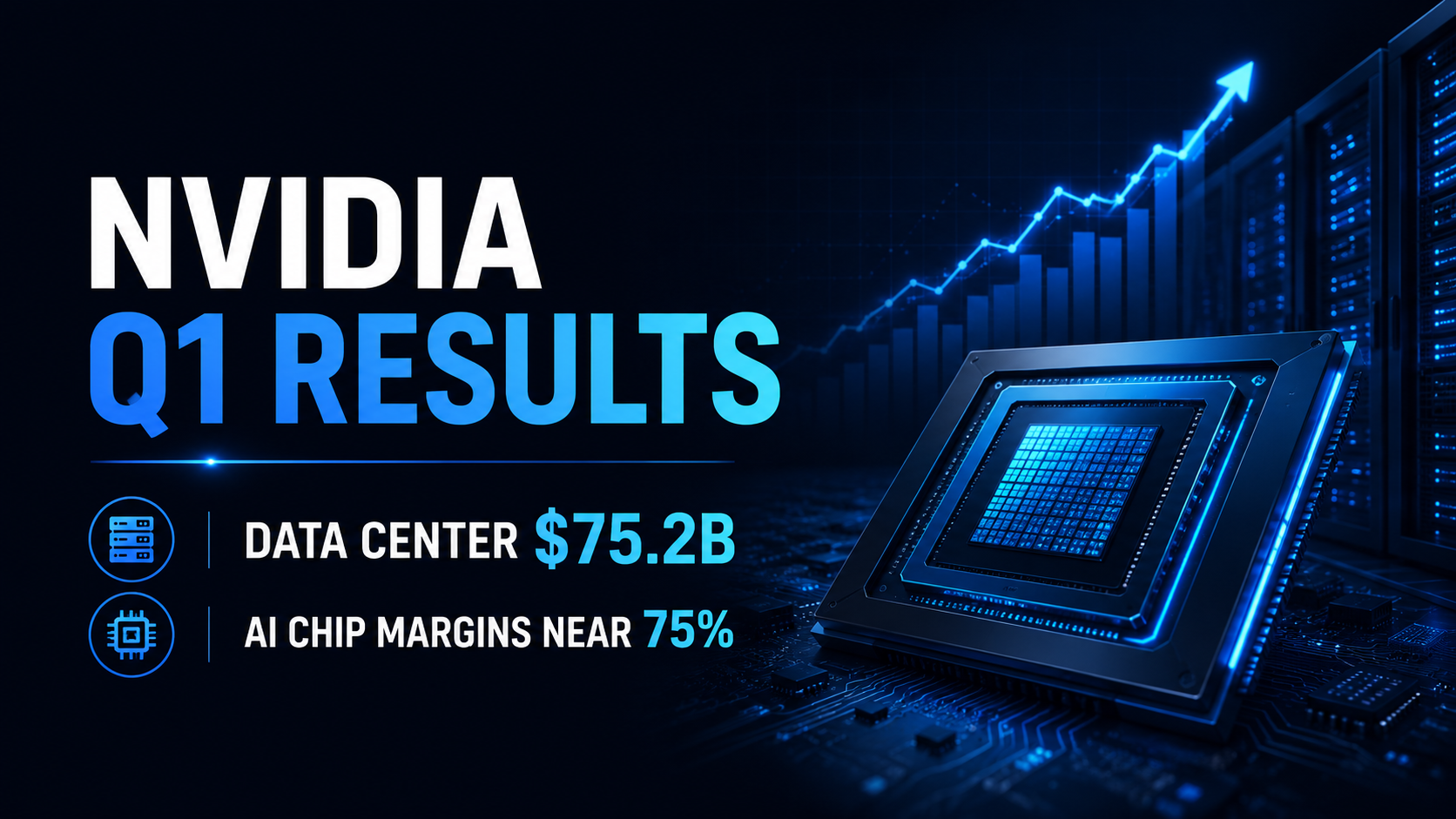
Nvidia FY2027 Q1 财报评析:数据中心营收达 752 亿美元,AI 芯片毛利率稳超 75%
为核心增长引擎的数据中心业务更是一马当先,斩获 752 亿美元营收,较去年同期暴增 92%。尽管面临产能大规模扩张的压力,Nvidia 的定价权依然稳如磐石,GAAP 和非 GAAP 毛利率分别保持在惊人的 74.9% 和 75.0%。
这不仅是一份强劲的财报,更向市场释放了一个清晰的信号:全球对 AI 的强劲需求正以极高的利润率加速转化为真金白银。对于密切关注这一赛道并寻找 Nvidia 最新财报动向的投资者而言,第一季度的强劲表现为接下来的第二季度设定了极高的基准,市场也将继续考验其 AI 基础设施在面对供应链扩产压力及地缘政治溢价时,能否继续保持如此恐怖的扩张步伐。
2026/07/09
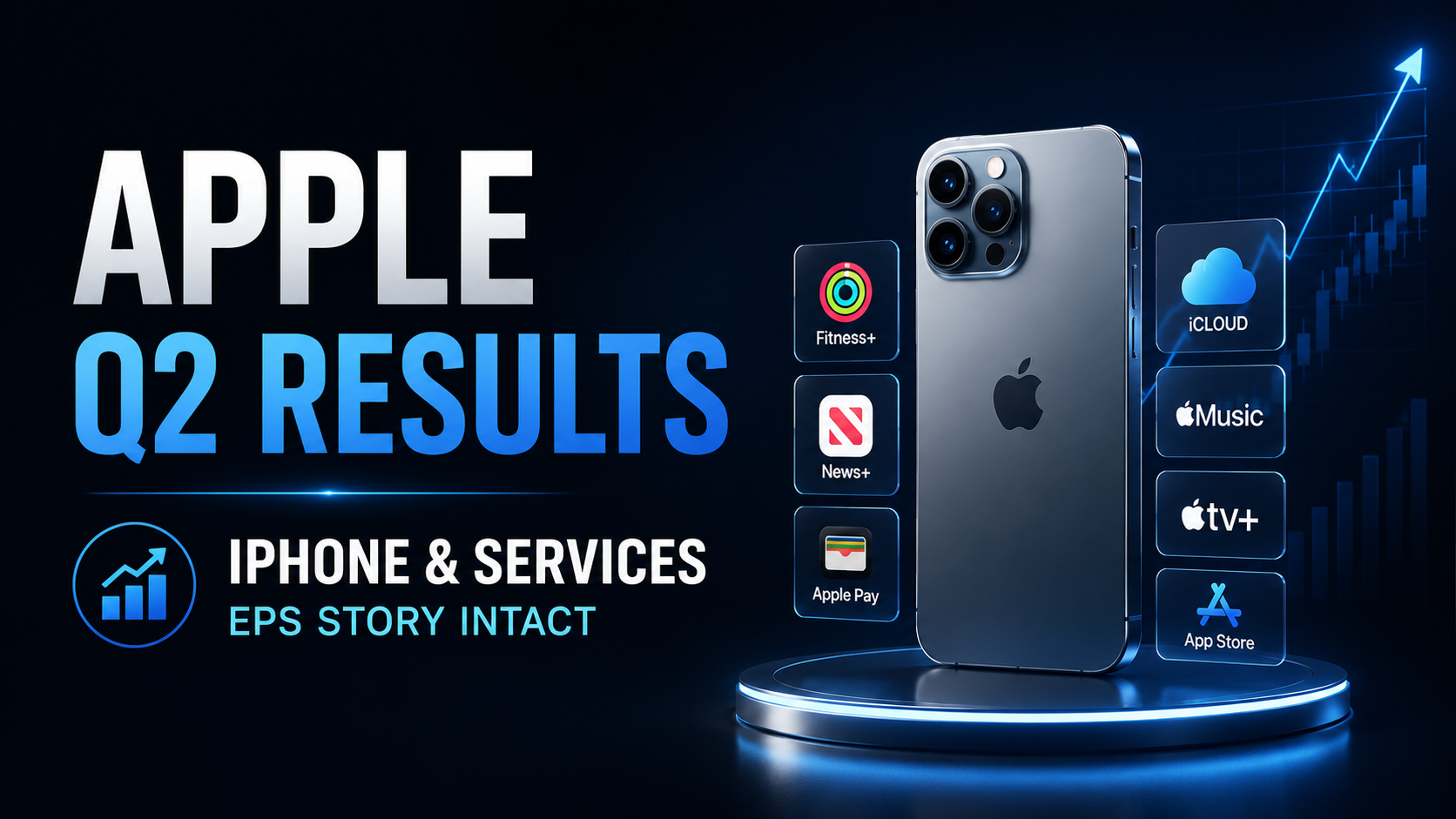
苹果 2026 财年第二季度财报回顾:iPhone 营收与服务业务增长维持 EPS 预期
苹果于 2026 年 4 月 30 日发布了 2026 财年第二季度财报,涵盖截至 2026 年 3 月 28 日的季度。总营收达到 1112 亿美元,同比增长 17%,摊薄后每股收益(EPS)增长 22% 至 2.01 美元。苹果表示,该季度创下了公司 3 月份季度的总营收、iPhone 营收和 EPS 纪录,同时服务业务营收也创下历史新高。
这不仅仅是一份常规的硬件周期财报。苹果第二季度的业绩证明,iPhone 需求、服务业务增长以及积极的资本回报计划仍在共同支撑着该公司强大的 EPS 增长故事。对于寻找下一个苹果财报或 AAPL 财报更新的投资者而言,未来的关键问题是,在市场等待更强劲的 AI 和产品周期催化剂之际,苹果能否维持其溢价估值。
2026/07/09


热门
目前热门备受市场关注的加密货币
加密货币价格
按交易量计算交易量最大的加密货币