

The most important economic story of the US-Iran war is no longer what happened when the fighting began. It is what has happened since.Months into the conflict, the Strait of Hormuz remains severely cThe most important economic story of the US-Iran war is no longer what happened when the fighting began. It is what has happened since.Months into the conflict, the Strait of Hormuz remains severely c
How the US-Iran War After Months of Fighting Is Reshaping Regional Economies, Energy and Crypto Markets

The most important economic story of the US-Iran war is no longer what happened when the fighting began. It is what has happened since.
Months into the conflict, the Strait of Hormuz remains severely constrained, Gulf energy infrastructure is facing repeated disruption, and governments across Asia are still trying to adjust to a world in which one of the most important energy corridors can no longer be treated as reliably open. On September 16, preliminary shipping data showed only four vessels crossing Hormuz the previous day, compared with a 10-day average of 18. None were large crude-oil carriers or LNG tankers.
The consequences are spreading well beyond the battlefield. Oil prices have returned above $100 a barrel, LNG routes are being improvised, and import-dependent economies such as Pakistan and India are absorbing another round of energy pressure. Crypto markets are being pulled in two directions at once: Bitcoin remains sensitive to global risk conditions, while stablecoins are becoming increasingly relevant to Iran’s effort to maintain access to international trade.
1.Hormuz Has Become the War’s Economic Front Line
For months, markets have been watching Hormuz as a potential flashpoint. The latest shipping data suggests that the problem is no longer hypothetical.
The waterway normally handles roughly one-fifth of global oil and LNG flows. Yet preliminary data showed only four detected ship crossings on Tuesday, dramatically below normal traffic. Some vessels may have travelled with their transponders switched off, but the absence of large crude and LNG carriers remains significant.
At the same time, attacks have begun affecting alternative routes. Saudi Arabia suspended oil loadings at its Red Sea port of Yanbu after an attack disrupted the East-West pipeline, which can carry around 4 million barrels per day.
That matters because the market had treated alternative pipelines as a partial cushion against Hormuz disruption. When those routes come under pressure too, the risk premium in crude becomes harder to remove.
2.Oil Is Expensive Even When Supply Has Not Completely Collapsed
The latest price action shows how complicated the market has become.
Brent crude was around $107.82 a barrel on September 16 after falling during the session as unexpectedly large US inventories provided some relief. A day earlier, however, oil had jumped as much as 4% following fresh concerns over Saudi exports.
That volatility is important. The market is not simply responding to the amount of oil physically lost. It is pricing the possibility of a larger disruption.
The longer the conflict continues, the more expensive that uncertainty becomes for airlines, manufacturers, shipping companies and governments. Higher crude prices feed into diesel, gasoline, freight and food transportation, creating an inflationary effect that can survive even after the initial military shock fades.
For emerging economies with limited foreign-exchange buffers, that transmission is particularly painful.
3.LNG Is Finding New Routes Around an Old Chokepoint
Oil receives most of the attention, but natural gas may prove to be the more complicated problem for parts of Asia.
Qatar and the UAE have begun experimenting with ship-to-ship transfers outside Hormuz to keep LNG cargoes moving. Reuters reported in September that three LNG cargoes had already been transferred between vessels outside the Strait.
Qatar has also publicly emphasized reopening Hormuz as a priority, highlighting how difficult it is to permanently replace the waterway.The result is a fragmented energy market. Buyers that once depended on predictable Gulf cargoes now have to consider alternative suppliers, longer routes, emergency inventories and higher insurance costs.
That is particularly important for Asian economies where LNG is not simply another commodity but an essential input for electricity generation and industry.
4.Five Economies Feeling the Shock Differently
Pakistan: Pakistan is arguably one of the clearest examples of how an external energy crisis becomes a domestic economic problem. The country relies heavily on imported energy, leaving fuel prices closely tied to international crude markets. In early September, Pakistan raised petrol to Rs349 per litre and high-speed diesel to Rs374.31 as renewed US-Iran fighting pushed oil markets higher.
The pressure goes beyond petrol stations. Pakistan’s larger import bill can widen external imbalances, while more expensive fuel raises transportation and production costs. Earlier in the conflict, the country’s fuel import bill had already surged sharply, illustrating how quickly an energy shock can move into the broader economy.
India: India’s exposure is particularly visible in LPG. The country is one of Asia’s largest energy consumers and has had to look for alternative supplies as Gulf shipping became less dependable. India has also been discussing larger strategic reserves for crude, LPG and LNG, suggesting that the conflict is changing how New Delhi thinks about energy security rather than merely creating a temporary price problem.
South Korea: South Korea’s vulnerability comes from its dependence on imported energy transported through Hormuz. CSIS estimates that roughly 70% of South Korea’s crude imports normally pass through the Strait. The country has therefore had to rely on alternative supplies and strategic stockpiles, making the conflict a direct test of its energy resilience.
Japan: Japan faces a similar problem, but with an additional sensitivity to LNG. The country has historically relied heavily on Middle Eastern energy and has responded to the crisis by drawing on reserves and seeking alternative cargoes. The conflict has consequently reinforced a long-standing Japanese concern: energy security can depend as much on shipping lanes as on the source of the commodit Direction.
Qatar: Qatar occupies a completely different position. Rather than being primarily an importer, it is one of the world’s major LNG exporters. That should make high energy prices beneficial, but only if its cargoes can actually leave the Gulf. The recent use of ship-to-ship transfers illustrates the unusual position Doha now finds itself in: possessing valuable energy supplies while facing a logistical bottleneck between production and customers.
5.Crypto Is Being Pulled in Two Opposite Directions
The conflict has exposed a contradiction in crypto’s role during geopolitical crises.
Bitcoin can behave like a risk asset when investors are worried about inflation, interest rates and economic growth. During periods of acute uncertainty, traders often reduce exposure to volatile assets rather than automatically treating Bitcoin as a safe haven.
But Iran presents another side of the story.
As sanctions and restrictions complicate conventional international payments, Iranian authorities and businesses have increasingly explored cryptocurrency as an alternative financial channel. Recent reporting indicates that Iran has eased some currency restrictions while allowing broader use of cryptocurrencies for trade.
That makes stablecoins particularly interesting. A dollar-pegged digital asset can provide access to dollar-like settlement without requiring the same traditional banking infrastructure.
So the war can simultaneously be negative for crypto prices and positive for crypto utility.
6.The Sanctions Battle Is Moving Onto the Blockchain
The financial confrontation is also becoming more visible on-chain.
US authorities have targeted Iranian-linked cryptocurrency infrastructure, while blockchain analytics firm Chainalysis reported in July that Tether had frozen almost $475 million associated with wallet addresses identified by the US Office of Foreign Assets Control as belonging to Iran’s central bank.
That development is significant because it demonstrates something traditional financial sanctions cannot easily hide: blockchain transactions remain publicly traceable even when the identities behind individual wallets require additional investigation.
Iran’s use of crypto therefore creates a paradox. Digital assets can provide an alternative route around restricted financial channels, but that same transparency gives governments and blockchain analytics companies new tools for tracking and disrupting those transactions.
Crypto is no longer merely reacting to the war from the outside. In Iran’s case, it has become part of the financial battlefield itself.
7.The Next Shock May Come From Persistence, Not Escalation
The market’s biggest concern now may not be one dramatic event. It may be the gradual normalization of disruption.
Every week that Hormuz operates below normal capacity increases the incentive for Asian importers to diversify. Every expensive tanker journey raises insurance and freight costs. Every additional dollar added to crude prices increases pressure on import-dependent economies.
There is already evidence that governments are adapting. India is looking at larger strategic energy reserves, Gulf producers are exploring alternative export routes, and LNG companies are testing unconventional shipping arrangements.
For crypto, the distinction between price and utility may become even clearer. Bitcoin remains exposed to global liquidity and risk appetite, while stablecoins may gain relevance wherever access to conventional dollars becomes difficult.
Conclusion
The longer the war lasts, the less useful it becomes to describe its economic impact as a simple oil-price shock. It is becoming a test of the world’s energy routes, foreign-exchange resilience and financial infrastructure. And for countries such as Pakistan, India, Japan and South Korea, the lesson is increasingly difficult to ignore: a conflict thousands of miles away can arrive at the fuel pump, the electricity bill and, increasingly, the digital wallet.
Disclaimer:This content is for educational and reference purposes only and does not constitute any investment advice. Digital asset investments carry high risk. Please evaluate carefully and assume full responsibility for your own decisions.
市场机遇
Notcoin实时价格 (NOT)
--
----
USD
Notcoin (NOT) 实时价格图表
本页面分享的文章均源自公开平台,仅供参考。该内容不代表 MEXC 的立场或观点。所有版权归 Mubashir 所有。如果您认为任何内容侵犯了第三方的权益,请联系 [email protected] 以便及时删除。 MEXC 不保证任何内容的准确性、完整性或及时性,且不对基于所提供信息而采取的任何行动负责。本内容不构成财务、法律或其他专业建议,亦不应被解释为 MEXC 的推荐或认可。如需专家见解和深入分析,请造访 MEXC 学院。
Notcoin 最新动态
查看更多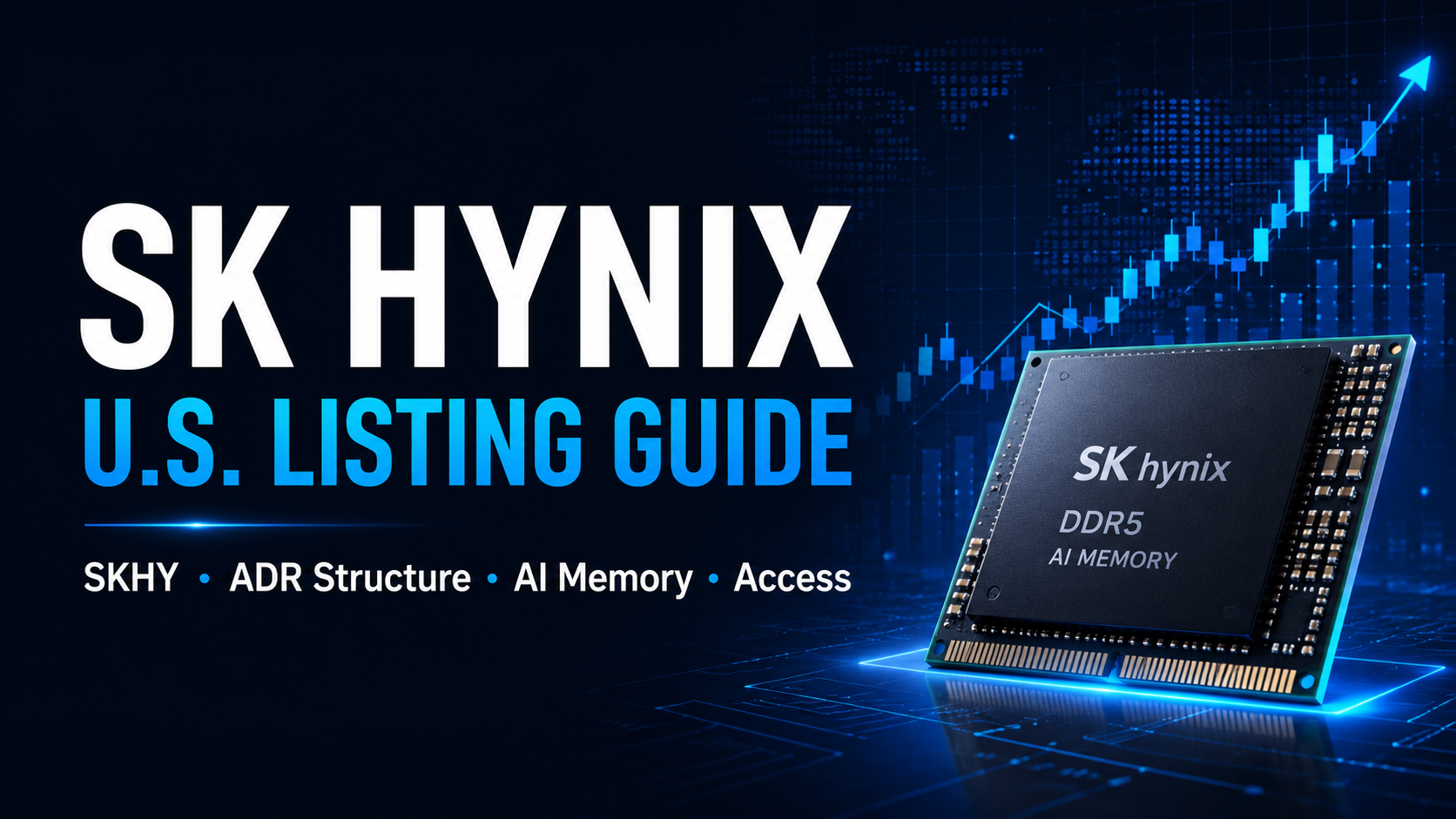
SK Hynix(SK海力士)美国上市指南:SKHY上市日期、ADR结构、AI内存投资与MEXC交易入口
SK Hynix(SK海力士)的美国市场首秀即将到来,这为全球投资者提供了一个全新的入口,让大家能更直接地布局这家AI内存供应链中的核心巨头。这家韩国半导体制造商已启动一项大规模的美国股票发售计划,预计将以 SKHY 为代码,通过美国存托凭证(ADR)的形式在纳斯达克挂牌上市。
据路透社报道,SK Hynix计划通过此次ADR发行筹集约43万亿韩元(约合280.7亿美元)的资金。公司计划发行1779万股新股,每10份ADR相当于1股普通股。最终定价预计将在7月9日敲定,随后预计于7月10日在纳斯达克迎来首日交易。
这次上市之所以备受瞩目,是因为SK Hynix绝不只是一家普通的“赴美上市外国公司”。它是全球领先的高带宽内存(HBM)供应商,而HBM正是目前驱动AI加速器和现代数据中心运转的最核心命脉。这次在美国开通交易入口,不仅能扩大SK Hynix的投资者群体,让美国机构买卖起来更方便,更是为了测试市场是否愿意为这家“AI内存一哥”给出更高的估值(即流动性溢价)。
但与此同时,投资者也不能把这次上市当成闭着眼赚钱的“送分题”。此次发行包含新发行的股票,且正好赶在AI内存板块经历了一轮大涨之后;更重要的是,目前市场正高度警惕半导体行业的巨额资本支出(Capex)、产能盲目扩张以及未来周期可能见顶的风险。
2026/07/08
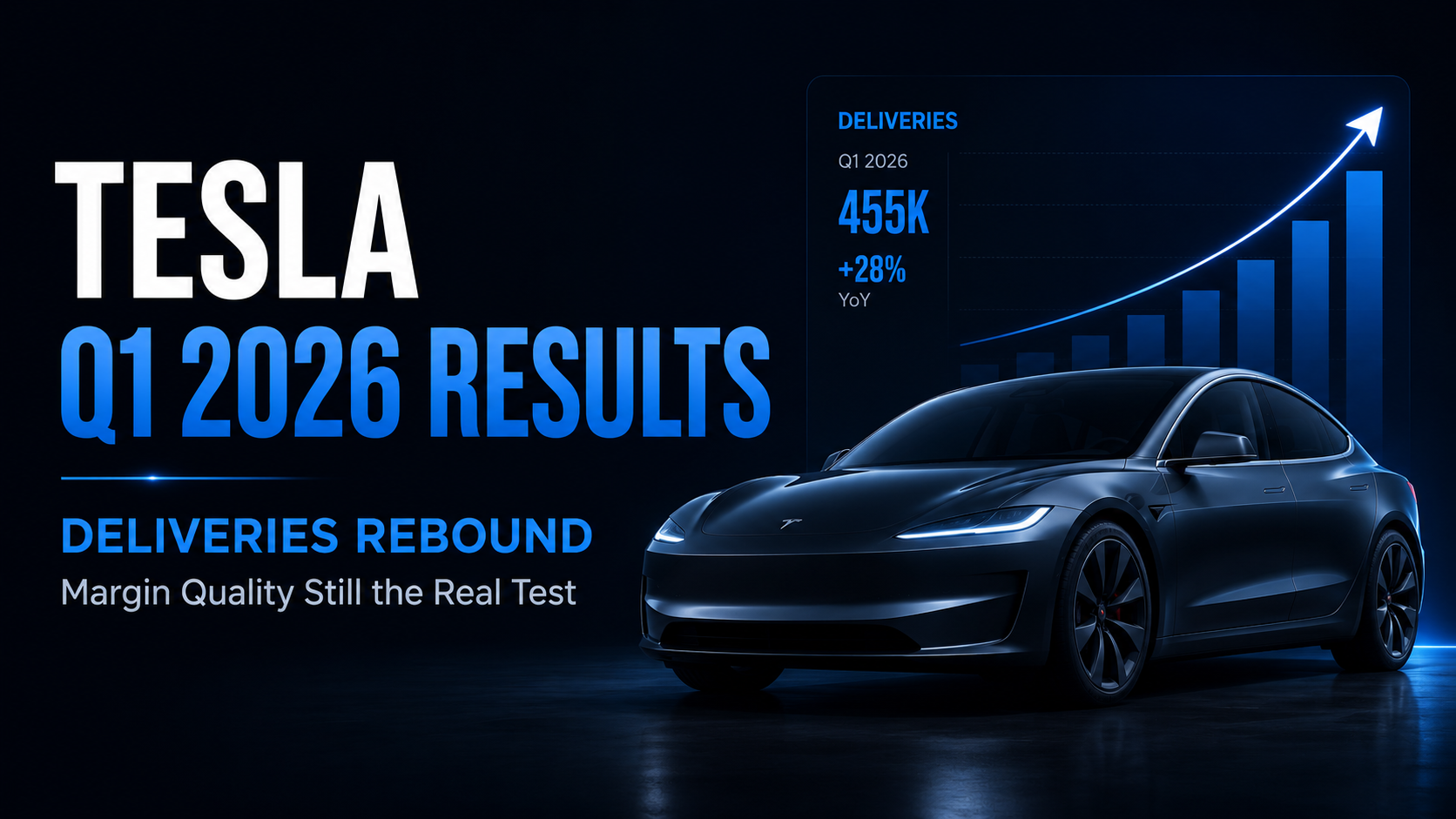
特斯拉2026年第一季度财报回顾:交付量反弹,但利润率质量仍是真正的考验
特斯拉于2026年4月22日美国股市收盘后公布了其2026年第一季度的财务业绩。该公司本季度交付了358,023辆汽车,创造了224亿美元的总营收,并报告归属于普通股股东的GAAP净利润为4.77亿美元。总GAAP毛利率提升至21.1%,而营业利润率达到4.2%。
核心信号不仅在于特斯拉的交付量从去年同期的疲软基数中恢复。更重要的问题是:更高的交付量、FSD相关营收、更低的单车成本以及改善的汽车毛利率,能否重建市场对特斯拉盈利能力的信心。对于寻找下一次TSLA财报日期或关注特斯拉财报的投资者来说,第一季度的表现为第二季度设立了一个关键考验:即销量的增长能否可持续地转化为更高质量的收益。
2026/07/09
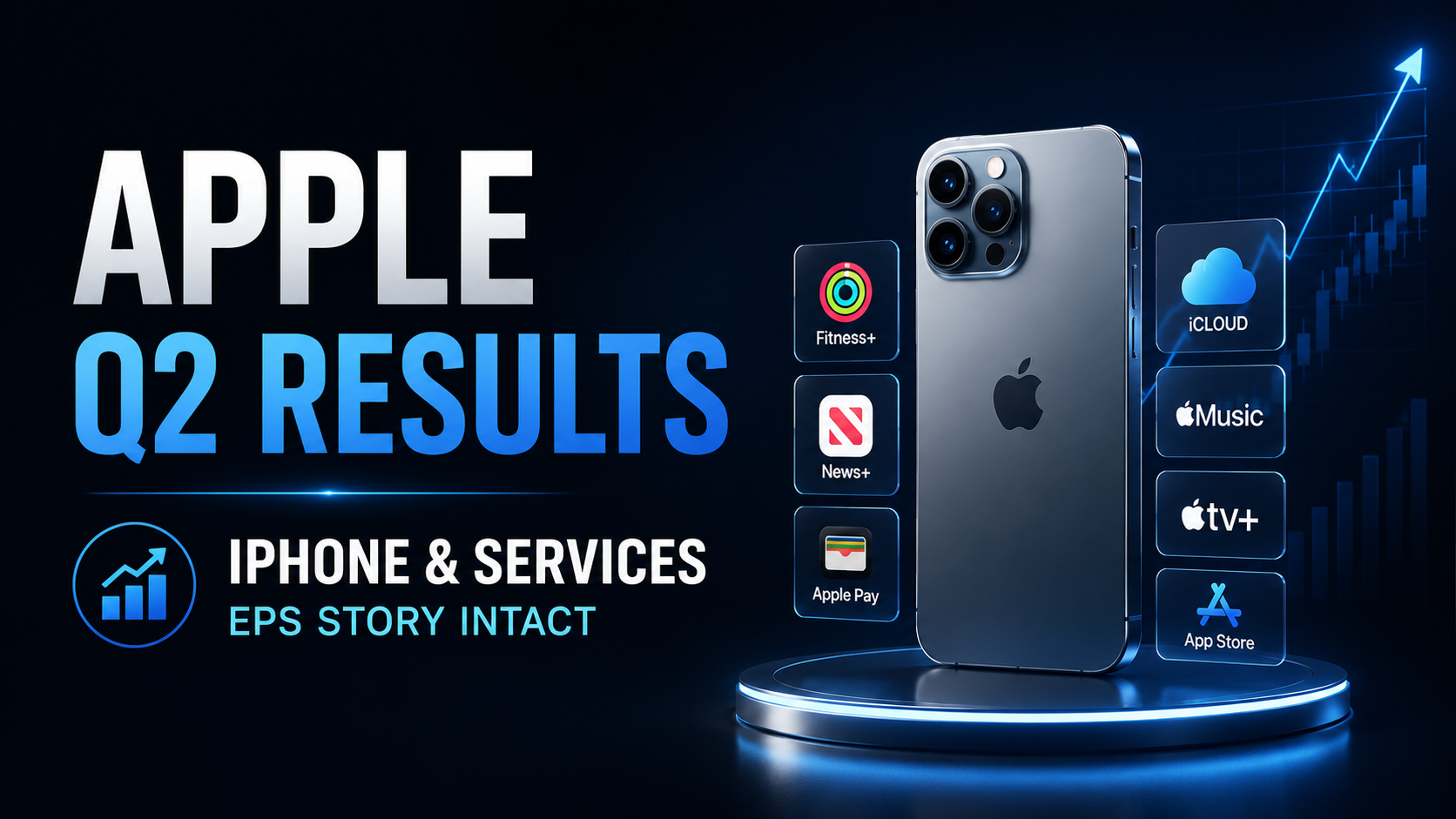
苹果 2026 财年第二季度财报回顾:iPhone 营收与服务业务增长维持 EPS 预期
苹果于 2026 年 4 月 30 日发布了 2026 财年第二季度财报,涵盖截至 2026 年 3 月 28 日的季度。总营收达到 1112 亿美元,同比增长 17%,摊薄后每股收益(EPS)增长 22% 至 2.01 美元。苹果表示,该季度创下了公司 3 月份季度的总营收、iPhone 营收和 EPS 纪录,同时服务业务营收也创下历史新高。
这不仅仅是一份常规的硬件周期财报。苹果第二季度的业绩证明,iPhone 需求、服务业务增长以及积极的资本回报计划仍在共同支撑着该公司强大的 EPS 增长故事。对于寻找下一个苹果财报或 AAPL 财报更新的投资者而言,未来的关键问题是,在市场等待更强劲的 AI 和产品周期催化剂之际,苹果能否维持其溢价估值。
2026/07/09


热门
目前热门备受市场关注的加密货币
加密货币价格
按交易量计算交易量最大的加密货币