

Key TakeawaysOn Sunday, September 6, 2026, self described whitehat hackers withdrew about 4,000 Bitcoin (BTC), worth roughly $320 million, from the federation wallet backing Blockstream's Liquid NetwoKey TakeawaysOn Sunday, September 6, 2026, self described whitehat hackers withdrew about 4,000 Bitcoin (BTC), worth roughly $320 million, from the federation wallet backing Blockstream's Liquid Netwo
Liquid Network Hack Explained: $320 Million in Bitcoin Drained, 85% Returned, and the $47 Million Question

作者:OoJae
分享
Key Takeaways
On Sunday, September 6, 2026, self described whitehat hackers withdrew about 4,000 Bitcoin (BTC), worth roughly $320 million, from the federation wallet backing Blockstream's Liquid Network, about 95% of the sidechain's reserves of around 4,200 BTC.
The attackers exploited a bug in Elements, the open source software underlying Liquid, to create L-BTC that was not backed by real Bitcoin, then pegged it out through SideSwap's peg out authorization path. Blockstream says the key itself was not compromised and no other Liquid assets were affected.
The negotiation happened entirely on the Bitcoin blockchain: the group wrote "we are whitehats. contact us on chain" into a transaction, demanded every bridge node be patched first, and Blockstream answered with PGP signed messages confirming the fix.
On Monday, September 7, the group returned exactly 3,400 BTC, about $268 million, and kept 598.5 BTC worth roughly $47 million, an apparent self awarded bounty that Blockstream is still negotiating over.
Liquid remains paused with a chain split to unwind, bridge nodes disabled and L-BTC deposits and withdrawals halted at exchanges. Bitcoin held on the main chain is unaffected, and BTC barely reacted, trading near $78,500.
What Liquid Is and Why the Peg Matters
Liquid Network is a Bitcoin sidechain launched by Blockstream in 2018 and operated by a federation of exchanges and institutions. Users lock BTC on the main chain and receive L-BTC on Liquid, where transactions settle in about a minute with confidential amounts, which is why it became a preferred settlement rail between trading venues and a home for assets such as Tether's USDT. The entire system rests on a promise: every L-BTC in circulation is backed one to one by real Bitcoin held in the federation wallet, and a peg out destroys L-BTC on the sidechain while releasing the matching BTC on the main chain.
That promise is what broke on Sunday. Blockstream's incident notice said hackers claiming to be whitehats took about 4,000 BTC from the federation wallet, roughly 95% of reserves that stood near 4,200 BTC beforehand. The coins left through SideSwap's peg out authorization key, one of the keys that can release funds, though Blockstream stressed that the key was not compromised and neither were any others. The root cause, according to SideSwap and subsequent analysis, was a bug in Elements, the blockchain software powering Liquid, that allowed the creation of L-BTC without backing. In effect, the attackers minted counterfeit sidechain Bitcoin and redeemed it for the real thing.
A Negotiation Written Into the Blockchain
What followed was unlike any security disclosure in the industry's history. Rather than emails or a bug bounty portal, the actors communicated through messages embedded in Bitcoin transactions using OP_RETURN. One of the earliest read "we are whitehats. contact us on chain." At Bitcoin block 965,875 they stated they would return the funds, but only after the vulnerability was fixed and the patch applied to every relevant node, a condition Blockstream acknowledged in a PGP signed message of its own. Blockstream then confirmed all bridge nodes had been patched and the funds were safe to send back.
The return came on Monday, September 7. A transaction confirmed at 15:31 UTC sent the federation address 1,000 satoshis along with a PGP encrypted message whose contents remain private. Thirty eight minutes later, in block 965,950, exactly 3,400 BTC arrived back in the federation wallet, worth about $268 million at prevailing prices. The remaining 598.5 BTC, roughly $47 million and about 15% of the haul, stayed with the actors. Samson Mow, the JAN3 chief executive and former Blockstream strategy chief who has been posting updates on the incident, said Blockstream continues to engage with the group over the balance. Whether that sum is a demanded bounty, a unilateral fee, or something still to be returned has not been made public.
Whitehats, or Something Else?
The label is contested. Liquid itself has carefully referred to "purported" whitehats, and Ledger's chief technology officer Charles Guillemet questioned the take first and negotiate later approach, before allowing that the actors could be inexperienced researchers rather than criminals. Genuine whitehat disclosure normally involves reporting a flaw privately and being rewarded after a fix, not draining 95% of a system's reserves and setting terms in public. The counterargument is pragmatic: the group demonstrated the bug, forced a rapid patch, returned the overwhelming majority of the funds, and never attempted to launder anything. The crypto industry has seen this ambiguous middle ground before, and the $47 million now sitting outside Blockstream's control will decide which reading history settles on.
What Is Still Broken
The return eased the collateral crisis but did not end it. Liquid remains paused, bridge nodes are disabled, and L-BTC deposits and withdrawals at centralized exchanges are halted. During the pause a chain split emerged that operators must resolve before a coordinated restart, and the federation has to demonstrate that L-BTC is once again fully backed, either by recovering the outstanding coins, funding the shortfall, or documenting a plan for it. Blockstream says updated software has been deployed and federation members are preparing the restart. Until an official statement confirms peg ins and peg outs have resumed, the peg is operating under supervision rather than restored.
Notably, the Bitcoin price barely flinched, holding near $78,500 through the episode. The market appears to have drawn the right distinction: this was a failure in a federated sidechain's software, not in Bitcoin, and main chain BTC was never at risk. It does, however, land in a bruising year for security following the Coldcard firmware exploit and the Trezor and SafePal data leak
What It Means for Traders on MEXC
For most holders the practical impact is zero. Bitcoin on the main chain, including balances held on MEXC, is unaffected; only L-BTC on the paused sidechain is frozen, and anyone with funds there simply has to wait for the restart. The incident is a reminder that wrapped and pegged versions of Bitcoin carry their own trust assumptions, from federations to bridge software, that native BTC does not. Traders can follow the market on BTC/USDT as the restart news develops.
Disclaimer: This content is for educational and reference purposes only and does not constitute any investment advice. Digital asset investments carry high risk. Please evaluate carefully and assume full responsibility for your own decisions.
市场机遇
4实时价格 (4)
--
----
USD
4 (4) 实时价格图表
本页面分享的文章均源自公开平台,仅供参考。该内容不代表 MEXC 的立场或观点。所有版权归 OoJae 所有。如果您认为任何内容侵犯了第三方的权益,请联系 [email protected] 以便及时删除。 MEXC 不保证任何内容的准确性、完整性或及时性,且不对基于所提供信息而采取的任何行动负责。本内容不构成财务、法律或其他专业建议,亦不应被解释为 MEXC 的推荐或认可。如需专家见解和深入分析,请造访 MEXC 学院。
4 最新动态
查看更多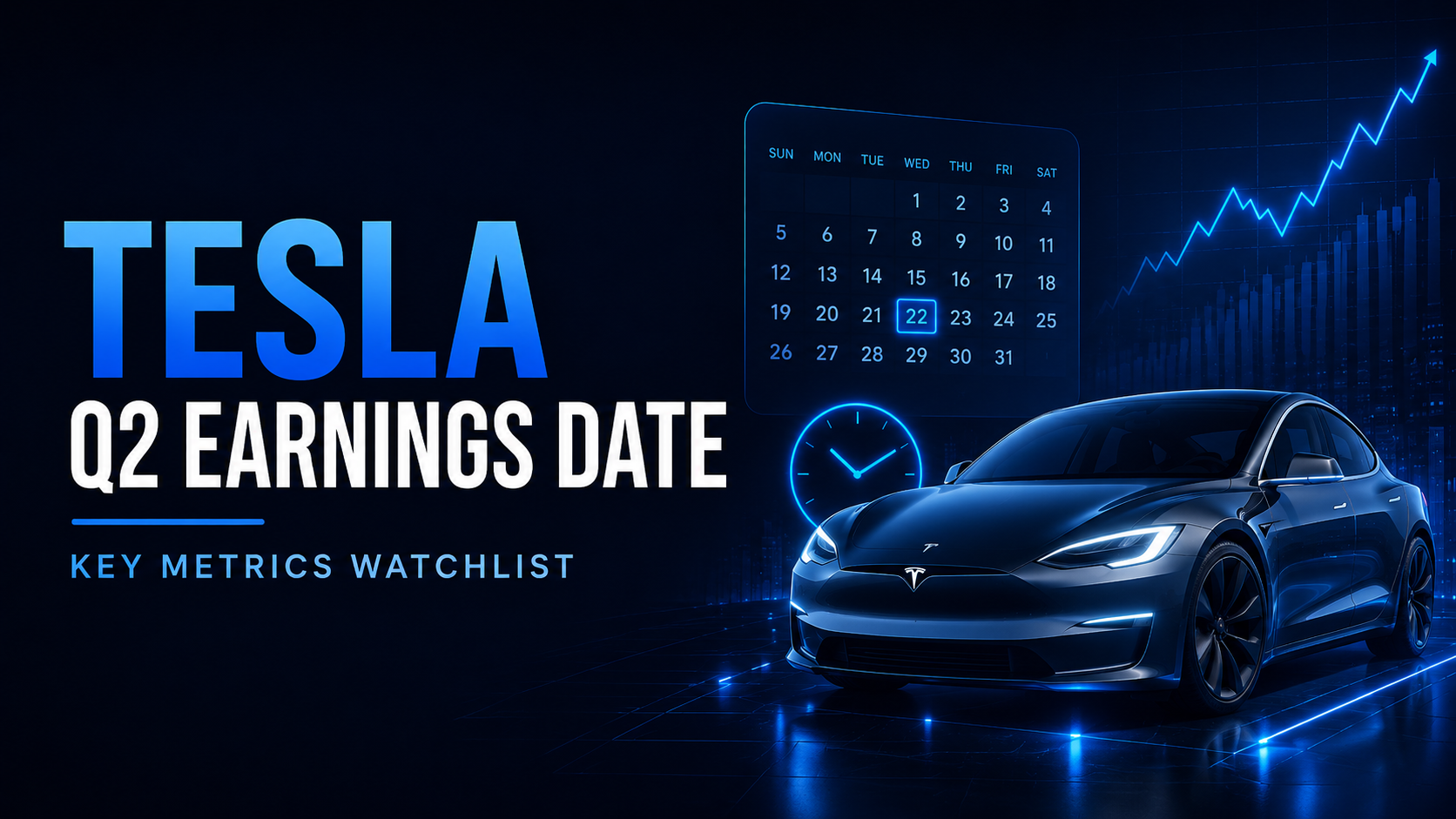
特斯拉2026年第二季度财报日期:发布时间、网络直播及关键指标
特斯拉2026年第二季度财报定于2026年7月22日(星期三)美国股市收盘后发布,管理层计划于美国中部时间下午4:30 / 东部时间下午5:30主持实时Q&A网络直播。第二季度的更新和网络直播将通过特斯拉的投资者关系网站提供,并在电话会议后提供存档重播。
这不仅仅是另一个普通的特斯拉财报日。特斯拉已经报告了超预期的交付季度:在2026年第二季度,公司生产了451,758辆汽车,交付了480,126辆汽车,并部署了13.5 GWh的储能产品。
对于交易员来说,关键问题不再是特斯拉是否交付了更多汽车,这部分已经是已知事实。真正的问题是,这些交付是否足够盈利,储能业务的增长是否能支撑特斯拉更宏大的愿景,以及管理层能否证明其在人工智能、自动驾驶和Robotaxi(无人驾驶出租车)领域的投资正从“叙事”走向可衡量的业务进展。
2026/07/06
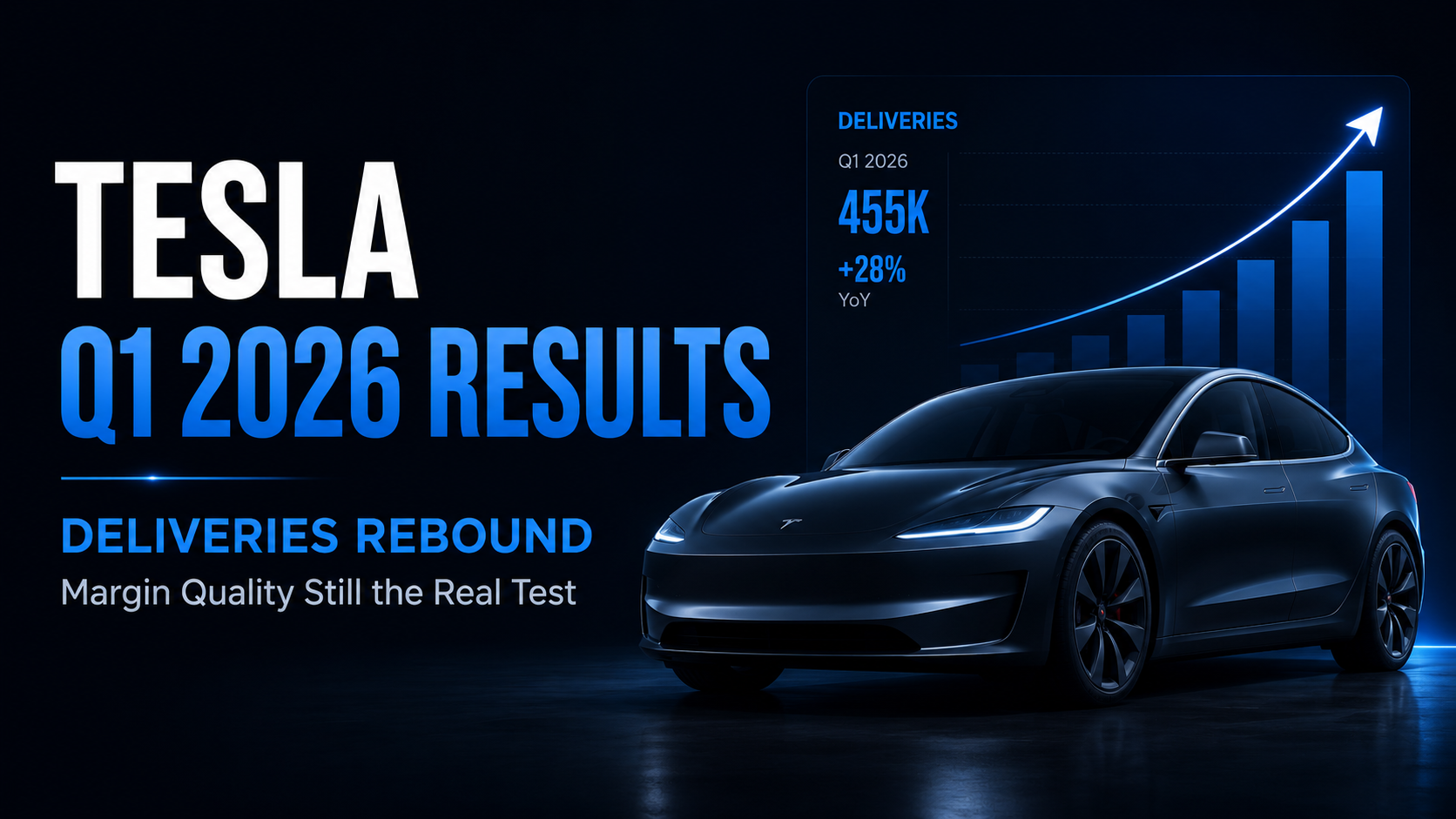
特斯拉2026年第一季度财报回顾:交付量反弹,但利润率质量仍是真正的考验
特斯拉于2026年4月22日美国股市收盘后公布了其2026年第一季度的财务业绩。该公司本季度交付了358,023辆汽车,创造了224亿美元的总营收,并报告归属于普通股股东的GAAP净利润为4.77亿美元。总GAAP毛利率提升至21.1%,而营业利润率达到4.2%。
核心信号不仅在于特斯拉的交付量从去年同期的疲软基数中恢复。更重要的问题是:更高的交付量、FSD相关营收、更低的单车成本以及改善的汽车毛利率,能否重建市场对特斯拉盈利能力的信心。对于寻找下一次TSLA财报日期或关注特斯拉财报的投资者来说,第一季度的表现为第二季度设立了一个关键考验:即销量的增长能否可持续地转化为更高质量的收益。
2026/07/09
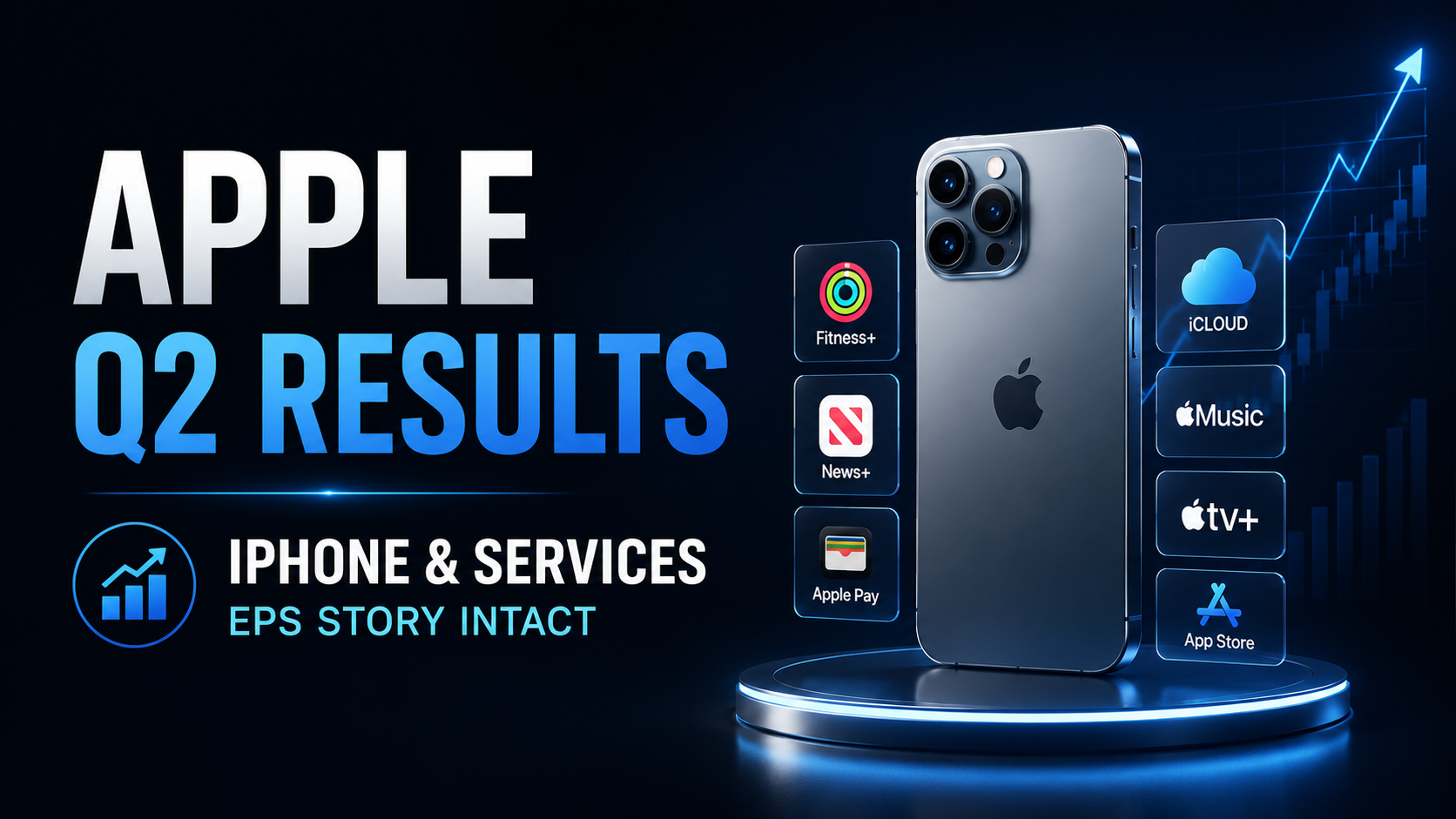
苹果 2026 财年第二季度财报回顾:iPhone 营收与服务业务增长维持 EPS 预期
苹果于 2026 年 4 月 30 日发布了 2026 财年第二季度财报,涵盖截至 2026 年 3 月 28 日的季度。总营收达到 1112 亿美元,同比增长 17%,摊薄后每股收益(EPS)增长 22% 至 2.01 美元。苹果表示,该季度创下了公司 3 月份季度的总营收、iPhone 营收和 EPS 纪录,同时服务业务营收也创下历史新高。
这不仅仅是一份常规的硬件周期财报。苹果第二季度的业绩证明,iPhone 需求、服务业务增长以及积极的资本回报计划仍在共同支撑着该公司强大的 EPS 增长故事。对于寻找下一个苹果财报或 AAPL 财报更新的投资者而言,未来的关键问题是,在市场等待更强劲的 AI 和产品周期催化剂之际,苹果能否维持其溢价估值。
2026/07/09


热门
目前热门备受市场关注的加密货币
加密货币价格
按交易量计算交易量最大的加密货币