

Micron Technology (MU) hit a $1 trillion market cap for the first time on May 26, 2026, after UBS tripled its price target to $1,625. The rally was fueled by insatiable AI demand for memory chips, lonMicron Technology (MU) hit a $1 trillion market cap for the first time on May 26, 2026, after UBS tripled its price target to $1,625. The rally was fueled by insatiable AI demand for memory chips, lon
Micron Stock Surges 19% to $1 Trillion Market Cap — What's Driving the AI Memory Chip Boom?

作者:MEXC
分享
Micron Technology (MU) hit a $1 trillion market cap for the first time on May 26, 2026, after UBS tripled its price target to $1,625. The rally was fueled by insatiable AI demand for memory chips, long-term hyperscaler supply agreements, and a Samsung labor crisis tightening global supply. Here's what the data tells us about the structural forces behind this historic move.
Overview: Micron Joins the Trillion-Dollar Club
May 26, 2026 marked a watershed moment for the memory semiconductor industry. Micron Technology's stock surged 19.3% in a single session, closing at $895.88, and briefly crossing the $1 trillion market capitalization threshold — a milestone previously reserved for the likes of Apple, Microsoft, Nvidia, and a handful of other tech giants.
This is not a story about speculative momentum. It is a story about a fundamental re-rating of the memory chip industry, driven by structural changes in how artificial intelligence infrastructure consumes memory at scale. Micron's stock has now risen over 160% year-to-date and more than 700% over the past 12 months, transforming what was once considered a cyclical commodity business into one of the most valuable semiconductor companies on Earth.
Key Takeaways
- Micron (MU) surged 19.3% on May 26, hitting a $1 trillion market cap for the first time; the stock closed at $895.88
- UBS analyst Timothy Arcuri tripled his price target from $535 to $1,625 — the highest on Wall Street — projecting EPS above $100 through 2029
- Long-term supply agreements with hyperscalers now cover up to 30% of industry DDR volumes, providing unprecedented earnings visibility
- Micron posted Q2 FY2026 revenue of $23.86 billion (nearly 3x YoY) with guidance for Q3 at $33.5 billion and 81% gross margin
- HBM4 volume production began in Q1 2026, designed for NVIDIA's Vera Rubin platform; all HBM output is sold out through 2027
- Samsung's 45,000-worker labor strike threatens 4% of global DRAM supply, further tightening pricing
- President Trump included Micron CEO Sanjay Mehrotra in the U.S. delegation to China and publicly praised the company's domestic investment
What Is Micron Technology? The AI Memory Chip Giant Explained
Micron Technology (NASDAQ: MU), founded in 1978 and headquartered in Boise, Idaho, is one of the world's three major memory semiconductor manufacturers alongside Samsung Electronics and SK Hynix. The company designs and manufactures three core product categories:
| Product | Function | Key Applications |
DRAM | Dynamic random-access memory for active computing | Data centers, servers, PCs, smartphones |
NAND Flash | Non-volatile storage memory | SSDs, enterprise storage, consumer devices |
HBM (High Bandwidth Memory) | Stacked memory directly integrated with AI accelerators | AI GPUs (NVIDIA, AMD), data center AI training |
The critical shift in Micron's business model centers on HBM. High Bandwidth Memory is physically stacked on top of AI processors, providing the massive data throughput that large language models and generative AI workloads require. As industry analysts note, HBM has become "as essential to an AI chip as the silicon itself."
Micron began volume shipment of HBM4 36GB 12-high stacks in Q1 2026, designed specifically for NVIDIA's next-generation Vera Rubin platform. This positions Micron alongside SK Hynix as a primary supplier for the world's most advanced AI infrastructure.
Why Did Micron Stock Surge 19%? The Four Catalysts Behind the Rally
UBS Triples Price Target to $1,625 — The Most Bullish Call on Wall Street
The immediate trigger for the rally was a research note from UBS analyst Timothy Arcuri, who more than tripled his 12-month price target from $535 to $1,625 while reiterating a Buy rating. This represents the highest target on Wall Street by a significant margin — the next closest analysts are tied at $1,100.
Arcuri's thesis rests on a structural argument: long-term supply agreements are now firmly in place across the memory industry, with up to 30% of DDR volumes locked in at pricing slightly below current levels. These agreements provide earnings visibility that the memory industry has never previously enjoyed, effectively breaking the boom-bust cycle that historically suppressed Micron's valuation multiple.
The analyst projects Micron's earnings per share will exceed $100 through at least 2029, driven by hyperscaler demand for AI memory. At that earnings trajectory, UBS envisions Micron approaching a $2 trillion valuation within the next 12–18 months.
AI-Driven Global Memory Shortage Fuels Micron's Pricing Power
The fundamental driver behind Micron's re-rating is the explosive growth in AI infrastructure spending. Every major AI training cluster and inference deployment requires enormous quantities of high-bandwidth memory. According to CNBC's reporting, the AI revolution has created a global memory shortage that chipmakers are struggling to fill, allowing Micron and its peers to raise prices significantly.
Micron's financial results reflect this demand surge. In its fiscal Q2 2026, the company posted revenue of $23.86 billion — nearly triple the $8 billion recorded a year earlier. Management guided for Q3 revenue of $33.5 billion with gross margins approaching 81%, numbers that would have been unthinkable for a memory company just two years ago.
Samsung Labor Crisis Tightens Global Memory Supply
A 45,000-worker labor strike at Samsung Electronics' memory chip fabrication facilities has added significant supply-side pressure. Samsung's largest labor union entered a protracted dispute over wages and performance bonuses, threatening approximately 4% of global DRAM production capacity.
The timing is particularly significant. With Micron's HBM output already sold out through 2027 and industry-wide supply already constrained, any disruption at Samsung further strengthens Micron's pricing power. As one analyst noted, "even if labor negotiations conclude successfully, memory prices are unlikely to give up gains."
Presidential Endorsement and Geopolitical Positioning
President Trump publicly praised Micron at a rally on May 22, describing the company as "great" and highlighting its "hundreds of billions" in U.S. investment. More significantly, Micron CEO Sanjay Mehrotra was included in the U.S. presidential delegation to China, joining executives from Apple, Tesla, and other major corporations for the Trump-Xi summit.
This political visibility signals that Micron occupies a strategically important position in U.S. semiconductor policy. The company is currently executing a massive domestic manufacturing expansion in Idaho and New York, supported by CHIPS Act funding, which aligns with the administration's reshoring priorities.
Micron Financial Performance: Revenue Triples as AI Memory Demand Explodes
| Metric | Q2 FY2026 | Q2 FY2025 | Change |
Revenue | $23.86B | ~$8B | +196% YoY |
Gross Margin | ~75% | ~28% | +47pp |
Q3 Revenue Guidance | $33.5B | — | — |
Q3 Gross Margin Guidance | ~81% | — | — |
Basic EPS (TTM) | $21.44 | — | — |
Market Cap | $1T+ | ~$120B | +700%+ |
YTD Stock Return | 1.62 | — | — |
12-Month Return | 7.04 | — | — |
The margin expansion is particularly striking. Memory chips were historically a low-margin, cyclical business. Micron's path to 81% gross margins reflects the structural premium that AI workloads command — HBM products carry significantly higher margins than commodity DRAM, and long-term agreements eliminate the pricing volatility that previously compressed earnings.
What This Means for the Memory Chip Industry
The combined data points to a structural shift in how the market values memory semiconductors — not a temporary cyclical uptick.
Three observations stand out:
First, the long-term agreement model is transformative. By locking in 30% of DDR volumes at stable pricing, hyperscalers like Microsoft, Google, and Meta are effectively guaranteeing Micron's revenue floor for years ahead. This eliminates the cyclical risk that historically justified a low P/E multiple for memory stocks.
Second, the HBM supply deficit is structural, not temporary. With AI model sizes doubling roughly every 6–9 months and data center buildouts accelerating globally, memory demand is growing faster than the industry can add fabrication capacity. Micron's HBM4 being sold out through 2027 is not a one-quarter phenomenon — it reflects multi-year demand visibility.
Third, the competitive landscape favors incumbents. Only three companies globally can manufacture advanced memory at scale: Samsung, SK Hynix, and Micron. With Samsung facing labor disruptions and all three operating at capacity, there is no near-term supply relief. This oligopoly structure, combined with surging demand, creates pricing power that the industry has rarely enjoyed.
Exclusive Analysis About MU
The MEXC Crypto Pulse research team views Micron's trillion-dollar milestone as a signal with broader implications for digital asset markets, particularly for tokenized equity products and AI-adjacent crypto narratives.
The convergence of AI infrastructure spending and semiconductor supply constraints is creating investable themes that span both traditional equities and digital assets. Traders on platforms like MEXC can access exposure to these macro trends through multiple channels — from tokenized stock products tracking MU to AI-themed crypto assets that benefit from the same infrastructure buildout driving Micron's growth.
Notably, a Hyperliquid trader reportedly turned a $575 Micron entry into $6.2 million in floating profits using 3x leverage over just three weeks — illustrating how crypto-native trading infrastructure is increasingly being used to express views on traditional equity narratives.
The practical takeaway: the AI memory supercycle is creating opportunities across asset classes. Investors who understand the structural dynamics — supply constraints, long-term agreements, and exponential demand growth — are better positioned to identify entry points regardless of whether they trade equities, derivatives, or tokenized products.
Create Your Account and Start Exploring
Ready to trade MU and other AI-related assets? MEXC offers seamless access to tokenized stocks, AI-themed tokens, and derivatives products that let you participate in the AI infrastructure boom.
Sign up on MEXC today and explore MU trading opportunities with low fees and deep liquidity.
FAQ
Is Micron's $1 trillion valuation sustainable, or is this a bubble?
The valuation is supported by fundamentals that differ materially from previous memory cycles. With Q3 guidance at $33.5 billion in revenue and 81% gross margins, Micron is on pace for annualized revenue exceeding $130 billion. At a $1 trillion market cap, that implies a forward P/S ratio of roughly 7–8x, which is elevated for a hardware company but reasonable given the margin profile and growth trajectory. The key risk is whether AI spending sustains its current pace — if hyperscaler capex decelerates, memory pricing could soften.
How does Micron compare to Nvidia in the AI supply chain?
Nvidia designs the AI processors; Micron provides the memory those processors need to function. They are complementary rather than competitive. Every NVIDIA H200, B200, or Vera Rubin GPU requires multiple HBM stacks from either Micron or SK Hynix. As AI models grow larger, memory bandwidth becomes the primary bottleneck, which is why Micron's growth rate has actually outpaced Nvidia's over the past 12 months.
What are the main risks to Micron's stock at current levels?
Three primary risks: (1) a resolution of the Samsung labor dispute that brings supply back online faster than expected; (2) a slowdown in hyperscaler AI capex spending if macro conditions deteriorate; and (3) potential U.S.-China trade restrictions that could limit Micron's access to Chinese customers, who historically represented a meaningful portion of revenue. Investors should also note that at 700%+ gains over 12 months, any negative catalyst could trigger significant profit-taking.
Can individual investors trade Micron on MEXC?
Yes. MEXC provides access to MU through its tokenized stock products and related derivatives, allowing traders to gain exposure to Micron's price movements with the flexibility of crypto-native trading infrastructure — including extended hours, fractional positions, and leverage options. Visit MEXC's MU page for real-time pricing and trading access.
What would cause Micron stock to decline from here?
The most likely near-term catalyst for a pullback would be a broader risk-off event in equity markets — particularly if rate expectations shift hawkish. Micron's beta of 2.67 means it amplifies market moves in both directions. A Samsung strike resolution, weaker-than-expected Q3 earnings, or any signal that AI capex is peaking could also trigger selling. Long-term holders should be prepared for 20–30% drawdowns even within a structural bull trend.
Sources
市场机遇
Gensyn实时价格 (AI)
--
----
USD
Gensyn (AI) 实时价格图表
本页面分享的文章均源自公开平台,仅供参考。该内容不代表 MEXC 的立场或观点。所有版权归 MEXC 所有。如果您认为任何内容侵犯了第三方的权益,请联系 [email protected] 以便及时删除。 MEXC 不保证任何内容的准确性、完整性或及时性,且不对基于所提供信息而采取的任何行动负责。本内容不构成财务、法律或其他专业建议,亦不应被解释为 MEXC 的推荐或认可。如需专家见解和深入分析,请造访 MEXC 学院。
Gensyn 最新动态
查看更多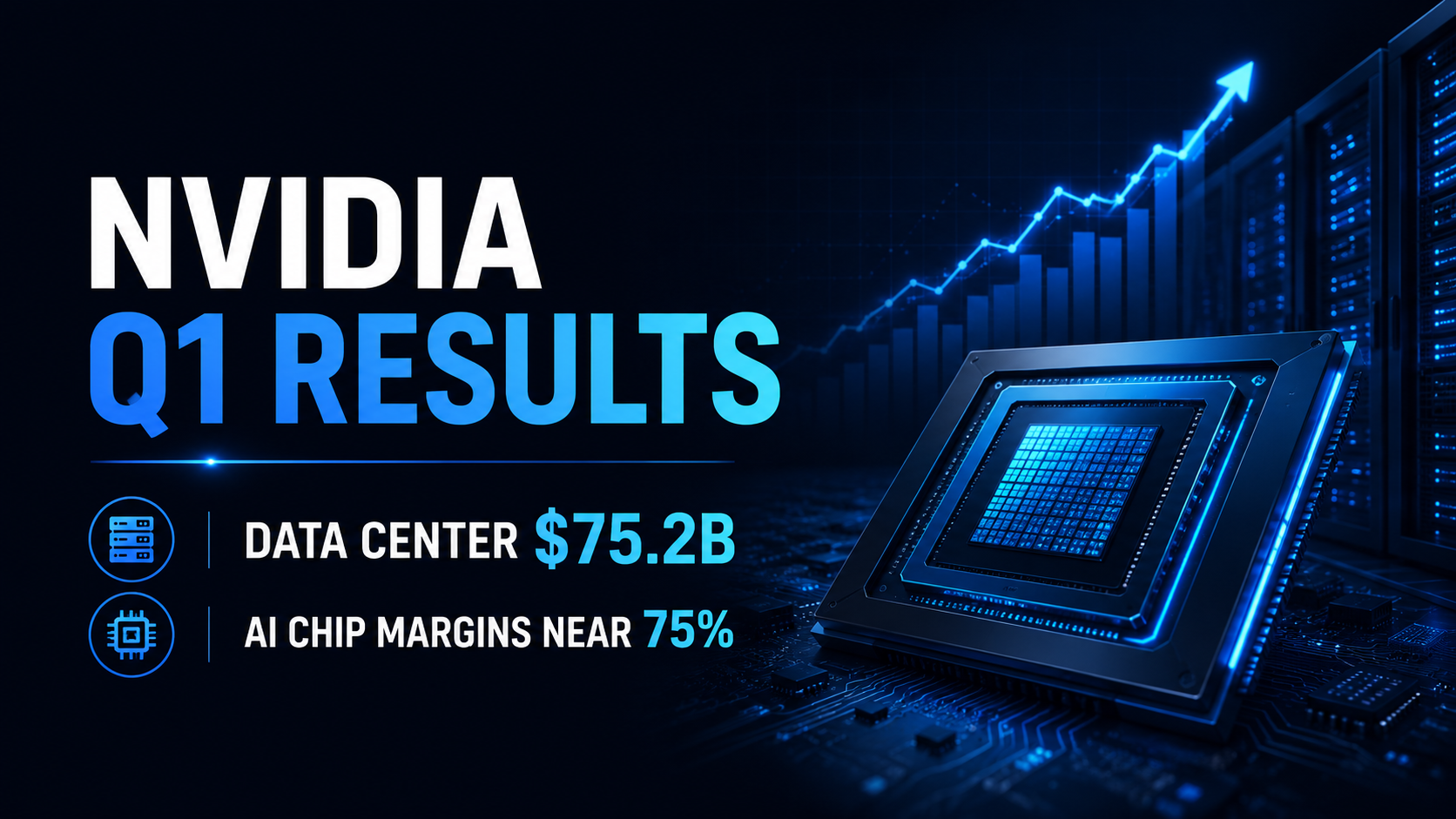
Nvidia FY2027 Q1 财报评析:数据中心营收达 752 亿美元,AI 芯片毛利率稳超 75%
为核心增长引擎的数据中心业务更是一马当先,斩获 752 亿美元营收,较去年同期暴增 92%。尽管面临产能大规模扩张的压力,Nvidia 的定价权依然稳如磐石,GAAP 和非 GAAP 毛利率分别保持在惊人的 74.9% 和 75.0%。
这不仅是一份强劲的财报,更向市场释放了一个清晰的信号:全球对 AI 的强劲需求正以极高的利润率加速转化为真金白银。对于密切关注这一赛道并寻找 Nvidia 最新财报动向的投资者而言,第一季度的强劲表现为接下来的第二季度设定了极高的基准,市场也将继续考验其 AI 基础设施在面对供应链扩产压力及地缘政治溢价时,能否继续保持如此恐怖的扩张步伐。
2026/07/09
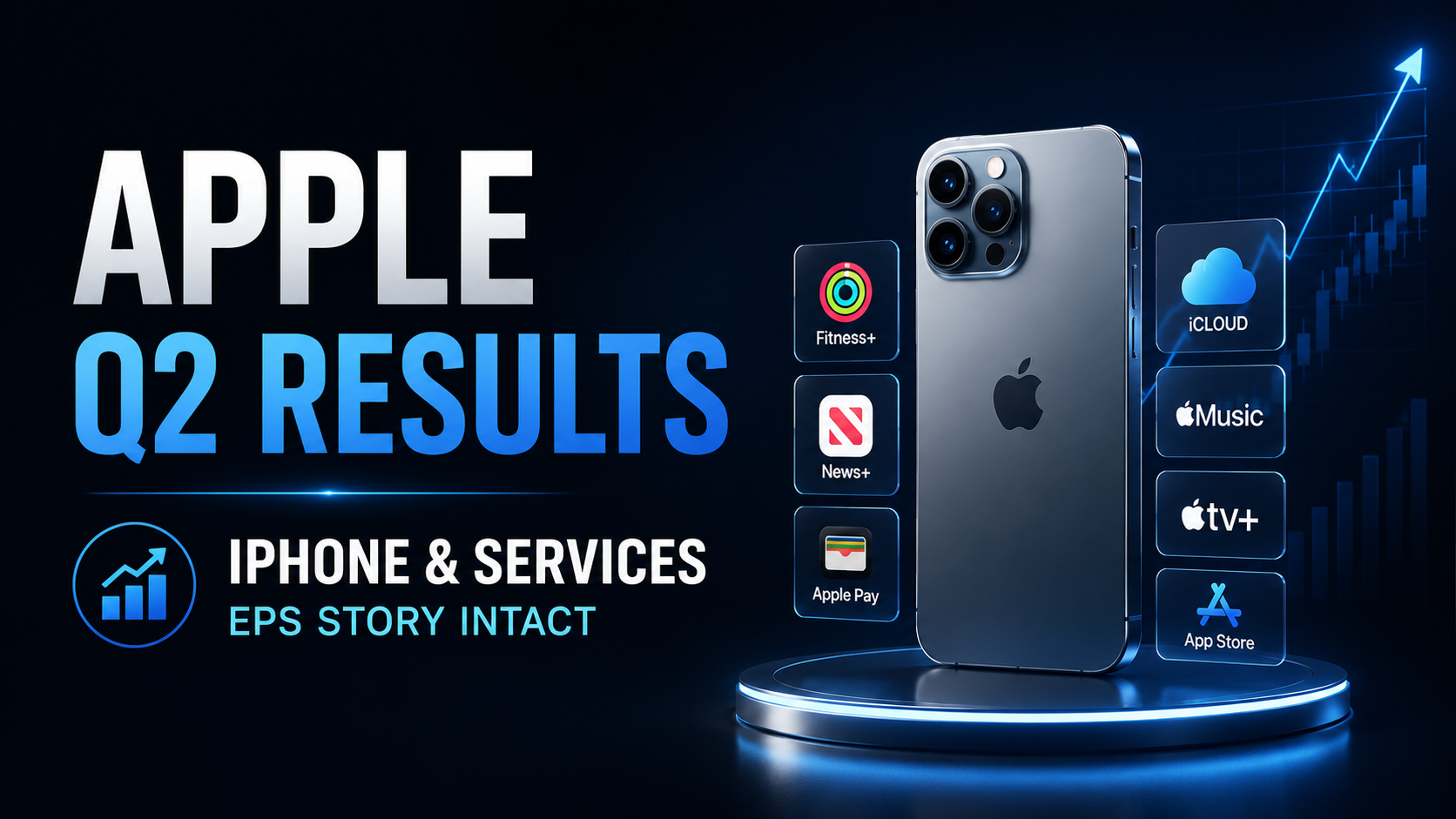
苹果 2026 财年第二季度财报回顾:iPhone 营收与服务业务增长维持 EPS 预期
苹果于 2026 年 4 月 30 日发布了 2026 财年第二季度财报,涵盖截至 2026 年 3 月 28 日的季度。总营收达到 1112 亿美元,同比增长 17%,摊薄后每股收益(EPS)增长 22% 至 2.01 美元。苹果表示,该季度创下了公司 3 月份季度的总营收、iPhone 营收和 EPS 纪录,同时服务业务营收也创下历史新高。
这不仅仅是一份常规的硬件周期财报。苹果第二季度的业绩证明,iPhone 需求、服务业务增长以及积极的资本回报计划仍在共同支撑着该公司强大的 EPS 增长故事。对于寻找下一个苹果财报或 AAPL 财报更新的投资者而言,未来的关键问题是,在市场等待更强劲的 AI 和产品周期催化剂之际,苹果能否维持其溢价估值。
2026/07/09

MEXC 链上观察日报:Robinhood Chain单日DEX交易量突破5.6亿美元
2026/07/10
热门
目前热门备受市场关注的加密货币
加密货币价格
按交易量计算交易量最大的加密货币