

MoneyGram has officially become a validator on the Solana network, marking a new milestone in the blockchain strategy of one of the world's largest money transfer companies. The move comes just weeks MoneyGram has officially become a validator on the Solana network, marking a new milestone in the blockchain strategy of one of the world's largest money transfer companies. The move comes just weeks
MoneyGram Becomes a Solana Validator When Traditional Remittance Companies Start Building Blockchain Infrastructure

MoneyGram has officially become a validator on the Solana network, marking a new milestone in the blockchain strategy of one of the world's largest money transfer companies. The move comes just weeks after MoneyGram launched its own stablecoin, MGUSD, signaling that the company is no longer merely using blockchain as a payment tool but is now directly participating in the infrastructure that powers the network.
This development reflects a broader trend across the financial industry: traditional remittance companies are increasingly integrating stablecoins and blockchain into their core business models. As the global stablecoin market continues to expand, MoneyGram's decision to become a Solana validator could signal that the remittance industry is entering its most significant transformation since the rise of the Internet.
Key Takeaways
- MoneyGram has officially become a validator on the Solana network.
- The company will directly validate transactions and stake SOL tokens.
- The move follows the launch of MoneyGram's stablecoin, MGUSD.
- It represents the next phase of the company's blockchain strategy, which has been developing for more than five years.
- Stablecoins are becoming a core technology within the global remittance industry.
- Traditional financial companies are increasingly participating in blockchain infrastructure rather than simply relying on third-party services.
What Is MoneyGram Doing on Solana?
For many years, MoneyGram was primarily known as an international money transfer company.
However, with its new role on Solana, the company is no longer just a blockchain user—it has become part of the network itself.
As a validator, MoneyGram will:
- Validate transactions on Solana.
- Participate in block production.
- Help maintain network operations.
- Stake SOL tokens to support the Proof-of-Stake consensus mechanism.
This allows the company to participate directly in blockchain operations rather than simply building services on top of blockchain technology.
The move is significant because it demonstrates that blockchain is becoming part of MoneyGram's core technology infrastructure rather than remaining an experimental tool.
What Is a Validator and Why Does It Matter?
Validators are network nodes responsible for confirming transactions and maintaining blockchain integrity.
On Solana, validators play several critical roles:
- Verifying transaction validity.
- Processing network data.
- Participating in the Proof-of-Stake consensus process.
- Helping ensure network security and stability.
Traditionally, validators are typically:
- Blockchain infrastructure providers.
- Crypto investment firms.
- Technology companies.
- Community participants.
It is relatively uncommon for a traditional remittance company like MoneyGram to join this group.
This highlights how blockchain is increasingly attracting major financial institutions at the infrastructure level rather than merely as end users.
From Remittance Services to Blockchain Infrastructure
This latest development is not an isolated event.
Over the past five years, MoneyGram has steadily expanded its involvement in digital assets.
Phase One: Blockchain Experimentation
Initially, the company focused on identifying solutions that could reduce the cost of international money transfers.
Blockchain was viewed as a technology capable of:
- Reducing settlement times.
- Lowering intermediary costs.
- Improving transaction efficiency.
Phase Two: Stablecoin Integration
MoneyGram later expanded into stablecoin-related products and services.
Stablecoins offer several advantages:
- Instant value transfer.
- Continuous 24/7 operation.
- More efficient cross-border payments.
Phase Three: Blockchain Infrastructure Participation
Becoming a Solana validator demonstrates that the company is entering a new phase.
Rather than simply building services on blockchain networks, MoneyGram is now directly participating in network operations.
MGUSD and MoneyGram's Stablecoin Strategy
Another important component of this strategy is MGUSD.
MGUSD is a stablecoin developed by MoneyGram to support the company's global payment network.
The combination of:
- A proprietary stablecoin.
- Blockchain infrastructure participation.
- A global remittance network.
could create a significant competitive advantage for MoneyGram in the future.
Rather than relying entirely on third-party stablecoins such as USDC or USDT, the company is building its own payment ecosystem.
This approach may help:
- Improve control over payment flows.
- Reduce reliance on external providers.
- Enhance product integration.
- Optimize operational costs.
Why Are Stablecoins Becoming So Important for Remittances?
The international remittance industry has long faced several structural challenges.
Slow Settlement Times
Many cross-border payments still require hours or even days to settle.
High Costs
Transactions often pass through multiple intermediaries, increasing fees.
Limited Operating Hours
Traditional banking systems generally do not operate continuously.
Stablecoins address many of these issues.
Near-Instant Settlement
Blockchain networks can process transactions within seconds or minutes.
24/7 Availability
Transactions can occur at any time, including weekends and holidays.
Lower Costs
Many intermediaries can be eliminated from the payment process.
Global Scalability
Users across different countries can transact on the same infrastructure.
For these reasons, stablecoins are increasingly becoming the foundational technology of the modern remittance industry.
Why Did MoneyGram Choose Solana?
Solana has become one of the most widely used blockchains for payment applications.
Several factors make it attractive:
High Speed
The network can process thousands of transactions per second.
Low Fees
Transaction costs are significantly lower than on many competing blockchains.
Strong Stablecoin Ecosystem
Solana is attracting substantial activity involving USDC and other stablecoins.
Suitability for Large-Scale Payments
This is especially important for a global remittance company such as MoneyGram.
Direct participation in the network also allows the company to gain deeper insight into the infrastructure supporting its services.
What Does This Mean for the Crypto Market?
MoneyGram becoming a Solana validator carries implications far beyond a single company.
Broader Blockchain Adoption
More traditional businesses are directly participating in blockchain ecosystems.
Continued Stablecoin Expansion
Financial institutions increasingly view stablecoins as the future of payments infrastructure.
Blockchain Infrastructure as a Strategic Asset
Companies no longer want to be merely customers of blockchain networks—they want to help build and operate them.
Changing Competition in the Remittance Industry
Companies that adopt stablecoins and blockchain infrastructure early may gain substantial advantages in cost efficiency and transaction speed.
Conclusion
MoneyGram's decision to become a Solana validator is another sign that blockchain technology is becoming increasingly integrated into the traditional financial system. After years of experimentation and digital asset adoption, the company is now directly participating in blockchain infrastructure while simultaneously developing its own stablecoin to support its global payments network.
As stablecoins continue to emerge as a critical payment technology, MoneyGram's latest move suggests that the future of remittances may involve not only using blockchain but also directly building and operating blockchain networks that support global financial activity.
FAQ
What does it mean that MoneyGram became a Solana validator?
It means the company directly participates in transaction validation, operates a network node, and stakes SOL tokens on the Solana blockchain.
What is the role of a validator?
Validators confirm transactions, maintain network security, and help ensure that the blockchain operates reliably.
What is MGUSD?
MGUSD is a stablecoin developed by MoneyGram to support payment and remittance activities.
Why are stablecoins important for remittances?
Stablecoins enable faster payments, lower transaction costs, and 24/7 global operations.
What impact does this have on the crypto market?
The development demonstrates that traditional financial companies are becoming increasingly involved in blockchain infrastructure and stablecoins, helping accelerate mainstream adoption of digital asset technology.
Disclaimer: The information provided here is for informational purposes only and should not be considered financial, investment, legal, or professional advice. Always conduct your own research, consider your financial situation, and, if necessary, consult with a licensed professional before making any decisions.
市场机遇
4实时价格 (4)
--
----
USD
4 (4) 实时价格图表
本页面分享的文章均源自公开平台,仅供参考。该内容不代表 MEXC 的立场或观点。所有版权归 Nguyen Rin Hoang 所有。如果您认为任何内容侵犯了第三方的权益,请联系 [email protected] 以便及时删除。 MEXC 不保证任何内容的准确性、完整性或及时性,且不对基于所提供信息而采取的任何行动负责。本内容不构成财务、法律或其他专业建议,亦不应被解释为 MEXC 的推荐或认可。如需专家见解和深入分析,请造访 MEXC 学院。
4 最新动态
查看更多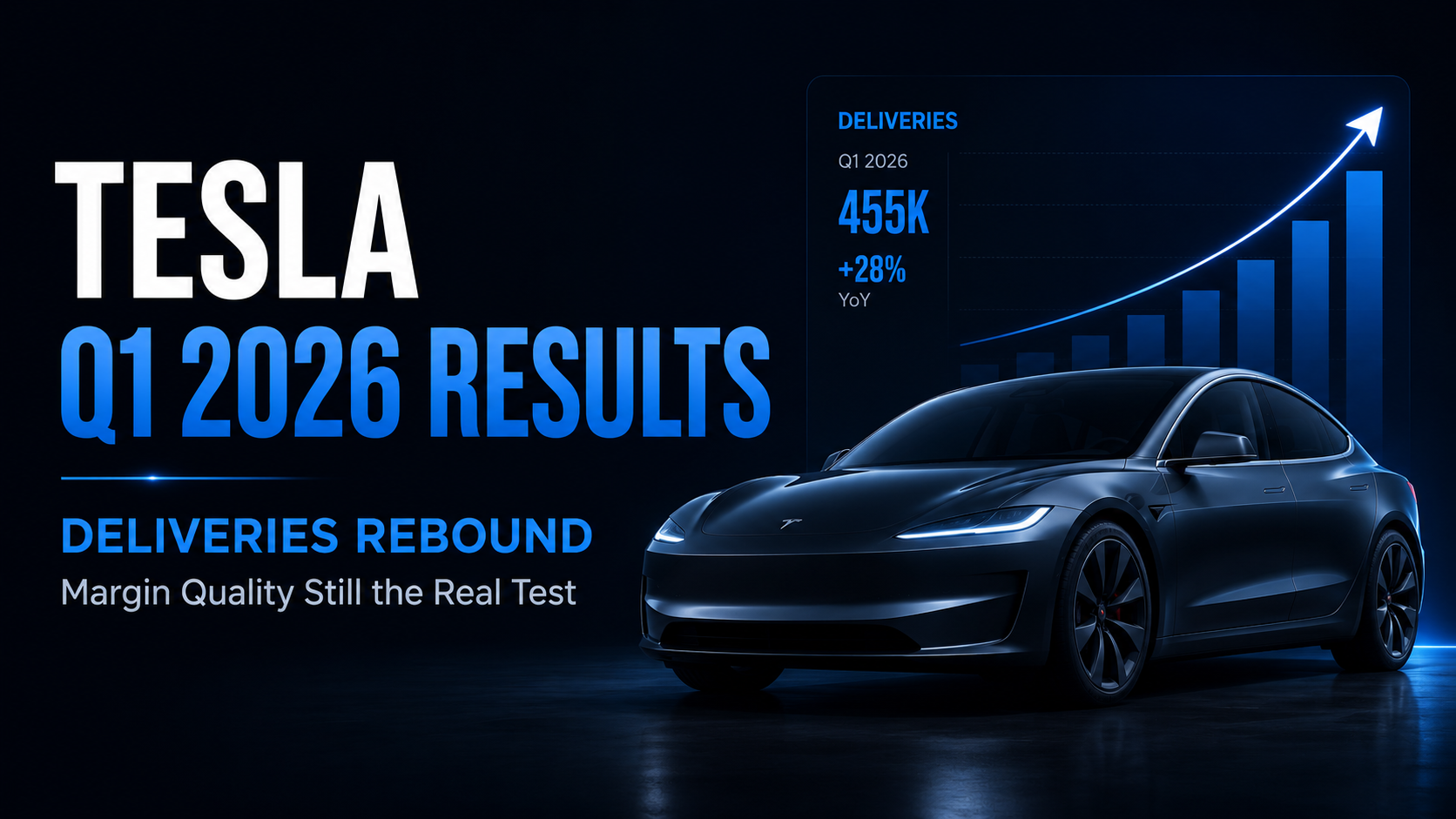
特斯拉2026年第一季度财报回顾:交付量反弹,但利润率质量仍是真正的考验
特斯拉于2026年4月22日美国股市收盘后公布了其2026年第一季度的财务业绩。该公司本季度交付了358,023辆汽车,创造了224亿美元的总营收,并报告归属于普通股股东的GAAP净利润为4.77亿美元。总GAAP毛利率提升至21.1%,而营业利润率达到4.2%。
核心信号不仅在于特斯拉的交付量从去年同期的疲软基数中恢复。更重要的问题是:更高的交付量、FSD相关营收、更低的单车成本以及改善的汽车毛利率,能否重建市场对特斯拉盈利能力的信心。对于寻找下一次TSLA财报日期或关注特斯拉财报的投资者来说,第一季度的表现为第二季度设立了一个关键考验:即销量的增长能否可持续地转化为更高质量的收益。
2026/07/09
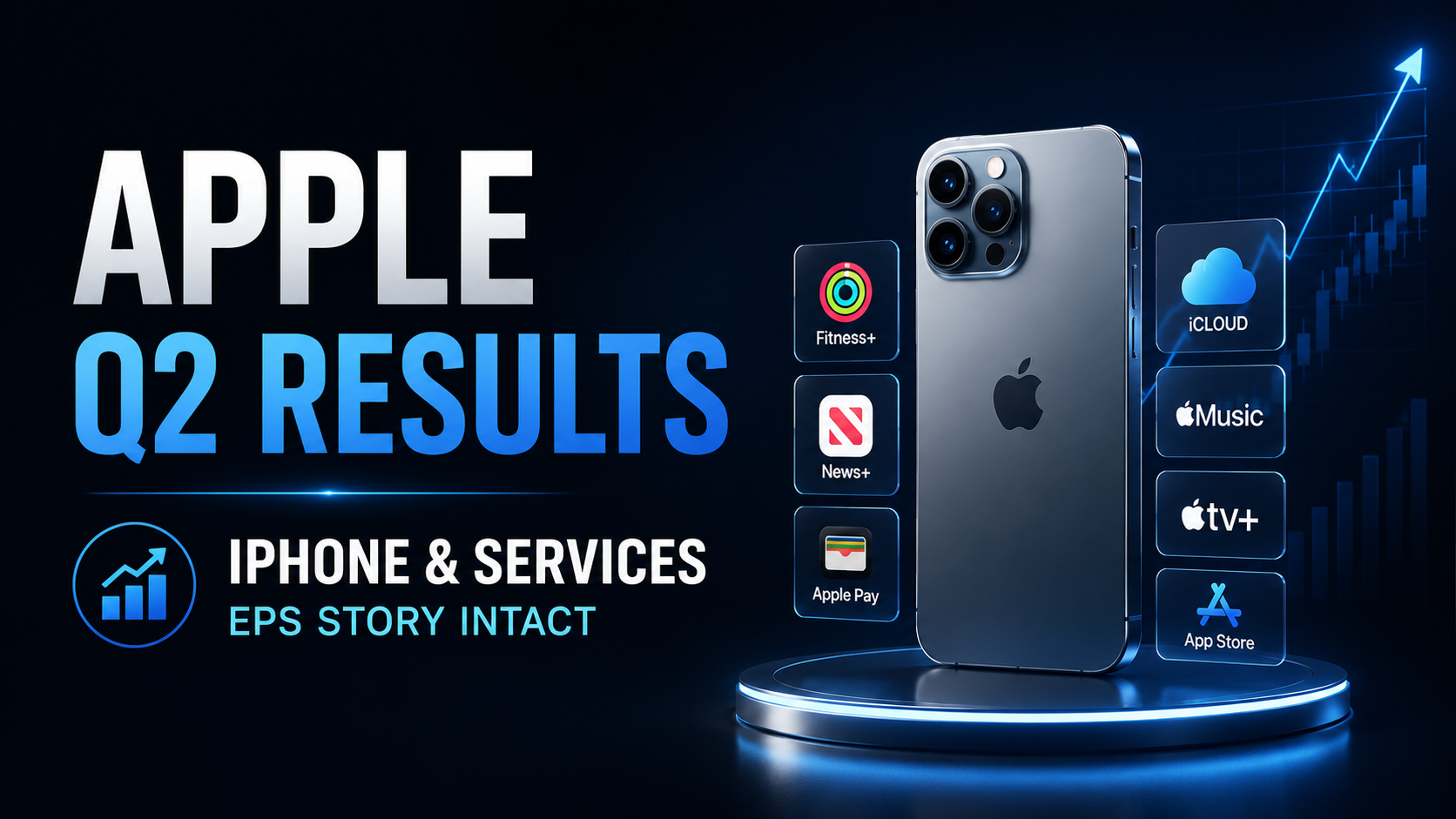
苹果 2026 财年第二季度财报回顾:iPhone 营收与服务业务增长维持 EPS 预期
苹果于 2026 年 4 月 30 日发布了 2026 财年第二季度财报,涵盖截至 2026 年 3 月 28 日的季度。总营收达到 1112 亿美元,同比增长 17%,摊薄后每股收益(EPS)增长 22% 至 2.01 美元。苹果表示,该季度创下了公司 3 月份季度的总营收、iPhone 营收和 EPS 纪录,同时服务业务营收也创下历史新高。
这不仅仅是一份常规的硬件周期财报。苹果第二季度的业绩证明,iPhone 需求、服务业务增长以及积极的资本回报计划仍在共同支撑着该公司强大的 EPS 增长故事。对于寻找下一个苹果财报或 AAPL 财报更新的投资者而言,未来的关键问题是,在市场等待更强劲的 AI 和产品周期催化剂之际,苹果能否维持其溢价估值。
2026/07/09
Hyperliquid 未平仓合约达 115 亿美元:链上永续合约是否正扩展至美国股市?
Hyperliquid的未平仓合约量已达到约115亿美元,创下2026年新高,其中HIP-3市场贡献了近40亿美元。与标普500指数挂钩的合约已成为最大的HIP-3市场,而追踪SK海力士和美光科技的合约则反映了对人工智能和半导体相关敞口需求的不断增长。
2026/07/28
热门
目前热门备受市场关注的加密货币
加密货币价格
按交易量计算交易量最大的加密货币