

Executive SummaryNVIDIA Corporation (NASDAQ:NVDA) fell 4.57% on Friday, August 28, 2026, closing at $217.55, just one trading day after a nearly 9% post-earnings surge pushed shares to fresh highsThe Executive SummaryNVIDIA Corporation (NASDAQ:NVDA) fell 4.57% on Friday, August 28, 2026, closing at $217.55, just one trading day after a nearly 9% post-earnings surge pushed shares to fresh highsThe

Executive Summary
- NVIDIA Corporation (NASDAQ:NVDA) fell 4.57% on Friday, August 28, 2026, closing at $217.55, just one trading day after a nearly 9% post-earnings surge pushed shares to fresh highs
- The decline was driven by macro pressure, not company news: Fed Chair Kevin Warsh's hawkish Jackson Hole speech cooled rate-cut expectations and triggered a broad selloff in rate-sensitive megacap tech and semiconductor stocks
- Nvidia's fiscal second-quarter results, reported August 26, significantly beat Wall Street's estimates on both revenue and guidance, fueling the rally that preceded this pullback
- Shares have extended modestly lower since, trading near $217 to $220 as of September 1, still comfortably within a 52-week range of $164.07 to $236.54
- Technical analysts have flagged $200 as a key support level, with a breach potentially opening the door to a retest of $190
- CNBC's Jim Cramer argued investors are being "hysterical" to sell the stock, framing the move as a bond-market and Fed-driven reaction rather than a reassessment of Nvidia's business
Nvidia investors got a lesson this week in how quickly sentiment can flip even when the underlying business is firing on all cylinders. Just one trading session after the chipmaker's blowout earnings report sent shares surging toward new highs, a hawkish speech from the Fed chair wiped out much of that gain and then some. The question now facing the stock is a familiar one for a name that has defined this market cycle: is this a healthy pause in an intact uptrend, or the first sign that even Nvidia's fundamentals can't overcome a tightening macro backdrop
What Actually Happened
Nvidia reported fiscal second-quarter results after the close on August 26, 2026, and the numbers significantly exceeded Wall Street's expectations on both the top and bottom line, alongside guidance that pointed to continued strength in AI infrastructure demand. The market's initial reaction was enthusiastic: shares jumped nearly 9% on Thursday, August 27, pushing the stock to a fresh high as investors digested the scale of the beat.
That momentum reversed sharply the very next session. On Friday, August 28, Federal Reserve Chair Kevin Warsh delivered a hawkish address at the Jackson Hole Economic Symposium, warning that sticky services inflation and a still-tight labor market left limited room for the central bank to cut rates at its September 16 policy meeting. Warsh's comments, that recent inflation readings "do not tell me that underlying trends have meaningfully improved," rattled markets broadly and hit rate-sensitive megacap tech and semiconductor names especially hard. Nvidia fell 4.57% that day to close at $217.55, giving back the bulk of its post-earnings pop. The Nasdaq Composite slid 0.52% the same session, and the Philadelphia Semiconductor Index underperformed further, finishing the week down more than 3% even with Nvidia's earnings-driven gain factored in.
The pullback extended modestly into the following week, with shares easing further to trade in the $217 to $220 range as of September 1, essentially flat to slightly lower from Friday's close.
Why the Stock Fell
This is a case where the catalyst and the company are almost entirely disconnected. Nvidia's own results gave investors little to complain about: an outsized earnings beat, strong guidance, and no signs of the demand softening that some bears had been watching for. The stock's decline instead reflects a shift in the macro environment, specifically a reduced probability that the Fed delivers a rate cut at its September meeting, which pressures the valuation multiples that high-growth, high-multiple stocks like Nvidia depend on more than most.
This dynamic is not new for Nvidia. As the largest and most liquid proxy for the AI trade, the stock has repeatedly served as the release valve for broader shifts in market sentiment, rallying hardest on good AI-specific news and falling hardest on macro or rate-related jitters, even when the news has nothing to do with its own business. CNBC's Jim Cramer, who disclosed his charitable trust holds Nvidia shares, argued on air that the reversal reflects a fight between bonds and the Fed rather than any change in Nvidia's earnings trajectory, and separately said investors selling the stock now were being "hysterical" given the strength of the underlying business.
Still, the setup leaves the stock vulnerable to further macro-driven volatility heading into the September 16 Fed meeting. With valuation multiples already elevated after the stock's run to new highs, any additional hawkish signals between now and then could extend the pullback regardless of how well Nvidia's actual business is performing.
The Technical Picture
Nvidia's 52-week range spans from $164.07 to $236.54, and even after this week's pullback the stock remains well inside that band and above both its 50-day and 200-day moving averages, according to recent technical readings. The stock's brief touch near its highs came directly off the August 26 earnings beat, meaning the current pullback is unwinding a very recent, news-driven spike rather than reversing a longer-established trend.
Technical analysts have identified $200 as the key support level to watch on any further downside, a round-number zone that also sits meaningfully below the stock's current trading range in the high $210s to low $220s. A breach of that level could open the door to a deeper retest toward $190, according to recent technical commentary, though that would represent a further decline of roughly 8% to 12% from current levels rather than an imminent risk based on where shares are trading now. On the upside, the post-earnings high near $230 to $236 remains the level bulls need to reclaim to fully repair the technical damage from Friday's reversal.
Options market positioning around the stock has reflected the binary nature of this setup: strong conviction in Nvidia's business fundamentals colliding with genuine uncertainty about how far a hawkish Fed could push valuations down in the near term. That tension is likely to persist until the September 16 FOMC meeting provides more clarity.
Competing Interpretations: Healthy Pullback Versus Valuation Reset
The bull case treats this as exactly the kind of shakeout that has repeatedly proven to be a buying opportunity in Nvidia's multi-year run. The company's actual results gave no reason to doubt the AI infrastructure buildout remains intact, and a macro-driven pullback tied to Fed commentary is a fundamentally different risk than one driven by weakening demand or competitive pressure. Under this view, the stock's continued position above its 50-day and 200-day moving averages, along with its comfortable cushion above the $200 support level, suggests the uptrend remains structurally intact and this is simply volatility around a well-telegraphed macro event.
The bear case points to how quickly a single Fed speech was able to erase a 9% earnings-driven rally, arguing that this reveals just how dependent Nvidia's valuation has become on a favorable rate environment rather than fundamentals alone. With the stock trading at a premium multiple built on continued AI capex growth, any sustained shift toward higher-for-longer rates could compress that multiple meaningfully, regardless of how strong Nvidia's actual quarterly results are. The size and speed of Friday's reversal, wiping out most of a blockbuster earnings pop in a single session, is, in this view, a preview of how sharply the stock could correct if the Fed's September decision disappoints markets further.
Risk Implications for Traders
Traders should treat the September 16 FOMC meeting as the next major catalyst for Nvidia shares, given how directly this week's pullback was tied to shifting rate-cut expectations rather than company-specific news. Position sizing around that date should account for the possibility of continued volatility in both directions depending on the Fed's actual decision and accompanying commentary, particularly given how sensitive the stock has proven to be to rate-related headlines even when its own fundamentals are strong.
The $200 support level represents a meaningful line in the sand technically, and a break below it would likely accelerate selling given its psychological significance as a round number. Conversely, the stock's fundamentals, including the scale of its recent earnings beat, provide a case for why dips toward that level could continue to attract buyers, as they have in prior pullbacks over the past year.
Conclusion
Nvidia's slide this week is a reminder that even the market's most important AI stock is not immune to macro-driven volatility, even when its own quarterly results give investors little to worry about. Whether this proves to be a healthy pause before the stock resumes its climb toward new highs, or the start of a more meaningful valuation reset, will likely depend more on the Fed's actions over the coming weeks than on anything Nvidia itself does between now and its next earnings report. Do you see this pullback as a buying opportunity in a fundamentally strong business, or a sign that Nvidia's valuation has become too tied to a favorable rate environment to be resilient on its own?
Frequently Asked Questions About NVDA Stock
Q: Why did Nvidia stock fall after its earnings beat? A: Nvidia shares fell 4.57% on August 28, 2026, not because of company news but after Fed Chair Kevin Warsh's hawkish Jackson Hole speech cooled rate-cut expectations, triggering a broad selloff in rate-sensitive megacap tech and semiconductor stocks.
Q: How did Nvidia's fiscal second-quarter earnings perform? A: Nvidia's results, reported August 26, 2026, significantly beat Wall Street's estimates on both revenue and guidance, initially sending shares nearly 9% higher the following session.
Q: What is Nvidia's 52-week trading range? A: Nvidia's 52-week range spans from a low of $164.07 to a high of $236.54.
Q: What support and resistance levels are traders watching for NVDA? A: Technical analysts have flagged $200 as key support, with a breach potentially opening a path toward $190, while the post-earnings high near $230 to $236 serves as resistance on the upside.
Q: What is the next major catalyst for Nvidia stock? A: The Federal Reserve's September 16, 2026 policy meeting is seen as the next major catalyst, given that this week's pullback was driven by shifting rate-cut expectations rather than company-specific news.
Source- here!
市场机遇
4实时价格 (4)
--
----
USD
4 (4) 实时价格图表
本页面分享的文章均源自公开平台,仅供参考。该内容不代表 MEXC 的立场或观点。所有版权归 MEXC 所有。如果您认为任何内容侵犯了第三方的权益,请联系 [email protected] 以便及时删除。 MEXC 不保证任何内容的准确性、完整性或及时性,且不对基于所提供信息而采取的任何行动负责。本内容不构成财务、法律或其他专业建议,亦不应被解释为 MEXC 的推荐或认可。如需专家见解和深入分析,请造访 MEXC 学院。
4 最新动态
查看更多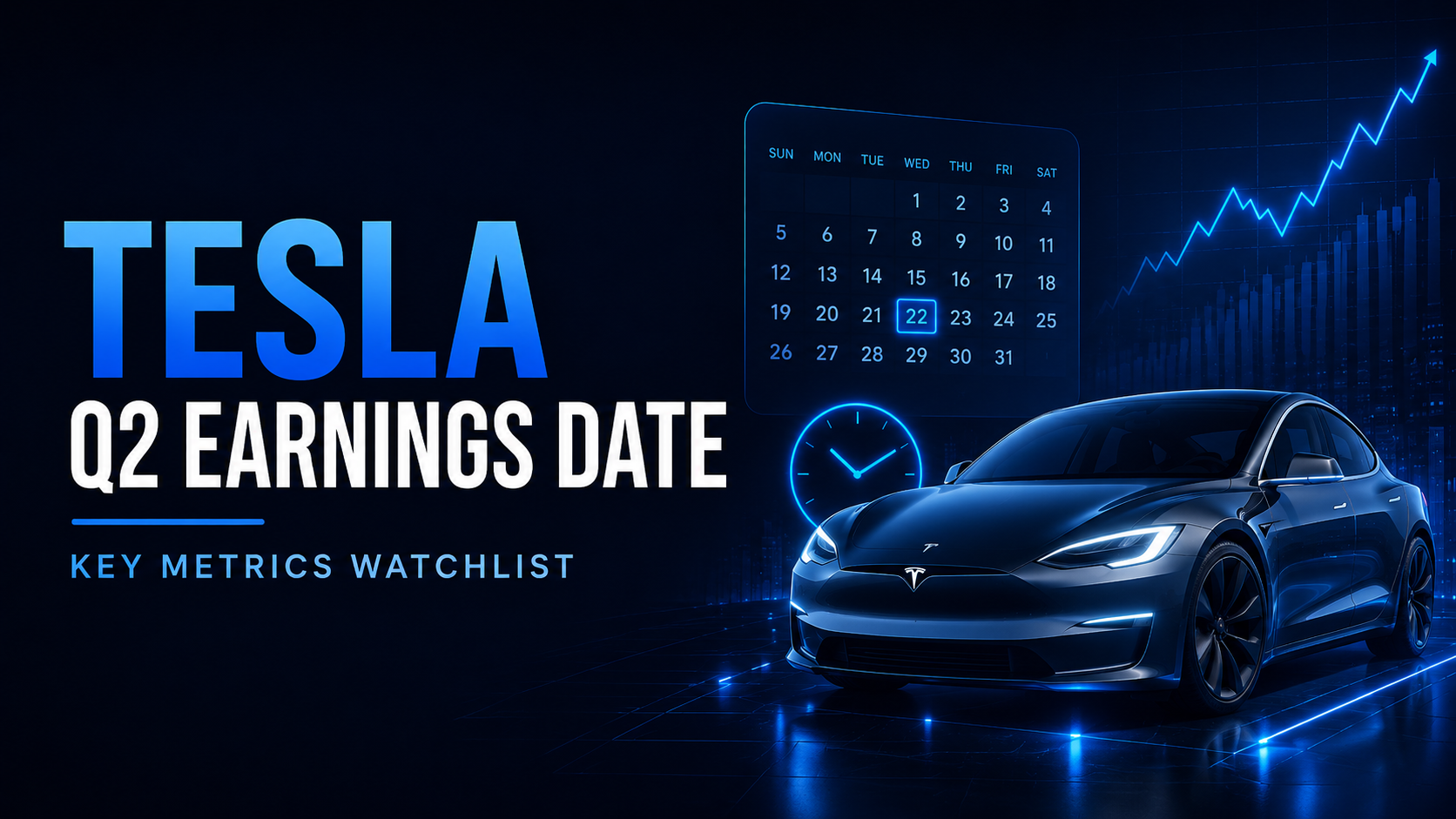
特斯拉2026年第二季度财报日期:发布时间、网络直播及关键指标
特斯拉2026年第二季度财报定于2026年7月22日(星期三)美国股市收盘后发布,管理层计划于美国中部时间下午4:30 / 东部时间下午5:30主持实时Q&A网络直播。第二季度的更新和网络直播将通过特斯拉的投资者关系网站提供,并在电话会议后提供存档重播。
这不仅仅是另一个普通的特斯拉财报日。特斯拉已经报告了超预期的交付季度:在2026年第二季度,公司生产了451,758辆汽车,交付了480,126辆汽车,并部署了13.5 GWh的储能产品。
对于交易员来说,关键问题不再是特斯拉是否交付了更多汽车,这部分已经是已知事实。真正的问题是,这些交付是否足够盈利,储能业务的增长是否能支撑特斯拉更宏大的愿景,以及管理层能否证明其在人工智能、自动驾驶和Robotaxi(无人驾驶出租车)领域的投资正从“叙事”走向可衡量的业务进展。
2026/07/06
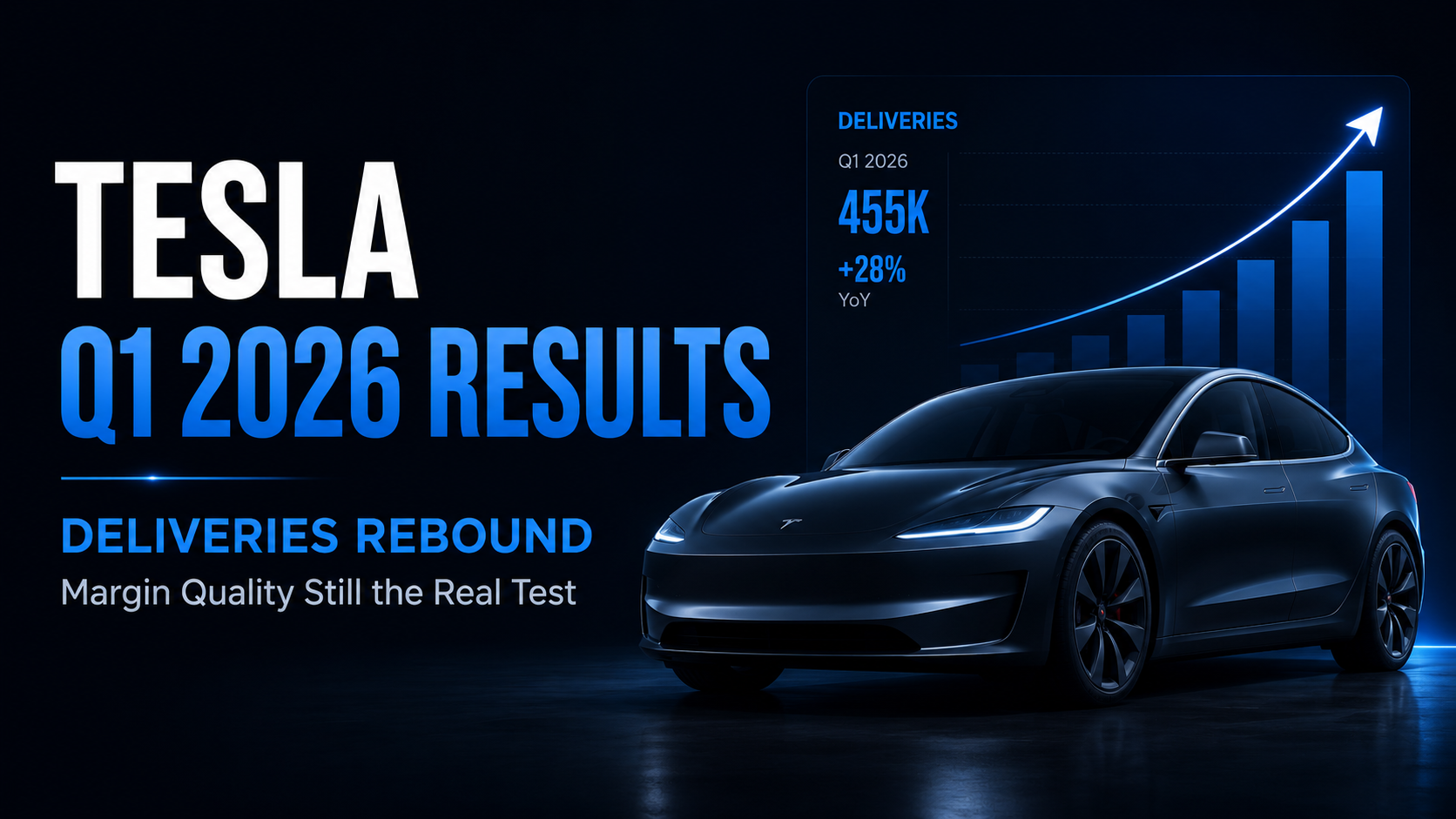
特斯拉2026年第一季度财报回顾:交付量反弹,但利润率质量仍是真正的考验
特斯拉于2026年4月22日美国股市收盘后公布了其2026年第一季度的财务业绩。该公司本季度交付了358,023辆汽车,创造了224亿美元的总营收,并报告归属于普通股股东的GAAP净利润为4.77亿美元。总GAAP毛利率提升至21.1%,而营业利润率达到4.2%。
核心信号不仅在于特斯拉的交付量从去年同期的疲软基数中恢复。更重要的问题是:更高的交付量、FSD相关营收、更低的单车成本以及改善的汽车毛利率,能否重建市场对特斯拉盈利能力的信心。对于寻找下一次TSLA财报日期或关注特斯拉财报的投资者来说,第一季度的表现为第二季度设立了一个关键考验:即销量的增长能否可持续地转化为更高质量的收益。
2026/07/09
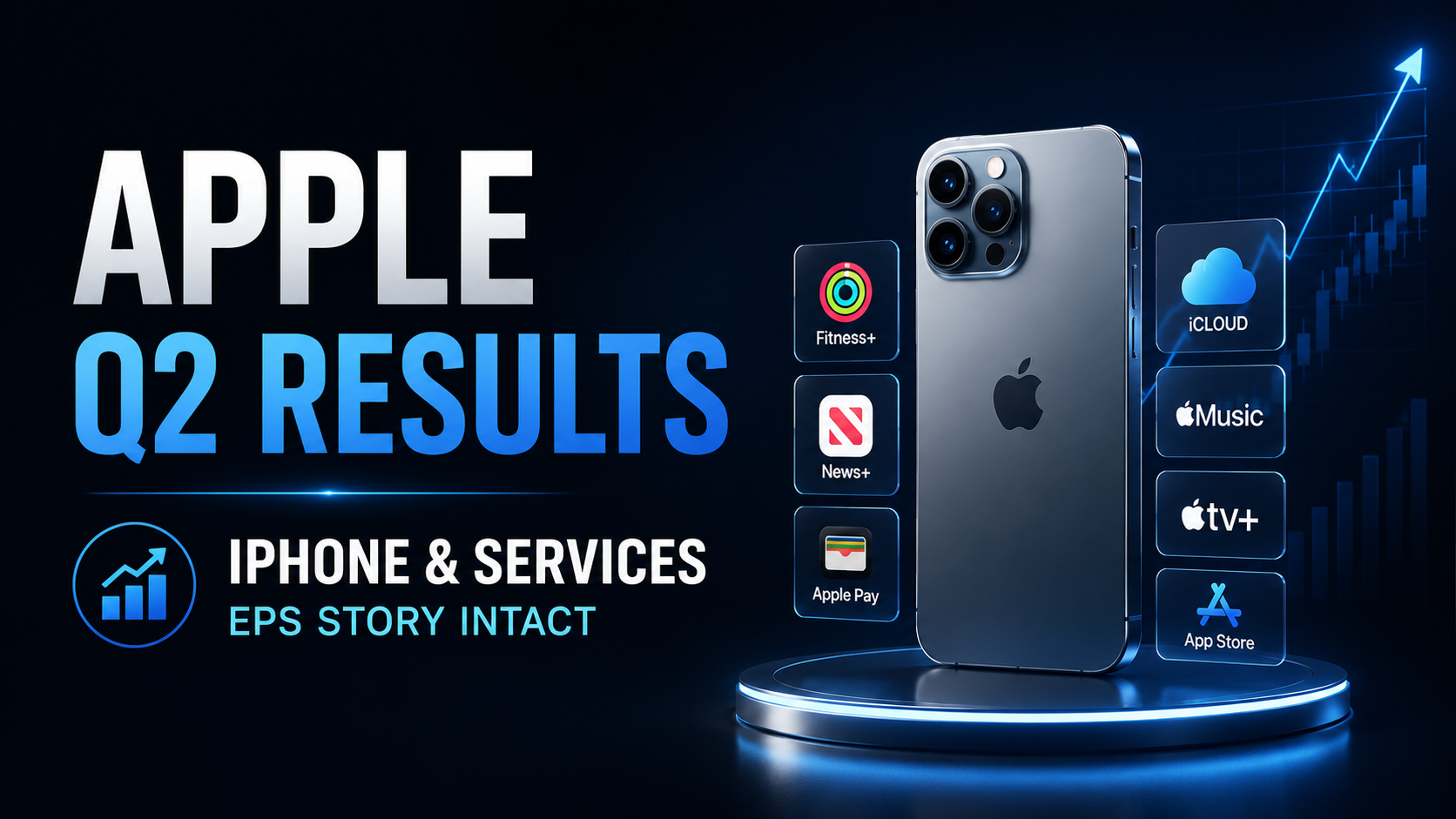
苹果 2026 财年第二季度财报回顾:iPhone 营收与服务业务增长维持 EPS 预期
苹果于 2026 年 4 月 30 日发布了 2026 财年第二季度财报,涵盖截至 2026 年 3 月 28 日的季度。总营收达到 1112 亿美元,同比增长 17%,摊薄后每股收益(EPS)增长 22% 至 2.01 美元。苹果表示,该季度创下了公司 3 月份季度的总营收、iPhone 营收和 EPS 纪录,同时服务业务营收也创下历史新高。
这不仅仅是一份常规的硬件周期财报。苹果第二季度的业绩证明,iPhone 需求、服务业务增长以及积极的资本回报计划仍在共同支撑着该公司强大的 EPS 增长故事。对于寻找下一个苹果财报或 AAPL 财报更新的投资者而言,未来的关键问题是,在市场等待更强劲的 AI 和产品周期催化剂之际,苹果能否维持其溢价估值。
2026/07/09


热门
目前热门备受市场关注的加密货币
加密货币价格
按交易量计算交易量最大的加密货币