

The Federal Reserve just delivered something markets normally dislike: a 25-basis-point interest-rate hike. On September 16, the Fed raised its benchmark rate to 3.75%-4.00%, its first increase since The Federal Reserve just delivered something markets normally dislike: a 25-basis-point interest-rate hike. On September 16, the Fed raised its benchmark rate to 3.75%-4.00%, its first increase since

The Federal Reserve just delivered something markets normally dislike: a 25-basis-point interest-rate hike. On September 16, the Fed raised its benchmark rate to 3.75%-4.00%, its first increase since July 2023, while signaling that inflation remains elevated. Yet instead of triggering a sustained sell-off, markets quickly recovered. On September 17, the Nasdaq jumped 1.69%, the S&P 500 gained 1.14%, and Bitcoin rebounded from $75.5k.
At first glance, the reaction appears contradictory. Higher rates generally increase the appeal of cash and bonds while raising the discount rate applied to riskier assets. But markets do not trade the headline alone. They trade expectations, positioning, bond yields, economic data and what a policy decision means for the months ahead.
1.The Rate Hike Was Already Largely Priced In
The first reason markets did not collapse is simple: investors already expected the Fed to raise rates. The 25-basis-point increase had been heavily anticipated before the meeting, meaning traders had already adjusted positions for the possibility. Bitcoin was therefore not reacting to a completely unexpected tightening shock.
This distinction is critical. Financial markets respond more aggressively when central banks deliver something materially different from what investors have priced in. When the outcome is broadly expected, the announcement can actually remove uncertainty rather than create it.
The immediate reaction still reflected the Fed’s hawkish message. The central bank said inflation remained elevated, while projections showed a median federal-funds rate of 4.1% for the end of 2026, above the current midpoint. Sixteen of the 18 policymakers projected at least one more hike this year.
However, once investors absorbed the decision, attention shifted toward other parts of the market. That helped explain why the initial weakness did not turn into a broader collapse.
2.Treasury Yields Changed the Equation
One of the biggest clues came from the bond market. Although the Fed raised its short-term policy rate, longer-term Treasury yields moved lower on Thursday. The 10-year Treasury yield fell from around 5.01% to 4.93%, easing pressure on equities and other risk assets.
That matters because investors do not price stocks and Bitcoin solely according to the federal-funds rate. Longer-term yields influence borrowing costs, valuations and the relative attractiveness of risk assets. If long-duration yields fall, some of the pressure created by a higher policy rate can be offset.
The move also suggested that bond investors were looking beyond the immediate hike. The Fed’s action was aimed at controlling inflation, while economic data remained relatively resilient. The central bank said economic activity was expanding at a solid pace, productivity growth was strong and capital investment was robust.
That combination creates a very different market environment from one in which rates are rising because policymakers believe the economy is overheating dramatically. Investors were instead seeing tighter policy alongside an economy that had not yet shown signs of a severe breakdown.
3.Falling Oil Prices Gave Markets Another Tailwind
Oil became another important piece of the puzzle. Crude prices fell sharply around the Fed decision and continued lower as concerns over supply disruptions eased. On September 17, Brent crude fell around 1%, while WTI had already suffered a larger decline the previous day.
For investors, cheaper oil is significant because energy prices can feed directly into inflation. A sustained oil shock can force central banks to remain restrictive for longer, creating an additional threat to equities and crypto.
The decline therefore offered markets some relief. Lower energy prices reduced one source of inflationary pressure at precisely the moment investors were worried about the Fed becoming more aggressive.
That helped technology stocks lead the recovery. The Nasdaq gained 1.69% on September 17, while semiconductor stocks were among the strongest performers. The broader rally suggested investors were willing to buy assets that had previously been pressured by expectations surrounding the Fed decision.
4.Why Bitcoin Also Refused to Break Down
Bitcoin’s reaction followed the same broader macro logic, but with an important difference. Bitcoin initially struggled after the Fed decision, but it remained around $76,000 and subsequently recovered alongside improving market sentiment.
The resilience is notable because crypto faced another headwind at the same time. Bitcoin and Ethereum ETFs reportedly experienced combined outflows of roughly $592 million, yet Bitcoin still held near $76,000. That suggests the Fed hike alone was not powerful enough to overwhelm other forces supporting the market.
Still, the reaction should not be interpreted as proof that Bitcoin has become immune to monetary tightening. If Treasury yields resume climbing, inflation remains stubborn and the Fed signals a substantially more aggressive hiking path, crypto could face renewed pressure.
For now, the market appears to be separating the rate hike from the broader financial conditions surrounding it. Investors are watching yields, oil, the dollar, economic data and future Fed expectations rather than treating the 25-bps move as an isolated event.
5.What Comes Next for Markets?
The Fed’s own projections suggest that monetary policy is not suddenly becoming easy. Its September projections put the median federal-funds rate at 4.1% at the end of 2026, while PCE inflation was projected at 3.7% for 2026 before falling toward 2% over subsequent years.
That means the market still faces a potentially restrictive monetary-policy environment. A single 25-bps hike does not determine the direction of Bitcoin or stocks; the larger concern is whether financial conditions tighten further or whether falling yields and easing energy prices offset some of that pressure.
Conclusion
The Fed’s 25-basis-point hike did not crash Bitcoin and stocks because markets had largely anticipated the move, while falling Treasury yields and easing oil prices provided relief. Stronger-than-feared economic conditions also reduced immediate recession concerns.
But the rally does not eliminate the risks associated with tighter monetary policy. With inflation still elevated and most Fed policymakers seeing another hike in 2026, the next phase of the market will depend less on the September hike itself and more on how yields, inflation and future Fed expectations evolve.
FAQs
Q1:How much did the Fed raise interest rates in September 2026?
The Federal Reserve raised its target federal-funds range by 25 basis points, from 3.50%-3.75% to 3.75%-4.00%.
Q2:Why did stocks rise after the Fed rate hike?
The hike was largely expected, while Treasury yields and oil prices declined. Those moves reduced some of the pressure on equities and helped technology stocks lead the rebound.
Q3:Why did Bitcoin remain resilient after the Fed hike?
Bitcoin had already been trading with the expected rate increase largely reflected in prices. Its recovery also coincided with improving broader risk sentiment and lower long-term Treasury yields.
Q4:Does the market rally mean future Fed hikes will be bullish for Bitcoin?
No. The September reaction reflects the specific combination of expectations, yields, oil prices and economic conditions surrounding this meeting. Future hikes could create greater pressure if they cause Treasury yields and broader financial conditions to rise substantially.
Disclaimer: This article is for educational and informational purposes only and not a financial or investment advice. Crypto and stock markets are highly volatile; always do your own research before investing.
市场机遇
4实时价格 (4)
--
----
USD
4 (4) 实时价格图表
本页面分享的文章均源自公开平台,仅供参考。该内容不代表 MEXC 的立场或观点。所有版权归 Mubashir 所有。如果您认为任何内容侵犯了第三方的权益,请联系 [email protected] 以便及时删除。 MEXC 不保证任何内容的准确性、完整性或及时性,且不对基于所提供信息而采取的任何行动负责。本内容不构成财务、法律或其他专业建议,亦不应被解释为 MEXC 的推荐或认可。如需专家见解和深入分析,请造访 MEXC 学院。
4 最新动态
查看更多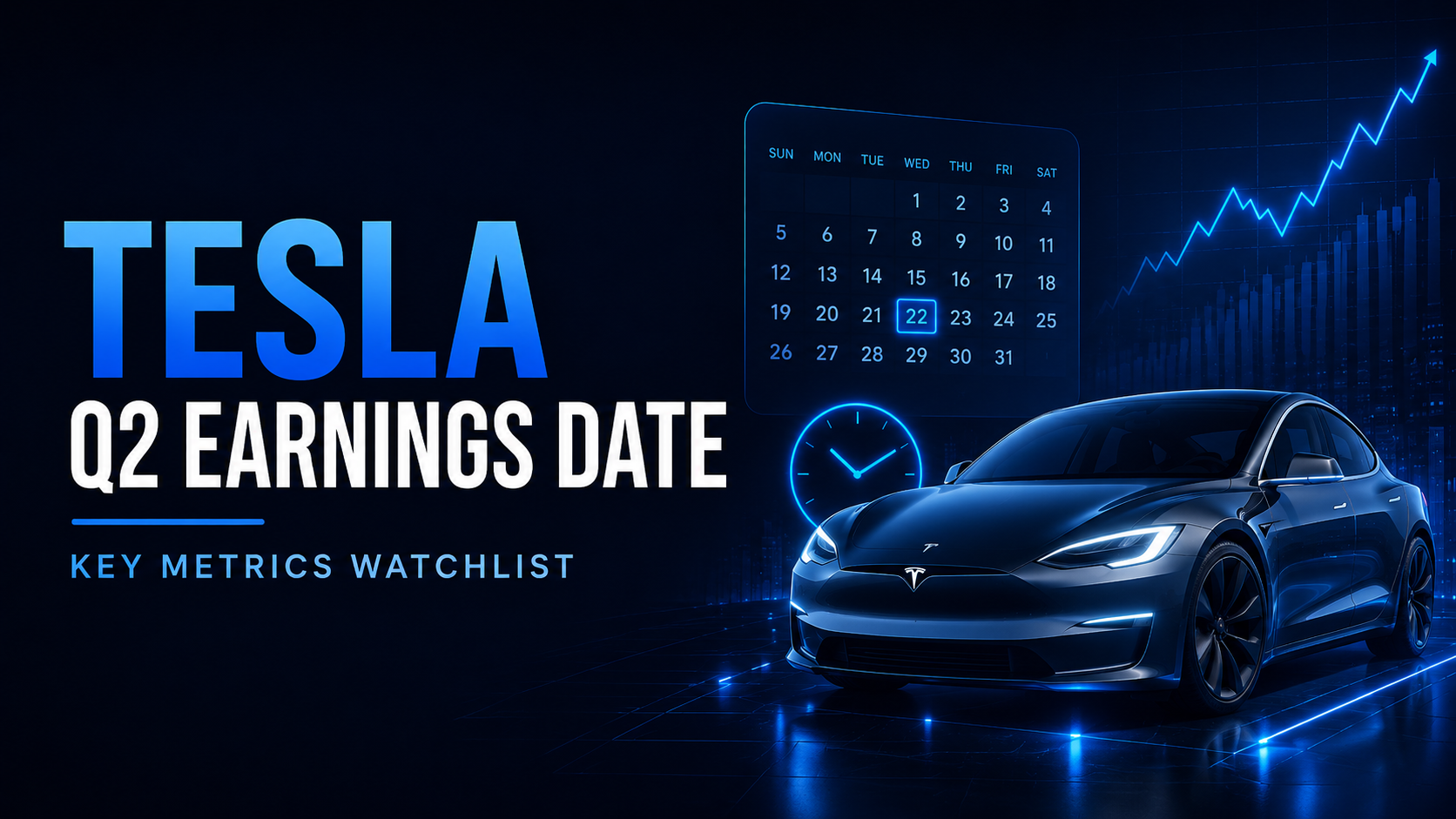
特斯拉2026年第二季度财报日期:发布时间、网络直播及关键指标
特斯拉2026年第二季度财报定于2026年7月22日(星期三)美国股市收盘后发布,管理层计划于美国中部时间下午4:30 / 东部时间下午5:30主持实时Q&A网络直播。第二季度的更新和网络直播将通过特斯拉的投资者关系网站提供,并在电话会议后提供存档重播。
这不仅仅是另一个普通的特斯拉财报日。特斯拉已经报告了超预期的交付季度:在2026年第二季度,公司生产了451,758辆汽车,交付了480,126辆汽车,并部署了13.5 GWh的储能产品。
对于交易员来说,关键问题不再是特斯拉是否交付了更多汽车,这部分已经是已知事实。真正的问题是,这些交付是否足够盈利,储能业务的增长是否能支撑特斯拉更宏大的愿景,以及管理层能否证明其在人工智能、自动驾驶和Robotaxi(无人驾驶出租车)领域的投资正从“叙事”走向可衡量的业务进展。
2026/07/06
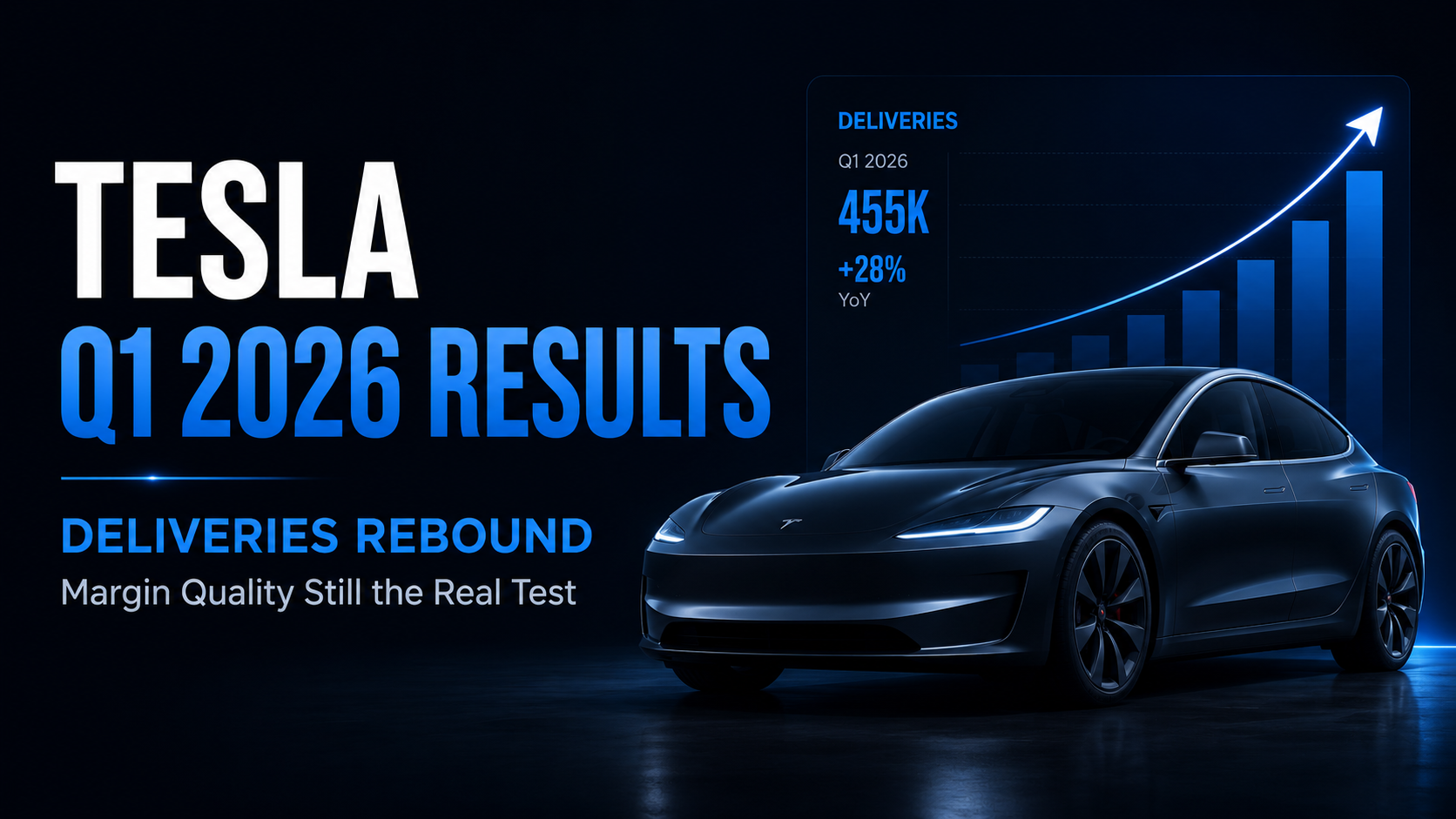
特斯拉2026年第一季度财报回顾:交付量反弹,但利润率质量仍是真正的考验
特斯拉于2026年4月22日美国股市收盘后公布了其2026年第一季度的财务业绩。该公司本季度交付了358,023辆汽车,创造了224亿美元的总营收,并报告归属于普通股股东的GAAP净利润为4.77亿美元。总GAAP毛利率提升至21.1%,而营业利润率达到4.2%。
核心信号不仅在于特斯拉的交付量从去年同期的疲软基数中恢复。更重要的问题是:更高的交付量、FSD相关营收、更低的单车成本以及改善的汽车毛利率,能否重建市场对特斯拉盈利能力的信心。对于寻找下一次TSLA财报日期或关注特斯拉财报的投资者来说,第一季度的表现为第二季度设立了一个关键考验:即销量的增长能否可持续地转化为更高质量的收益。
2026/07/09

苹果 2026 财年第二季度财报回顾:iPhone 营收与服务业务增长维持 EPS 预期
苹果于 2026 年 4 月 30 日发布了 2026 财年第二季度财报,涵盖截至 2026 年 3 月 28 日的季度。总营收达到 1112 亿美元,同比增长 17%,摊薄后每股收益(EPS)增长 22% 至 2.01 美元。苹果表示,该季度创下了公司 3 月份季度的总营收、iPhone 营收和 EPS 纪录,同时服务业务营收也创下历史新高。
这不仅仅是一份常规的硬件周期财报。苹果第二季度的业绩证明,iPhone 需求、服务业务增长以及积极的资本回报计划仍在共同支撑着该公司强大的 EPS 增长故事。对于寻找下一个苹果财报或 AAPL 财报更新的投资者而言,未来的关键问题是,在市场等待更强劲的 AI 和产品周期催化剂之际,苹果能否维持其溢价估值。
2026/07/09


热门
目前热门备受市场关注的加密货币
加密货币价格
按交易量计算交易量最大的加密货币