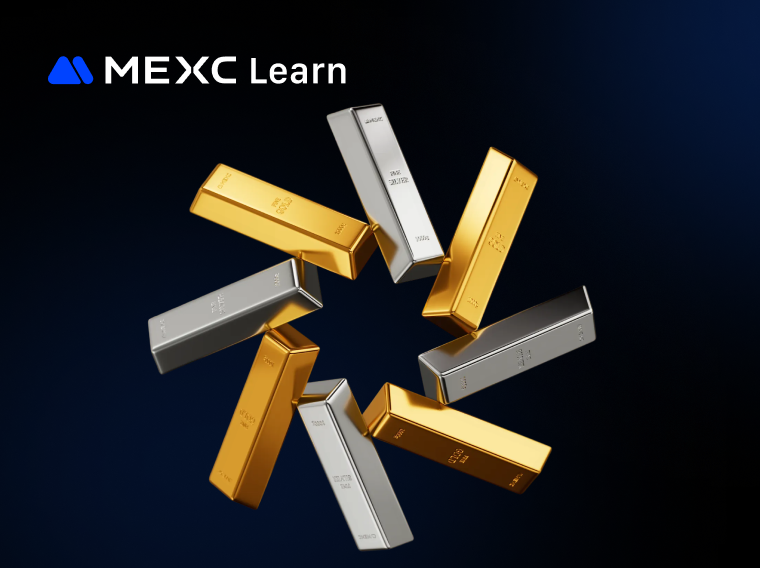
Gold-Backed Crypto: How Tokenized Gold Works in 2026
Gold-backed crypto is one of the clearest examples of real-world asset tokenization. The idea is simple: a digital token represents a claim or exposure linked to physical gold held by an issuer or custodian. For crypto users, it offers a way to access gold-like exposure without storing bullion, opening a brokerage account, or trading traditional futures.
The concept sounds conservative, but it is not risk-free. Gold-backed crypto can reduce some risks associated with unbacked speculative tokens, yet it adds risks around issuers, vaults, redemption rules, liquidity, and regulation. The best way to understand it is as tokenized gold exposure, not as a guaranteed safe asset.
What Is Gold-Backed Crypto?
Gold-backed crypto refers to digital tokens designed to track or represent physical gold. In many cases, one token represents one fine troy ounce of gold, although the exact structure depends on the issuer.
Examples include PAXG and XAUT. Paxos says each PAXG token represents one fine troy ounce of a London Good Delivery gold bar. Tether Gold says each XAU₮ represents one fine troy ounce of gold on a London Good Delivery bar. Those structures make gold-backed crypto different from ordinary cryptocurrencies that are valued mainly by supply mechanics, network adoption, speculation, or protocol revenue.
| Feature | Gold-Backed Crypto |
|---|---|
| Main asset anchor | Physical gold |
| Common token model | One token linked to one fine troy ounce of gold |
| Typical use case | Gold exposure inside crypto markets |
| Main examples | PAXG, XAUT |
| Key benefit | Easier digital access to gold exposure |
| Key risk | Issuer, custody, liquidity, redemption, and gold price risk |
How Does Tokenized Gold Work?
Tokenized gold usually works through a three-part structure.
First, an issuer creates a digital token. Second, physical gold is held with a custodian or vault provider. Third, the token trades on supported blockchains or exchanges, giving users digital access to gold exposure.
The core promise is that the token is backed by or linked to real gold. But the details matter. Users should ask where the gold is stored, who controls it, how often reserves are reported, whether redemption is possible, what fees apply, and whether the token has enough liquidity on the trading venue they plan to use.
| Step | What Happens | What Users Should Check |
|---|---|---|
| Issuance | A company issues gold-linked tokens | Issuer reputation and legal terms |
| Custody | Gold is stored with vault or custody providers | Vault location, audits, and reporting |
| Trading | Tokens trade on exchanges or blockchains | Liquidity, spreads, and network support |
| Redemption | Some issuers allow physical redemption | Minimum size, fees, eligibility, and timing |
For MEXC users, gold-backed crypto can sit alongside broader crypto market tools and RWA education, especially for traders who want macro exposure without leaving digital-asset markets.
Why Do Traders Use Gold-Backed Crypto?
The main reason is access. Traditional gold products can be inconvenient depending on the user’s location, account setup, and trading needs. Physical gold requires storage and insurance. Gold ETFs require brokerage access. Futures require margin knowledge and can involve rollover complexity.
Gold-backed crypto offers a different route. It can allow users to move between stablecoins, crypto assets, and gold-linked exposure within the same digital-asset environment.
Common use cases include:
| Use Case | Why It Matters |
|---|---|
| Portfolio hedge | Gold may behave differently from high-beta crypto assets |
| Stablecoin rotation | Users can move from USDT or other assets into gold exposure |
| Macro trading | Traders can express views on dollar, inflation, rates, and risk sentiment |
| RWA exposure | Tokenized gold is one of the more intuitive real-world asset categories |
| Cross-market flexibility | Users can access gold-linked exposure without using traditional brokerage rails |
The appeal is not that gold-backed crypto will necessarily outperform Bitcoin or altcoins. Its appeal is that it gives crypto users a different kind of asset exposure.
Gold-Backed Crypto vs Physical Gold
Gold-backed crypto is not the same as holding a gold bar. That distinction matters.
Physical gold gives direct possession if the buyer stores it personally. But it also creates storage, security, authenticity, and resale challenges. Gold-backed crypto removes some of those frictions, but users rely on issuer terms and custody structures instead.
| Comparison | Physical Gold | Gold-Backed Crypto |
|---|---|---|
| Possession | Direct if self-custodied physically | Tokenized claim or exposure |
| Storage | User must arrange storage and security | Issuer/custodian handles storage |
| Trading speed | Slower and less convenient | Faster on supported venues |
| Minimum size | Can vary by product | Can be smaller depending on token and venue |
| Main risk | Storage, theft, resale, authenticity | Issuer, custody, liquidity, redemption, blockchain risk |
In practice, gold-backed crypto is more useful for market access than for replacing all forms of physical ownership.
Gold-Backed Crypto vs Gold ETF
Gold ETFs are familiar to traditional investors. They often have deep liquidity and fit easily into brokerage accounts. Gold-backed crypto serves a different audience: users who prefer crypto rails, stablecoin liquidity, and 24/7 market access.
| Comparison | Gold ETF | Gold-Backed Crypto |
|---|---|---|
| Access | Brokerage account | Crypto exchange or wallet |
| Trading hours | Usually market hours | Often 24/7, depending on venue |
| Settlement | Traditional finance rails | Blockchain and exchange infrastructure |
| User base | Traditional investors | Crypto users and RWA-focused traders |
| Key risk | Fund structure and brokerage dependence | Issuer, custody, liquidity, and token infrastructure |
Neither is automatically better. A gold ETF may suit a traditional portfolio. Gold-backed crypto may suit users who already operate in crypto markets and want gold exposure without leaving that environment.
Key Examples: PAXG and XAUT
PAXG and XAUT are two of the most recognized gold-backed crypto assets.
PAXG is issued by Paxos and is designed to represent one fine troy ounce of gold. XAUT is issued through the Tether Gold structure and is also designed around one fine troy ounce of gold exposure. Both are tied to gold, but users compare them by issuer trust, reserve disclosure, redemption rules, liquidity, and exchange support.
| Token | Issuer Structure | Core Idea | Main User Question |
|---|---|---|---|
| PAXG | Paxos | Tokenized ownership linked to gold bars | How strong are the reserves, custody, and liquidity? |
| XAUT | Tether Gold / TG Commodities | Gold-linked token issued by Tether-related structure | How transparent are reserves and redemption rules? |
For both assets, the key driver is still gold. If gold falls, gold-backed crypto can fall. If gold rises, gold-backed crypto may benefit, subject to liquidity and market conditions.
What Are the Main Risks?
Gold-backed crypto has a cleaner value anchor than many speculative tokens, but it is not immune to losses.
| Risk | What It Means |
|---|---|
| Gold price risk | If gold declines, the token may decline |
| Issuer risk | Users rely on the company issuing and managing the token |
| Custody risk | Gold must be stored, safeguarded, and accounted for correctly |
| Redemption friction | Physical redemption may require large minimums, fees, and eligibility checks |
| Liquidity risk | Thin order books can create slippage and temporary price gaps |
| Blockchain risk | Transfers depend on supported networks, wallets, and smart-contract infrastructure |
| Regulatory risk | Rules for commodity-backed tokens may change across jurisdictions |
The common mistake is assuming that “backed by gold” means “safe like cash.” It does not. Gold itself moves, and tokenized structures add operational layers.
How to Evaluate a Gold-Backed Crypto Token
Before using any gold-backed crypto, traders should check five areas.
| Checklist | Why It Matters |
|---|---|
| Reserve disclosure | Shows whether backing is visible and regularly reported |
| Issuer terms | Defines user rights, restrictions, and redemption rules |
| Trading liquidity | Determines spreads, slippage, and exit quality |
| Token network | Affects transfer fees, wallet support, and settlement risk |
| Price vs spot gold | Reveals whether the token trades near, above, or below gold value |
A good gold-backed crypto product should be understandable. If a user cannot find basic details about backing, custody, redemption, fees, or market liquidity, that is a warning sign.
Is Gold-Backed Crypto a Good Fit in 2026?
Gold-backed crypto may remain relevant in 2026 because it connects two themes: macro uncertainty and real-world asset tokenization. Gold continues to attract attention when investors worry about inflation, rates, currency weakness, or geopolitical risk. At the same time, crypto markets are increasingly interested in tokenized versions of traditional assets.
That does not make every gold-backed token attractive. The better reading is that tokenized gold has a clear use case, but users should be selective. Strong backing, clear disclosures, reliable venues, and sufficient liquidity matter more than marketing language.
Conclusion
Gold-backed crypto is best understood as a digital access layer for gold exposure. It can be useful for crypto users who want a tokenized asset linked to physical gold, especially when they already trade with stablecoins or follow macro-driven markets.
Its advantage is convenience. Its weakness is dependency: users depend on issuers, custodians, redemption rules, trading venues, and blockchain infrastructure. For MEXC users, gold-backed crypto belongs in the broader conversation around RWA, macro hedging, and diversified crypto market tools, but it should be evaluated with the same discipline as any other financial product.
FAQ
1. What is gold-backed crypto?
Gold-backed crypto is a digital token designed to represent or track physical gold. Many gold-backed tokens are structured around one token representing one fine troy ounce of gold, depending on the issuer.
2. Is gold-backed crypto the same as owning physical gold?
No. It provides tokenized gold exposure, but users still rely on issuer terms, custody arrangements, redemption rules, and trading venue liquidity.
3. What are examples of gold-backed crypto?
Two widely known examples are PAXG and XAUT. Both are designed to represent gold exposure, though they differ by issuer structure, transparency model, redemption rules, and liquidity.
4. Can gold-backed crypto lose value?
Yes. If the gold price falls, gold-backed crypto can fall. It can also face temporary premiums, discounts, spreads, or liquidity issues during market stress.
5. Who should consider gold-backed crypto?
It may suit crypto users who want gold exposure inside digital-asset markets, but it is not risk-free and should be compared with physical gold, gold ETFs, and futures.
热门新闻
查看更多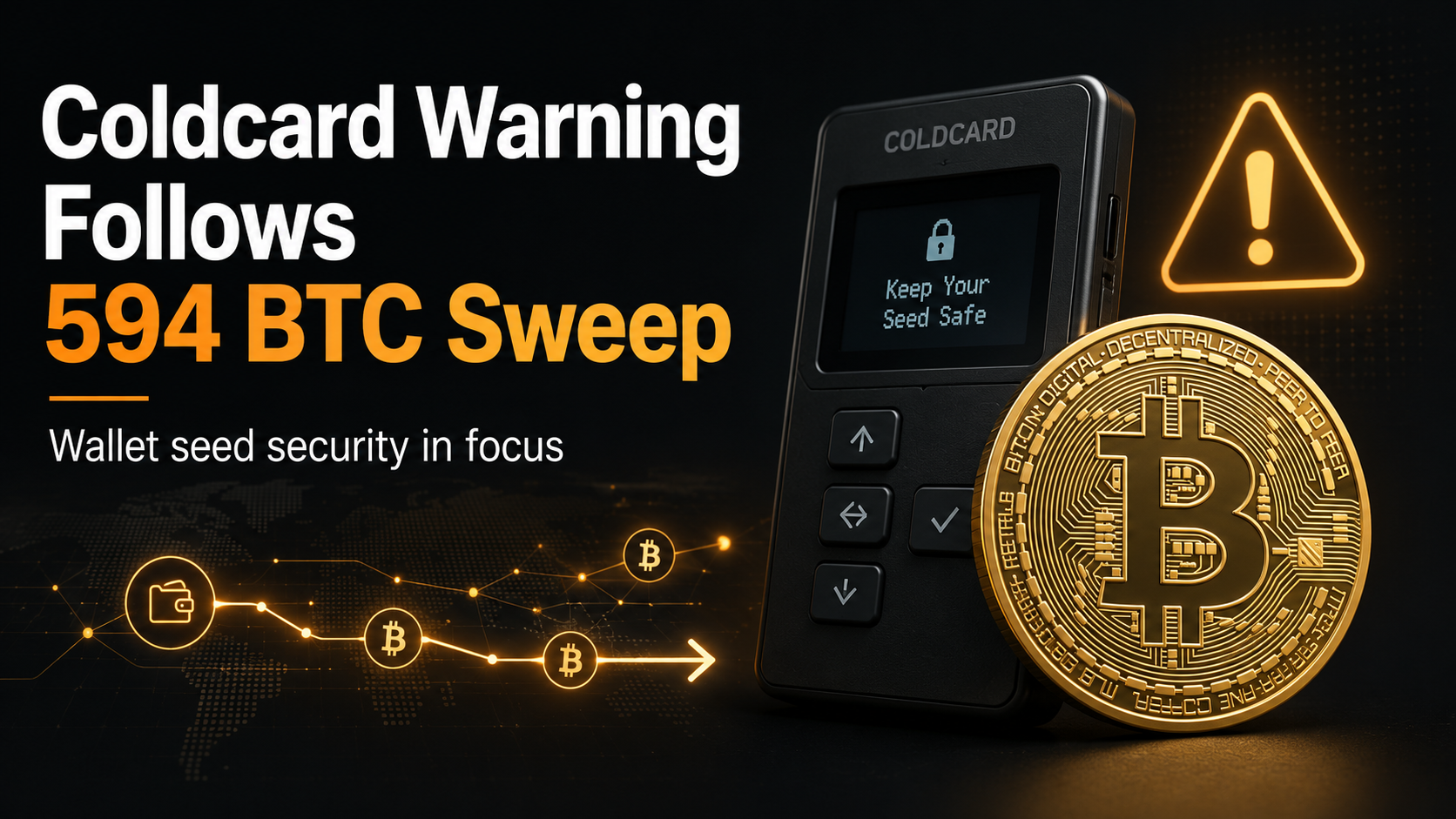
Coldcard Mk3 警告紧随 3800 万美元 Bitcoin 被扫荡事件,但原因仍未确认
比特币硬件钱包制造商Coinkite已警告用户,Coldcard设备存在种子生成问题,影响从4.0.1版本起的所有Mk3固件版本。该警告是在安全研究人员调查一起涉及594.48 BTC(约合3,800万美元)的协同转移事件时发出的。然而,目前尚无公开的技术证据证实Coldcard的问题导致了这些转账。


相关文章
查看更多
为什么黄金守在 4,700 美元上方?交易者关注美联储信号与美国通胀数据
近期的黄金价格并不是由单一新闻推动。市场真正交易的是一个更复杂的问题:在地缘政治风险仍然偏高、美元趋稳、交易者等待美联储政策新信号的背景下,黄金能否继续获得支撑?这就是为什么黄金维持在 4,700 美元附近值得关注。这个价位本身并不只是一个精确技术点位,更像是一个信号:在美元、美债收益率、中东局势和降息预期快速变化的一周之后,黄金需求仍然具有韧性。简短结论:黄金正在通过利率、风险和美元重新定价黄金
2026年一季度黄金ETF市场报告:西方抛售潮与东方资金的宏观对冲博弈
2026 年 3 月的全球贵金属市场注定要载入史册。当现货金价在剧烈的地缘政治动荡中下探时,传统金融市场的黄金 ETF 经历了前所未有的流动性压力测试。世界黄金协会最新发布的数据揭示了一个高度割裂的全球市场:西方资金正在进行创纪录的平仓出逃,而东方资本则在稳步构筑避险底座。在这场筹码大换手中,3 月全球黄金 ETF 净流出规模高达 120 亿美元,创下有统计以来的单月最高纪录。然而,这并未彻底摧毁
代币化黄金是如何运作的?2026年 RWA 基础设施深度指南
随着现实世界资产(RWA)赛道在 2026 年迎来了爆发式增长,全球宏观资金正在以前所未有的速度涌入数字大宗商品市场。对于每一位希望在这个新周期中建立结构性优势的交易员来说,仅仅知道什么是代币化黄金已经不够了。你必须像理解传统央行货币政策一样,深刻理解这些数字资产底层的运转逻辑和基础设施架构。代币化黄金并非凭空产生的算法代码,它是极度严谨的传统信托机制与先进的 Web3 分布式账本技术完美结合的产