How Does Bitcoin Work? Complete Beginner’s Guide
Bitcoin’s price topped $100,000 for the first time on December 4, 2024, capturing global attention and sparking curiosity about this revolutionary digital currency. If you’re wondering how Bitcoin actually works, you’re not alone—millions of people are asking the same question.
For comprehensive analysis of how Bitcoin compares to traditional assets like gold, stocks, and fiat currencies, see our complete BTC vs everything guide, which examines Bitcoin’s performance across different asset classes.
Unlike traditional money controlled by banks and governments, Bitcoin operates as a decentralized digital currency that enables secure transactions between people anywhere in the world. This comprehensive guide explains how Bitcoin works in simple terms, covering everything from basic transactions to the technology that makes it all possible.
By the end of this article, you’ll understand the mechanics behind Bitcoin, how people use it, and why it matters in today’s digital economy.
This guide focuses on Bitcoin’s technical mechanics. For broader Bitcoin insights including market analysis and investment strategies, see our comprehensive Bitcoin guide.
Key Takeaways:
- Bitcoin operates as decentralized digital money without banks or government control, enabling direct peer-to-peer transactions globally.
- Mining secures the network through proof-of-work consensus, with rewards currently at 3.125 BTC per block after the 2024 halving event.
- Bitcoin’s fixed supply of 21 million coins creates scarcity, with institutional adoption growing through ETFs and corporate treasury allocations.
- The blockchain acts as an immutable public ledger, recording every transaction permanently across thousands of computers worldwide.
- While Bitcoin offers financial sovereignty and inflation hedging, users must understand security practices and accept price volatility risks.
What is Bitcoin? (Bitcoin Meaning)
Bitcoin is a form of digital money that exists entirely online. Created in 2009 by an anonymous person or group known as Satoshi Nakamoto, Bitcoin operates without a central authority like a bank or government controlling it.
- Explore Bitcoin's complete journey from 2008 whitepaper to global phenomenon.
- New to the terminology? Learn what BTC stands for and its various meanings.
Think of Bitcoin as digital cash that you can send directly to anyone with an internet connection, similar to how email allows you to send messages without going through a postal service. The key difference is that Bitcoin transactions are permanent and cannot be reversed once confirmed.
Bitcoin enables direct transactions between users on a decentralized network, meaning no single entity controls the system. This peer-to-peer electronic cash system allows people to transfer value without requiring traditional financial intermediaries.
How Bitcoin Differs from Traditional Money
Traditional currencies like dollars or euros are issued and controlled by central banks and governments. These institutions can print more money, set interest rates, and freeze accounts when necessary.
Bitcoin operates differently in several key ways:
- No central authority: No bank or government controls Bitcoin
- Fixed supply: Only 21 million bitcoins will ever exist
- Digital-only: Bitcoin exists purely as computer code
- Global access: Anyone with internet can use Bitcoin
- Irreversible transactions: Once confirmed, Bitcoin transactions cannot be undone
Unlike government-backed money, Bitcoin’s value comes from what people are willing to pay for it in the market, similar to how gold derives value from scarcity and demand.
How Does Bitcoin Work? The Transaction Process
Bitcoin Transaction Steps Explained
A Bitcoin transaction involves transferring value from one wallet to another through a series of steps that ensure security and verification by the network. Here’s how it works:
- Step 1: Transaction Creation When you want to send Bitcoin, you specify the recipient’s Bitcoin address (similar to an email address) and the amount you wish to send. Your wallet software creates a transaction message containing this information.
- Step 2: Digital Signing The transaction must be signed with your private key, which proves you own the Bitcoin you’re trying to send. This digital signature ensures only you can spend your Bitcoin, without revealing your private key to others.
- Step 3: Broadcasting to the Network Your signed transaction is broadcast to the Bitcoin network, where thousands of computers (called nodes) receive and verify the transaction details.
- Step 4: Network Verification Network participants check that you actually own the Bitcoin you’re trying to send and that you haven’t already spent it elsewhere. This prevents double-spending fraud.
- Step 5: Mining Process Valid transactions are grouped together into a block by miners, who compete to solve complex mathematical puzzles. The first miner to solve the puzzle adds the new block to the blockchain.
- Step 6: Confirmation Once your transaction is included in a block and added to the blockchain, it’s considered confirmed. Additional blocks added after yours increase the security and finality of your transaction.
Bitcoin Wallets and Private Keys
Bitcoin wallets don’t actually store bitcoins—they store the digital keys that give you access to your Bitcoin on the blockchain. Understanding this concept is crucial to grasping how Bitcoin works.
Public Keys (Bitcoin Addresses)
Your public key functions like your email address—it’s safe to share with others so they can send you Bitcoin. Each Bitcoin address is a unique string of letters and numbers derived from your public key.
Private Keys (Your Secret Password)
Your private key is like your email password—it must be kept secret. Anyone with access to your private key can spend the Bitcoin associated with that address. This is why securing your private key is essential.
How Wallets Work
Bitcoin wallets are software applications that manage your keys and help you send, receive, and store Bitcoin. The wallet interfaces with the blockchain network to check your balance and broadcast transactions.
There are several types of wallets:
- Software wallets: Apps on your phone or computer
- Hardware wallets: Physical devices for enhanced security
- Paper wallets: Printed copies of your keys
- Web wallets: Online services that store your keys
Understanding the Bitcoin System
What is Bitcoin Blockchain?
The blockchain is a shared public ledger that records every Bitcoin transaction ever made. Think of it as a digital notebook that everyone can read, but no one can erase or alter previous entries.
Here’s how the blockchain works:
Blocks of Transactions
Transactions are grouped together into blocks, with each block containing information about recent transactions, a timestamp, and a reference to the previous block.
Chain of Blocks
Each new block is cryptographically linked to the block before it, creating an unbreakable chain. If someone tried to change an old transaction, they would need to change every block that came after it—practically impossible.
Distributed Network
The blockchain exists on thousands of computers worldwide. This distributed nature means there’s no single point of failure, making the system extremely robust and resistant to attacks.
The blockchain allows Bitcoin wallets to calculate their spendable balance and verify that new transactions are legitimate, ensuring the integrity and chronological order of all Bitcoin transactions.
The Bitcoin Network Structure
The Bitcoin network consists of computers running Bitcoin software that work together to maintain the blockchain and process transactions. This network operates 24/7 without any central coordination.
Network Nodes
Nodes are individual computers that store a complete copy of the blockchain and validate new transactions according to Bitcoin’s rules. Anyone can run a node and participate in securing the network.
Peer-to-Peer Architecture
Bitcoin uses a peer-to-peer network where each computer communicates directly with others, eliminating the need for central servers. This design makes the network resistant to censorship and single points of failure.
Consensus Mechanism
The network reaches agreement on valid transactions through consensus. When the majority of network participants agree that a transaction is valid, it gets added to the blockchain permanently.
How Does Bitcoin Mining Work?
The Bitcoin Mining Process
Bitcoin mining is the process that creates new bitcoins and secures the blockchain network. Miners use powerful computers to solve complex mathematical puzzles, competing for the right to add new blocks to the blockchain.
What Miners Actually Do
Miners collect pending transactions and attempt to package them into a new block. To do this successfully, they must solve a cryptographic puzzle that requires enormous computational power but can be easily verified by others.
Proof of Work System
Bitcoin uses a “proof of work” system where miners must expend significant energy and computing resources to add new blocks. This makes it extremely expensive to attack the network, as an attacker would need to control more computing power than the rest of the network combined.
Mining Competition
Thousands of miners worldwide compete simultaneously to solve each puzzle. The average time between new blocks is approximately 10 minutes, regardless of how many miners are participating, because the network automatically adjusts the puzzle difficulty.
Wondering about exact timeframes? See how long it takes to mine 1 Bitcoin.
Mining Rewards
The successful miner receives newly created bitcoins as a reward, currently 3.125 bitcoins per block as of 2024. Miners also collect transaction fees from all the transactions included in their block.
Why Bitcoin Mining Matters
Mining serves several critical functions that keep the Bitcoin network secure and operational:
Transaction Validation
Miners verify that each transaction is legitimate before including it in a block. They check that the sender actually owns the Bitcoin being spent and hasn’t already spent it elsewhere.
Network Security
The computational power required for mining makes the Bitcoin network extremely secure. To successfully attack the network, someone would need to control more than 50% of the total mining power—a extremely difficult and economically prohibitive.
New Bitcoin Creation
Mining is the only way new bitcoins enter circulation. This controlled issuance ensures the Bitcoin supply increases predictably and will eventually cap at 21 million coins.
Decentralized Consensus
Mining allows the network to agree on transaction ordering without requiring a central authority. The longest chain of blocks represents the consensus view of transaction history.
Bitcoin Halving Explained
Bitcoin includes a built-in mechanism called “halving” that occurs approximately every four years, cutting the mining reward in half. This process controls Bitcoin’s inflation and ensures scarcity.
The mining reward started at 50 bitcoins per block in 2009 and has been halved several times:
- 2012: Reduced to 25 bitcoins
- 2016: Reduced to 12.5 bitcoins
- 2020: Reduced to 6.25 bitcoins
- 2024: Reduced to 3.125 bitcoins
The next halving will occur around 2028, further reducing the reward to 1.5625 bitcoins. This schedule will continue until all 21 million bitcoins have been mined, estimated to occur around 2140.
Learn more about what happens when the last Bitcoin is mined.
Bitcoin Security and Safety
How Secure is the Bitcoin Network?
The Bitcoin network has operated continuously since 2009 without any successful attacks on its core blockchain. This security comes from several key features:
Cryptographic Protection
Bitcoin uses advanced cryptography to secure transactions and control access to funds. The mathematical foundations are extremely robust and would require enormous computational resources that are currently impractical to acquire.
Distributed Security
With thousands of nodes worldwide maintaining copies of the blockchain, there’s no single point of failure. An attacker would need to simultaneously compromise the majority of these nodes to affect the network.
Economic Incentives
The proof-of-work system makes attacks economically irrational. The cost of acquiring enough computing power to attack the network far exceeds any potential profit from such an attack.
However, while the Bitcoin network itself is highly secure, users must take responsibility for protecting their own bitcoins through proper key management and security practices.
Bitcoin Security Best Practices
Individual Bitcoin users face different security challenges than the network itself. Here are essential practices for keeping your Bitcoin safe:
Private Key Management
Never share your private keys with anyone. Store them securely offline when possible, and create backup copies in case your main storage fails.
Wallet Security
Choose reputable wallet software and enable all available security features like two-factor authentication. For large amounts, consider using hardware wallets that store keys offline.
Transaction Verification
Always double-check recipient addresses before sending Bitcoin, as transactions cannot be reversed. Bitcoin addresses are long and complex, making typos a real risk.
Backup Strategies
Create multiple backups of your wallet and store them in different secure locations. Test your backups periodically to ensure they work correctly.
Getting Started with Bitcoin
How to Use Bitcoin for Beginners
Getting started with Bitcoin requires just a few steps, but it’s important to understand the basics before diving in:
- Choose a Bitcoin Wallet: Select a wallet that matches your technical comfort level and security needs. Beginners often start with mobile wallet apps, while more experienced users might prefer hardware wallets for enhanced security.
- Set Up Security Features: Enable two-factor authentication, create strong passwords, and write down your recovery phrase (seed words) that can restore your wallet if needed.
- Buy Your First Bitcoin: Purchase Bitcoin through a reputable cryptocurrency exchange. Most exchanges require identity verification for regulatory compliance. You can buy fractions of a bitcoin—you don’t need to purchase a whole coin.
- Practice with Small Amounts: Start with small transactions to learn how Bitcoin works before handling larger sums. Practice sending Bitcoin between your own wallets to understand the process.
Bitcoin Transaction Steps Explained
When you send or receive Bitcoin, several things happen behind the scenes:
Transaction Fees
Bitcoin transactions typically include a small fee paid to miners for processing. Higher fees generally result in faster confirmation times, especially when the network is busy.
Confirmation Times
Bitcoin transactions typically receive initial confirmation within 10 minutes, with additional confirmations taking longer for enhanced security, depending on network congestion and the fee you pay. For large amounts, you might want to wait for additional confirmations for extra security.
Transaction Irreversibility
Once a Bitcoin transaction is confirmed and added to the blockchain, it cannot be reversed. This is fundamentally different from traditional payment methods that allow chargebacks or refunds.
Bitcoin’s price movements follow predictable mathematical patterns. Learn about the scientific model that has accurately forecasted Bitcoin’s growth in our Bitcoin Power Law guide.
Bitcoin Applications and Uses
How People Use Bitcoin Today
Bitcoin serves various purposes in the modern economy, though its adoption varies significantly across different use cases:
Digital Store of Value
Many people treat Bitcoin as “digital gold”—a hedge against inflation and economic uncertainty. The fixed supply of 21 million coins makes it attractive to those seeking alternatives to traditional currencies.
Cross-Border Payments
Bitcoin enables relatively low-cost international transfers that can be faster than traditional banking without traditional banking intermediaries. This is particularly valuable for people sending money across borders or in countries with unstable currencies.
Investment and Trading
Bitcoin has become a popular investment asset, with some viewing it as a long-term store of value while others trade it for short-term profits. Major corporations and investment funds now hold Bitcoin as part of their treasury reserves.
Financial Inclusion
Bitcoin can potentially provide financial services to people without access to traditional banking. Anyone with internet access can potentially use Bitcoin, though legal restrictions apply in some countries.
However, Bitcoin’s use for everyday purchases remains limited due to price volatility and transaction processing times.
Bitcoin’s Growing Institutional Adoption
Bitcoin has gained significant institutional acceptance in recent years:
Government Recognition
In March 2025, President Trump signed an executive order to establish a strategic bitcoin reserve, with several U.S. states following suit. El Salvador remains the only country to adopt Bitcoin as legal tender alongside the U.S. dollar.
Corporate Treasury Holdings
Major companies like MicroStrategy, Tesla, and others have added Bitcoin to their corporate treasury reserves as a hedge against inflation and currency debasement.
Financial Services Integration
Traditional financial institutions now offer Bitcoin-related services, including custody, trading, and investment products like Bitcoin ETFs that make it easier for mainstream investors to gain exposure.
Bitcoin Challenges and Limitations
Current Limitations and Concerns
While Bitcoin represents a technological breakthrough, it faces several challenges that users should understand:
Price Volatility
Bitcoin’s price can fluctuate dramatically within short periods. This volatility makes it challenging to use as a stable medium of exchange for everyday transactions.
Scalability Issues
The Bitcoin network can process only a limited number of transactions per second compared to traditional payment systems. This limitation can lead to higher fees and slower processing during peak usage periods.
Energy Consumption
Bitcoin mining requires significant electricity consumption, leading to environmental concerns. However, many mining operations increasingly use renewable energy sources to address these issues.
Regulatory Uncertainty
Government attitudes toward Bitcoin vary globally, with some countries embracing it while others impose restrictions or outright bans. This regulatory uncertainty can affect Bitcoin’s value and usability.
Addressing Common Concerns
Many newcomers have legitimate questions about Bitcoin’s risks and limitations:
Is Bitcoin a Bubble?
While Bitcoin’s price has experienced significant volatility, its underlying technology and growing institutional adoption suggest it’s more than a speculative bubble. However, price swings will likely continue as the market matures.
Can Bitcoin Be Hacked?
The Bitcoin network itself has never been successfully hacked, though individual exchanges and wallets have been compromised. Proper security practices significantly reduce personal risk.
Is Bitcoin Really Anonymous?
Bitcoin offers pseudonymity rather than true anonymity. While transactions don’t contain personal information, the public blockchain allows for analysis that can potentially link addresses to identities.
The Future of Bitcoin
Ongoing Development and Improvements
Bitcoin continues to evolve through ongoing development and technological improvements:
Lightning Network
This “second layer” solution enables faster, cheaper Bitcoin transactions by conducting many transactions off the main blockchain and only settling final balances on-chain.
To understand the historical context behind Bitcoin’s technological evolution, read our complete Bitcoin history, which traces key developments from Satoshi’s whitepaper to today’s institutional adoption.
Technical Upgrades
Bitcoin receives periodic upgrades that improve functionality, privacy, and efficiency. Previous upgrades like Taproot have enhanced smart contract capabilities and transaction privacy.
Ecosystem Growth
The broader Bitcoin ecosystem continues expanding with new services, applications, and integrations that make Bitcoin more accessible and useful for everyday users.
Conclusion
Bitcoin works through a combination of cryptographic security, distributed consensus, and economic incentives that create a robust, decentralized digital currency system. The technology enables peer-to-peer value transfer without requiring traditional financial intermediaries, offering new possibilities for global commerce and financial inclusion.
Understanding how Bitcoin works—from basic transactions to mining and blockchain technology—provides the foundation for making informed decisions about this revolutionary financial technology. While Bitcoin faces challenges like volatility and scalability, ongoing development and growing institutional adoption suggest it will remain an important part of the global financial landscape.
Whether you’re considering Bitcoin as an investment, exploring its practical applications, or simply satisfying your curiosity about how it works, remember that this technology represents a fundamental shift toward decentralized, programmatic money. As with any financial technology, approach Bitcoin with appropriate caution, start with small amounts, and take time to understand the risks and opportunities involved.
Ready to Explore Bitcoin Further?
This article provides specialized insights into Bitcoin Work. For a complete understanding of Bitcoin’s technology, market dynamics, and investment strategies, explore our comprehensive Bitcoin (BTC) guide – your one-stop resource for everything Bitcoin-related.
热门新闻
查看更多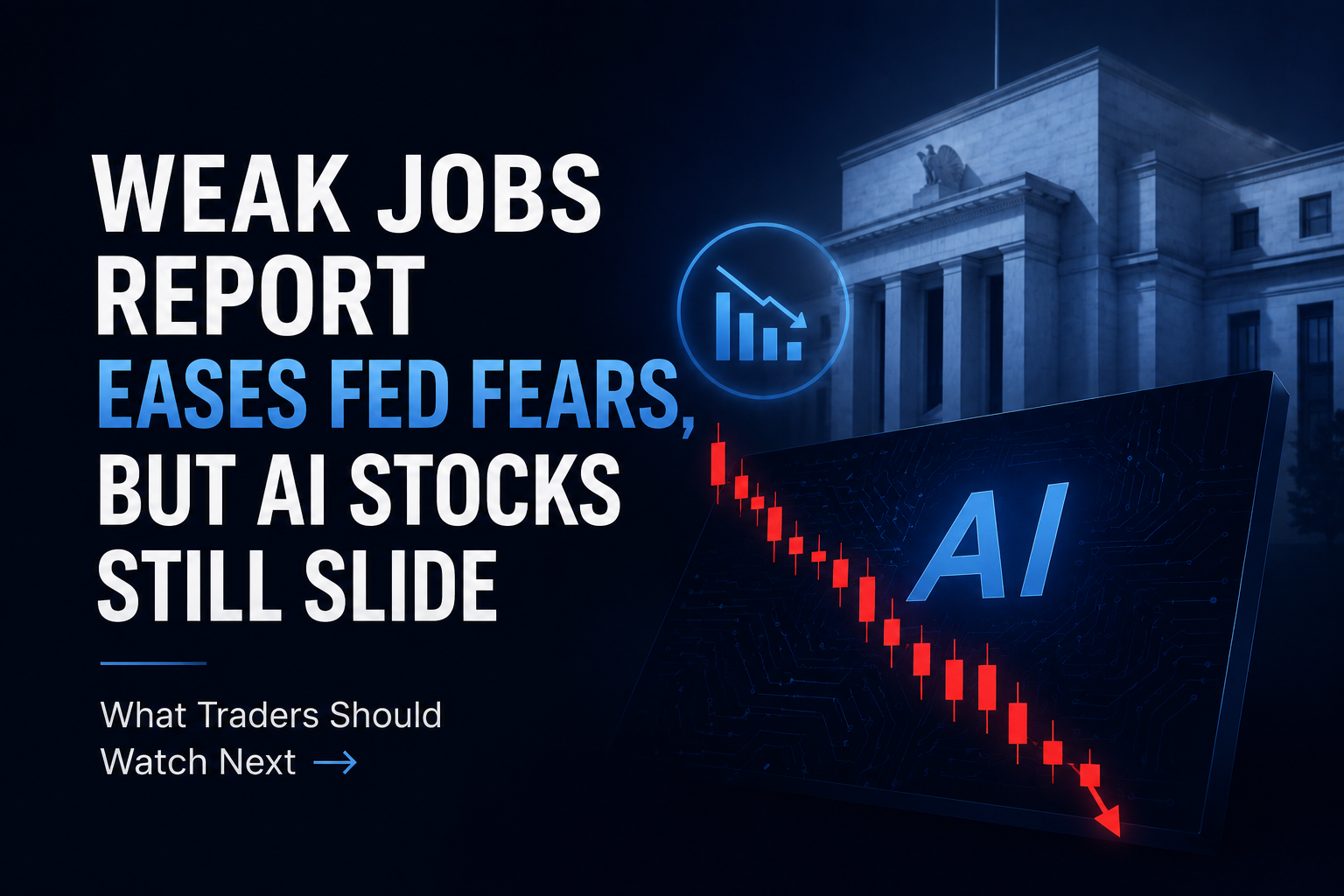
疲软就业报告缓解美联储加息担忧,但AI概念股依然下跌:交易员接下来该关注什么
美国6月就业报告发出了明确的经济放缓信号,数据不及预期,降低了对美联储加息的担忧。 尽管美国国债收益率下降,但AI和科技股依然下跌,这证明宏观利率环境的改善已不再是高估值科技股的绝对催化剂。 比特币和黄金有望从美元走弱中获益,但需要更多确认信号来维持涨势。 交易员应将注意力从美联储政策转向第二季度的企业财报质量,以此来验证当前市场的溢价估值。



相关文章
查看更多
什么是稳定币?初学者的完整指南
你是否对稳定币感到好奇,但发现加密货币的概念难以理解?你并不孤单。数字货币的世界可能很复杂,尤其对新手来说。这本全面的指南将以清晰、简单的术语拆解关于稳定币的所有知识。从了解稳定币是什么以及它们是如何运作的,到学习不同类型的稳定币以及如何安全使用它们,我们都为你准备好了。无论你是希望保护资产免受市场波动影响、进行国际汇款,还是单纯想扩展对数字货币的知识,这本指南将向你提供在稳定币领域自信导航所需的
XRP 会销毁代币吗?会,但原因和你想的不一样
如果你手上持有 XRP,或正考虑买入,大概都看过网上关于"XRP 销毁"的争论,也好奇这件事到底在吵什么。简短的答案是:没错,XRP 确实会销毁代币——每笔交易都会销毁极少量——但原因和多数人以为的并不一样。 本文将说明 XRP 销毁机制实际上如何运作、什么时候销毁多少、为什么销毁速度会逐年剧烈波动,以及这些数字是否该纳入你对 XRP 的价值判断。没有术语堆砌,也没有炒作——只有机制本身、附上日期
XRP 会涨吗?没有人愿意告诉你的诚实答案
几乎每一位 XRP 持有者,迟早都会在搜索栏里打下同一个问题:XRP 会涨吗? 而这个问题诚实的难处在于——任何人只要用一句肯定的"会"加上一个保证的目标价来回答你,他卖给你的其实是一种并不存在的确定性。 真正存在的,是一份决定 XRP 走向的简短清单,而且这些力量并不会月月改变。 本文将说明这些力量、你该如何自行研判,以及历史上 XRP 在大跌之后的复苏究竟是什么样子。 刚接触 XRP?建议先从