Is Dogecoin Worth Investing In? A Data-Driven Investment Guide
Key Takeaways
- Dogecoinis a highly volatile, meme-driven cryptocurrency with limited fundamental utility compared to more established assets like Bitcoin or Litecoin.
- Itsinflationary supply(no cap, ~5 billion new DOGE annually) limits long-term scarcity-driven appreciation and price growth.
- Futureforecasts show potential upside driven by social media momentum, community strength, and niche payment adoption, though the risks often outweigh the rewards for most investors.
- On-chain activity suggests resilience, with active addresses and whale activity spiking in late 2025, yet the price remains stable at around $0.13–$0.14 amid broader market caution.
- Investment Advice Warning: Cryptocurrencies are highly speculative and volatile. Thorough research, robust risk management, and portfolio diversification are essential for any investor.
Introduction
Dogecoin (DOGE)was launched in December 2013 as a parody of the cryptocurrency market, which was then heavily dominated by Bitcoin. Created byBilly Markus and Jackson Palmer, Dogecoin drew inspiration from the viral "Doge" meme, featuring a Shiba Inu dog, and was initially intended as a joke. However, over the years, Dogecoin has evolved into a notable asset in the crypto space, ranking among thetop 10 cryptocurrencies by market capitalization.
Dogecoin is ranked among thetop 10 cryptocurrencies by market capitalization.
Despite its lighthearted origins, Dogecoin has demonstrated remarkable resilience through multiple market cycles. As of December 2025, it boasts a market cap of approximately $22–23 billion, with a circulating supply surpassing 167 billion DOGE. The cryptocurrency’s inflationary supply model, combined with its meme-driven appeal, makes it distinct from deflationary assets like Bitcoin.
This positioning has raised many questions: Is Dogecoin a worthwhile investment? What are the long-term prospects for Dogecoin as a digital asset? For readers seeking a deeper understanding of Dogecoin’s origins, mechanics, and cultural significance, this broader overview explainswhat Dogecoin is, how it works, and why it still matters today.
This guide will explore the fundamentals, historical performance, on-chain metrics, risks, and future outlook for Dogecoin, as well as provide an in-depth analysis of why this unique asset may (or may not) be a good fit for your long-term investment strategy.
Dogecoin's Core Mechanics and Token Economics
Dogecoin operates on a Proof-of-Work (PoW) blockchainthat is a fork of Litecoin, which utilizes the Scrypt algorithm. This design allows for merged mining with Litecoin, meaning that miners can mine both Dogecoin and Litecoin simultaneously, increasing the security of the Dogecoin network without requiring an extensive hash rate.
Dogecoin differs from other cryptocurrencies likeBitcoinandLitecoinin several ways:
| Feature | Dogecoin (DOGE) | Bitcoin (BTC) | Litecoin (LTC) |
|---|---|---|---|
| Supply Model | Unlimited (inflationary) | Capped at 21 million | Capped at 84 million |
| Annual New Coins | ~5 billion (fixed block reward) | Halving reduces issuance | Halving reduces issuance |
| Block Time | 1 minute | 10 minutes | 2.5 minutes |
| Transaction Fees | Very low (~$0.01–$0.02) | Higher (variable) | Low |
| Primary Use Case | Tipping, micro-payments | Store of value | Payments |
One of the main features of Dogecoin is its inflationary supply model, where approximately 10,000 DOGE are added to circulation with each block mined. This is in stark contrast to Bitcoin, which has a capped supply of 21 million BTC, ensuring long-term scarcity and price potential driven by limited supply.
This inflationary design, where roughly 5 billion DOGE are added annually, ensures that Dogecoin remains a spending-oriented currency, primarily used for micro-transactions, tipping, and small-scale payments rather than being hoarded as a store of value.
Annual Inflation Rate
As of late 2025, the annual inflation rate of Dogecoin is around 3–4%. While substantially lower than in its early years, this ongoing inflation means the total DOGE supply continuously increases, preventing the scarcity-driven price appreciation characteristic of Bitcoin or Litecoin.
Historical Price Performance: Cycles and Drivers
Dogecoin’s price history has been characterized by extreme volatility, largely propelled by social media trends and celebrity endorsements. Here’s a look at its price action over the years:
2013–2020: Early Days and Low Volatility
- 2013: Dogecoin’s initial price was less than $0.001, and the asset experienced slow growth with occasional spikes.
- 2017–2018: The price reached $0.019 during the crypto boom, but there was no sustained growth.
2021 Surge: The Rise of the Meme Coin
- 2021: Dogecoin’s meteoric rise culminated in an all-time high of $0.74 in May, fueled by Reddit communities, celebrity endorsements (particularly from Elon Musk), and viral social media campaigns. At its peak, Dogecoin’s market cap exceeded $90 billion.
2022–2024: Bear Market Correction
- After reaching its peak in 2021, Dogecoin’s price experienced a 90%+ crash, dropping to lows around $0.05 in 2022 and 2023. This was consistent with the broader cryptocurrency bear market.
Dogecoin’s price experienced a 90%+ crash, dropping to lows around $0.05 in 2022 and 2023.
2025 Recovery: Stabilization
- As of December 2025, Dogecoin’s price has stabilized at around $0.13–$0.14. While this is far from its all-time high, the cryptocurrency has shown resilience, remaining in the top 10 cryptocurrencies by market cap. The price has been consolidating around $0.13, with some signs of positive momentum in late 2025.
Key drivers of price movement for Dogecoin have included social media campaigns, influencer endorsements, and broader cryptocurrency market trends. Despite the fading influence of celebrities like Elon Musk, Dogecoin’s community remains a powerful force that has kept the cryptocurrency in the public spotlight.
Current Fundamentals and On-Chain Metrics (Late 2025)
As of December 2025, the fundamentals of Dogecoin are strong, but its potential is still largely shaped by speculative interest and meme-driven momentum.
On-Chain Metrics
- Price:~$0.13–$0.14
- Market Cap: ~$22–23 billion
- Circulating Supply: ~168 billion DOGE
- Daily Transactions: Dogecoin continues to show elevated transaction volumes, withactive addresseshitting 71,000+, the highest sinceSeptember 2025.
- Whale Activity: Large wallets (whales) have beenaccumulating DOGE, with over480 million DOGEadded to addresses in recent months, suggesting confidence in the asset despite short-term dips.
Dogecoin presently has a market cap of 22.93 billion.
Use Cases
Dogecoin is primarily used for small transactions, such as tipping and charitable donations. It also supports micro-payments via processors like BitPay, and has been adopted by over 32,000 merchants for payments. However, Dogecoin still lags far behind Bitcoin in terms of broader adoption for large-scale payments or as a store of value.
BitPay ranked Dogecoin position 4 in terms of transaction count.
Risks of Investing in Dogecoin
Despite its strong community support and niche use cases, Dogecoin carries significant risks for investors. Here are the main factors to consider:
Inflationary Pressure
Dogecoin’s perpetual inflationary supply, adding 5 billion DOGE annually, makes it difficult for the currency to maintain value over time, especially compared to capped assets like Bitcoin. As a result, the long-term appreciation potential is capped, making Dogecoin unsuitable for investors seeking scarcity-driven growth.
High Volatility
Dogecoin’s price is highly volatile, driven largely by speculative trends and hype. The currency is prone to sharp price swings, with 50%+ drawdowns common during bear markets. This volatility makes it a poor choice for conservative investors or those looking for stable returns.
Limited Utility
Unlike Ethereum, which has a robust smart contract platform, or Bitcoin, which is increasingly viewed as a store of value, Dogecoin lacks any significant technological edge. It doesn’t support smart contracts and competes with other faster, more scalable networks for payments.
Regulatory Uncertainty
As governments around the world begin to regulate cryptocurrencies, meme coins like Dogecoin may face increased scrutiny. Regulatory crackdowns could negatively impact its price or adoption, especially as governments seek to implement more stringent rules on digital assets.
Competition
The rise of new meme coins and faster, more efficient blockchain networks could gradually erode Dogecoin’s market share. Other cryptocurrencies are continuously evolving to address the scalability and transaction fee issues that Dogecoin faces.
Beyond market volatility and regulatory uncertainty, improper storage remains one of the most underestimated risks for Dogecoin holders. Wallet security, custody choices, and operational mistakes can lead to permanent losses. For a practical breakdown of storage options and risk-avoidance strategies, this guide explainshow to store Dogecoin safely.
Potential Rewards and Outlook for 2025–2026
While Dogecoin certainly has its risks, some potentialbullish factorscould drive its growth in the near term.
Bullish Drivers
- Strong Community: Dogecoin’s vibrant, passionate community remains one of its greatest assets. The strength of the Dogecoin community can drive organic adoption, especially for small transactions and tip-based applications.
- Cultural Relevance: Dogecoin continues to maintain cultural relevance, largely driven by its meme status and celebrity endorsements.
- Low Transaction Fees: Dogecoin’s low transaction fees make it an attractive option for micro-payments in areas like IoT (Internet of Things) and DeFi (Decentralized Finance), where speed and cost-efficiency are crucial.
Long-Term Price Predictions
- Conservative Scenario: Dogecoin could see prices in the range of $0.15–$0.33 by the end of 2026 and beyond, assuming gradual adoption and broader market recovery.
- Optimistic Scenario: Should meme-driven hype return or if Dogecoin sees broader merchant adoption and niche payment growth,prices could reach $0.50–$1.00.
For readers considering participation rather than purely observing these price scenarios, understanding the actual buying process is essential. This step-by-step guide explainshow to buy Dogecoin (DOGE) on MEXCwith low fees, fast execution, and essential safety considerations.
Longer-term predictions (by 2030) suggest that Dogecoin could potentially reach $1–$3, but this depends on broader market conditions, real-world adoption, and its ability to differentiate itself from newer meme coins and networks.
Summary
Dogecoin remains a high-risk investment, but it holds appeal for speculative investors drawn to its community strength and low transaction fees. Its inflationary design, volatile price behavior, and limited utility make it unsuitable for those seeking a long-term store of value. The potential for modest gains in 2025–2026 exists, but substantial risks persist.
Investors should approach Dogecoin with caution and consider it as a high-risk asset within a diversified portfolio. Education, risk management, and diversification are key to navigating the unpredictable nature of meme-driven investments like Dogecoin.
Dogecoin is available for spot trading on major exchanges, includingMEXC.
热门加密动态
查看更多
BEEG vs ANSEM(The Black Bull) 2026:谁更能代表Meme Coin新周期?
概述 2026年的meme coin市场正在发生变化。早期的meme coin更多依赖动物形象、社区梗图和短线情绪,而现在,市场开始更关注“生态位置、社区动员、链上流动性、KOL影响力和交易热度”之间的组合。 BEEG和ANSEM正好代表了两种不同的meme coin路径。BEEG是Sui生态中的社区型meme token,围绕蓝鲸形象、社区文化和Sui生态增长展开;ANSEM则是Solana生态

2026年BEEG已死?链上数据给出了截然不同的答案
2026年beeg真的死了吗?本文深度解析Beeg Blue Whale(BEEG)的链上数据、持仓结构与社区活跃度,揭示这枚Sui生态Meme币当前真实状态,以及为何MEXC是交易BEEG的最佳平台。 Key Takeaways Beeg Blue Whale(BEEG)是部署在Sui区块链上的社区驱动型Meme币,总供应量100亿枚,100%公平发行,零团队锁仓 当前价格约$0.000020~

2026年第三季度,BEEG还值得买入吗?
2026年Q3,Beeg Blue Whale(BEEG)还有投资价值吗?本文深度解析BEEG代币经济模型、价格预测与Sui生态发展潜力,并告诉你为什么MEXC是交易BEEG的最佳平台。 Key Takeaways BEEG Blue Whale 是部署在 Sui 区块链上的社区驱动型 Meme 币,100% 公平发行,无团队预留 当前价格距历史最高点下跌约 98%,保守预测 2026 年涨幅区间

热门新闻
查看更多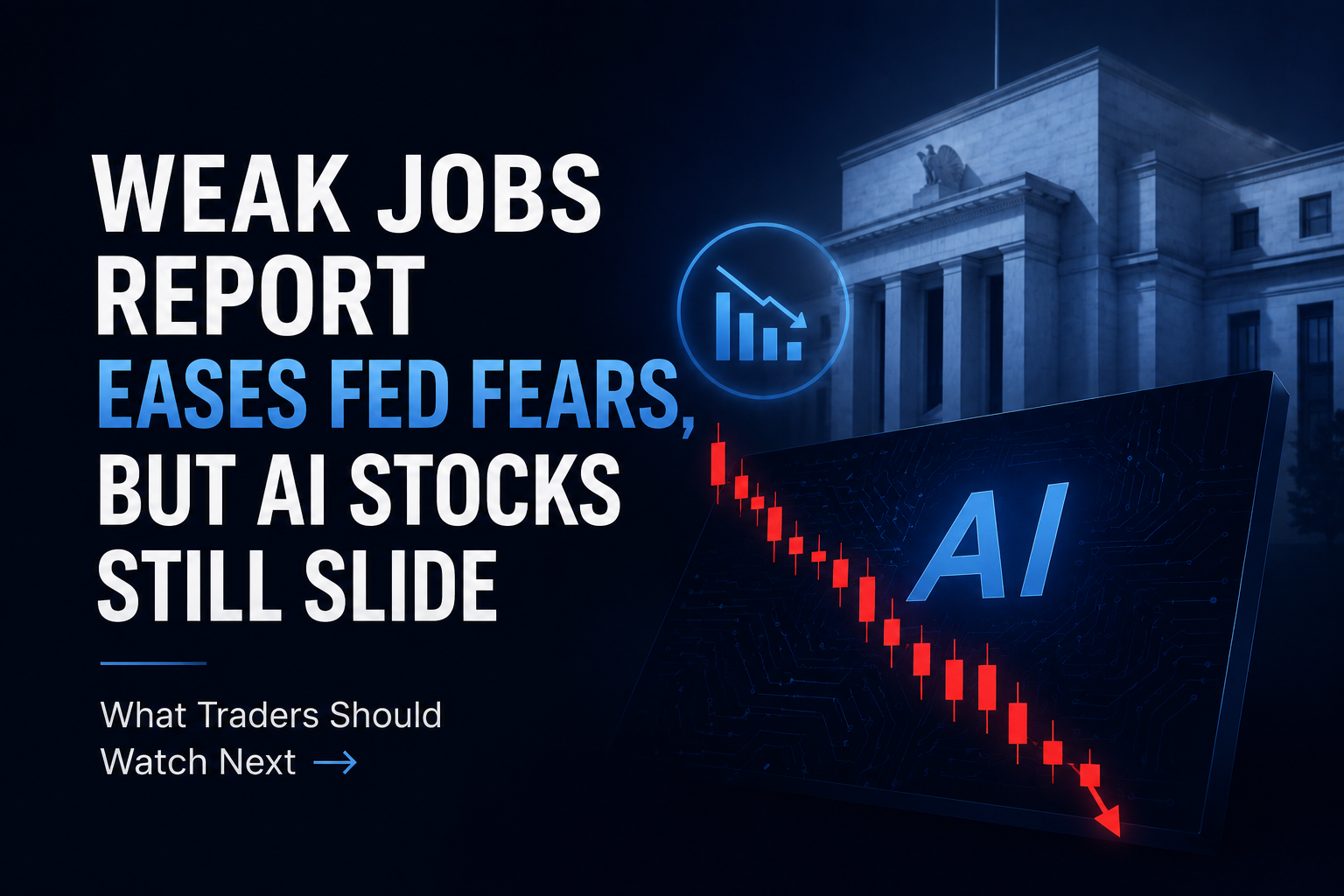
疲软就业报告缓解美联储加息担忧,但AI概念股依然下跌:交易员接下来该关注什么
美国6月就业报告发出了明确的经济放缓信号,数据不及预期,降低了对美联储加息的担忧。 尽管美国国债收益率下降,但AI和科技股依然下跌,这证明宏观利率环境的改善已不再是高估值科技股的绝对催化剂。 比特币和黄金有望从美元走弱中获益,但需要更多确认信号来维持涨势。 交易员应将注意力从美联储政策转向第二季度的企业财报质量,以此来验证当前市场的溢价估值。


相关文章
查看更多
什么是稳定币?初学者的完整指南
你是否对稳定币感到好奇,但发现加密货币的概念难以理解?你并不孤单。数字货币的世界可能很复杂,尤其对新手来说。这本全面的指南将以清晰、简单的术语拆解关于稳定币的所有知识。从了解稳定币是什么以及它们是如何运作的,到学习不同类型的稳定币以及如何安全使用它们,我们都为你准备好了。无论你是希望保护资产免受市场波动影响、进行国际汇款,还是单纯想扩展对数字货币的知识,这本指南将向你提供在稳定币领域自信导航所需的

XRP 会销毁代币吗?会,但原因和你想的不一样
如果你手上持有 XRP,或正考虑买入,大概都看过网上关于"XRP 销毁"的争论,也好奇这件事到底在吵什么。简短的答案是:没错,XRP 确实会销毁代币——每笔交易都会销毁极少量——但原因和多数人以为的并不一样。 本文将说明 XRP 销毁机制实际上如何运作、什么时候销毁多少、为什么销毁速度会逐年剧烈波动,以及这些数字是否该纳入你对 XRP 的价值判断。没有术语堆砌,也没有炒作——只有机制本身、附上日期

XRP 会涨吗?没有人愿意告诉你的诚实答案
几乎每一位 XRP 持有者,迟早都会在搜索栏里打下同一个问题:XRP 会涨吗? 而这个问题诚实的难处在于——任何人只要用一句肯定的"会"加上一个保证的目标价来回答你,他卖给你的其实是一种并不存在的确定性。 真正存在的,是一份决定 XRP 走向的简短清单,而且这些力量并不会月月改变。 本文将说明这些力量、你该如何自行研判,以及历史上 XRP 在大跌之后的复苏究竟是什么样子。 刚接触 XRP?建议先从