MEXC vs Gate KIMI Pre-IPO Futures: Fees, Leverage and Position Limits Compared
Summary
Both MEXC and Gate provide Pre-IPO perpetual futures linked to market expectations surrounding Moonshot AI and Kimi.
However, the compared KIMI contract settings show important differences in:
Trading fees;
Maximum leverage;
Position limits at higher leverage.
Based on the August 2026 contract comparison:
| Feature | MEXC | Gate |
|---|---|---|
| Maker fee | 0.01% | 0.02% |
| Taker fee | 0.04% | 0.05% |
| Maximum leverage | 20x | 10x |
| Position limit at 6–10x | 15,000 | 5,000 |
| Position limit above 10x | Up to 15,000 at 20x | Not available |
Gate’s official KIMI announcement confirms that its Pre-Market contract supports adjustable leverage of 1x to 10x.
Eligible users can access MEXC MOONSHOTUSDT Pre-IPO Futures.
Contract settings can change, so traders should verify live specifications before trading.
What Are KIMI Pre-IPO Futures?
KIMI Pre-IPO Futures are derivatives linked to market expectations for Moonshot AI before a potential IPO.
They do not represent actual Moonshot AI shares.
Read What Is MOONSHOTUSDT Pre-IPO Futures? before comparing platforms.
Fee Comparison
Based on the contract settings provided for August 2026:
MEXC
Maker: 0.01%
Taker: 0.04%
Gate
Maker: 0.02%
Taker: 0.05%
For frequent traders, even a small fee difference can matter.
Example: Taker Fees on $100,000 of Trading Volume
Using the compared headline rates:
MEXC
$100,000 × 0.04% = $40
Gate
$100,000 × 0.05% = $50
Difference:
$10 per $100,000 of taker volume
This example excludes:
Funding;
VIP discounts;
Promotions;
Slippage;
Other account-level fee adjustments.
Leverage Comparison
MEXC launched MOONSHOTUSDT with up to 20x leverage.
Gate’s official announcement states that MOONSHOTUSDT supports 1x–10x leverage.
| Platform | Maximum leverage |
|---|---|
| MEXC | 20x |
| Gate | 10x |
This gives MEXC greater leverage flexibility.
However:
Higher leverage is not automatically an advantage for every trader.
Higher leverage also increases liquidation sensitivity.
Position Limit Comparison
The comparison becomes more nuanced when position limits are considered.
Based on the supplied contract settings:
MEXC
1x–20x: position limit approximately 15,000.
Gate
1x–5x: approximately 35,000
6x–10x: approximately 5,000
This means Gate provides the larger allowance at lower leverage, while MEXC provides the stronger allowance in the higher-leverage range.
Where MEXC Has the Advantage
At leverage of 6x–10x, the compared position limits are:
MEXC: 15,000
Gate: 5,000
That gives MEXC approximately three times the compared position allowance in that higher-leverage range.
MEXC also supports leverage above Gate’s 10x maximum, up to 20x according to the launch configuration.
Where Gate Has the Advantage
At leverage of 1x–5x, the supplied comparison shows Gate allowing approximately 35,000 versus 15,000 at MEXC.
Therefore, it would be inaccurate to claim simply:
“MEXC has the highest position limit at all leverage levels.”
A more accurate statement is:
Based on the compared August 2026 settings, MEXC offers a larger KIMI position allowance in the 6x–10x range and supports leverage up to 20x, while Gate offers a higher position limit at 1x–5x.
Why Fees Matter More for Active Traders
Trading fees increase with:
Position size;
Trading frequency;
Turnover.
A trader opening and closing multiple positions may pay materially more in cumulative fees than a long-term trader.
But fees should not be analyzed alone.
A lower trading fee can be outweighed by:
Wider spreads;
Greater slippage;
Worse funding rates.
Why Liquidity Matters
The best futures market is not necessarily the one with the highest leverage.
Traders should also compare:
Bid-ask spread;
Depth at multiple prices;
Open interest;
Trading volume;
Price impact.
A trader executing a large position in a shallow market may lose more through slippage than they save through lower fees.
Funding Rate Comparison
Funding rates fluctuate dynamically.
A platform with lower trading fees may temporarily have a more expensive funding rate for a crowded position.
For a multiday trade, compare:
Total cost = trading fees + funding + slippage
rather than focusing only on maker or taker rates.
Which Platform May Suit Higher-Leverage Traders?
Based on the compared terms, MEXC may be more flexible for traders seeking:
More than 10x leverage;
Larger positions at 6x–10x;
Lower headline maker and taker fees.
This does not mean 20x leverage is recommended.
A small adverse move can cause a high-leverage position to lose a large percentage of its margin.
Which Platform May Suit Lower-Leverage Large Positions?
Based on the supplied limits, Gate may offer more room at 1x–5x.
Traders should still compare real-time liquidity rather than relying only on the formal maximum position allowance.
MEXC KIMI Contract Advantages at a Glance
Based on the August 2026 comparison:
Lower headline maker fee;
Lower headline taker fee;
Higher maximum leverage;
Larger position allowance at 6x–10x;
Up to 20x leverage.
MEXC MOONSHOTUSDT Trading Page
FAQ
Which platform offers higher KIMI leverage?
Based on the compared settings, MEXC offers up to 20x and Gate up to 10x.
Which has lower KIMI futures fees?
The supplied August 2026 settings show lower headline maker and taker rates at MEXC.
Does MEXC always have the higher position limit?
No. Gate’s supplied limit is higher at 1x–5x, while MEXC is higher at 6x–10x.
Are these contract settings permanent?
No. Exchanges can change fees, leverage and risk limits.
Does either futures contract represent Kimi stock?
No.
Risk Disclaimer
This comparison is based on the contract settings available or provided for August 2026 and may become outdated.
Exchange fees, leverage, position limits, funding and risk parameters can change.
Pre-IPO futures involve substantial leverage, pricing, liquidity and liquidation risks.
热门新闻
查看更多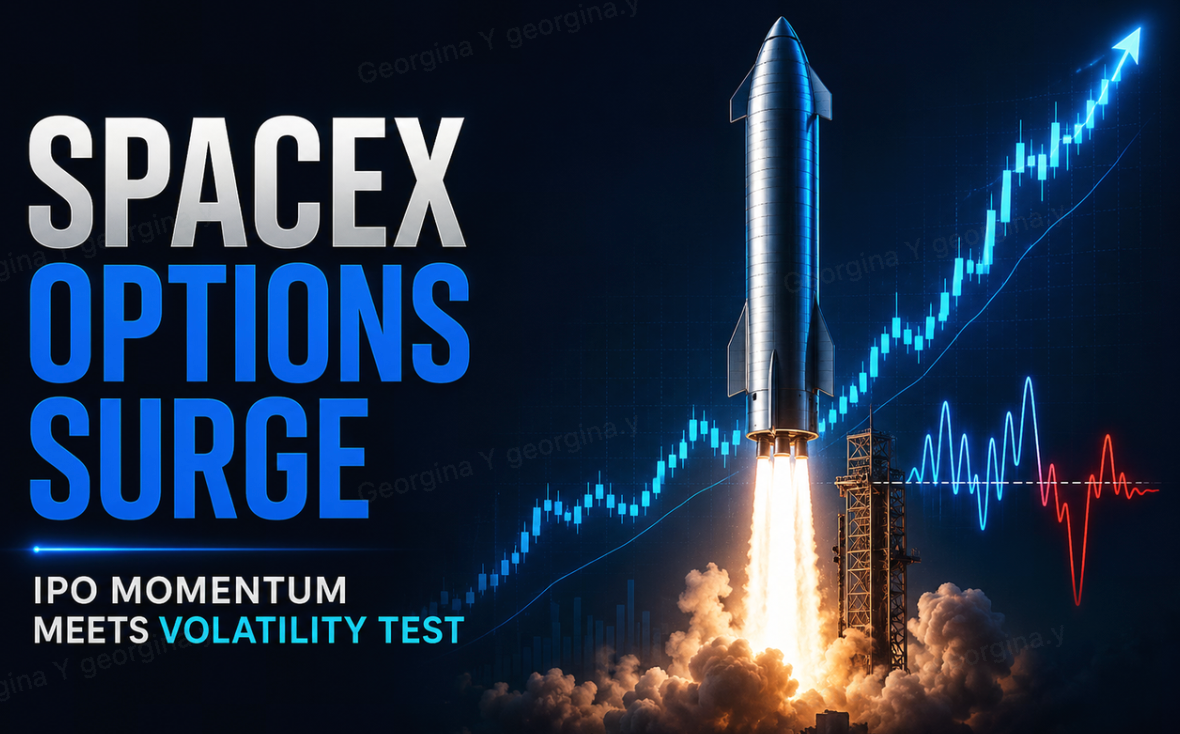
SpaceX 期权激增:IPO 势头转化为波动率测试
SpaceX 的 IPO 后反弹已不仅仅是一个首日需求的故事。在以 135 美元定价、开盘于 150 美元左右并迅速涨破 200 美元后,市场目前正在经历一次关键的测试。最显著的变化是衍生品的出现:创纪录的首日期权交易量使 SpaceX 从一个标准的 IPO 动量交易转化为一个复杂的、波动率驱动的定价叙事。在这种新机制下,整数关口、做市商对冲和隐含波动率对短期价格的影响与公司的长期太空愿景不相上下



相关文章
查看更多
辉达股价预测:AI 热潮开始侵蚀辉达自己的利润了吗?
辉达的毛利率刚刚连续第三季度维持在接近 75% 的水准。 而在同一份新闻稿里,公司下修了这个数字的指引。 营收仍在加速——截至 2026 年 7 月 26 日的当季达 962 亿美元,比一年前的两倍还多,而下一季的指引则是 1,080 亿美元。 也就是说,公司一边加速增长,一边在每一美元营收上赚得更少;而这一组张力解释了大部分的原因,这组张力也是为什么覆盖同一家公司的分析师,连一年后的目标价都无法
AI 推理正在改变 NAND 周期吗?Sandisk 对存储芯片股意味着什么
AI 推理需要的不只是算力,大规模部署同样需要不断增长、能够快速访问且具备成本效率的存储容量。 NAND 正逐步成为与 HBM、DRAM 并存的 AI 容量层,而不再只是传统商品型存储产品。 Sandisk 预计,到 2030 年企业数据中心闪存需求将达到 1.2 ZB,并正在开发专门面向 AI 推理的 High Bandwidth Flash。 Sandisk、Samsung 等存储厂商开始采用
2026 AI 基础设施股票:谁真正受益于 Big Tech 的 AI 资本支出?
Key Takeaways Microsoft、Amazon、Alphabet 和 Meta 在 2026 年仍在大规模投入 AI 基础设施和数据中心。 Nvidia 仍是最直接的 AI 资本支出受益者之一,但 AI 云、服务器、网络和光通信也开始呈现明确增长。 CoreWeave、Nebius、Dell 和 Broadcom 提供了 AI 支出转化为营收、订单和待履约收入最清晰的证据之一。 随着