SK hynix vs Micron vs Samsung: Which AI Memory Company Is Different?
Summary
SK hynix, Micron and Samsung are the three most prominent suppliers competing in advanced HBM and broader memory markets.
| Company | Public-market access | Main strengths |
| SK hynix | 000660, SKHY and SKHYON | HBM leadership, NVIDIA relationship, DRAM, Solidigm |
| Micron | Nasdaq: MU | U.S. listing, HBM4, DRAM, NAND, SSDs |
| Samsung Electronics | KRX: 005930 | Scale, HBM, DRAM, NAND, foundry and packaging |
No company is automatically the best investment. They offer different technology, valuation, geographic and execution profiles.
SK hynix
Potential strengths:
- Established HBM production experience;
- HBM4 and HBM4E roadmap;
- Multiyear NVIDIA partnership;
- Strong operating margins;
- SOCAMM2 and enterprise SSD exposure.
Potential risks:
- Customer concentration;
- Korean and FX exposure;
- High expectations;
- Capital intensity.
Micron
Micron reported HBM4 high-volume production for NVIDIA Vera Rubin, with more than 2.8TB/s bandwidth and over 20% better power efficiency than its HBM3E. It also began producing PCIe Gen6 SSDs and SOCAMM2 products.
Its Q3 fiscal 2026 results showed record performance and guidance for Q4 revenue of approximately $50 billion with gross margin near 86%.
Potential advantages:
- Direct U.S. listing;
- Strong HBM4 specifications;
- DRAM and NAND diversification;
- U.S. policy support.
Risks include valuation, memory cyclicality and competition.
Samsung Electronics
Samsung began commercial HBM4 shipments in February 2026 and said its 2026 HBM sales could more than triple from 2025. It shipped HBM4E samples in May 2026.
Potential advantages:
- Large manufacturing scale;
- Memory, foundry and packaging integration;
- Broad DRAM and NAND portfolio;
- Ability to supply custom AI chips and memory.
Risks include complex conglomerate exposure and execution across multiple businesses.
HBM4 Comparison
| Company | 2026 HBM4 position |
| SK hynix | HBM4 production prepared; HBM4E samples shipped |
| Micron | HBM4 in high-volume production |
| Samsung | Commercial HBM4 shipped; HBM4E samples shipped |
Company announcements use different testing methods, configurations and product schedules, so specifications should not be compared without context.
Which Has the Broadest AI Portfolio?
Samsung has the broadest semiconductor portfolio because it combines memory, foundry, logic and packaging.
SK hynix is more concentrated on memory and storage, potentially offering more direct AI-memory exposure.
Micron also provides relatively focused memory exposure through a U.S.-listed company.
Which Has the Clearest U.S. Access?
Micron trades as an ordinary Nasdaq-listed U.S. common stock.
SK hynix offers SKHY ADSs and SKHYON tokenized exposure.
Samsung’s main common shares trade in Korea, which may be less convenient for some international investors.
Key Comparison Risks
- Specifications may not translate into market share;
- Customer qualification determines commercial success;
- Yield and packaging capacity matter;
- Pricing can outweigh shipment growth;
- The leading company in one generation may not lead the next.
FAQ
Which company leads HBM?
Leadership depends on generation, customer, shipment volume, yield and timing. SK hynix has established HBM experience, while Samsung and Micron have advanced aggressively in HBM4.
Which is the most direct U.S. stock?
Micron.
Which offers tokenized MEXC access?
Eligible users can trade SKHYON/USDT.
Risk Disclaimer
This comparison is educational and does not recommend one company. Memory markets are cyclical, and technology announcements do not guarantee revenue, market share or investment returns.
热门新闻
查看更多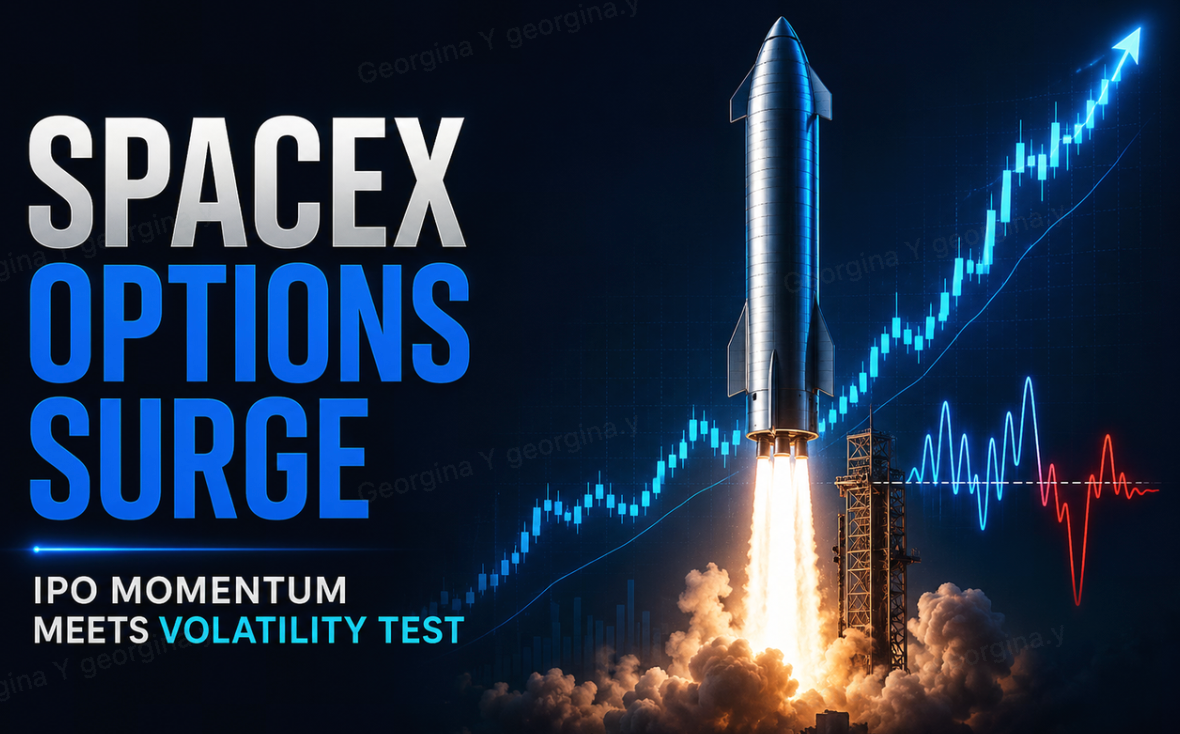
SpaceX 期权激增:IPO 势头转化为波动率测试
SpaceX 的 IPO 后反弹已不仅仅是一个首日需求的故事。在以 135 美元定价、开盘于 150 美元左右并迅速涨破 200 美元后,市场目前正在经历一次关键的测试。最显著的变化是衍生品的出现:创纪录的首日期权交易量使 SpaceX 从一个标准的 IPO 动量交易转化为一个复杂的、波动率驱动的定价叙事。在这种新机制下,整数关口、做市商对冲和隐含波动率对短期价格的影响与公司的长期太空愿景不相上下



相关文章
查看更多
辉达股价预测:AI 热潮开始侵蚀辉达自己的利润了吗?
辉达的毛利率刚刚连续第三季度维持在接近 75% 的水准。 而在同一份新闻稿里,公司下修了这个数字的指引。 营收仍在加速——截至 2026 年 7 月 26 日的当季达 962 亿美元,比一年前的两倍还多,而下一季的指引则是 1,080 亿美元。 也就是说,公司一边加速增长,一边在每一美元营收上赚得更少;而这一组张力解释了大部分的原因,这组张力也是为什么覆盖同一家公司的分析师,连一年后的目标价都无法
AI 推理正在改变 NAND 周期吗?Sandisk 对存储芯片股意味着什么
AI 推理需要的不只是算力,大规模部署同样需要不断增长、能够快速访问且具备成本效率的存储容量。 NAND 正逐步成为与 HBM、DRAM 并存的 AI 容量层,而不再只是传统商品型存储产品。 Sandisk 预计,到 2030 年企业数据中心闪存需求将达到 1.2 ZB,并正在开发专门面向 AI 推理的 High Bandwidth Flash。 Sandisk、Samsung 等存储厂商开始采用
2026 AI 基础设施股票:谁真正受益于 Big Tech 的 AI 资本支出?
Key Takeaways Microsoft、Amazon、Alphabet 和 Meta 在 2026 年仍在大规模投入 AI 基础设施和数据中心。 Nvidia 仍是最直接的 AI 资本支出受益者之一,但 AI 云、服务器、网络和光通信也开始呈现明确增长。 CoreWeave、Nebius、Dell 和 Broadcom 提供了 AI 支出转化为营收、订单和待履约收入最清晰的证据之一。 随着