What Is iShares Silver Trust (NYSE Arca: SLV)? How the Silver Trust Works
Summary
The iShares Silver Trust, traded on NYSE Arca under the ticker SLV, is an exchange-traded trust designed to provide investors with exposure to the price of silver without requiring them to purchase, transport or personally store physical silver bullion.
The Trust seeks to reflect the performance of the price of silver before payment of the Trust’s expenses and liabilities. However, SLV is not an actively managed investment fund. The Trust does not attempt to predict silver prices, trade tactically, profit from short-term price movements or reduce losses when silver prices fall.
Its principal asset is physical silver held by its custodian on behalf of the Trust. Over time, the Trust may sell small amounts of silver to pay its fees and other liabilities. As a result, the amount of silver represented by each SLV share generally declines gradually.
Eligible users seeking blockchain-based exposure linked to SLV can also trade SLVON/USDT on MEXC. SLVON is an Ondo tokenized product linked to SLV’s economic performance. It is not physical silver and does not represent direct ownership of SLV shares.
What Is the iShares Silver Trust?
The iShares Silver Trust is a commodity-based exchange-traded product sponsored by an iShares entity and listed on NYSE Arca.
Its purpose is relatively narrow: to hold silver and issue tradable shares whose value is linked to the silver held by the Trust, after accounting for expenses and liabilities.
Investors can buy and sell SLV shares through securities brokers in a similar way to listed stocks. However, SLV is not an operating company. It does not manufacture products, earn revenue from customers or employ an active investment strategy.
The Trust’s value is mainly influenced by:
The market price of silver;
The quantity of silver held by the Trust;
Trust expenses and liabilities;
Investor demand for SLV shares;
Differences between SLV’s market price and net asset value.
Investors can review the latest holdings, net asset value and product information through the official iShares Silver Trust page.
What Is SLV’s Investment Objective?
SLV seeks to reflect generally the performance of the price of silver before payment of the Trust’s expenses and liabilities.
This wording contains three important points.
SLV Tracks Silver Rather Than a Managed Portfolio
The Trust is intended to provide exposure to silver. It does not invest in a diversified portfolio of mining stocks, bonds, commodity producers or other precious metals.
Expenses Reduce Investor Returns
SLV must pay sponsor fees and certain other liabilities.
Because the Trust does not operate a business that generates cash flow, it may sell small amounts of silver to pay these costs. Consequently, SLV may underperform a theoretical investment in silver that has no storage, administration or trust expenses.
Tracking Is Not Guaranteed to Be Exact
SLV’s market price can differ temporarily from:
The value of the Trust’s silver;
Its published net asset value;
The silver spot price;
Silver futures prices.
These differences may arise from market demand, trading hours, liquidity and the structure of the Trust.
How the iShares Silver Trust Works
The structure includes several different participants.
| Participant | Main role |
|---|---|
| Sponsor | Establishes and oversees the Trust’s structure |
| Trustee | Performs trust administration and calculates applicable values |
| Custodian | Holds the Trust’s physical silver |
| Authorized Participants | Create and redeem large Baskets of SLV shares |
| Securities investors | Buy and sell individual SLV shares through brokers |
| NYSE Arca | Provides the secondary market for SLV |
The latest legal documents, financial reports and organizational information are available through the SEC EDGAR filings for iShares Silver Trust.
Is SLV Actively Managed?
No. SLV is not an actively managed trust.
The Trust does not:
Increase its silver exposure because management expects prices to rise;
Reduce its silver exposure because management expects prices to fall;
Use technical analysis to time purchases and sales;
Hedge against declining silver prices;
Trade silver futures to generate additional returns;
Rotate between silver, gold and other commodities.
The Trust does not engage in activities designed to profit from silver-price fluctuations or reduce losses caused by those fluctuations.
If silver prices fall substantially, the Trust generally remains exposed to that decline. There is no portfolio manager attempting to protect investors from the downturn.
This passive structure makes SLV relatively straightforward, but it also means investors bear silver-price risk directly.
What Assets Does SLV Hold?
The Trust’s principal asset is silver bullion held by its custodian.
The silver is generally held in the form of bars that meet applicable market standards. The Trust may also temporarily hold limited cash arising from transactions or needed to pay liabilities, but it is not designed to maintain a diversified cash or securities portfolio.
SLV investors should understand the ownership distinction:
The Trust owns or has rights relating to the silver held by the custodian;
SLV shareholders own shares representing an interest in the Trust;
Ordinary retail investors do not directly own individually identified silver bars;
Buying one SLV share does not allow an investor to demand delivery of a small amount of physical silver.
Can SLV Investors Redeem Shares for Physical Silver?
Ordinary investors generally cannot exchange individual SLV shares directly for silver bars.
Creation and redemption occur through large groups of shares known as Baskets. Only qualified financial institutions acting as Authorized Participants can normally create or redeem these Baskets under the Trust’s procedures.
The process works broadly as follows:
Creation
An Authorized Participant arranges to deliver the required silver or applicable assets.
The Trust issues a Basket of new SLV shares.
The Authorized Participant may sell those shares in the secondary market.
Additional supply can help reduce a market-price premium.
Redemption
An Authorized Participant collects the required number of SLV shares.
The Basket is submitted for redemption.
The corresponding silver is released according to the Trust’s procedures.
Reducing share supply can help narrow a market-price discount.
This creation and redemption mechanism helps connect SLV’s market price with the value of its underlying silver.
How Does SLV Track the Silver Price?
The relationship can be simplified as:
Global silver market price
↓
Value of silver held by the Trust
↓
SLV net asset value
↓
SLV market price on NYSE Arca
Several silver-market benchmarks can influence investor expectations. Useful sources include:
SLV is not identical to the quoted price of one ounce of silver. One share represents a fractional interest in the Trust’s net assets, and the amount of silver associated with each share changes over time.
Why Does the Amount of Silver Per Share Decline?
The Trust must pay operating costs.
The official iShares product information lists a sponsor fee, which is calculated as a percentage of the Trust’s net asset value. The applicable rate and current expense information should always be checked on the official SLV product page.
Because the Trust does not generate operating income, it may sell silver to pay:
The sponsor’s fee;
Trust administration costs not otherwise covered;
Certain taxes or liabilities;
Extraordinary expenses, where applicable.
As silver is sold while the number of outstanding shares remains unchanged, the amount of silver represented by each share can gradually decrease.
This creates a long-term difference between:
Holding physical silver without ongoing management fees;
Holding SLV and paying trust expenses indirectly.
Why Can SLV Trade Above or Below Its Net Asset Value?
SLV’s market price is determined by buyers and sellers on NYSE Arca.
Its net asset value is based on the value of the Trust’s assets after liabilities.
SLV may trade at a premium or discount because of:
Sudden silver-price movements;
Trading outside the main silver benchmark window;
Strong demand for SLV shares;
Limited immediate arbitrage capacity;
Market volatility;
Bid-ask spreads;
Differences between spot and futures markets.
Authorized Participant creation and redemption generally help reduce large or persistent differences, but they do not guarantee that SLV will trade at exactly its net asset value at every moment.
SLV vs Physical Silver vs Silver Futures
| Feature | SLV | Physical silver | Silver futures |
|---|---|---|---|
| Asset | Trust share | Coins or bullion | Derivative contract |
| Physical storage required | No personal storage | Yes | Usually no |
| Direct bullion ownership | No | Yes | No |
| Leverage | No built-in leverage | Usually no | Commonly used |
| Expiration date | No | No | Yes |
| Ongoing costs | Trust expenses | Storage, insurance and dealer spreads | Margin, commissions and rollover costs |
| Retail liquidity | Generally high during market hours | Depends on dealer | Generally high in active contracts |
| Delivery access | Not available to ordinary individual shareholders | Investor already holds metal | Depends on contract and broker |
SLV may be convenient for investors seeking securities-account exposure to silver. Physical silver may appeal to investors prioritizing direct possession. Futures may suit experienced traders seeking leverage or hedging tools, but they introduce margin and expiration risks.
What Are the Main Risks of SLV?
Silver-Price Risk
SLV can decline substantially when silver prices fall. The Trust does not actively hedge this exposure.
Tracking Risk
SLV may not match the silver spot price exactly because of fees, liabilities, trading conditions and differences between market price and net asset value.
Custody Risk
The Trust depends on its custodian and related silver-storage arrangements.
Liquidity and Market-Price Risk
Investors may experience wider spreads or temporary premiums and discounts during volatile periods.
No Operating Income
SLV does not operate a business that generates profits. Its value primarily depends on silver and the Trust’s assets.
No Direct Retail Redemption
Ordinary shareholders generally cannot redeem small numbers of SLV shares for physical silver.
Regulatory and Tax Risk
Commodity trusts may receive different tax treatment from ordinary stocks or registered investment funds. Investors should obtain advice appropriate to their jurisdiction.
How SLV Connects to SLVON on MEXC
SLVON adds another layer between the investor and the underlying silver market.
The relationship is:
Physical silver prices
↓
SLV net asset value
↓
SLV market price
↓
Ondo SLVON reference value
↓
SLVON/USDT price on MEXC
SLVON is an Ondo tokenized product designed to provide economic exposure linked to SLV. It is not issued by the iShares Silver Trust, and buying it does not provide direct ownership of SLV shares or physical silver.
Eligible users can trade through the MEXC SLVON/USDT market.
Useful MEXC Learn resources include:
Who May Consider SLV Exposure?
SLV may be relevant to investors who:
Want exposure to silver through a securities account;
Do not want to store physical bullion;
Prefer a listed and liquid market product;
Understand that trust fees reduce long-term holdings;
Accept silver-price volatility;
Do not require physical redemption.
It may be less suitable for investors who require direct possession of silver, guaranteed tracking, active downside protection or income generated by an operating business.
FAQ
What is SLV?
SLV is the ticker for the iShares Silver Trust, an exchange-traded trust that holds silver and seeks to reflect silver-price performance before expenses and liabilities.
Is SLV a silver mining company?
No. SLV does not operate mines. Its principal asset is silver bullion held through the Trust’s custody structure.
Is SLV actively managed?
No. The Trust does not trade actively or attempt to protect investors from falling silver prices.
Does buying SLV mean owning physical silver?
An investor owns SLV shares, not individually allocated silver bars. Ordinary investors generally cannot redeem individual shares for physical silver.
Why can SLV underperform silver over time?
Trust fees and liabilities can require the sale of silver, gradually reducing the amount of silver represented by each share.
Does SLV always equal its net asset value?
No. Its market price may temporarily trade above or below net asset value.
What is SLVON?
SLVON is an Ondo tokenized product designed to provide economic exposure linked to SLV. It is separate from SLV and physical silver.
Where can eligible users trade SLVON?
Eligible users can access the SLVON/USDT spot market on MEXC.
Risk Disclaimer
This article is provided for informational and educational purposes only. It does not constitute investment, financial, legal, accounting or tax advice.
SLV is exposed to silver-price volatility, trust expenses, custody arrangements, market-price deviations, liquidity conditions and regulatory risks. The Trust is passive and does not attempt to protect investors from falling silver prices.
SLVON introduces additional issuer, backing, tracking, liquidity, blockchain, smart-contract, USDT, exchange and jurisdictional risks. It does not represent direct ownership of physical silver or SLV shares.
Readers should review the official iShares product information, the latest SEC filings, Ondo documentation and MEXC product terms before making any decision.
热门新闻
查看更多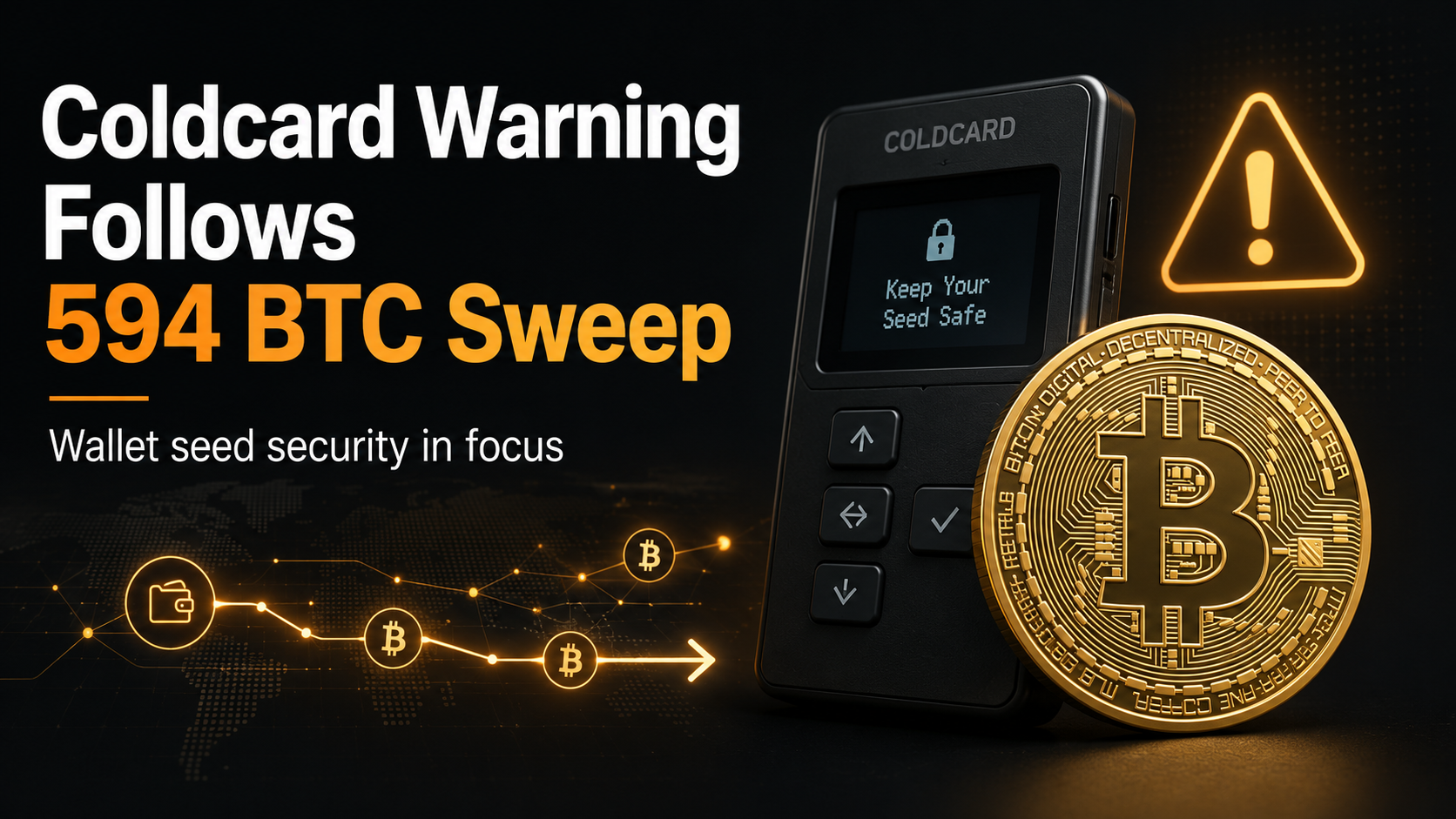
Coldcard Mk3 警告紧随 3800 万美元 Bitcoin 被扫荡事件,但原因仍未确认
比特币硬件钱包制造商Coinkite已警告用户,Coldcard设备存在种子生成问题,影响从4.0.1版本起的所有Mk3固件版本。该警告是在安全研究人员调查一起涉及594.48 BTC(约合3,800万美元)的协同转移事件时发出的。然而,目前尚无公开的技术证据证实Coldcard的问题导致了这些转账。



相关文章
查看更多
辉达股价预测:AI 热潮开始侵蚀辉达自己的利润了吗?
辉达的毛利率刚刚连续第三季度维持在接近 75% 的水准。 而在同一份新闻稿里,公司下修了这个数字的指引。 营收仍在加速——截至 2026 年 7 月 26 日的当季达 962 亿美元,比一年前的两倍还多,而下一季的指引则是 1,080 亿美元。 也就是说,公司一边加速增长,一边在每一美元营收上赚得更少;而这一组张力解释了大部分的原因,这组张力也是为什么覆盖同一家公司的分析师,连一年后的目标价都无法
AI 推理正在改变 NAND 周期吗?Sandisk 对存储芯片股意味着什么
AI 推理需要的不只是算力,大规模部署同样需要不断增长、能够快速访问且具备成本效率的存储容量。 NAND 正逐步成为与 HBM、DRAM 并存的 AI 容量层,而不再只是传统商品型存储产品。 Sandisk 预计,到 2030 年企业数据中心闪存需求将达到 1.2 ZB,并正在开发专门面向 AI 推理的 High Bandwidth Flash。 Sandisk、Samsung 等存储厂商开始采用
2026 AI 基础设施股票:谁真正受益于 Big Tech 的 AI 资本支出?
Key Takeaways Microsoft、Amazon、Alphabet 和 Meta 在 2026 年仍在大规模投入 AI 基础设施和数据中心。 Nvidia 仍是最直接的 AI 资本支出受益者之一,但 AI 云、服务器、网络和光通信也开始呈现明确增长。 CoreWeave、Nebius、Dell 和 Broadcom 提供了 AI 支出转化为营收、订单和待履约收入最清晰的证据之一。 随着