What Is PENGU Token? Pudgy Penguins’ Meme Coin With Brand Power and Market Risk
PENGU is not another anonymous meme coin trying to invent a story after launch.
Its story already existed.
The token arrived with the Pudgy Penguins brand behind it: an NFT collection, a recognizable character universe, a huge online community, and a consumer-facing push that moved far beyond profile pictures. That gives PENGU something most meme tokens do not have.
But it also creates the trap.
Brand attention can pull liquidity into a token. It does not automatically turn that token into equity, revenue share, or ownership of the Pudgy Penguins business.
What Is PENGU Token?
PENGU is the token associated with the Pudgy Penguins ecosystem. It gives the community a liquid market asset tied to one of crypto's most visible NFT-native brands.
That does not mean PENGU is a share of the company. It does not mean every Pudgy Penguins product sale flows to token holders. It does not mean holding PENGU gives automatic ownership of a Pudgy Penguin NFT.
The clean way to understand it is this: PENGU is a crypto token riding the cultural and community momentum around Pudgy Penguins.
That can be powerful. It can also be brutally volatile.
Why Did PENGU Get Attention?
Most meme tokens fight for attention from zero. PENGU entered with a built-in audience.
Pudgy Penguins had already become one of the best-known NFT brands in the market. The project had community recognition, mainstream toy distribution, social media reach, and a stronger brand identity than many short-lived crypto launches.
That matters because meme tokens trade on attention first.
When attention is deep, the market starts pricing more than a ticker. Traders begin pricing community strength, brand survival, possible exchange demand, NFT-holder interest, and future ecosystem announcements.
Still, there is a hard line: attention is a catalyst, not a balance sheet.
| PENGU Bull Case | What Traders Still Need to Question |
|---|---|
| Strong Pudgy Penguins brand recognition | Does token demand last after the launch cycle? |
| Large crypto-native community | Are buyers holding or rotating into the next trend? |
| Meme liquidity and social momentum | Can volatility break late entries quickly? |
| Ecosystem narrative | What utility is official, and what is only speculation? |
Does PENGU Represent Pudgy Penguins Ownership?
No, traders should not treat PENGU as equity unless official documents explicitly say otherwise.
This is where many brand-linked tokens become dangerous for new buyers. A famous name can make a token feel more real than other meme coins. But legal rights are not created by vibes, community posts, or ticker recognition.
PENGU may benefit from Pudgy Penguins attention. It may become part of the broader ecosystem conversation. But token holders should separate cultural exposure from legal ownership.
If the market is buying the brand story, trade it as a brand-driven crypto asset. Do not mistake it for a claim on company revenue, IP, toys, NFTs, or treasury assets.
What Moves PENGU Price?
PENGU price can move on the same forces that drive high-beta meme assets: exchange listings, liquidity, social volume, whale wallets, broader market risk appetite, NFT sentiment, and official Pudgy Penguins updates.
It can also react to disappointment.
If traders expect a major utility announcement and receive only branding, price can fade. If liquidity thins after a hype wave, small sells can move the chart harder than expected. If the NFT market weakens, a token connected to NFT culture may feel that pressure even if the token has its own separate market.
The upside case is attention compression: a known brand, a liquid token, and a market hungry for recognizable meme assets.
The downside case is just as simple: too many people buy the symbol and never read the terms.
Is PENGU a Meme Coin or an Ecosystem Token?
It can trade like both.
That is exactly why the market cares. PENGU has meme-coin velocity, but it is attached to a brand with more staying power than the average weekend launch. This mix can attract traders who want culture exposure without buying an NFT.
But classification does not remove risk. If PENGU trades like a meme coin, it can fall like one. If the market prices it like an ecosystem token, it may demand clearer utility over time.
The token has to keep earning attention.
FAQ
1. What is PENGU token used for?
PENGU is tied to the Pudgy Penguins ecosystem and community, but users should rely on official announcements for any specific utility claims.
2. Does PENGU give ownership of Pudgy Penguins NFTs?
No. Holding PENGU should not be treated as owning a Pudgy Penguins NFT or owning the Pudgy Penguins business.
3. Why is PENGU popular?
Its popularity comes from the Pudgy Penguins brand, community attention, meme-token liquidity, and speculation around future ecosystem use.
4. Is PENGU risky?
Yes. PENGU can face high volatility, liquidity swings, whale activity, brand-news risk, and sharp sentiment reversals.
Risk Warning
This article is for informational purposes only and is not investment advice. PENGU may carry meme-token volatility, liquidity risk, smart contract risk, exchange listing risk, whale concentration risk, regulatory uncertainty, and narrative-driven price swings. Verify the official token details and current market conditions before trading.
Trade the brand narrative if you want, but do not confuse cultural heat with guaranteed value.
热门加密动态
查看更多
PENGU 是什么?Pudgy Penguins 如何从 NFT 项目走向消费级加密品牌
概述 市场重新关注 PENGU,原因已经不只是 Pudgy Penguins NFT 的价格表现。这个诞生于 2021 年 NFT 热潮的企鹅头像项目,正在尝试建立一套更接近传统消费品牌的商业体系,涵盖实体玩具、零售渠道、IP 授权、交易卡牌、游戏、支付产品、区块链基础设施以及可自由交易的 PENGU 代币。 PENGU 是 Pudgy Penguins 于 2024 年 12 月推出的官方代币,

Pudgy Penguins (PENGU): Dari Koleksi NFT kepada Jenama Web3 Pelbagai Rupa
Pudgy Penguins (PENGU) berkembang daripada sebuah pelancaran seni digital tunggal menjadi jenama Web3 pelbagai rupa yang menghubungkan NFT kolektibel, barangan fizikal, dan token asli yang direka untu

美光 MU 财报前瞻:HBM 与 DRAM 涨价潮下,决定股价走向的 3 大核心指标
概述 美光科技将于 9 月 30 日美股收盘后公布 2026 财年第四季度业绩,财报电话会安排在美国山区时间下午 2:30,也就是美东时间下午 4:30。日期由公司在 8 月 26 日的投资者关系公告中确认。 真正让这场财报变得棘手的,是美光自己在三个月前立下的门槛。根据公司提交给美国证券交易委员会的第三财季业绩公告,第四财季指引为收入 500 亿美元上下浮动 10 亿美元,毛利率约 86%,no

热门新闻
查看更多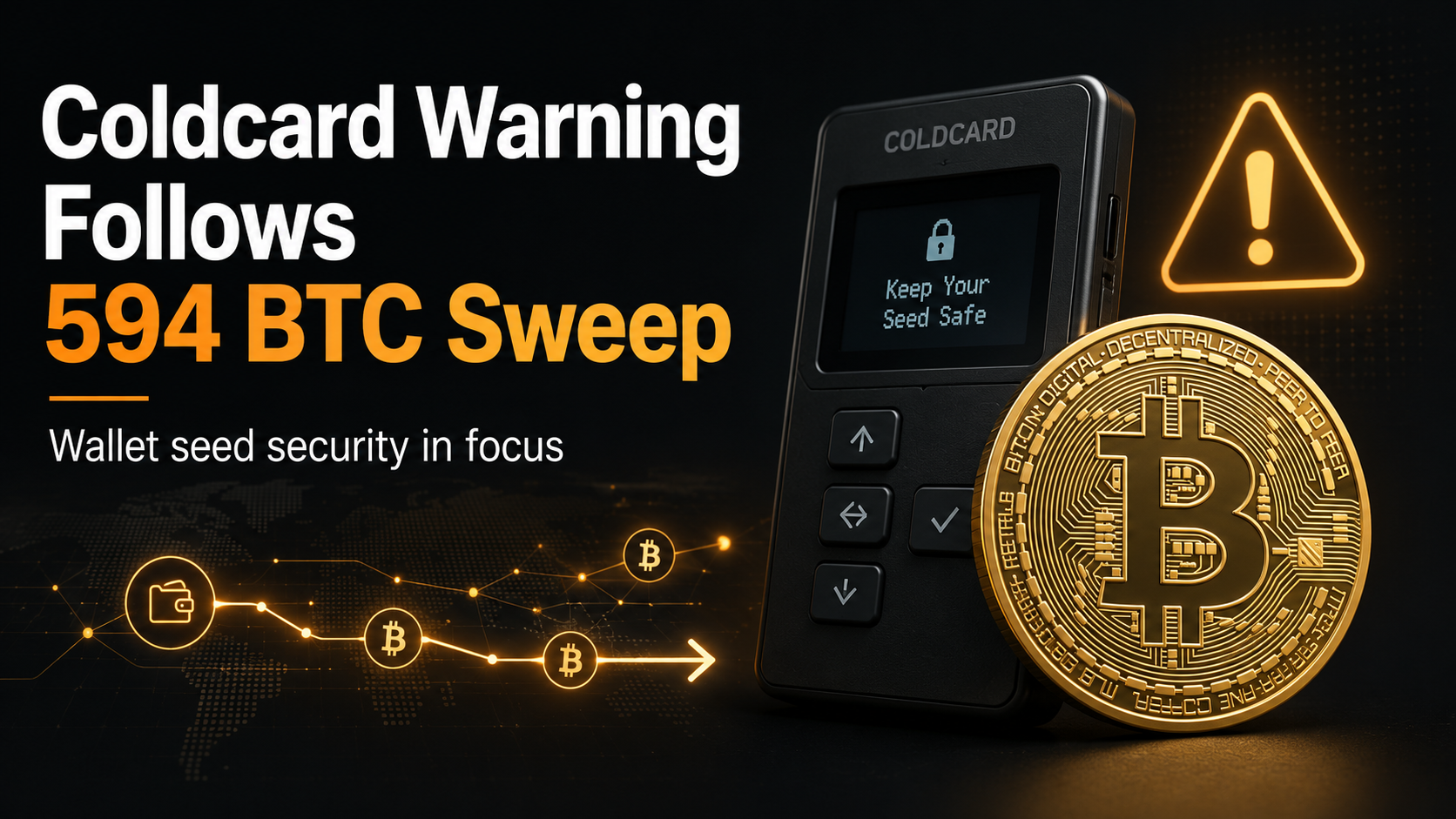
Coldcard Mk3 警告紧随 3800 万美元 Bitcoin 被扫荡事件,但原因仍未确认
比特币硬件钱包制造商Coinkite已警告用户,Coldcard设备存在种子生成问题,影响从4.0.1版本起的所有Mk3固件版本。该警告是在安全研究人员调查一起涉及594.48 BTC(约合3,800万美元)的协同转移事件时发出的。然而,目前尚无公开的技术证据证实Coldcard的问题导致了这些转账。



相关文章
查看更多
什么是 Anonymous Cat(ZCAT)?发放 ZEC 的 Solana 迷因币
Solana 上的迷因币,大多以 SOL 或稳定币计价交易。Anonymous Cat(ZCAT)却是以 Zcash 计价,而这个设计选择,定义了整个代币。ZCAT 是一种建立在 Zcash 隐私叙事之上的 Solana 迷因币,代币形象是一只头上套着棕色纸袋的猫。这个代币的每一笔转账都会收取 3% 的税,而这笔税金会以 ZEC、而非 ZCAT 的形式回馈给持有者。ZCAT 已于 2026 年 9
什么是哈基米(HAJIMI)?含义、合约地址与购买方式
哈基米(HAJIMI)是 BNB Chain 上的 Meme 币,主题来自中文互联网文化中流传最广的猫咪梗之一。这个代币没有白皮书,没有具名的创始团队,也没有技术路线图。它拥有的,是一个在被代币化之前就已经流传多年的文化梗,以及一个后来接手、目前实际在运营这个项目的社区。MEXC 上线的哈基米,总供应量为 1,000,000,000 枚,部署在单一的 BNB Chain 合约上。本指南将说明这个名
Quantum White Fiber Rabbit($Rabbit)是什么?代币经济学、风险与 MEXC 购买教程
Quantum White Fiber Rabbit 是一款在 Robinhood Chain 上交易的模因代币,代号为 $Rabbit。 这款 Rabbit 币已于 2026 年 9 月 1 日以 RABBIT/USDT 交易对在 MEXC 现货市场上线。 本指南将说明项目本身的定位、Robinhood Chain 的运作方式、代币披露了哪些信息又遗漏了哪些,以及如何在 MEXC 购买 $Rab