Why Does QQQON Track QQQ? Tokenized ETF Premiums, Discounts and Price Differences Explained
Summary
QQQON is designed to provide economic exposure linked to Invesco QQQ, while QQQ itself tracks the Nasdaq-100 Index.
This creates a two-stage tracking structure:
Nasdaq-100 Index
↓
QQQ ETF
↓
QQQON
Therefore, QQQON pricing depends on more than the Nasdaq-100 alone.
The simplified pricing chain is:
Nasdaq-100 constituent prices
↓
QQQ NAV and market price
↓
Ondo Shares Per Token
↓
QQQON reference value
↓
QQQON/USDT secondary-market price
The important point is:
QQQON is designed to track QQQ economically, but identical displayed prices are not guaranteed at every moment.
Tracking Layer 1: Nasdaq-100 to QQQ
QQQ seeks to track the Nasdaq-100.
However, Invesco warns that QQQ's actual return may differ from the underlying index because of fund expenses and portfolio implementation.
QQQ's current expense ratio is 0.18%.
That means even before QQQON is considered, there can already be a small difference between:
Nasdaq-100 index return
and:
QQQ ETF return
Tracking Layer 2: QQQ to QQQON
QQQON then seeks to track QQQ through Ondo's tokenized structure.
Ondo states that tokenized stocks and ETFs are fully backed by corresponding securities and track total return including applicable distributions.
What Is Shares Per Token?
QQQON does not necessarily use a permanent 1:1 token/share ratio.
On Ondo's July 27, 2026 product snapshot:
1 QQQon = 1.0034 QQQ
The page also showed underlying QQQ pricing separately from QQQon token pricing.
The ratio can change as distributions are incorporated into total return.
A simplified reference model is therefore:
QQQON reference value ≈ QQQ price × Shares Per Token
before considering market frictions.
Why Does the Shares Per Token Ratio Increase?
QQQ makes distributions.
Ondo's total-return approach reinvests applicable net distributions into underlying exposure.
Over time, this can increase the amount of QQQ exposure economically associated with one QQQON token.
That is why:
1 QQQON ≠ necessarily exactly 1 QQQ forever.
How Does Minting Help Price Alignment?
Suppose QQQON becomes significantly more expensive than its underlying economic value.
Eligible market participants may have an incentive to:
- Mint QQQON through the Ondo system;
- Receive tokenized exposure near underlying economic value;
- Sell the token into the higher-priced secondary market.
More token supply can help reduce the premium.
How Does Redemption Help?
If QQQON trades significantly below underlying economic value:
- Eligible users may buy the cheaper token;
- Redeem through supported Ondo infrastructure;
- Capture the value difference.
This can reduce token supply and support price convergence.
Ondo describes the mint/redemption mechanism as a way tokenized assets inherit liquidity from traditional markets.
Why Can QQQON Still Trade at a Premium?
Temporary premiums can result from:
- Strong crypto-market demand;
- Limited token supply;
- Thin order books;
- U.S. market closure;
- Minting restrictions;
- Fast-moving Nasdaq news.
Why Can QQQON Trade at a Discount?
Possible reasons include:
- Selling pressure;
- Lower token liquidity;
- Redemptions temporarily unavailable;
- Risk aversion toward tokenized securities;
- Exchange-specific conditions.
Trading Hours Matter
QQQ's main price discovery occurs in U.S. securities markets.
QQQON may remain transferable or tradable through tokenized infrastructure while the underlying market is closed.
Suppose a major AI company releases news after QQQ's normal trading session.
The latest official QQQ price may not fully reflect the information.
QQQON participants can nevertheless change their bids and asks.
A resulting price difference can represent forward price discovery, not necessarily a failure of the product.
Why the Nasdaq-100 Methodology Matters
Nasdaq changed the Nasdaq-100 methodology effective May 1, 2026. The updated rules introduced a more structured quarterly review process and new eligibility mechanisms, including Fast Entry provisions.
The first quarterly rebalance under the new framework became effective on June 22, 2026. Astera Labs, CoreWeave, Nebius, Rocket Lab and Teradyne were added while five other companies were removed.
Changes to the Nasdaq-100 affect:
Index
↓
then QQQ
↓
then QQQON.
USDT Adds Another Pricing Variable
QQQ is denominated in U.S. dollars.
MEXC trades:
QQQON/USDT
If USDT trades away from exactly $1, the numerical QQQON/USDT price can differ from a simple USD-based comparison.
Liquidity Adds Another Variable
QQQ itself is highly liquid.
QQQON secondary markets are smaller.
This means large QQQON orders can face:
- Wider spreads;
- Greater slippage;
- More visible premiums or discounts.
Users should examine the live QQQON/USDT order book before trading.
How to Compare QQQON With QQQ
A useful checklist is:
- Check QQQ.
- Check whether U.S. markets are open.
- Check Ondo's current Shares Per Token.
- Calculate approximate economic reference value.
- Check QQQON/USDT.
- Check USDT/USD.
- Review the spread.
- Review token liquidity.
- Check whether major Nasdaq news occurred after the QQQ close.
FAQ
Why does QQQON track QQQ instead of Nasdaq-100 directly?
Because QQQ is the underlying ETF in Ondo's QQQon product.
Can QQQON trade above QQQ-related value?
Yes, temporarily.
Can QQQON trade below it?
Yes.
Does QQQON always equal one QQQ share?
No. The Shares Per Token ratio can change.
What is QQQON's underlying asset?
Invesco QQQ.
Where can I learn the product structure?
Read What Is QQQON?.
Risk Disclaimer
Tokenized ETF tracking is not guaranteed to be exact at every moment. Index tracking, ETF expenses, Shares Per Token, trading hours, liquidity, USDT, mint/redemption availability and market stress can all create temporary differences.
热门加密动态
查看更多
什么是 Invesco QQQ Trust (QQQ)?
Invesco QQQ Trust (QQQ) 是全球使用最广泛的工具之一,用于表达单一、集中的宏观观点:以纳斯达克 100 指数为代表的美国大盘成长股和创新能力。当市场参与者说“我想要大型科技股龙头的敞口”或“我想交易成长因子”时,QQQ 通常是最干净、流动性最好的答案。 QQQ 不像标准普尔 500 指数追踪器那样代表“整个市场”。它是一种倾斜(Tilt)——偏向于主导软件、半导体、互联网平台

2026年2月黄金市场调整:关键驱动因素与未来展望
1. 2026年2月金价下跌:全面分析 2026年2月初,黄金价格经历急剧调整,截至2月6日下跌超过2.25%至每盎司约4,839美元,较5,608美元的历史高位回落15%。这一跌势反映了全球市场更广泛的风险规避情绪,白银和Bitcoin面临类似压力,其中Bitcoin从高点暴跌45-50%。获利回吐发挥了关键作用,黄金期货交易量较30日平均值飙升35%,全球最大黄金ETF SPDR Gold S

比特币牛市能跌多狠?复盘BTC历次牛市大回调与最大跌幅
概述 比特币价格在 10 月 5 日回到 8.6 万美元上方,根据 Yahoo Finance 当日的行情报道,BTC 报约 86,121 美元,过去一周上涨 2.4%,过去一个月上涨 8.6%,但同比仍下跌 29.3%。同一篇报道确认,比特币的历史最高价是 2025 年 10 月 6 日的 126,198.07 美元。换句话说,价格已经从年内低点明显反弹,却仍然停留在历史高点下方约三成的位置。

热门新闻
查看更多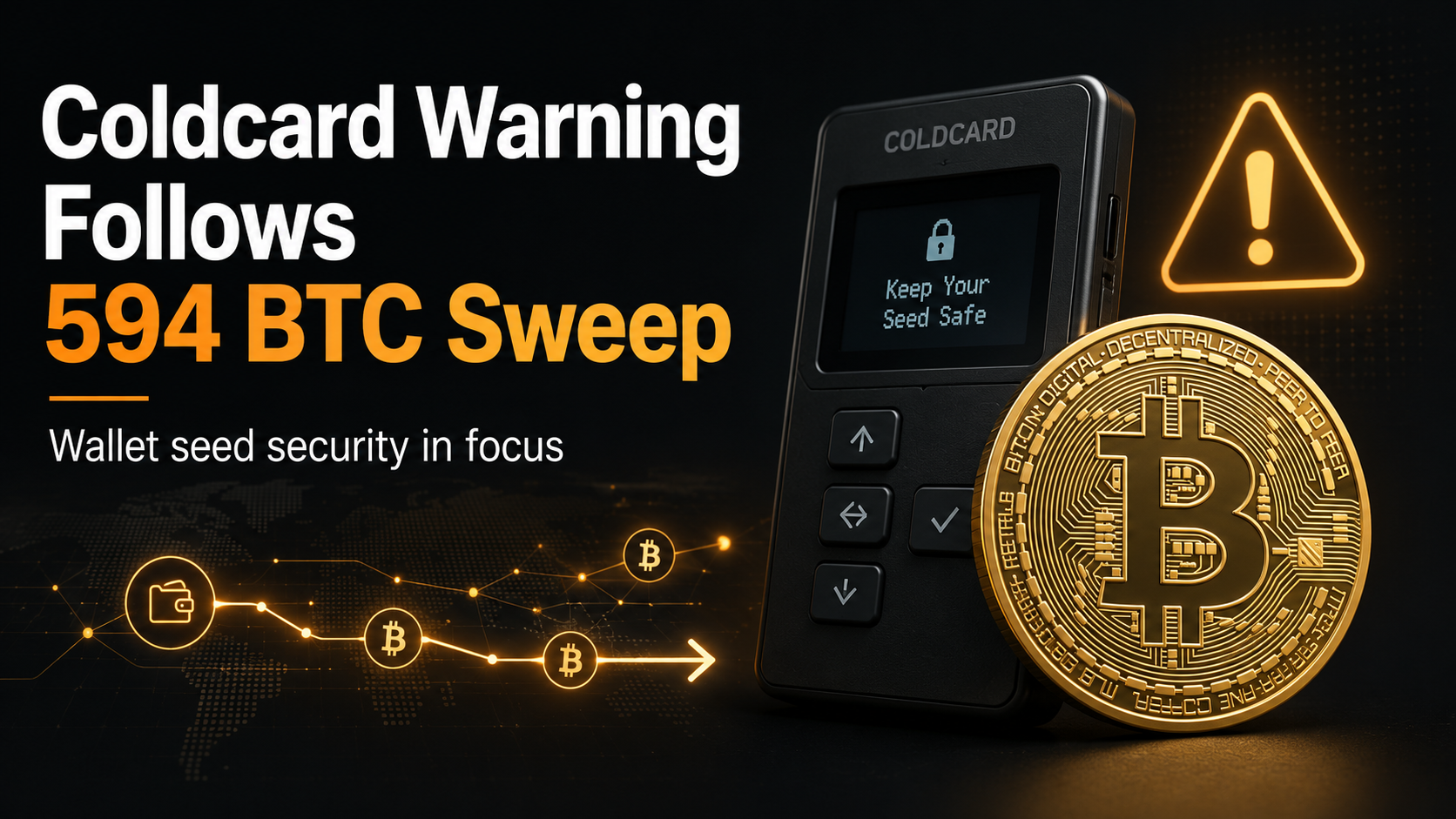
Coldcard Mk3 警告紧随 3800 万美元 Bitcoin 被扫荡事件,但原因仍未确认
比特币硬件钱包制造商Coinkite已警告用户,Coldcard设备存在种子生成问题,影响从4.0.1版本起的所有Mk3固件版本。该警告是在安全研究人员调查一起涉及594.48 BTC(约合3,800万美元)的协同转移事件时发出的。然而,目前尚无公开的技术证据证实Coldcard的问题导致了这些转账。


相关文章
查看更多
辉达股价预测:AI 热潮开始侵蚀辉达自己的利润了吗?
辉达的毛利率刚刚连续第三季度维持在接近 75% 的水准。 而在同一份新闻稿里,公司下修了这个数字的指引。 营收仍在加速——截至 2026 年 7 月 26 日的当季达 962 亿美元,比一年前的两倍还多,而下一季的指引则是 1,080 亿美元。 也就是说,公司一边加速增长,一边在每一美元营收上赚得更少;而这一组张力解释了大部分的原因,这组张力也是为什么覆盖同一家公司的分析师,连一年后的目标价都无法
AI 推理正在改变 NAND 周期吗?Sandisk 对存储芯片股意味着什么
AI 推理需要的不只是算力,大规模部署同样需要不断增长、能够快速访问且具备成本效率的存储容量。 NAND 正逐步成为与 HBM、DRAM 并存的 AI 容量层,而不再只是传统商品型存储产品。 Sandisk 预计,到 2030 年企业数据中心闪存需求将达到 1.2 ZB,并正在开发专门面向 AI 推理的 High Bandwidth Flash。 Sandisk、Samsung 等存储厂商开始采用
2026 AI 基础设施股票:谁真正受益于 Big Tech 的 AI 资本支出?
Key Takeaways Microsoft、Amazon、Alphabet 和 Meta 在 2026 年仍在大规模投入 AI 基础设施和数据中心。 Nvidia 仍是最直接的 AI 资本支出受益者之一,但 AI 云、服务器、网络和光通信也开始呈现明确增长。 CoreWeave、Nebius、Dell 和 Broadcom 提供了 AI 支出转化为营收、订单和待履约收入最清晰的证据之一。 随着